









Bengal was once known as the richest province of the Indian subcontinent mainly due to its famous and varied agricultural and textiles products including the Muslin, world renowned finely-woven breathable fabric. M Ahmedullah posts in Alochonaa.com a two part series (Part 1, Part 2) discussing the history of the Bengal's textile empire.
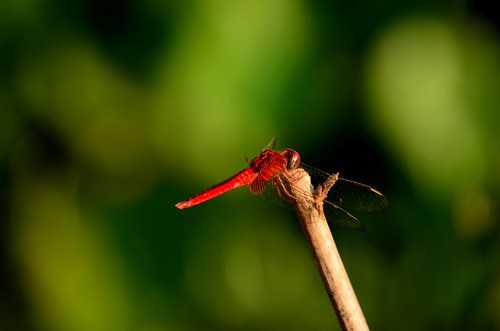
Dragonfly
Image by Rezwan
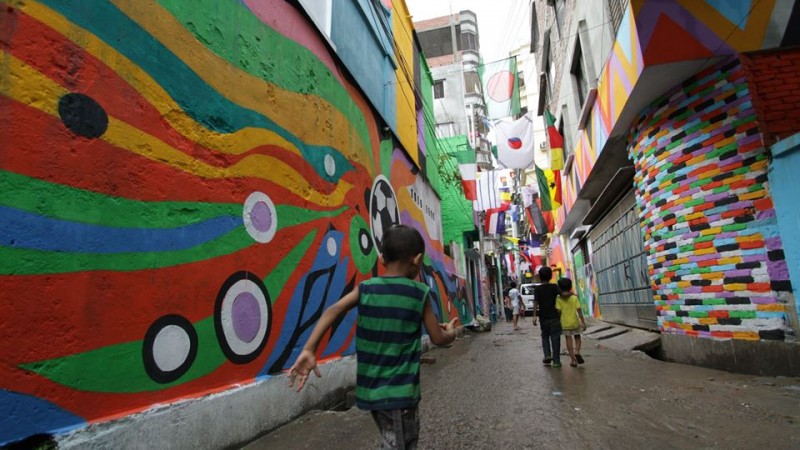
The World Cup Goal-E Project
This street in Bangladesh has a colorful world cup celebration
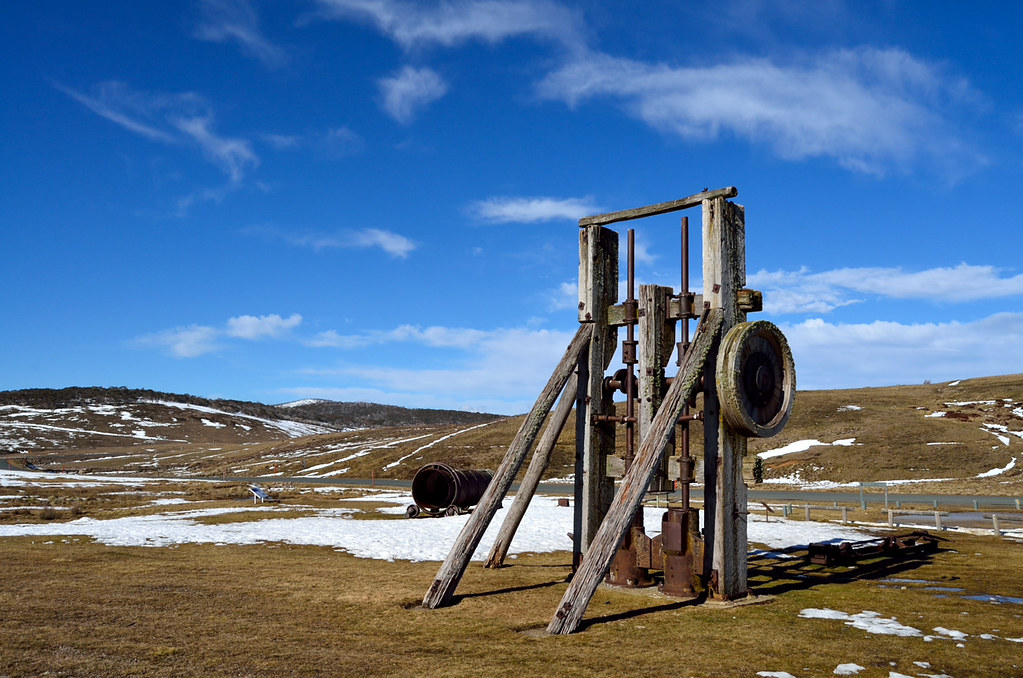
New Chum Hill Ruins
Remnants of Kiandra gold mine at New Chum Hill, #nsw #australia
Showing posts with label history. Show all posts
Showing posts with label history. Show all posts
May 05, 2014
July 29, 2011
Bangladesh: Indigenous or Not Indigenous, That Is The Question
Almost 98% people of Bangladesh are Bengalis and they speak the Bangla language. The minorities include Chakmas, Khasi, Santhal and other tribes numbering more than a million (about 1.2% of total population) who mostly live in the various hilly regions. Chakmas are ethnically Tibeto-Burman, and are closely related to the Himalayan tribes. According to history, they are originally from Arakan (present Rakhine State of Burma) who hundreds of years ago wandered and settled in different parts of India and Bangladesh.
In recent months many Bangladeshi indigenous people have taken the streets holding meetings, human chains and rallies, demanding constitutional recognition of their population. The 'indigenous' debate arose after some remarks of a special parliamentary committee working to amend the present constitution reverting back to the 1972 constitution. There was no reference of tribal or indigenous people in Bangladesh’s first constitution of 1972 where it was mentioned that Bangladesh would be the land of Bengalis.
The parliamentary committee said that it would recommend recognizing them as “small ethnic groups” and questioned: “Would Bangalees [Bengalis] be termed ‘intruders’ or ‘invaders’ if the ethnic groups are called adivasi (indigenous)?”.

The state minister for cultural affairs Pramod Mankin said:
Monjurul Haque at the Indigenous Bangla blog writes [bn] about the complexity of the situation:
It may be mentioned here that the tribals in Bangladesh have been subjected to human rights abuse for long by the Bengali settlers.

Shimon Baskey mentions [bn] what the people of the hills think on this issue:
Sarkar Amin recognizes [bn] the plights of these people:
Jewel Bin Jahir reminds [bn] how the indigenous minorities feel as their language, culture and beliefs are neglected in the constitution:

The debate further escalated as the foreign minister of Bangladesh commented recently that the term "indigenous" for the people of the hills in Bangladesh is a misnomer:
She also said:
She reminded about the 4000 year old tradition of the Bengalis in this land:
Biplob Rahman, a journalist and a blogger protests [bn] the government's stand that there is no indigenous people in Bangladesh. He quotes from Chakma King and member, UN Permanent Forum On Indigenous Issues, Debashish Roy's recent rebuttal [bn]:
Biplob reminds that the incumbent Prime Minister Sheikh Hasina, had given statements on the International Day of the World's Indigenous People several times terming the people of the hills as indigenous people.
He quotes an article of a local newspaper [bn], where it was reported [bn] that:
Mithusilak Murmu notes [bn] that at present there are certain quotas in the Government services and public education institutions for the indigenous people and wonders whether the present proposal of the Government will lead to change in the practice of the issuance of “indigenous certificates” for the population of the hills.
Around 370 million indigenous people in 70 countries of the world are subject to marginalization and mistreatment. These people in Bangladesh and elsewhere are facing similar problems and are fighting for their identity, land and way of life.
First Published in Global Voices Online
Language map of Bangladesh - Image courtesy Wikipedia. Used under a CC License
In recent months many Bangladeshi indigenous people have taken the streets holding meetings, human chains and rallies, demanding constitutional recognition of their population. The 'indigenous' debate arose after some remarks of a special parliamentary committee working to amend the present constitution reverting back to the 1972 constitution. There was no reference of tribal or indigenous people in Bangladesh’s first constitution of 1972 where it was mentioned that Bangladesh would be the land of Bengalis.
The parliamentary committee said that it would recommend recognizing them as “small ethnic groups” and questioned: “Would Bangalees [Bengalis] be termed ‘intruders’ or ‘invaders’ if the ethnic groups are called adivasi (indigenous)?”.
Members of indigenous communities demanded their recognition in the constitution as “indigenous people” instead of tribal or proposed “minority ethnic group” at central Shahidminar in Dhaka, Bangladesh. Image by Abu Ala, Copyright Demotix, 29 April 2011.
The state minister for cultural affairs Pramod Mankin said:
“There is no question that indigenous people would receive constitutional recognition. The debate is in how will they be recognised.”
“The government is reluctant to recognise indigenous people as “indigenous” as it questions ethnicity of the country's native Bangalees.
Monjurul Haque at the Indigenous Bangla blog writes [bn] about the complexity of the situation:
শাসকদের পক্ষে বলা হচ্ছে- ‘পাহাড়িরা পাহাড়ের আদিবাসী নয়’! ‘বাংলাদেশের সংবিধান মানার কারণে পাহাড়েও বাঙালিদের সমান অধিকার’। ‘বাংলাদেশের সংবিধানের আলোকেই পাহাড়িদের বাংলাদেশের নাগরিক হিসেবে সমতলের নাগরিকদেরকেও মেনে নিতে হবে’। অসহায় গরিব সেটেলারদের ধরে ধরে পাহাড়ে পাঠানোর পর বলা হচ্ছে-‘পার্বত্য চট্টগ্রামের চাকমারা বার্মার আরাকান প্রদেশ থেকে এসে এদেশে বসতি স্থাপন করেছে এবং তারাই বহিরাগত!’
The authorities are telling - “The people of the hills are not indigenous people. As constitution of Bangladesh applies everywhere, Bengalis have equal rights to lands in the hills." The people of the hills are also citizens of Bangladesh (not indigenous) - that is also reminded in the constitution. They are sending destitute Bengali settlers to the hills on the ground that “the Chakmas have settled in the hills from their origin – Arakan region of Barma, so they are also settlers”.
It may be mentioned here that the tribals in Bangladesh have been subjected to human rights abuse for long by the Bengali settlers.
Tribal indigenous people of Bangladesh in the Chittagong Hill Tracts. Image by Anwar Hussain. Copyright Demotix 7/8/2010.
Shimon Baskey mentions [bn] what the people of the hills think on this issue:
আদিকাল থেকে আমাদের নিজস্ব ভাষা, সংস্কৃতি, কৃষ্টি, আচার-আচরণ একই, এর কোনো পরিবর্তন হয়নি। আমরা এই দেশের ভূমিজ সন্তান। আমাদের পূর্ব-পুরুষরা কারো জায়গায় বা অন্যকারো দ্বারা বসতি স্থাপন করেনি। তারা এই দেশের বন-জঙ্গল পরিষ্কার করে নিজেরা চাষের উপযোগী করে ওই অঞ্চলে প্রথম বসতি গড়েছে। দেশ বিভাগের সীমানা নির্ধারণ করার আগেই তারা বংশ-পরম্পরায় সে সব এলাকায় বসবাস করছে।
Since ages our own language, culture, beliefs and rituals are the same, nothing has changed. We are people of this land. Our forefathers did not settle in someone else's land or were inhabited there by someone. They were the first settlers by clearing forests and preparing lands for cultivation. They already had been living there for generations long before boundaries were demarcated.
Sarkar Amin recognizes [bn] the plights of these people:
মঙ-মঙ বান্দরবানের এক পাহাড়ে তোমার সঙ্গে পরিচয়। আমি বাঙালি তুমি পাহাড়ি। তুমি আর্টিস্ট। আমি কবিতা লিখি। আমাদের দ্রুত বন্ধুত্ব হলো। তোমার নিষ্পাপ হাসির আড়ালে কোনো কষ্ট কি ছিল বন্ধু?
সংকট আছে। পাহাড়ের জনতা জাতিসত্তার সাংবিধানিক স্বীকৃতি চায়। আদিবাসী হিসেবে অভিহিত হতে চায়। শান্তিচুক্তির ন্যায়সঙ্গত বাস্তবায়ন চায়। বাংলাদেশের শাসক শ্রেণী আদিবাসীদের শতভাগ সাম্যমূলক অধিকার দিতে এখনো আগ্রহী নয়। দুঃখ ও সংকটের এটাই মুল কারণ।
Mong Mong, I first met you in a hill of Bandarban. I am bengali and you are from a tribe. You are a painter and I am a poet. We become friends at once. Was there a pain deep inside your innocent smile? [..]
There is a crisis. The people of the hills want constitutional recognition of their population. They want to be termed as "indigenous". They want implementation of the peace accord. But the ruling elites of Bangladesh do not want recognition of equal rights of the people of the hills. This is the main reason of the pain and the crisis.
Jewel Bin Jahir reminds [bn] how the indigenous minorities feel as their language, culture and beliefs are neglected in the constitution:

আমরা আমাদের বিজু, বৈসু, কারাম, ওয়ান্না, সোহরাই দ্বারা নিজ নিজ শ্রেষ্ঠত্ব প্রমাণ করতে চাইনি। আমাদের সাংসারেক, লালেং, শারণা কেন্দ্রিক বিশ্বাস কখনো অন্যের উপর চাপিয়ে দেওয়ার চেষ্টা করিনি। আমাদের আচিক, চাকমা, ককবরক, ঠার, মুন্ডা, সান্তালী ভাষা দিয়ে জগতের অন্য কোন ভাষার উপর আধিপত্য প্রতিষ্ঠার চেষ্টা চালাইনি।
কিন্তু তারবাদেও আমাদের হাবা-জুম, জংলা-জঙ্গল সব দখল হয়ে যায়। আমাদের নিজ নিজ মায়ের ভাষা কোনঠাসা হয়ে পড়ে। আমাদের আপন আপন বিশ্বাস অশূচি হয়ে যায় দাপুটে বিশ্বাসের প্রতাপে।
We had not tried to prove our supremacy by our Biju, Baisu, Karam Wanna, Sohrai (festivals and rituals). We had not tried to impose our Sangsarek, Laleng, Sharna centric beliefs to anyone. We had not tried to overwhelm other languages of the world by our Achik, chakma, Kokborok, Thar, Munda, Santali languages.
But still our Haba-Zoom(plantations), forests and ditches are being dispossessed. Our mother tongues are being ignored. Our own beliefs are deemed as impure, illogical by influential and imposing beliefs.
The debate further escalated as the foreign minister of Bangladesh commented recently that the term "indigenous" for the people of the hills in Bangladesh is a misnomer:
"In the constitution, all minorities were recognised generically as minorities, and through the 15th amendment, the present government has categorised them as 'ethnic minorities' and no longer only as 'tribal' people."
She also said:
“Giving a special and elevated identity to enfranchise only 1.2 percent of the total population of 150 million by disentitling the 98.8 percent cannot be in the national interest of Bangladesh."
She reminded about the 4000 year old tradition of the Bengalis in this land:
“The ethnic Bengalees are not colonial settlers, neither are they foreigners or non-indigenous to their own native land and never will be.”
Biplob Rahman, a journalist and a blogger protests [bn] the government's stand that there is no indigenous people in Bangladesh. He quotes from Chakma King and member, UN Permanent Forum On Indigenous Issues, Debashish Roy's recent rebuttal [bn]:
সাংবিধানিকভাবে 'আদিবাসী' স্বীকৃতি দিলে মূল ধারা থেকে বিচ্ছিন্ন, প্রান্তিক ও অনগ্রসর এই ১ দশমিক ২ শতাংশ মানুষ তাদের প্রান্তিক অবস্থান জানানোর একটি আইনি ভিত্তি পাবে। এই মর্যাদা তাদের কোনো 'বিশেষ' সুবিধা দেবে না।
If the government recognizes “indigenous people” then this marginalized and underdeveloped 1.2% population will have a legal ground to fight for their rights. However, this recognition will not give them any special rights.
Biplob reminds that the incumbent Prime Minister Sheikh Hasina, had given statements on the International Day of the World's Indigenous People several times terming the people of the hills as indigenous people.
He quotes an article of a local newspaper [bn], where it was reported [bn] that:
জানা গেছে, 'আদিবাসী' অভিধা ব্যবহার করলে সরকারকে বিভিন্ন জাতিসংঘের সনদে স্বাক্ষর করতে হয়। সে ক্ষেত্রে পার্বত্য চট্টগ্রামসহ দেশের আদিবাসী অধ্যুষিত অঞ্চলে মানবাধিকার লঙ্ঘনের ঘটনায় জাতিসংঘের সরাসরি হস্তক্ষেপ করার সুযোগ থাকে। এ পরিস্থিতি এড়ানোর জন্যই বাংলাদেশ সরকার কৌশলগত অবস্থান নিয়েছে। এ ক্ষেত্রে এ দেশের প্রভাবশালী রাজনৈতিক দলগুলোর অবস্থান অভিন্ন।
It has been learnt that if the “indigenous term” of any minority population is established then a country is subjected to sign several declarations of United Nations. In that case United Nations can intervene to investigate attacks on human rights of the indigenous population. So the Bangladesh government has taken this stance (of not terming them "indigenous"). In this issue all the major and influential political parties of Bangladesh share same ideology.
Mithusilak Murmu notes [bn] that at present there are certain quotas in the Government services and public education institutions for the indigenous people and wonders whether the present proposal of the Government will lead to change in the practice of the issuance of “indigenous certificates” for the population of the hills.
Around 370 million indigenous people in 70 countries of the world are subject to marginalization and mistreatment. These people in Bangladesh and elsewhere are facing similar problems and are fighting for their identity, land and way of life.
First Published in Global Voices Online
Language map of Bangladesh - Image courtesy Wikipedia. Used under a CC License
August 12, 2008
Finding Bangladesh

A new three part series documentary on “Historical Places of Bangladesh” has recently been released in DVDs and its now available in Bangladesh. (Via Angelmorn)
Here is a trailer of the first part:
The first part covers the following landmarks:
From Dhaka Division: Ahsan Manzil, Lalbagh Fort, Dhakeswari Temple, Star Mosque and Sonargaon (Panam City, Bara Sardar Bari and the Sonakanda Fort).From its Facebook campaign:
From Rajshahi Division: Ramshagor Dighi, Kantajee’s Temple, Ksumba Mosque, Paharpur, Behula’s Nuptial House, Mohasthangarh and Puthia
Bangladesh is blessed and adorned with countless mesmerizing “sites and scenes” where nature has woven its beauty very intricately; not only in terms of natural beauty, but also in terms of historical land marks.I can't wait to get hold of this DVD.
We decided to document the important sites all over Bangladesh and compile it on a series so that at least people know about them.
May 01, 2008
Bangabandhu in Bollywood
Renowned Bangladeshi columnist Abdul Gaffar Chowdhury is producing a film on Bangabandhu Sheikh Mujibur Rahman. Guess who will be playing the role.
Its Amitabh Bachchan, the legendary actor of Bollywood.
Reuters India also reports:
Sad but true that politicization of Bangabandhu's deeds (both by Awami League and anti Awami League forces) have alienated the true Sheikh Mujib from the hearts of many Bangladeshis. And we have to rediscover them through Bolloywood.
Update: Bachchan denies plan to play Mujibur Rahman
Its Amitabh Bachchan, the legendary actor of Bollywood.
Reuters India also reports:
His son Abhishek Bachchan will act in the role of a young Mujib. Amitabh's daughter-in-law and former Miss Universe, Aishwarya Rai, and renowned actress Shabana Azmi will also act in two key roles.Amitabh is a powerful actor and I don't have anything against the choice. But I wonder why we had to turn to Bollywood to produce a cinema on Bangabandhu. It remains to be seen whether the real history is altered through Bollywood style dramatization or not.
Shyam Benegal, the only director to won India's National Film Award for Best Feature Film in Hindi five times, will direct the movie.
Sad but true that politicization of Bangabandhu's deeds (both by Awami League and anti Awami League forces) have alienated the true Sheikh Mujib from the hearts of many Bangladeshis. And we have to rediscover them through Bolloywood.
Update: Bachchan denies plan to play Mujibur Rahman
December 28, 2007
History corrected
 AFP reports:
"School textbooks in Bangladesh have been revised to reflect the latest government version of the role of two slain leaders when the country won independence in 1971.Hope the next Government will not try to distort history again.
Sheikh Mujibur Rahman, who led Bangladesh's bitter independence struggle against Pakistan, is now once again referred to as the "father of the nation".
In another change, former president Ziaur Rahman, who was slain in an attempted military coup in 1981, was acknowledged to have made an independence proclamation "on behalf of Bangabandhu at Kalurghat Radio Station in Chittagong, on March 27".
School textbooks containing the changes have already been printed and would be read in the schools from January 2008.
Since 1991, textbooks have been subject to alterations by governments led alternately by Sheikh Mujib's daughter, Sheikh Hasina Wajed, and Ziaur's widow, Khaleda Zia. The two women are bitter rivals and lead the country's two main political parties."
August 17, 2007
60 years of independence from British rule: where does Bangladesh stand?
Shahpar Selim has written a touching article in Drishtipat blog in which she tries to find how Bangladesh fit into the history of 1947. In her own words:
[....]
But on this great day when we celebrate the free identity of the subcontinent…whither art thou, Bangladesh? Didn’t we also get independence from the British?
[....]
Standing here and now, what do we have in common with our siblings, India and Pakistan? Plenty, for sure! I can stand shoulder to shoulder with my Pakistani and Indian friends and feel tremendous pride at sharing a common heritage and being citizens of free countries. I can read Faiz’s poem about partition and I can share the pain he feels over a traumatic division of India along lines that tore apart families, friends, made promises that were not kept and made enmities that will last forever. I can identify with all of these feelings, but when the flags are being hoisted today, which one are Bangladeshis supposed to gaze at and feel pride? Obviously not India. And certainly never Pakistan. So how do we fit into the history of 1947? Has 1971 erased our name from the roster of those born 60 years ago, today? These were the questions that bothered me — It is also *our* independence day, so why doesn’t the world recognise that? Why do I feel like the sick cousin who has to stay home when the rest of the family is having a picnic? Why no special programmes on the region that became East Pakistan and then Bangladesh? It cant be simple “historical technicality”. Are we just so damn irrelevant? Whose fault is that? They say that the victor writes history. If India and Pakistan are the stars of the history of today (by that I mean August 14/15th), then what does it say about the “also borns”?
[....]
In the midnight of August 14th and 15th, when India and Pakistan were created out of the same fabric, we Bangladeshis were also part of that fabric. We may have had another name, but we were not still born. There is blood, history and identity in these veins – and that blood of our forefathers who gave their lives to get rid of the British demand the respect of this generation — to stand up and be counted. If we Bangladeshis don’t recognise that first, the world will not recognise it either.
Subscribe to:
Posts (Atom)