




Dragonfly

Image by Rezwan

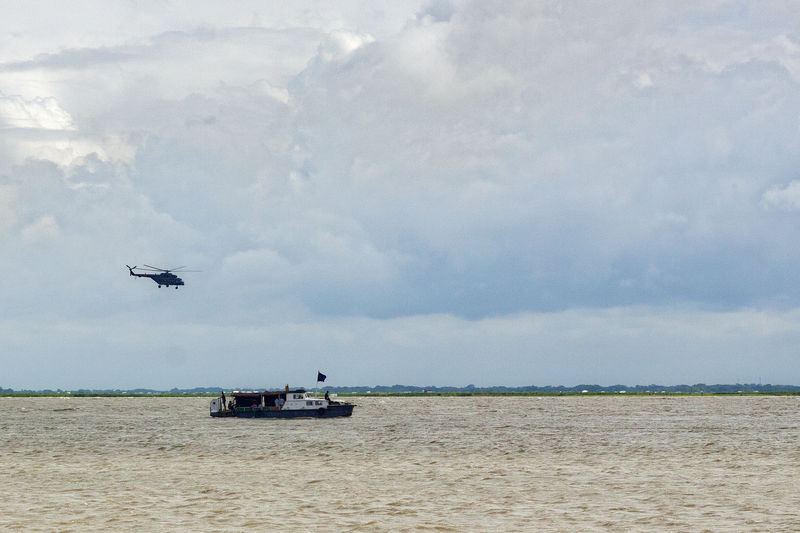
Overcrowded passenger ferry capsized in the Padma River in Munshiganj, Bangladesh

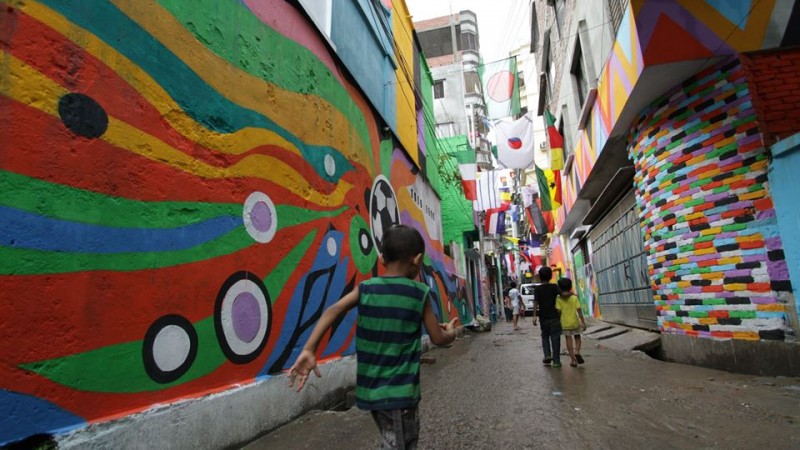
The World Cup Goal-E Project

This street in Bangladesh has a colorful world cup celebration

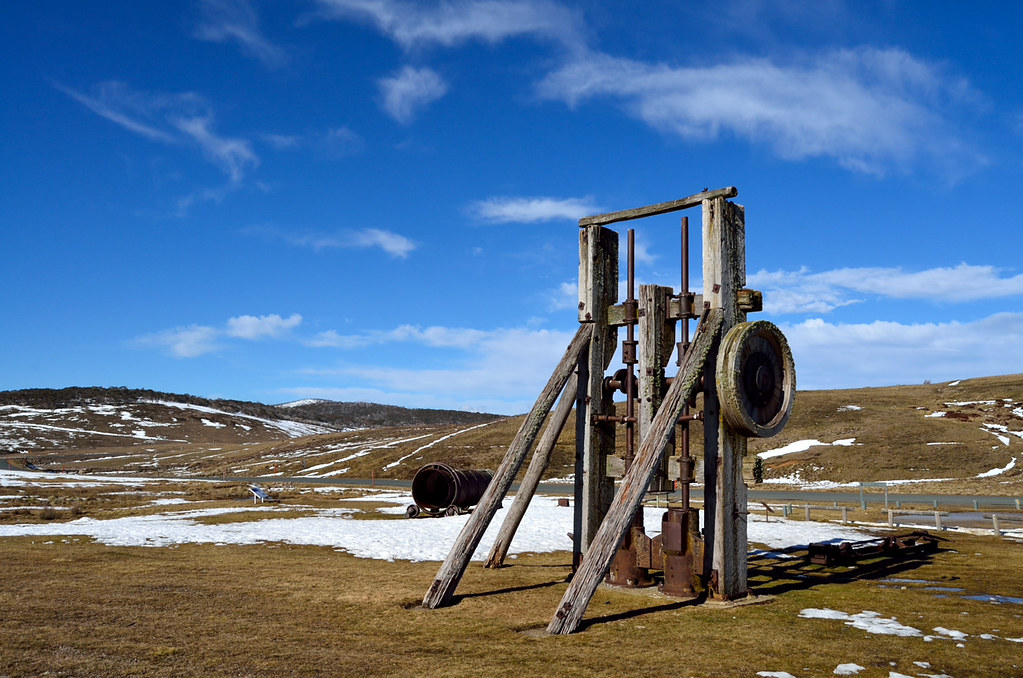
New Chum Hill Ruins

Remnants of Kiandra gold mine at New Chum Hill, #nsw #australia

Showing posts with label Yunus. Show all posts

March 06, 2011

Protests Against Removal of Nobel Laureate Dr. Muhammad Yunus From Grameen Bank

It all started with Tom Heinemann’s documentary “Caught in Micro Debt” which was aired on the 30th of November, 2010 on the Norwegian state Television. This had set off a chain of events which triggered much controversy on microcredit and Bangladeshi Nobel Laureate Dr. Muhammad Yunus and resulted in the investigation of operations of Grameen Bank, which he founded.


Image courtesy World Economic Forum. CC BY-SA

In a latest development of this saga, the central bank ordered the removal of Yunus (70) on the grounds that he had overstayed as head of Grameen operations violating the law (the retirement age in commercial bank is 60). Dr. Yunus is challenging this in court and thousands of supporters protested across the country against his removal. This has made the headlines of many media.

The fingers are pointing towards the government as the earlier reaction of Bangladesh's Prime Minister Sheikh Hasina was a bit too harsh - as she mentioned "in the name of poverty alleviation he (Yunus) is sucking blood from the poor".

Ireen Sultana at BDNews24 Blog explains:

একজন সরকার প্রধানের মুখ থেকে এ ধরনের বক্তব্য সুষ্পষ্টভবাবে সরকারি অবস্থান এবং মনোভাবকে নির্দেশ করে। আর তাই যতই বলা হোক না কেন গ্রামীণ ব্যাংকের ব্যবস্থাপনা পরিচালক পদ থেকে ডঃ ইউনূসকে অব্যাহতি প্রদানের লিখিত নির্দেশ এসেছে বাংলাদেশ ব্যাংক থেকে, দেশি-বিদেশি প্রতিক্রিয়া ব্যক্তকারিরা এটাকে সরকারি সিদ্ধান্ত বলে মনে করছেন।

Statements like this coming from the head of the state clearly states the position and intention of the government. Although others may say that the direction to to remove Dr. Yunus from the post of Managing Director of Grameen Bank came from Bangladesh Bank (Central Bank), those who are reacting on this are presuming that this is the decision of the government.

The popular belief is that Yunus is being seen as a political counterpart because of his failed attempt to join politics in 2007. Ireen Sultana asks:

একজন অ-রাজনৈতিক ব্যক্তিত্ব কি করে একটি রাজনৈতিক দলের প্রতিপক্ষ হয়ে উঠতে পারেন?

How can be a non-political person be a political counterpart of a political party?

Philanthrocapitalism blog comments in a post titled "leave Yunus alone":

As Grameen points out, it is owned by its 8 million or so borrowers, most of them relatively poor women. It remains to be seen if the voice of these owners will be heard. There is a real danger that what is in effect an attempted takeover by the Bangladesh government will do serious damage to Grameen and the people it helps. While there are certainly examples of for-profit microlenders harming the poor, we think the greater harm to the poor is often done by the politicians who purport to be on their side.

Clearly the country has been divided on this issue. The opposition has been quick to back Yunus saying that he has been victim of vengeance. Netizens are also divided. Bloggers like Ichcha Manab thinks that this sudden decision to remove Yunus from the board is a disrespect to the Nobel Laureate and is a dent to the country's image. Columnist Shamsher Chowdhury at The Financial Express says:

The lone Nobel laureate of Bangladesh should have been dealt with a little more dignity and respect. The entire saga clearly smells of jealousy, anger, vengeance and vendetta on the part of those who orchestrated the campaign against Prof Yunus. People at large are confused and would like to have a complete picture of what charges or irregularities Yunus is guilty of.

On the other hand Shafiur at Imperfect|World says:

For decades his zillions of fawning supporters have twisted the truth and failed to see the limited creature that microcredit is. I hope today that grin has been wiped off his face. For sure he is fighting back and he has powerful friends both at home and abroad. But this is a day to savour.

Some like Mahbub Morshed cannot understand what the fuss is all about as they think that Yunus's credibility and achievements will not be lost if he is no longer the MD of Grameen operations.

Himu writes:

তিনি যদি এতই বিচক্ষণ আর বিবেচক হবেন, কেন এই প্রতিষ্ঠানটিকে স্বাভাবিক প্রশাসনিক প্রক্রিয়ায় যোগ্য কোনো পরিচালনা পর্ষদের কাছে হস্তান্তর করলেন না?

If he is so considerate and knowledgeable, why he did not transfer his responsibilities to a legal and efficient board of directors?

Alamgir concludes his post at Sachalayatan with this:

দারিদ্র্যকে জাদুঘরে পাঠাতে চেয়েছিলেন ড. ইউনূস। সেটা হবার নয়। তবে দরিদ্র মানুষের ভাগ্যের কিছুটা পরিবর্তন নিশ্চয়ই করতে পেরেছেন; কতটুকু পেরেছেন সেটা ভবিষ্যৎ বিচার করবে। সরকার আইনের দোহাই দিয়ে একজন বুড়ো মানুষকে বিদায় দিচ্ছে। যে মন্ত্রী সেটা করছেন তিনি আরো বুড়ো কিন্তু মন্ত্রী হবার জন্য বয়স, শিক্ষা, যোগ্যতা কোন বিষয় নয়। প্রধানমন্ত্রীও তাঁর পূর্বপ্রতিশ্রুত অবসর গ্রহণের বয়স পার করেছেন। দেখা যাক কী হয়।

শেষ বিচারটা সবসময় জনগণই করবে। ড. ইউনূসের জন্য অনেক অনেক শুভ কামনা রইল।

Dr. Yunus wanted to send poverty to museum. But it is not to be. At least he could contribute to changing the fate of the poors in a limited way; to what extent he has achieved this, only time will tell. The government is sending an aged man home citing regulations. The minister who executed this order is a lot older than Yunus. But for Ministers age, education, capability does not matter. The Prime Minister also has already crossed the legal age limit for retirement. Lets see what happens.

The citizens will judge at last. Our best wishes to Dr. Yunus.

December 05, 2010

Bangladesh: Grameengate And Beyond


Bangladeshi Nobel Laurate Dr. Muhammad Yunus. Image from Flickr by World Economic Forum. CC BY-SA

The hottest topic in Bangladesh now is the allegation against Nobel laureate Dr. Muhammad Yunus of diverting foreign aid from Grameen Bank to another sister company called Grameen Kalyan. The objective of Grameen Kalyan is to provide financial support in the form of loans and grants to the staff and members of Grameen Bank and their families. An investigative documentary by Danish filmmaker Tom Heinemann titled "Fanget i Mikrogjeld" or "Caught in Micro debt" was aired last Tuesday on the National Norwegian Television (NRK).

Heinemann took a critical look at Microcredit operations in Bangladesh saying that many loan receivers "had multiple loans in various micro credit banks and organizations and had a hard time trying to pay back their loans." In addition he stumbled into some documents from the archives of the Norwegian aid agency Norad which tells that Grameen Bank shuffled donor money to Grameen Kalyan without prior permission of the donors to avoid potential government tax @40%. In an exclusive report the secret documents were published by BDNews24.com, the largest online news agency in Bangladesh. The local media jumped on this story and the bloggers are divided on this issue.

The Grameen Bank response denied any wrong doings.

Asif at Unheard Voice provides the outline of the arrangement of Grameen Bank and discusses about the impact of the documentary:

1. Donors (Norad et al) gave a large cash grant to Grameen Bank (GB)
2. Instead of paying back interest or principal, GB was to put aside 2% of those funds for employee welfare projects (SAF)
3. GB was afraid of a regulatory change levying 40% tax on that outflow and wanted to give SAF the “attention it deserves”
4. So GB created Grameen Kalyan (GK), gave them a large amount of cash and borrowed it back at 2%

Norad‘s problem was that:

1. GB never told them about this particular piece of legerdemain they happened to find out almost by accident (the bdnews24 story has a few PDF files of those communications)
2. Their memorandum of understanding was with GB and the Bangladesh Government about the use of the 2% for SAF, not with GK, so this left things in the kind of vacuum they wouldn’t be comfortable with

The documentary claimed as much as USD 100 million had been siphoned away and — notwithstanding Norwegian claims that Yunus is not corrupt — led to lurid claims in Bangladesh media like Yunus ‘siphoned Tk 7bn aid for poor’. GB’s detailed riposte notwithstanding, the damage has been done.

Journalist and blogger Maskawaith Ahsan defended [bn] Dr. Yunus in a post titled "In a media coup by Norway Dr. Yunus killed in Dhaka":

অধ্যাপক ইউনুসের বিরুদ্ধে ইউরোপের অর্থ গ্রামীণের বোন সংস্থায় ট্রান্সফারের যে অভিযোগ উঠেছে, তা উনার অর্থ বিষয়ক স্পর্শ কাতরতার ফলাফল। ওই অর্থ দিয়ে ইউনুস ভূমধ্যসাগরের তীরে প্রাসাদ তৈরী করেন নি, সেটি গ্রামীণের বোন সংস্থায় বিনিয়োগ করা হয়েছে। তবুও এটি দাতাদের সঙ্গে চুক্তির বরখেলাপ।

The accusations against Dr. Yunus of transferring European money to a sister concern is the result of his sensitiveness with finance. He did not build a palace in the Mediterranean, it was invested instead. Still it was against the agreement with the donors.

Baki Billah writes:

এটা একটা পদ্ধতিগত সংকট হতে পারে কিন্তু তার সাথে চৌর্যবৃত্তির সূত্র আবিস্কার করার মৌলিক কোন বিষয় আছে কি ? প্রামাণ্যচিত্র নির্মাতা টম খুব সরলে এ প্রশ্নের উত্তর দিয়েছেন, তিনি বলেছেন, অনেক চেষ্টা করেও তিনি ইউনুস সাহেবের সাথে যোগাযোগ করতে পারেন নি। তিনি কিভাবে চেষ্টা করেছেন?

This could be a procedural fault, but is there any reason to malign him with theft of money? The documentary maker Tom answered the question simply by saying that he could not contact Mr. Yunus for his response after repeated attempts (editors note: for 6 months). How did he try?

In another post of Maskawaith Ahsan, a commenter named Netpoka comments:

দাতাদের দেওয়া টাকা সরিয়ে নেওয়ার যে অভিযোগ উঠেছে, তাতে কেবল ডঃ ইউনুসকেই দায়ী করা হচ্ছে। অথচ গ্রামীণ ব্যাঙ্কের একটি বড়সড় পরিচালনা পর্ষদ আছে, যাতে প্রতিনিধিত্ব করেছেন রেহমান সোবহানের মত ব্যক্তিগণও। অর্থ সরানোর দায় তো তাদের সকলেরই হওয়ার কথা!

আর দাতাদের দেওয়া টাকা থেকে এক টাকাও তিনি নিজের ব্যক্তিগত কাজে ব্যয় করেছেন কি? শুনেছি আজ পর্যন্ত তাঁর নিজের একটি মাথা গোঁজার জায়গও নেই - থাকেন গ্রামীণ ব্যাঙ্ক ভবনের একটি ফ্ল্যাটে। অথচ তাঁকে এখন বলা হচ্ছে দুর্নীতিবাজ।

নরওয়ে এবং টেলিনর কেন ডঃ ইউনুসের পেছনে লেগেছে, তা সবাই জানে। তারপরও আমরা তাঁকেই ভিলেন বানাই।

The accusation of transferring donor money is being directed to Yunus only. But Grameen Bank is run by a big management committee where reputed people like Rehman Sobhan are also there. The accountability should be demanded from each one of them.

And did he ever spent a Taka for his own self? I heard that he even do not own a house - he stays in a flat provided by Grameen Bank. And now they accuse him of corruption.

Everybody knows why Norway and Telenor are after him. Then why are we making him the villain?

It may be noted here that a few years ago Yunus had a fight with Norwegian Telecoms giant Telenor (majority owned by Norwegian government) over management control of Grameenphone, Grameen Bank's joint venture. Yunus wanted to convert Grameenphone, the leading and profitable Telecommunication company in Bangladesh, to a social business enterprise [where profits are reinvested in the company rather than taken out], but Telenor did not accept. The Norwegian Telenor was later caught in a labor scandal.

Shuvashish Das posts a detailed analysis [bn] on this issue trying to explain why after 12 years the issue has been exposed to media:

২০১০ সালের মাঝামাঝি থেকে গ্রামীণ কল্যাণের অর্থ গ্রামীণ ব্যাংকে স্থানান্তরের জন্য সিডা, নোরাড আবার চাপ দেয়। ৬০৮ মিলিয়ন ক্রোনার (এর মধ্যে ৩০০ মিলিয়ন দেয় নোরাড, বাকিটা অন্যরা) গ্রামীণ ব্যাংক থেকে চলে গেছে গ্রামীণ কল্যাণে। অথচ ফেরত এসেছে মাত্র ১৭০ মিলিয়ন। বাকিটা এখনো গ্রামীণ কল্যাণে থেকে গেছে।

২২ আগস্ট ২০১০
গ্রামীণ ব্যাংক একটা ইমেইল দুটি ব্যাখ্যা জানায়-
গ্রামীণ ব্যাঙ্কের কর্মী আর সদস্যদের উন্নয়নের জন্য এই অর্থ স্থানান্তর।
গ্রামীণ ব্যাংক গ্রামীণ কল্যাণে কর ফাঁকি দেয়ার জন্য অর্থ স্থানান্তর করেনি। কারণ ১৯৮৩ সাল থেকে গ্রামীণ ব্যাংককে কোনো কর দিতে হয় না।

CIDA and NORAD started again in mid 2010 to pressure Grameen Bank to transfer the donor loan from Grameen Kalyan. 608 million Kroner (300 mill by NORAD) was moved from Grameen Bank but only 170 million Kroner was refunded till to date. The rest of it still lies with Grameen Kalyan.

22nd August 2010
Grameen Bank explained in an email -
The money was transferred to provide support to the staff and members of Grameen Bank and their families.
Grameen Bank did so not to avoid taxes because Grameen Bank operations are exempted from tax since 1983.


Poor bangladeshi receiving loan (w/o collateral) from the Grameen Bank. Image from Flickr by Jeevs Sinclair. CC BY-NC-SA

In the end Shuvashish asks some valid questions:

বাংলাদেশের ক্ষুদ্রঋণ সংস্থাগুলো ২০ থেকে শুরু করে ১০০% বা তারও বেশি সুদ নেয় গরিব মানুষের কাছ থেকে। ক্ষুদ্রঋণ দারিদ্র্যকে হালকার ওপর ঝাপসা প্রশমিত করে দীর্ঘমেয়াদি করে। উচ্চসুদের কারণে গরিব গরিবিমুক্ত হওয়ার সুযোগ পায় না। কিছু কামেল লোক হয়তো বেরিয়ে আসতে পারে। ঋণের যাঁতাকলে দীর্ঘমেয়াদে আটকে গেছে এমন লোকের পরিসংখ্যান জানা জরুরি। ক্ষুদ্রঋণ কেবল ভালো ভালো জিনিসগুলো পাবলিককে দেখায়, পেছনের বাজে দিকগুলো লুকিয়ে রাখে। এসব সমালোচকের দৃষ্টিতে দেখা প্রয়োজন। গ্রামের মানুষের টাকা নাই, তাদেরকে ঋণ দেয়া একটা ভালো ব্যবস্থা; কিন্তু ঋণের চক্রে ঢুকিয়ে দেয়া অমানবিক। [..] সরকারকে কর দিতে হয় না বলে দেশে প্রায় চার হাজারের মতো ক্ষুদ্রঋণ ব্যবসা। ২৫ থেকে ৩০ হাজার কোটি টাকার মতো ঋণ বিতরণ হচ্ছে প্রতি বছর। সহজে মুনাফা অর্জনের জন্য এর চেয়ে ভালো ব্যবসা আর নেই। সরকারের উচিত এদের উপরসর্বস্ব ভালো কথাগুলো খতিয়ে দেখা। আর নরওয়ে উদ্দেশ্যমূলকভাবে এই আচরণ করলে সেটারও বিহিত হওয়া দরকার।

Many Microcredit organizations (Editors note: not only Grameen) claim interest from 20% to 100% from the poor loan clients. Microcredit minimizes poverty upfront, but prolongs it. The poor cannot get out of poverty because they have to pay high interest. In reality only a small portion may get out of poverty. We need to learn about the statistics of those people who are stuck in the cycle of debt. Microcredit only focuses on successes but tries to hide the failures. One has to look at it with a critical viewpoint. The rural poor do not have money, so providing them with loan finance is a good thing. But letting them into the cycle of debt is inhuman. There are more than 4000 Microcredit organizations running in the country because they don't have to pay tax. Every year 250 - 300 billion Taka ($3.5-$4.2 billion) are being disbursed to the poor. There is no other business than this to make easy money. The government should investigate these operations. And if Norway is deliberately doing this (to Yunus), this should also be investigated.

(Also published in Global Voices Online)

November 17, 2009

Corporate Social Responsibility and $1 Adidas training shoes

This is a very welcoming news:

Adidas, the German sports giant, is to make €1 trainers for millions of people around the world who cannot afford to buy shoes, with pilot production to begin next year in Bangladesh.

This is rather at a conceptual state still as the final price will be slightly higher than this. But the important thing is that the shoes will be sold on a non-profit basis by Adidas. other sports companies accused of exploitation in the developing world, Adidas is keen to improve its image and reputation for corporate social responsibility.

The original idea came from Dr. Muhammad Yunus, Bangladesh's Nobel prize winner and an Adidas spokesman said "It is correct that Adidas Group in conjunction with Muhammad Yunus aims to put such shoes on the market."

According to the report Dr. Muhammad Yunus convinced Adidas that Bangladesh needed "social businesses" which would create jobs in the country.

Now, this may be groundbreaking step in the fight against poverty. One of the noticeable differences between the developed nation and the developing nations is the wider gap of rich and poor. From looking at the people in the streets of Berlin, Milan or New York you will rarely make out who is earning minimum salary or who is from higher middle class. Because there is a wider choice of apparel and footwear according to the power of wallet and all are in a standard quality. But if you look at the streets of Dhaka, Delhi or Lahore, you can easily make out who are poor from their clothes. There are cheaper versions of apparel and footwear for them but neither they are manufactured by brands nor do they keep up a standard quality.

The Tata Nano in India revolutionized in saying that car is not a luxury item and even lower-income groups can afford them. So why not lower-income groups should be allowed to afford more items from renowned brands in reasonable qualities? If you want to eradicate poverty then you need to bridge the gap between rich and poor.

January 18, 2008

The Green Children

The Green Children is a young band of musicians inspired by Professor Muhammad Yunus. After visiting Bangladesh and India to learn more about microcredit, The Green Children were incredibly inspired by the borrowers they met with. From its website:
Milla Sunde and Tom Bevan established The Green Children Foundation to support microcredit, education and healthcare. Last year, The Green Children shot a music video in Bangladesh to celebrate the work of Professor Muhammad Yunus, the father of microcredit and founder of The Grameen Bank.

The Green Children have reached the target of $500,000 which will go towards the first dedicated eye hospital in rural Bangladesh.

They told Professor Yunus the good news during his recent visit to California. The hospital is due to be completed in March next year and will serve 50,000 people a year, 10,000 of which will receive the vital cataracts operation and escape from a life of blindness!
Please support them.

Via The Scientific Indian

August 16, 2007

Dr. Yunus in Singapore

Singapore’s foreign affairs minister George Yeo writes in Beyond SG blog. He recalls his recent meeting with Dr. Muhammad Yunus, the Nobel laureate banker from Bangladesh. He says:
"By doing something simple with passion and conviction, Mohammad Yunus has done good for millions of people. I find him a great inspiration".
I am just wondering when we will see a minister from Bangladesh blogging?

July 07, 2007

A review of Banker to the Poor

Chandrahas did a great review in The Middle Stage and in The Mint on Dr. Muhammad Yunus's autobiography "Banker to the Poor". Don't forget to check it out.

June 08, 2007

Dr. Yunus in the Vision Summit 2007 in Berlin


Explaining entrepreneurship for all. (Source)

May 21, 2007

Dr. Yunus in Berlin

I met Dr. Muhammad Yunus today in Berlin. He was here in the SPD office Willy-Brandt House at Wilhelmstrasse for a reception of the local Bangladeshis (Photo: Yunus with an organizer).

This is his second visit to Germany in this month. He is here to attend the preparatory meetings of the G8 summit to be held next month. Chancellor Angela Merkel, leading the German presidency of this summit is trying to do something for the women of Africa. She has invited Dr. Yunus to share his experience of working with the economic development of women.

Dr. Yunus delivered his speech in his trademark fashion. He spoke about his work, Grameen bank and nobel prize. I have read or heard a lot on these issues. The new thing I had learnt that the beggar loan scheme was an experiment to prove that every human being is an entrepreneur at heart, many of them do not get the chance to explore it.

I was waiting for the question and answer session. The current issues with him came up. He avoided the answer why he had retracted himself from politics. He said that he had discussed about it to the press, he has nothing more to add. Answering a question he said that he initially supported the 22nd January Election because he thought not having election in time would create more chaos in the country.

He refuted the claims about high interest rates of Grameen Bank by saying that the figures of 30% or 50% are only rumors. There are four types of loan programs in Grameen Bank. Capital for making these loans are collected from the deposits of these loan takers. These people also have separate accounts where they deposit their savings. They earn interest @ 8-12% depending on schemes. On an average the cost of capital for Grameen Bank is 10%. The loan programs are as follows:

1) Housing loan - 7% interest per annum (less than cost of capital)
2) Education loan - no interest while a student - after that 5% interest (less than the cost of capital)
3) Loan for beggars - no interest
4) Other loan schemes - maximum 20% interest pa.

Dr. Yunus said that the 10% interest in addition to the cost of capital is mainly to cover the loss in other loan programs. He said that in contrary to public belief he is not the owner of Grameen Bank. Rather the loan taker women own and run the band through a board where he is an adviser. When he proposed that whether he should cut the high interest rate (Govt. sector average 15%, private sector average 18%) and lower the interest on their deposits as well they refused. They said that they will be able to bear this much interest rate.

Around 100 Bangladeshis were among the crowd. It was again proved that he can enthrall the audience with his charismatic speech.

October 13, 2006

More news and views on the 2006 nobel peace prize of Dr. Muhammad Yunus and Grameen Bank

* "Banker to the Poor" Gets Top Honor: Der Spiegel:
Muhammed Yunus of Bangladesh and the Grameen Bank he founded were awarded the Nobel Peace Prize on Friday for their innovative work in the area of microcredits -- small loans that have helped to lift millions out of the most abject poverty.
* Credit where it's due: Geoff Mulgan in Guardian unlimited.
What makes him special is that he is such a perfect example of how social innovation happens - and how the best social change often comes from people addressing problems themselves rather than waiting for others to do so.
* Changing scope of Nobel peace prize: Lars Bevanger in BBC:
The choice represents a furthering of the Norwegian Nobel Committee's expressed desire to expand the scope of the prize beyond acknowledging those directly involved in preventing armed conflict.
* Microcredit Helps Woman Change Her Life: Michelle Foul of associated press:
With just US$1,000, Ana Helena Domingos is transforming her life. She used the loan to buy goods in bulk and graduate from small-time peddler to wholesaler, doubling her income in 10 months and spending the proceeds to get her daughter into a better school and start building a house. The source of what she calls "my salvation?" A microcredit bank modeled on the one that won the Nobel Peace Prize on Friday.
Blog reactions:

* The Daily KOS & Brudaimonia: A Long Time Coming: Muhammad Yunus and the Nobel Prize

* Retributions: Indian National Interest: Congratulations Dr. Yunus!

* Tom Peters: Glory Hallelujah!!

* The truth will set you free: Eat your heart out, Falwell - ‘Muhammad’ wins Nobel - AGAIN

* Berkeley Bubble: How to Really Win the War on Terror

* Nerve Endings Firing Away: Nobel for Muhammad Yunus

* Diary of a radical moderate: Good on Them: Nobel Committee Recognizes Role of Poverty in Violence

* NPR: Microcredit Pioneers Win Nobel Peace Prize

* The Walrus said: Muhammad Yunus and practical feminism

* Outside the Beltway: Bangladeshi Financial Pioneer Wins Nobel Peace Prize

* Center for global development: Yunus and Grameen win Nobel: The "Great Man" Theory of Development History?

* Slate: The Banker takes all

* Genevieve's Tales of Pillage, Plunder, Piracy, and Other Fun Stuff: Muhammad Yunus, Grameen Bank Win Nobel Peace Prize

* The Discomfort Zone: Microfinance wins the 2006 Nobel Peace Prize.

* Andy Carvin's Waste of Bandwith: Yunus and the Grameen Bank Win the Nobel Peace Prize

Dr. Yunus gets the nobel prize

Wake up world. This is real. For the first time in recent history Bangladesh has made news in all the international media for a positive contribution to the world. Dr. Muhammad Yunus and his organization Grameen Bank have jointly been awarded the Nobel Peace Prize for 2006 "for their efforts to create economic and social development from below."


It was a gloomy morning today in Berlin and after hearing this wonderful news from my wife, I rushed to see the online news sources in office. Soon the news items continued to grow. The news is now all over the world. As I checked my mail box later on the day it was filled with fellow Bangladeshis all over the world congratulating each other.

Although there may be some doubt on some minds why an economic model got Yunus and Grameen bank a Nobel peace prize, the Nobel committee has this to say:
Every single individual on earth has both the potential and the right to live a decent life. Across cultures and civilizations, Yunus and Grameen Bank have shown that even the poorest of the poor can work to bring about their own development.

Micro-credit has proved to be an important liberating force in societies where women in particular have to struggle against repressive social and economic conditions.
Those who are new to Microcredit, it is the extension of very small loans to the unemployed, to poor entrepreneurs and to others living in poverty who are not bankable. These individuals lack collateral, steady employment and a verifiable credit history and therefore cannot meet even the most minimum qualifications to gain access to traditional credit. (wikipedia) The success of Microcredit model comes from the upheaval of dignity among the poor and to prove that they have a potential. These individuals remain under umbrella of a closely knitted society and the defaulters face peer pressure rather than legal notices. The whole idea is to provide a decent life with dignity for the poors and it worked (sad the rich often forget that the poor also have reasons to be proud). Read more about the Microcredit from Dr. Yunus.

Professor Yunus studied economics at Vanderbilt University, where he was a Fulbright Scholar. He received his Ph.D. in Economics in 1969, going on to become an assistant professor of Economics at Middle Tennessee State University the same year. On returning to Bangladesh he joined the Economics Department at Chittagong University.

Mr Yunus set up Grameen bank in 1976 with just $27 from his own pocket. Thirty years later, the bank has 6.6 million borrowers, of which 97% are women with a repayment rate of more than 90%. Grameen Bank models have been replicated in many countries of the world.

Is Grameen Bank different from the conventional banks? Dr. Yunus answers.

Listen to Dr. Muhammad Yunus's reaction from an interview given to a Norwegian TV in a podcast.

The Bangladeshi blogosphere's take on this:

People are delighted over at the Bangla blogging platform "Bandh Bhanger Awaaj". Drishtipat has news, pictures and more links to texts and videos on Dr. Yunus and Grameen Bank. Mudhpud Chickness says Dr. Yunus has put Bangladesh on the map. The South Asia Biz says "Today is a great day for Bangladesh." Tanvir says : "I hope that this success will allow the Bangladeshis to dream big and lead the country to prosperity." Atunu says "Finally, a deserving Bangalee wins the Nobel Prize". Shahidul Alam of Drik posts an wonderful tribute to Dr. Yunus. Many other bloggers shared the news and congratulated Dr. Yunus and Grameen Bank.

The other two Bengalis to win the Nobel Prize were Rabindranath Tagore (Literature: 1913) and Amartya Sen (Economics: 1998).

Dr. Yunus's daughter Monica Yunus is a budding Soprano in the USA.

Dr. Yunus said once "One day our grandchildren will go to museums to see what poverty was like.” I hope his dream comes true some day.

Today, I am proud to be a Bangladeshi too.

January 19, 2004

Grameen Bank Model helping people in Rhode Island, USA

Thrive, based on the international Grameen Bank from Bangladesh, brings tools from the village for Western women to gain financial independence. The goal of this program is to create economic self-sufficiency among predominantly struggling women in Woonsocket city and surrounding communities. Read here for more.

Bangladesh is proud of Dr. M. Yunus and his Grameen Bank which has become a micro credit icon in the world. The Grameen Bank was started in Bangladesh in 1976 as an action-research project that attempted to provide tiny loans to very poor people to allow them to start "micro-businesses." Now Grameen Bank has 2.4 million borrowers, 94% of whom are women, and has loaned more than $3.7 billion in amounts averaging less than $200. Grameen Bank models are replicated in many countries of the world.

Mr. Yunus's views:

We can remove poverty from the surface of the earth only if we can redesign our institutions - like the banking institutions, and other institutions; if we redesign our policies, if we look back on our concepts, so that we have a different idea of poor people.

To learn more about Grameen Bank click here.