




Dragonfly

Image by Rezwan

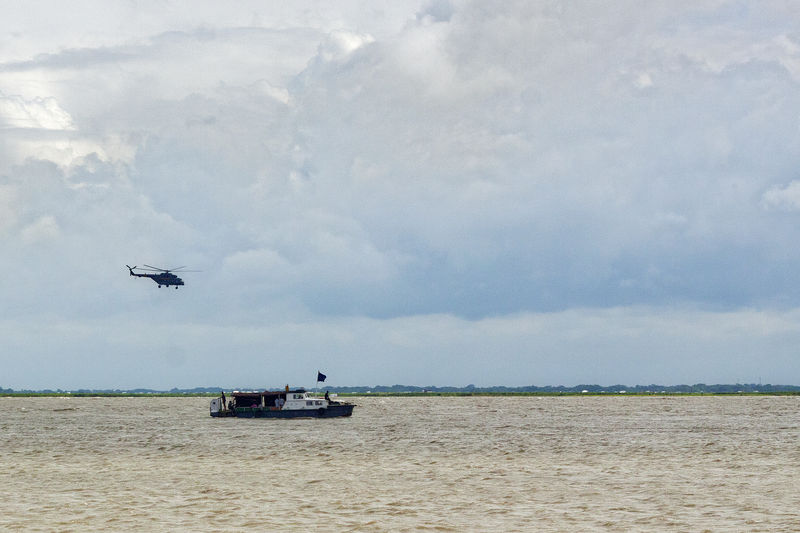
Overcrowded passenger ferry capsized in the Padma River in Munshiganj, Bangladesh

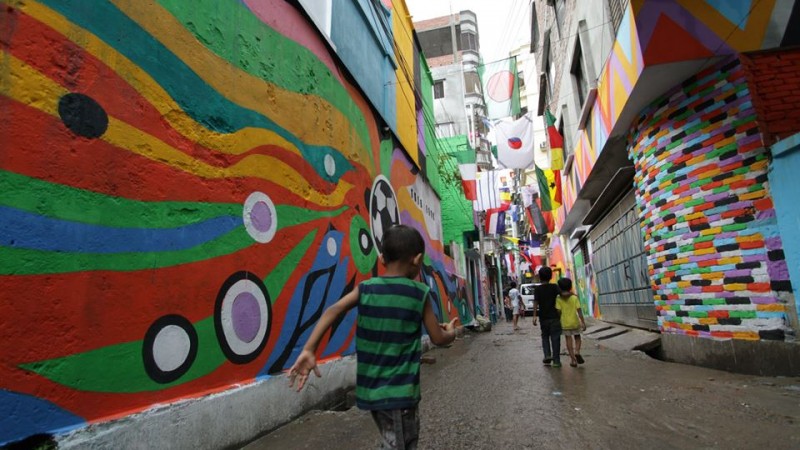
The World Cup Goal-E Project

This street in Bangladesh has a colorful world cup celebration

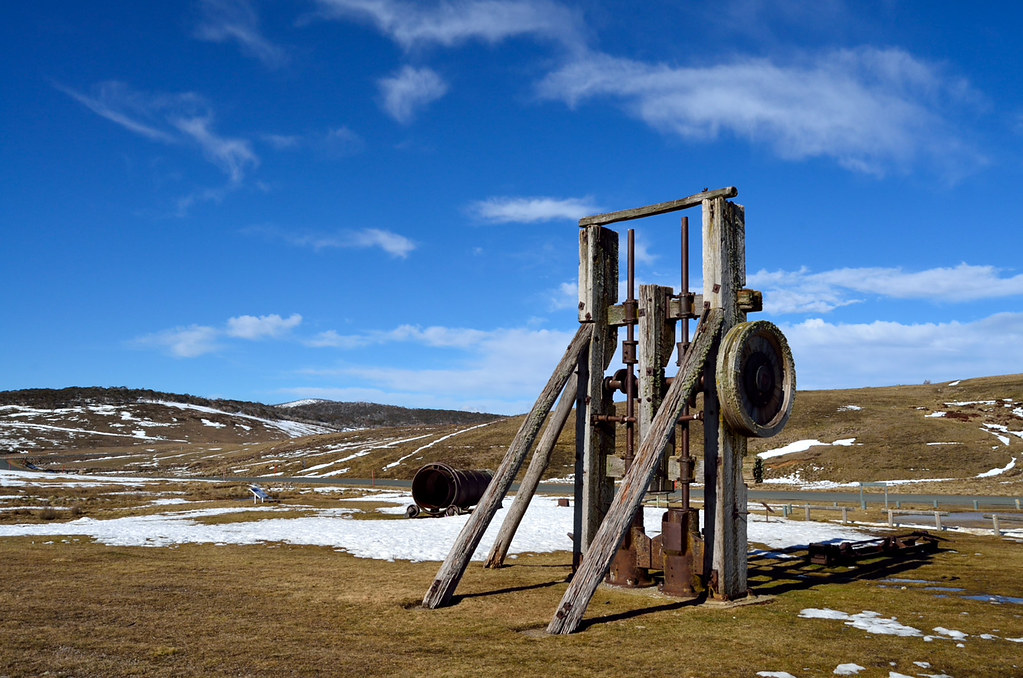
New Chum Hill Ruins

Remnants of Kiandra gold mine at New Chum Hill, #nsw #australia

Showing posts with label Natural Disaster. Show all posts

July 22, 2010

Water Security And Regional Disputes In South Asia

The Himalayan River Basins (Ganges, Bramhaputra, Indus, Yangtze) in China, Nepal, India and Bangladesh are inhabited by around 1.3 billion people. Yes, we are talking about almost 20% of the world’s population and almost 50% of the total population of these countries. These rivers were the lifelines of the ancient civilizations formed in this region. And these civilizations of present day are under threat.

In a recent report by Strategic Foresight Group, a Mumbai-based think tank, titled "The Himalayan Challenge - Water Security in Emerging Asia" some alarming statistics were presented. In the next two decades, the four countries in the Himalayan sub-region will face the depletion of almost 275 billion cubic meters (BCM) of annual renewable water, more than the total amount of water available in Nepal in present day.

Water availability is estimated to decline in 2030 comparing to present level by 13.50% in case of China, by 28% in case of India, by 22% in case of Bangladesh and by 35% in case of Nepal. The factors contributing to this decline are:
  1. About 10% to 20% of the Himalayan Rivers are fed by Himalayan Glaciers and studies say 70% of these glaciers will be melted by the next century as a result of accelerating global climate change.
  2. Glacial melting will eventually reduce river flow in the low season and increase in temperature in some areas leading to deforestation.
  3. Disappearance of thousands of lakes.
  4. Depletion of water resources due to pollution and natural reasons
  5. The reduced riverflow induces more deposit of silt in river bed narrows the depth of river thus causing flooding.

(Narrowing of depth of river caused by silt deposit, is the reason for floods in Bangladesh. Image taken by the author last month from an airplane)

The implications of depletion of water resources are:

  1. The agricultural sector is the major consumer of fresh water. However this sector will be using less water due to non-availability of water leading to less productivity.
  2. The cumulative effect of water scarcity, glacial melting, disruptive precipitation patterns, flooding, desertification, pollution, and soil erosion will be a massive reduction in the production of rice, wheat, maize and fish.
The consequences of the scarcity of water has prompted many countries to train rivers and manage water flow by building dams. But dams effect the river basins downstream. So it has become an issue for regional disputes. China alone has developed plans to build over 200 dams which will effect the downstream flows of the river in several countries.

India vs. China:

The 2,900 km long Brahmaputra River flows through China, India, and Bangladesh, and its watershed includes Nepal, Bhutan, and Burma as well. In 2000, India accused China of not sharing flood data of the flows of Brahmaputra River through the Chinese territory. This resulted in widespread devastation and floods in India killing many people. In 2002 a Memorandum of Understanding was signed between the countries to coordinate water related data sharing.

In early 2003, China conducted a feasibility study for a major hydropower project along the China section of the Brahmaputra River. This project was supposed to divert 200 billion cubic meters of water annually to the Yellow River. This would result in 60% reduction of water flow downstream in India and Bangladesh. In 2006, the Chinese government denied the existence of the plan however this remained a reason for the strained relationship between the two countries. However it was found later that China was building a dam on Brahmaputra.

In April 2010, China assured that the dam on river Brahmaputra will have no impact on the downstream flow of the river into India Bangladesh.

India vs. Bangladesh:

The Indian government has plans to get India’s 37 major river interlinked by 2016 implementing its interlinking of rivers (ILR) project. 25 new dams are planned for the Ganges and Brahmaputra rivers. According to experts the impacts of the ILR on Bangladesh will be the function of many variables, including the alteration of hydrology, river dynamics, ecosystem changes, agricultural productivity, intrusion of salinity and public health. The reason for dispute between both the countries is that Bangladesh have not been officially notified of plans for the ILR project.

India vs. Pakistan:

Pakistan is worried about six rivers (Indus, Chenab, Jhelum, Sutlej, Beas, and Ravi) that flow into Pakistan through northern India, including the disputed state of Jammu & Kashmir and the state of Punjab. Their disagreements lead to the 1960 Indus Water Treaty, which has come under an increasing strain in recent days. India completed a hydroelectric power project on the Chenab River in the Doda district of Jammu & Kashmir by building a dam on 2008. Pakistan is wary of facts that the shortage of flow of water in rivers could cause rapid desertification.

Water issues are not only raising the political temperature between countries but also between states within a country like the river Kaveri is the reason for serious contention between Tamil Nadu and neighbouring Karnataka states.

The Solution:

One thing is for sure if India and China race for building dams to control flow of river within their boundaries without consulting their downstream neighbors then the situation will be volatile leading to unnecessary confrontation and war. The threats cannot be addressed by the unilateral efforts of nations, only regional cooperation can mitigate such tensions.

The Dhaka Declaration on Water Security has proposed an expert committee to prepare a road map for data-sharing and scientific exchange and to prepare guidelines for introducing transparency regarding relevant data.The declaration urges "greater political commitment and data exchange among Himalaya basin countries for collective approaches to the region's water challenges".

Dialogues between the citizens of the countries concerned are needed so that unnecessary escalations can be avoided.The region has to commit to agreements like the Dhaka declaration so that a Regional Information Sharing Network on water resources can be achieved.

(Also published in Future Challenges)

November 18, 2009

Wake Up! The Clock Is Ticking

Imagine you lived in a world of water. Your home is two-feet under. You wade through it, cook on it, and sleep above it. This is the reality for hundreds of thousands of people around the world, coastal populations on the front lines of climate change.

The latest PBS documentary called "water world" shows the effects of climate change in Bangladesh and how it threatens the world.

The situation has become so alarming that Dr. Atiq Rahman says that 'climate change', 'global warming' - these are soft words. We should be referring to this phenomenon as 'catastrophic climate destabilization'.

Dr. Atiq also talks about the climate refugees and the plea to the world to take them. Bangladesh wants $10 billion to fight climate change. But I think the climate refugees issue should be brought forward and plans should be made for their shelters and livelihood.

This video by Shahjahan Siraj of Machizo shows the victims of climate change:

September 02, 2009

Earthquake In Java Island


Evacuate Situation at Indonesia Stock Exchange Building (Jakarta Earthquake 7.1 SR) (Image via Nisaanesta, Twitpic)

Ok. Folks. This is for real. A 7.0 magnitude earthquake hit the Java Island in Indonesia at 2:55 pm. I was in the ground floor of a 2 storied office in South Jakarta and in the middle of a negotiation. Suddenly the floor started to move and soon everybody could feel it. The water in the pool next to the building was really shaking. Everybody was at a loss and I suddenly screamed requesting everybody to get out of the building. I am sure those who were in upper floors of tall buildings could feel it even more horrifyingly.

And it died down soon. I tried to call somebody but the mobile network was not working so the mobile internet was out too. The land phones were working so we could find out that everybody is safe. After about 30-40 minutes I started towards home and amidst heavy traffic I twitted about the news. Long traffic jams occured in business areas as people were running home.

The quake hit 195 kilometers (120 miles) south-southeast of Jakarta on the southern coast of the main island of Java at a depth of 50 kilometers.


View Larger Map

Preliminary reports say buildings collapsed in many districts. Detik.com reports that in District Nagrak, at least 18 houses were damaged by the earthquake. 18 people in Jakarta were injured and they are being treated at several hospitals in Jakarta.

Ap:
The Pacific Tsunami Warning Center said it was powerful enough to cause a local tsunami, but there were no immediate reports of high waves. Less than an hour later it said in a statement that "sea level readings indicate a significant tsunami was not generated" and retracted the alert.

Detik.com:
Until 16:50 pm, panic struck Tasikmalaya, West Java (115km from epicenter). Residents are still outside the home because of aftershocks, which continued to occur. As a result, heavy traffic on city streets.

Bloomberg:
Almost everyone had a phone to an ear, trying in vain to contact relatives and friends as communication lines and wireless services were rendered useless.


Ok the casualty reports are coming.

CNN:

Six people were killed in Indonesia after a 7.0-magnitude earthquake struck Wednesday, officials said.

The quake was initially categorized as magnitude 7.4 before being downgraded to 7.0 by geological officials.


The death toll continues to rise.

15 people according to Detik News:

Tasikmalaya 4
Cianjur 10
Sukabumi 1

Head of Data Center and Public Relations National Disaster Management Agency (BNPB) Priyadi Kardono told AFP on Wednesday (2 / 9 / 2009) at 18:00 pm.

August 28, 2009

Threatening Floods In Bangladesh

According to ReleifWeb hundreds of thousands of Bangladeshis are stranded by floods:

Heavy monsoon rains, which arrived much later than normal this year, have stranded hundreds of thousands in southeastern Bangladesh and threatened livelihoods. According to the Flood Forecasting and Warning Centre (FFWC), there are nine places where river levels are 3-125cm above the danger level. If current rainfall persists - as the FFWC thinks it will - by the end of August over 30 percent of the country could be inundated, the forecast warns.


Here is the satellite photo from Earth Observatory acquired on July 23, 2009 showing the Brahmaputra River:


The situation changed and the inundations can be seen in this image acquired on August 26, 2009:


Earth Observatory:

Although Bangladesh had suffered from drought just a month earlier, heavy rains arrived in August 2009. The overdue monsoon rains had swelled the Brahmaputra River and many of its tributaries by late August.

The images show a stretch of the Brahmaputra River has it passes through eastern India and neighboring Bangladesh. Although clouds obscure part of the river in the later image, its expanded width is unmistakable. In the west, where the river curves to the south and east, tributaries that are barely discernible in late July are conspicuous in late August.

May 24, 2009

Cyclone Watch: Tropical Cyclone Two Alias 'Aila'


Image courtesy Weather Underground

The cyclonic storm Two alias "Aila" will make a landfall tomorrow noon.

From Joint Typhoon Warning Center:

241500Z POSITION NEAR 18.7N 88.4E.
TROPICAL CYCLONE (TC) 02B (TWO), LOCATED APPROXIMATELY 255 NM SOUTH OF KOLKATA, INDIA, HAS TRACKED NORTHWARD AT 03 KNOTS OVER THE PAST SIX HOURS. [..] THE SYSTEM IS FORECAST TO ACCELERATE NORTHWARD AND SHOULD MAKE LANDFALL NEAR TAU 24. [..] TC 02B IS LOCATED WITHIN A FAVORABLE ENVIRONMENT WITH GOOD RADIAL OUTFLOW AND IS EXPECTED TO INTENSIFY TO A PEAK INTENSITY OF 60-65 KNOTS PRIOR TO LANDFALL, AND WILL DISSIPATE OVER NORTHERN BANGLADESH BY TAU 48. MAXIMUM SIGNIFICANT WAVE HEIGHT AT 241200Z IS 18 FEET.

Bangladesh is preparing to embrace.

Update: The death toll from Aila rose to 121:

Tidal waves churned by strong winds have inundated vast swathes of land.

Heavy rains coupled with gales flattened huge tracts of standing crops and washed away numerous fisheries.

They also caused extensive damage to embankments and levees in the coastal districts.

More than 800 people have been wounded and at least 58,450 domestic animals killed, according to the disaster management ministry.


The Army has started relief operation at 12 Aila-affected Upazilas in four districts.

January 30, 2008

Rotten sympathies vs the power of one

After the devastating blow of cyclone Sidr, which has claimed about 5000 lives (unofficial figures) and damages were in billions of dollars, Bangladesh received good responses from world communities. Many nations pledged millions of dollars of donations to overcome this loss. But after two months only a portion of the donations reached Bangladesh.

Pakistan and India had sent rice as aid among other things. This could be an welcome gift to the hundreds of thousands of Sidr victims as the price of rice soared in the country due to inflation. However according to this report 22 containers full of rice sent from Pakistan were found damaged and rotten. Ten tonnes of the rice received from India were also found to be rotten.
Ayub Meah, secretary of the Ministry of Food and Disaster Management, said: “We will urge Pakistan to substitute the same with unblemished rice. But we will not force them to replace the rotten rice since it is not a commercial cargo. It is a normal practice to destroy damaged food items at the port.”
I hope this was due to mismanagement in transport and not for other reasons.

In another news we get to know that an anonymous philanthropist had donated $130 million alone to rebuild the battered life of Sidr victims in the coastal areas of Bangladesh. His/her donation is a far bigger amount than the wealthiest nations in this world. So hats off to this person and he/she is included in my prayers.

I will share with you another story of about a decade ago. When I was working with a renowned trading house of world renowned Electronics brands in Bangladesh, they announced a gift of one TV for each of the members of Bangladesh cricket team to celebrate one of their surprised big wins. This was widely advertised in newspapers. But as per my knowledge these TVs were never delivered to the Cricket team members. I guess everybody forgot.

I sincerely hope that the donors of Sidr victim will not forget and fulfill their pledge.

December 18, 2007

Hips don't lie


(Picture courtesy Canada Eh who comments Shakira has a heart of gold)

..And make a great goodwill ambassador.

The two-time Grammy Award-winning artist Shakira Isabel Mebarak Ripoll (known as Shakira) has visited the cyclone Sidr-ravaged region and Rajshahi in Bangladesh as an Unicef goodwill ambassador. The visit was not widely publicized by Unicef. (details in BDNews24.com)

More from BangladeshNews.com.bd:
“Amid all this calamity, sadness and grief, I saw kids playing, singing and smiling in this semi-destroyed school. It was like an oasis…of relief,” she said, speaking about Child Friendly Spaces, an institution where children traumatised by the deadly cyclone’s devastation spend their days playing and learning.

“This made me think more than ever that the world should focus on providing these safe spaces where the children can grow healthy up in places away from trouble, at least for a few hours,”

December 06, 2007

Cyclone relief efforts via a citizen journalist

Shawn is a 26 year old Canadian who came to Bangladesh for a small, short-term, and self-funded project to see what difference he can make in helping some of the world's worst off.

Read his blog entries which described first hand accounts of the destruction of cyclone Sidr and the relief efforts aftermath.


I am particularly impressed with his video blogging reports from different parts of the country. a must watch. He even got nominated in a video contest and won the 2nd place.

Here are all of his videos hosted in YouTube.

November 28, 2007

In the eye of the storm

BBC's month long project Bangladesh Boat Diary ends with this note:
While exposing the apparent dangers of climate change, the BBC team were on hand to report the horrors of Cyclone Sidr.

Are the two issues connected? Might the ferocity of the storm have been weakened were it not for rising temperatures in the Bay of Bengal? Might such storms become more common in future?
The questions are accumulating but we don't seem to find the answers.

November 26, 2007

Cyclone Sidr related news

* Concern Worldwide's update on the cyclone Sidr damage, relief and rescue efforts.

* The fatal shore: Tahmima Anam writes in the Guardian:
A couple of days ago, someone sent a proposal to a mailing list entitled "Sidr cyclone compensation fund". "What do people think of the following idea? Set up a fund, funded totally by expatriates, to pay cash compensation to families of the deceased? If we set a scale - 5,000 taka (£35) for each adult and 2,500 taka (£17.50) for each child." The fundraising target was set at $275,000 (£133,000), to be raised through global appeals.

Other people replied almost immediately. Some were uncomfortable with placing a price on the victims. "Your suggestion is crude," wrote one. "How do we know whether the victims' families are the ones most in need?" Another person responded: "Can we give the money to the women of the household? Less chances of the money being spent on hooch and gambling."

The fund was set up by the following morning. A name was found (United Bangladesh Appeal); $100,000 has already been pledged.
* Aid and Brand recognition: US also creates some brand awareness in a muslim country.

* A thanksgiving toast from Bangladesh: A CNN journalist remembers what thanksgiving is all about.

* LSU helps Bangladesh save lives with storm surge models.

* Report in a Norwegian newspaper Aftenposten.no

* Photo Essay- Cyclone Sidr: Bramwell Ryan, a Canadian Salvationist journalist working in Bangladesh posts a 5:17 photo documentary in the rubicon. Look for more of Ryan's reports from the Slavation army International site.

* After cyclone, Bangladesh faces political storm: soaring food price is another disaster the government faces.

More aid intiatives:

* Shawn of the Uncultured Project is live-blogging his aid initiatives from the disaster ground.

* Pics, videos, posters, fliers and list of charities for Sidr victims.

* Mikey Leung, a Canadian expat living in Bangladesh: Cyclone Sidr devastates Bangladesh, please help

* A cyclonic perspective from Ashley Wheaton, an expat working in the clothing industry who looks at what poverty means in Bangladesh:
Living in a country like Bangladesh constantly forces me to redraw the lines around my mental conception of poverty. A factory worker seems hard done by until you meet the construction worker. The construction worker earns your sympathy until you see the child collecting trash. The child is then outdone by a disabled beggar... When I was not immersed in this reality it was easy to treat them all as poor, to condemn all of the conditions they faced as equally bad. But in reality the poverty here is extremely complex and it isn't realistic or meaningful to treat each person's poverty as if it were the same.

So what does one do? How does one wrap their head around it all? That's the tough part. I'm still working on it, and a long way from finding any answers I'm afraid. I constantly question and constantly fail to come to a clear conclusion. It's frustrating, but perhaps it is best not to try to pack these predicaments into neat little boxes.

I also face this confusion in my current job. I work for a textile company. We exist because labour here is cheap, because people are willing to work long hours in factories to earn their living. We do not pay them what you or I would want them to be paid. We cannot. If we did we would go out of business and everyone would lose. We try our best to improve, to make things better, to reach lofty goals, but it's not easy. The market and the global economy are against us. I find it frustrating, and yet I also find it rewarding to know that the people I am working to help are not carrying bricks on their heads and their children are not collecting garbage. Is that enough? Of course not. Is it something? Yes, it's something. And hopefully there is much more to come.

Using SMS for raising funds

Dina Mehta highlights the efforts in Bangladesh using simple SMS to get people to donate for the victims.
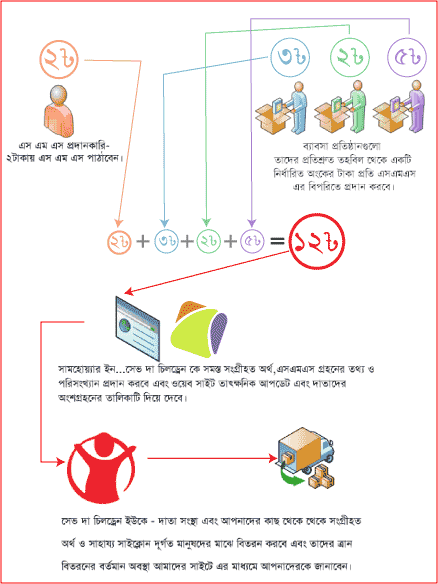
Bangla blogging platform Somewherein, in association with Save the Children, has launched an innovative SMS based campaign “Jagoron” (which literally means ‘the awakening’) to enable those living in Bangladesh to do their bit in aid of Sidr victims. The campaign works as follows:

A mobile phone user types SAVE and sends SMS to a given number. Each SMS costs Bangladeshi Taka (BDT)2. Then Somewherein and other sponsors add a certain monetary figure, currently standing at 15BDT (this is a dynamic figure which will go up as more corporate sponsors join the campaign) for every BDT2 generated through the SMS and the total amount is deposited in the Save the Children Cyclone Relief fund.

For those living outside Bangladesh, Somewherein requests them to send their donations directly to the Save the Children Cyclone Relief fund as this SMS facility is available for local residents only.

She wonders whether an application like Twitter can enable donations like this on a larger global scale!


So far more than 6000 sms has been sent and 100,000 BD Taka has been raised.

Dina also notes the Bangla Blogging Platforms use of sms blogging tool:

well its very simple…the blog gives directions @bba eg., @bba curfew relaxed from 8am to 10pm. send to 5455. and it gets posted on the blog, that’s it. and the right hand bar of the blog reflects the comments. since its sms generally comments are short. but people are now using it even to wish happy birthday or send general messages :). its useful and fun! and taps the Asian’s love for texting :)

For the Sidr Victims in Bangladesh: need of the hour

Prominent writer Anisul Haque wrote this in Prothom Alo questioning some Bangladeshi's attitude of negligence towards the cyclone Sidr victims. The piece is translated by Asif Saleh of Drishtipat.

Need of the Hour

- Anisul Hoque


I feel really mad at myself at times like these. In fact, I feel like spitting on myself. What sort of shenanigan is going on these days? I have just returned from sidr hit Patuakhali and Borguna's worst hit areas. I can already hear people requesting others to ask for help in a low voice. The background score is attempting to create pity for the victims. "Man needs to stand by another man", "Reach out with your helping hands", etc, etc. How poetic and beautifully rendered words being displayed in radio, television and newspapers. Many kind of humanitarian appeals have appeared. They are asking for help and coming up with various innovative ways to raise funds. Now there will be poetry recital for sidr victims, plays, art exhibitions for fund raising and what not. I feel like a phony and so does everyone around me. I myself is part of this middle class shenanigans.

I know those who are doing this (and I myself have done this many times) have noble and kind goals. But what will be the outcome of these funds? Today is Nov 24th, 2007. It has been eight days since Sidr struck. For the past eight days, hundreds and thousands of people are homeless. Having just lost their family members, these mourning and penniless people have spent sleepless nights under open sky. They don't have any work. They don't have a penny. Gone are their crops, the fishes from the pond, the cattle, the boat, the nets, their life savings - EVERYTHING !! The water of the tube well is rotten, the water of the pond is polluted by saline water from the sea. Even that water is carrying the dead bodies of livestocks. These people don't have a single thing. What have they eaten in the last eight days? What have they drank? How did the skeletal children of theirs pass such cold nights of winder? Have we ever thought about it?

We are now making relief committee? We are asking people to contribute? We are saying we will sing songs, do poetry and collect money?? When will this money be raised? When will they reach these people? Have you ever thought about that?

After directly talking to these people and having seen their sufferings, I have created a list for all of us -- the must dos for all of us based on the need of the hour.

What we, the average citizens, can do?

We shouldn't waste collecting funds for people now. Whatever we have, we should scamper to the affected areas. We need to stop going to the same areas and giving relief to the same people. Rather, my advice for those whose hometown is in the coastal areas, is that they all should go home to their own villages. They should take food with them with rice and daal often being the best choice. The sufferers can barely lit the stove and cook rice for food. They don't consider any thing else to be proper food. If you take matches or candles, it may come of some use as well. Its good if you can take water. But since the communication system is not in functioning order, it may not be feasible to take a lot of water. It would be great, if deep tube well can be placed. This can be done after doing area wise research to find out whether the shallow tube wells can raise enough water.

Those who are not from those areas should also immediately rush there with relief. But please promise that you will reach the remotest areas where no one has gone before. Don't go to the same areas where others are going and distributing relief to the same people repeatedly. If you cannot take food with you, take cash. Give some cash on a per family basis. Even after lot of the roads are destroyed, the markets are still open and goods are being transported by boats. If people have money, the business people themselves will bring the food and other important goods on their own initiative.

It will be nice to give warm clothes as well. But the primary need of the hour is food and water. Then they need medicine. So form your own medical team and rush there with medicine and do treatment in health camps for 7 days. You will save many lives. People will build their houses themselves later, perhaps. If they get the cash, they will figure out their own priorities themselves. We think the next 10 days are EXTREMELY CRITICAL! If you can help these people to survive the next 10 days, they will be able to manage after that. By then the government's Vulnerable Group Feeding (VGF) program should start as well.

What the government should do?

1. Identify the damages and assess the needs as fast as possible.

2. Start the VGF program really quick in the affected areas. The government of Shaikh Hasina did this during flood with help from the army and this was done very efficiently. This time as well, it is essential to have this work coordinated between local government, the local civilian administration and the army.

3. Put in deep tube well to get clean drinking water. If they can put in 500 of them in the entire coastal belt, the scarcity issue of drinking water will greatly be resolved.

4. Take emergency measures to restore the communication system. If needed, the engineering division of the army can be utilized for this purpose. It is very unfortunate that after so many days, all of the ferries in the area have not been restarted.

5. Restore various utility services like electricity and telephone.

6. Reach the areas which are unknown and where it is impossible for average citizens to reach

7. Send a medical team to every single affected union.

8. Create coordination cell in every district headquarter and upajila sadars. These cells will help (not supervise) with information those who will do relief work from the non government sector

What to do for the long term?

[the long term list has been truncated for focus and brevity ]

I criticized the fashionable do gooders and feeble attempts for relief fund raising in the beginning. But it is truly the time to stand up for humanity now. If you can, please rush to a remote char area TODAY. If you can not, after a few days, please by a family a cow or a boat or a fishing net. Even if one life is helped by that, wouldn't it make our life and existence more meaningful?

[First published in Prothom Alo on Nov 24th]

November 24, 2007

Know your enemy

It has been more than one week since cyclone Sidr devastated Bangladesh's Southern coastal region. The official death toll is still at 3199 but the unofficial death toll crossed 6000. Millions of families are displaced and are homeless now. Economists predict US$ 65 billion will be the loss of the nation.

The UN said in a report:
Cyclone Sidr has affected about 4.7 million people in worst-hit districts and a further 2.6 million people, most of them the "poorest of the poor", are in need of immediate help,. (BDNews24)
These people have to be fed up to three months and many still haven't been reached to hand over the aids available. There have been overwhelming response from the local and international community in monetary aid.

However the call of this hour is to reach these aid to the people in remote areas. The armed forces of Bangladesh are so far doing the best they can with their limited resources like helicopters and boats. As I mentioned earlier, Bangladesh needs more helicopters, water purifiers, volunteers, medical helps. I hope the international community keeps these in mind too. One country (name withheld) pledged 5000 Euro for the victims. I don't want to undermine anyone's good wish but really they would do better if they could send a medical teal or lend some helicopters that would be something effective for the aid of the victims.

Two US ships USS Essex and USS Kearsarge are in Bangladesh waters to help in the relief efforts. The US embassy in Dhaka said that each of the ships are carrying 23 helicopters and six small planes which will be used for medical evacuations and surveying the affected areas by approx 1500 US marines. They are also equipped with water purifiers and purified water is of urgent need of many survivors.

While this is happening we see that Hizbut Tahrir Bangladesh, a Branch of Hizbut Tahrir is protesting the arrival of US navy ships in Bangladesh. Hizbut Tahrir is an international, Sunni, pan-Islamist vanguard political party whose goal is to unite all Muslim countries in a unitary Islamic state or caliphate, ruled by Islamic law and headed by an elected head of state.

While the Bangladeshis in the country and abroad are doing their best to help these victims from own resources with innovative ideas like sms aid campaigns and pledging to the international community for more donations you can check the Hizbut Tahrir site that they are silent about the issue. Their priority is to build a caliphate at the expense of all these victims and they don't like the US marine to help save lives. It can be lauded that the police forces have taken action against its spokesman. But it will be befitting to expose their intentions to the common public.

I guess even a dumb person can recognize who is the enemy of the people. Down with political Islam. Hizbut Tahrir should read Abdul Kargbo's post "Compassion Does Not Recognize State Boundaries" for a change:
"At the end of the day, the only thing that matters is that people—regardless of who they are or where they’re from—are capable of feeling compassion for others, even if they are geographically distant. That’s something to celebrate, not question."
Kathy has more updates on the post cyclone relief.

November 19, 2007

Traveling

I will be traveling for the rest of the week and will have limited internet connections. So updates on Bangladesh cyclone will be almost non-existent.

[BDNEWS24.com] The confirmed death toll from the cyclone reached 3,113 by Monday, while 3,322 are injured and 1,063 missing. Two C-130 aircraft of the U.S. Marine Corp arrived in Dhaka on Sunday night with medical supplies. The King of Saudi Arabia has announced a $100 million grant for the victims. Riyadh would also airlift 300 tonnes of food and relief materials.

Check the Daily Star's update on Monday. The statistics of the destruction of Sidr are horrifying:
The total number of affected families stands at 1.05 million, representing more than 4.08 million individuals.

Crops on 29,374 acres of land have been completely destroyed and on 8,55,525 acres have been damaged partially, according to the government assessment.

The number of completely destroyed houses stood at 300,511 yesterday and the number of partially damaged houses was 626,000. Besides, 384,000 trees have been damaged.

Some 792 educational institutions have been completely destroyed and 4,393 were partly damaged. Embankments of about 57 kilometres (km) of length have been damaged, and 58km of road has been destroyed completely while 87,948km of road has been partly damaged.
The main challenge in helping the Bangladesh cyclone victims is to reach to the remotest of areas in Southern Bangladesh. There are hundreds of small floodplain sediment island or chars for which the government has no records. These people may not have been existed in any book to be included in the early warning efforts. Thats why the death toll is rising after 4 days.

This report will shed a light to the needs of these people:


So efforts should be made to dispatch the aids to these remote areas. Bangladesh has only a few civilian helicopters. The military and Air Force helicopters are being used in most of the relief works. I have not yet seen any country providing means of transport in the relief work.

Also read TIME magazine's "How Bangladesh survived the Cyclone"

Via Bangladesh from our view we see how the slum dwellers in capital Dhaka are coping with the damages that the category 3 cyclone brought them.

ACT NOW: How you can help Bangladesh cyclone victims.

November 18, 2007

The forgotten Operation Sea Angel

From Mash's Blog:

Let me tell you a story of a disaster that you have probably never heard of and the overwhelming American response that you should know about.

In late spring of 1991 a US Navy Amphibious Task Force (ATF) returning from the Persian Gulf war was diverted, on order of President George H.W. Bush, to the Bay of Bengal.

A Bangladeshi citizen, rumor has it, on seeing the ATF approach from the sea, called them "Angels from the Sea." Thus began Operation Sea Angel, one of the largest military relief operations ever undertaken.

Less than two weeks ago, on the evening of April 29 1991, Cyclone Marian, a storm with top sustained winds of 160 mph (Category 5), made landfall as a strong Category 4 storm (155 mph) along the coastline of Bangladesh. The resulting 20 foot high tidal wave killed over 138,000 people and left over 5 million people homeless. Marian was one of the deadliest tropical cyclones on record.

The new democratically elected government in Bangladesh, overwhelmed by the massive scale of the devastation, requested urgent assistance from foreign countries. While relief goods had been stockpiled before the cyclone, most of Bangladesh’s lift capability and almost all of the infrastructure had been wiped out by the force of nature’s onslaught.

The United States responded on May 10 1991 by launching Operation Sea Angel, a relief operation that involved over 7000 US soldiers, marines, sailors, and airmen. The man leading the effort, Lt. General Henry Stackpole, declared, "We went to Kuwait in the name of liberty, and we’ve come to Bangladesh in the name of humanity."

Operation Sea Angel was massive in scale and massively successful:

...

The relief efforts of U.S. troops are credited with having saved as many as 200,000 lives.

…

The US effort not only saved lives, but it also won hearts and minds. A Bangladeshi human rights blogger, Rumi Ahmed, who lived through the events recollects in a post commemorating the events:

The first American I have ever met was a soldier, probably a member of US marine corps. I saw him in Bangladesh. He was dispatched to Chittagong, Bangladesh after the deadly storm of April 29 1991. I was hustling across [t]he crowded lobby of Chittagong medical college hospital when I spotted an area where the crowd is a little denser than the rest of the lobby. A well built Caucasian man in battle gear, sun burnt skin, walking across carrying a Bangladeshi toddler on his shoulder. The toddler, clearly a victim of the recent cyclone, was vomiting all over the marine’s body.

The soldier was in Chittagong as a part of operation sea angel.

In response to Rumi’s post, it is heartening to see comments from some of the American servicemen and women who took part in Operation Sea Angel. Sixteen years after they first won hearts and minds, they continue to do so.

In just over one month the United States military executed what would become a blueprint for successful relief operations. The success of Operation Sea Angel contributed to the establishment of military doctrine on relief operations and on inter-agency coordination during joint operations, both of which provided ample lessons learned that could have been applied to Katrina and Iraq.

Operation Sea Angel demonstrated the tremendous soft power of the United States. It also demonstrated the lighter side of force projection. It showed the capability of the United States government to respond to natural disasters anywhere in the world when there is will within the executive branch to commit the resources necessary to recover from a humanitarian crisis. The United States military overcame significant barriers of lack of infrastructure, broken communications lines, challenges due to massive flooding and collapse of levees, lack of coordination between local and central governments, and the demands of a large population on the brink of starvation and in need of immediate relief.

Two US Navy ships are on the way to Bangladesh to assist in the relief operation of the cyclone Sidr Victims. Will many lives be saved by the angels again?

Related:

A member of the Operation Sea Angel blogs.

Sidr news updates

Shocking news from Bangladesh via BDNEWS24.com:

Bangladesh Red Crescent Society Sunday said the death toll from cyclone Sidr may touch 10,000 (official death toll surpassed 2,200 Sunday and a government official declared the disaster "a national calamity").

It will take several days to complete the search and know the actual casualty figure and extent of damage to property. Red Crescent officials said some 1,000 fishermen and about 150 boats were still unaccounted for in the Bay of Bengal.


Eyewitness accounts say that in Dhaka (around 300km from costal areas) many trees were uprooted or flattened by the force of category 3 cyclone. Just imagine how it was for the remote habitats of the southern coastal areas which faced the category 4 cyclone blow. From BDNEWS24:

- Communities in the affected south and southeastern areas are reeling from the intensity of reported 250 kmph (155 mph) winds and unexpectedly high tidal surges (10-15 feet).

- Houses in many areas have been reduced to piles of broken wood and twisted corrugated iron sheeting. Phultali bus-stand near Barshal was strewn with large billboards, stacked one on top of the other.

- Mile after mile of betel leaf plantations had been levelled, with coconut trees decapitated and few crop fields salvageable.

- Navy ships scoured coastal areas and sought to clear river channels clogged with sunken vessels.

- The relief operation has been hampered by a huge number of downed trees on the roads and highways, which has severely restricted movement in the area.

- In many areas, 95 percent of rice crops due to be harvested in a few weeks have been badly damaged, officials said. Hundreds of shrimp farms have also been washed away.

- Staying out under the open sky, thousands of survivors in Barguna are now begging for a glass of water, forgetting about the inadequate relief and shelters.

More summary of the cyclone from The Daily Star, Monday's update.


Shahidul News has a touching report "I’ve buried eleven. Just hand me a biri".

Relief efforts:

- Bangladesh Armed forces hand relief to cyclone victims.

- 2 US navy ships are coming to to facilitate rescue work in the cyclone-ravaged south.

- Aid starts pouring in for cyclone survivors. Over $25m pledged in international help till Sunday. United Nations Development Programme (UNDP) and United Nations Children's Fund (UNICEF) have promised US$ 7m and US$ 6.8m financial grants respectively. The United States have promised US$ 2.1m, UK US $5m, and a UK based NGO US$ 4m.

Unique Tribute:

Telegu Portal reports:
Hundreds of people in Orissa paid tributes to the victims of the cyclone that killed over 1200 people in Bangladesh.

People thronged the Puri beach, 56 km from here, Sunday and paid tributes near a sand sculpture created by sand artist Sudarsan Patnaik with students of the Golden Sand Art Institute.

The sculpture showed the high tides and scattered body parts with a message near it that read ‘Help the Cyclone Victims’.

How can you help:

- Association for Bangladeshi Students: Virginia Tech

- Reaching out to Sidr Victims

- Help Bangladesh

- Sidr and what we can do from abroad

Related:

How can you help Bangladesh cyclone victims?

The demon that was in the cyclone Sidr.

The aftermath of Hurricane Sidr: signs of progress?

Sidr strikes Bangladesh

Cyclone Sidr: Blogger experiences and reactions

November 17, 2007

How can you help Bangladesh cyclone victims?

I have seen the overwhelming concern of the international citizens over the devastations of the Sidr cyclone that battered Bangladesh leading to a death toll of thousands (now more than 3500), 95% loss of crops in the devastated areas, almost a million destroyed houses made more than four millions homeless and many more miseries to follow. The people were only recuperating from the loss from the devastating floods in the northern part of the country a few months ago.

The Bangladesh Government is doing their best with its limited resources. Its a tough job to cater relief to 3 million homeless people. This will put great pressure on the government, the economy, and the people themselves.

The International community is lending their hands pledging millions:

- The biggest local NGO has released $1 million in their relief efforts.

- The United Nations has pledged several millions of dollars in aid.

- The European Commission said it is sending $2.2m in emergency relief to Bangladesh.

- Germany has released $293,000 in emergency relief aid to Bangladesh. The money will go to German relief organizations working in cooperation with local partners to alleviate suffering caused by Cyclone Sidr.

- Government of Ireland announced that Irish Aid will make up to €500,000 available to assist those affected by the devastating cyclone in Bangladesh.

- The World Food Programme sent 98 metric tons of emergency food rations for 400,000 people.

- International Federation of Red Crescent has allocated CHF 250,000 from the Federation’s Disaster Relief Emergency Fund (DREF) to respond to urgent needs ahead of the results and recommendations of ongoing assessments.

- The International NGOs in Bangladesh like World Vision are already active in relief and rescue efforts.

Now have you noticed that most of these aid will find their way through the different NGOs working in Bangladesh? This has been a trend after the 1988 flood because earlier aid was distributed through Government channel and massive corruption due to lack of professional expertise and mismanagement occurred and the needy did not get the relief.

Individual people like Sheril are willing to do something:


Now I am appealing to the international community how they can do their bit in helping Bangladesh. First we need to understand the requirements of the victims of the cyclone:

- Provide shelters and food for those who are displaced/lost their homes.

- Rehabilitation efforts - rebuilding houses - aid in building materials and food for work projects will work best.

- Provide earning for them - rescue the damaged crops and give them loan to work on the next cultivation.

- Keep the nations economy in full swing for the government to recover the loss.

What the international community can do? Just donating some money to any organization may not be the effective way.

- Appeal to your Government to lend a hand to Bangladesh. Encourage them to pledge some long term and fruitful steps like building/maintenance of more cyclone shelters across the coastal areas (you have seen how they save lives) or some sophisticated early warning systems.

- Can any Government help Bangladesh have sophisticated equipments in the met office? Can any organization help build more met offices across the country?

- Help Bangladesh economy recuperate. Appeal to your Government to stop imposing any restrictions on import of Bangladeshi products. It is not a dumping issue. Countries like China has cheap products because of economies of scale. But in Bangladesh its because of cheap labor which earns livelihood for millions of workers and their families. If they are out of job then we have another humanitarian crisis adding to this.

- Appeal to your business community to help Bangladesh economy by importing more of Bangladeshi products or investing in Bangladesh.

- Buy a Bangladeshi product! I am sure you will find a cloth "Made in Bangladesh" in your local chain shop. They may be not impeccable but I can promise you that they have a high standard. If you buy more cloths it will prompt Bangladesh to export more, setting up more clothing related industries, employ more workers who are unemployed now and help Bangladesh make up the economic loss of the devastation of Sidr. And you can be proud that you have played a part in it.

- Buy a Jute product from Bangladesh. The natural fiber is environment friendly and cheap.

- Choose aid organizations wisely. You better would like to know where your money ends up (even it is a small amount). Is it spent for the victims or the new SUV for the local NGO? Are you sure this is not a fake religious NGO who may use it for their political causes?

- The best is to collect fund from the community and dedicate this to some specific causes. Say a cyclone shelter may need USD 10000-20000 to build. If say 200-1000 people can raise this fund and give it to some organization to build the shelter then they may save hundreds of thousands of people from the cyclones in future for say 30-40 years. What a better way to use your asset?

More efforts:

Dristipat has details to mobilize public effort and how and where to donate.

Power blogger Andrew Sullivan appeals to help Bangladesh.

- Association for Bangladeshi Students: Virginia Tech

- Reaching out to Sidr Victims

- Help Bangladesh

- Sidr - what you can do

- BRAC = ACTION, Staff quickly respond to help, What You Can Do

- Different ways to donate

Related:

- Sidr News update -Bangladesh Red Crescent Society Sunday said the death toll from cyclone Sidr may touch 10,000 (official death toll surpassed 2,200 Sunday and is nearing 3,000 by the end of Monday. A government official declared the disaster "a national calamity").

The demon that was in the cyclone Sidr.

The forgotten Operation Sea Angel by the US Navy

The aftermath of Hurricane Sidr: signs of progress?

Sidr strikes Bangladesh

Cyclone Sidr: Blogger experiences and reactions

Quote of the day

"When another cyclone hit Bangladesh in 1991 the death toll stood at about 140.000. SIDR is reported to have been at least as fierce as the cyclone in 1991. In the midst of tragedy we therefore also rejoice that Bangladesh this time was much better prepared and able to reduce the impact. Cyclones will pass over Bangladesh in the future again; Bangladesh is strong and prepared. I often get asked this question by visitors ‘Is the development work making any difference in Bangladesh?’ The preparedness for this storm, and the relatively low impact of SIDR, is a sign that yes in Bangladesh it is not just the same old story."

- The Blog of Lamb School, Bangladesh

November 16, 2007

The demon that was in the cyclone Sidr


Photo: Dhaka in the dark Friday evening (the day after) - courtesy The Daily Star

The descriptions of the destructions that cyclone Sidr brought to Bangladesh are coming to appear. Sidr was one of the 10 fiercest cyclones that had hit the region of Bangladesh in the 131 years between 1876 and 2007.

Bangladesh suffered a total disruption of power and can you imagine the national grid broke down because of low usage. Because of disruptions in the cyclone many electricity networks were shut down in the coastal areas and elsewhere in the country to minimize short circuits etc. The underutilized power has prompted an overload in the total network which shut down all power stations one by one. They are coming back online but the authorities say maybe it will take 1 or two days more to become normal. Meanwhile in Bangladesh Telecommunications were dead in most parts because of no power. The city life has been disrupted. The latest from the news sources:

- Unofficial death count crosses 1100. (AP)

- The Bagerhat district administration said violent winds ravaged 1,62,000 houses. At least 51,000 houses were partly damaged.

- A huge number of trees uprooted by cyclone Sidr blocked the Dhaka–Barisal Highway and several other tertiary roads in the country’s south.

- As many as 20,000 thatched houses were damaged by the storm and 5,000 houses were partly damaged in Pirojpur.

- The World Food Programme is sending emergency food rations for 400,000 people. The government, the Red Crescent and other NGOs are also sending teams.

- More than 40,000 policemen, soldiers, coastguards and health workers have been deployed. (BBC)

- Members of Bangladesh Navy have been engaged in disaster management and rehabilitation activities in the cyclone-hit country's south-western region.

- Zia International Airport in Capital Dhaka reopened after 20 hours of closure

- Operations at main Chittagong port also resumed after a suspension lasting nearly 48 hours.

- Due to lack of power supply, Internet connections were also disrupted even for those who were running their computers using generators. This has happened because the Internet service providers had ran out of their backup power systems.

- The cellphone services were disrupted as phone network base stations, most of which are equipped with backup batteries and some with generators, ran out of power. As a result, cellphone service in many areas was unavailable.

- The state-run Bangladesh Television (BTV) in the country's 36 years of history had to suspend its transmission for the first time for nearly three hours yesterday due to power outage.

- Ecological disaster in Sundarbans feared.


Photo: Courtesy The Daily Star

- Cyclone ravaged 95 percent crops in 11 coastal districts. Farmers were currently trying to recover their losses caused by two recent floods.

- Many of the Shrimp hatcheries in Satkhira, Khulna and Cox's Bazar were washed away by the hurricane.


From the Blogs:

Image credit: CIESEN, Columbia University

-Dr. Jeff Masters of Wunderblog analyzes:
population density map of Bangladesh for regions less than 10 meters in elevation (red areas) and higher than 10 meters (green areas). The path of Tropical Cyclone Sidr took it inland over the Sundarbans Forest, the least populated region of the coast. However, the more heavily populated provinces just to the right of the Forest, Barguna and Patuakhali, likely received a storm surge of 10-20 feet. Sidr passed near the city of Barisal, where sustained winds of 92 mph were measured at midnight local time. The deadliest cyclones for Bangladesh have always taken a more easterly track, near the city of Chittagong.

The maximum storm surge from Sidr was probably 20-25 feet, and affected the regions near and to the right of where the eye made landfall. The eye fortunately came ashore in the Sundarbans Forest, the world's largest forest of mangrove trees. This region is the least populated coastal area in the country (Figure 1). Storm surge levels of 10-20 feet probably affected the provinces of Barguna and Paruakhali, which are more heavily populated. Undoubtedly, the storm surge killed many more people in these provinces, and Sidr's death toll will go much higher. However, Bangladesh has done a much better job providing shelters and evacuating people during cyclones since the 1991 storm.
- Tropical Weather Expert Dr. Steve Lyons analyze in the weather channel blog why there was huge surge in Bangladesh.

- BBC is particularly keen to follow up a story that has appeared in the Bengali press. It says that royal Bengal tigers took refuge from the storm in one village deep in the Sunderbans mangrove forest alongside local people.

- Oxfam fears huge humanitarian impact.

- Rumi of In the middle of Nowhere lists more updates of the day after:
Unprecedented damage to property and cattlehead are being reported from Bhola ( eye of 1970 Bhola Cyclone) and other southern districts in Bangladesh. Aerial footages show that miles after miles, villages after villages have been turned into a total rubble. It feels like 10,000 tornados simultaneously ravaged a 200 mile radius area.

As the category 4 cyclone had its landfall near Sundarban, irreparable damage have been done to the flora and fauna in the Sundarbans. It will take many years to know how mnay of several hundred Bengal tigers survived the 20 feet tidal waves.
- Ajaira Pechal posts links of aid organizations who are accepting donations for the victims.

- See picture of a new born boy who was born during the wrath of Sidr and was aptly named Cyclone, thats a unlucky name.

- Kathy comments in Nari Jibon's Bangladesh from our view:
Dhaka experienced a Category 3 hurricane; friends reached via mobiles (cell phones) report that residents have had little or no power or water since the storm. Signs of Bangladeshi resilience are everywhere.
Finally good news from Shawn at The Uncultured Project that lives are slowly returning to normal in Dhaka City:
I kid you not - people are cheering on the streets and in their homes nearby. The reason? The electricity has come back to my little part of Dhaka City. What surprises me is the determined nature for Bangladeshis - at least those in Dhaka City - for things to go back to normal. If this had happened in America - this would be declared a national emergency. TV shows would be pre-empted and this would be covered 24/7. But, for the brief hour I had electricity today, it seems that even local TV stations didn’t bother to pre-empt their programming to cover the damage from the storms.
yeah talking about Bangladeshi resilience.

Related:

The aftermath of Hurricane Sidr: signs of progress?

Sidr strikes Bangladesh

Cyclone Sidr: Blogger experiences and reactions

The aftermath of Hurricane Sidr: signs of progress?

BDNEWS24.com & BBC are reporting:
- At least 250 people killed. Barguna had 77 deaths, Barisal 52, Patuakhali 40, Bagerhat 15, Khulna 11, Gopalganj 10, Bhola 15, Satkhira 13 and Faridpur 10, as storm surges nearly five-feet high slammed into 15 coastal districts.

- Hundreds of fishing boats caught in the cyclone failed to return to shore. Red Crescent officials have said at least three villages were flattened by the storm. Search and rescue efforts had been initiated by civilians, army and police, and the casualty figures will rise.

- The storm packing winds of 240 kph (150mph) continued its severest onslaughts on the southern coast from about 5:30pm Thursday to early Friday when it weakened into a tropical storm and was moving across the country to the northeast.

- Communications and electricity supplies snapped across the country. Most parts of the coastal region was virtually blacked out during the night.

- The capital Dhaka had power and communications link cut off as driving rains flooded some streets and strong winds sent billboards flying through the air. Buildings and roofs were shaken by fierce winds during the night, and that by morning power and water supplies had been cut.

- Earlier hundreds of thousands of people were evacuated or sought safe shelter before the storm hit the coast, but some were left behind.

- International Federation of Red Cross And Red Crescent Societies (IFRC) bulletin on its cyclone preparedness programme (CPP) incorporates the services of over 34,000 BDRCS volunteers, reaching approximately 1.1 million people.

Considering the force of the cyclone which is bigger than Katrina in USA (2004) and the 1991 cyclone in Bangladesh I would say that the casualties are much much lower. These days Bangladesh has learnt the lessons. Now it has more sophisticated early warning systems and cyclone shelters to save hundreds of thousands of people.

I still remember the TIME article “cyclone of Death” published just after the 1991 cyclone (left more than 140,000 dead) which quoted from Rabindranath Tagore’s Sea of waves:

In the twinkling of an eye it ended! None could see

When life was, and when life finished!


James Walsh wrote:
“A world used to human-scale catastrophes — plane crashes, say, that kill a few hundred at most — cannot absorb the biblical dooms that visit Bangladesh. Straddling the conjoined mouths of the Ganges and Brahmaputra, two of the Indian subcontinent’s mightiest rivers, the country is regularly drowned by flood crests surging downstream or scourged by whirlwinds from the sea. Of the 20th century’s 10 deadliest storms, seven have devoured their victims at the head of the Bay of Bengal.”
BBC report about memories of the 1970 cyclone:
Water mark more than 20 feet high in Bhola. Hundreds of thousands of people were caught in sleep when death came along with tidal surges via the river (there was no early warning system).
Facing the challenge of this mega cyclone Sidr and keeping the figures under couple of hundreds in a populous land (of 140 million) is truly a sign of progress if one should compare. Its true because of lack of resources we cannot expect Bangladesh to be more perfect in disaster management but this proves Bangladesh is on the right path and more awareness and experience are needed to tackle the changing climates and the wraths of the nature.

Razib asks is Sidr a sign of progress?
"I repeat this litany to offer optimistic note: things are getting better! Bangladesh is a depressing kleptocracy, but it muddles along, and the arrow of progress is in a positive direction."
Earlier in 2005 I wrote about Hurricane Katrina and compared with Bangladesh. Commentators praised the survival instincts of the Bangladeshi people, their ingenuity in the face of adversity and their culture of hard work and the courage to start all over again.

Update I: Reuters reports quoting local authorities and Red Crescent Society that the the death toll has risen to 348. The official count is 247. Fakhruddin Ahmed, chief of Bangladesh's army-backed interim government, flew to some devastated districts on the coasts of the Bay of Bengal on Friday, to see the extent of damage to lives and property.

Care rushed aid to affected areas.

Stunned villagers recount storm terror:
Madaripur, Bangladesh - "I have never seen such a huge storm in my life," Nazrul Islam said, surveying the wreckage after his house - and hundreds like it - were wiped out by the fury of the Bangladesh cyclone.

"Trees have fallen across every street and there is not a single house with a tin roof left, the roofs were blown away and smashed by the wind. Now they are lying all over the place."

Patuakhali: "We shut up all the doors and windows but the storm was so powerful that everything was shaking, we thought the whole building was going to be blown away."
BBC: In pictures: Cyclone strikes Bangladesh, Eyewitness accounts.

Update II:Just spoke to parents in Dhaka. The immediate crisis is the absence of electricity because of damage in the national grid. Water and Petrol pumps are not working and may soon lead to crisis and panic. Many TV channel going on and off air because of electricity problems. Telecommunication network disrupted. The uncultured project updates about the day after in the Capital Dhaka:
The sound of generators now fills the streets of Dhaka - power hasn’t come back since last night. I was kind of hoping that this would be like other blackouts I’ve experienced - where some regions would have power and others not. But, after talking to relatives in Shantinagar, Mohakhali DOHS, Gulshan/Baridhara - it seems like this is a city-wide blackout. That’s a first during my stay here in Bangladesh.


Related:

Sidr strikes Bangladesh

Cyclone Sidr: Blogger experiences and reactions