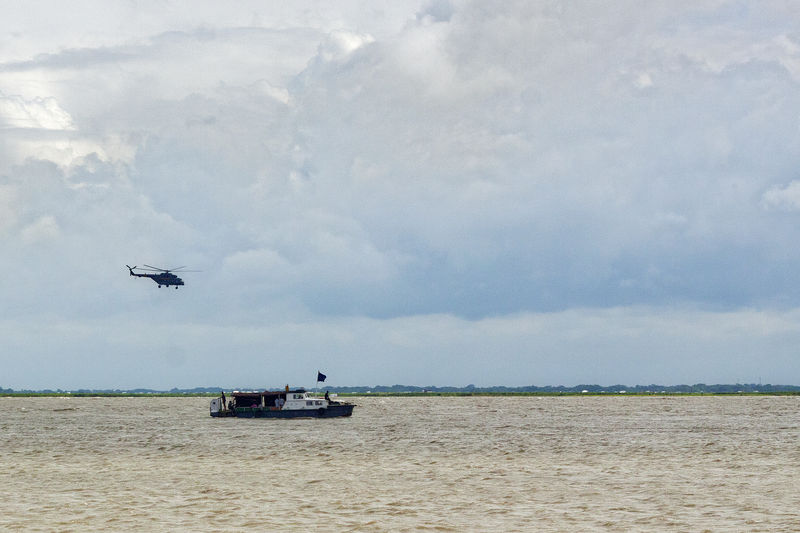


Pictures tell a thousand words on global warming..
More in Treehugger. Image courtesy of Environment 360.













Image by Rezwan
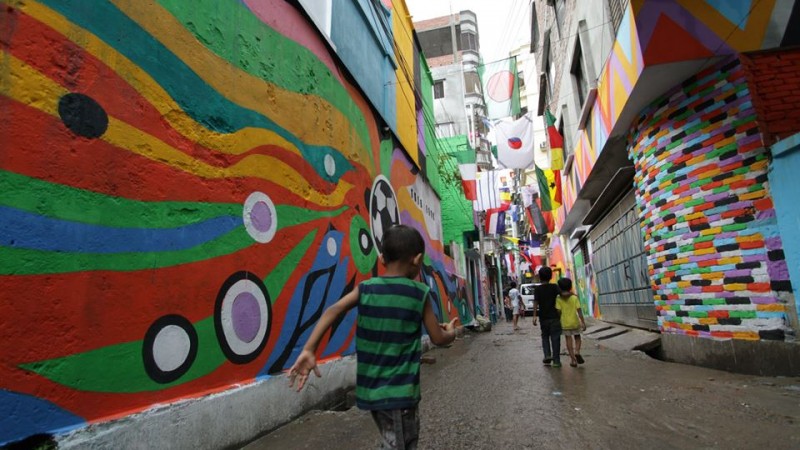
This street in Bangladesh has a colorful world cup celebration
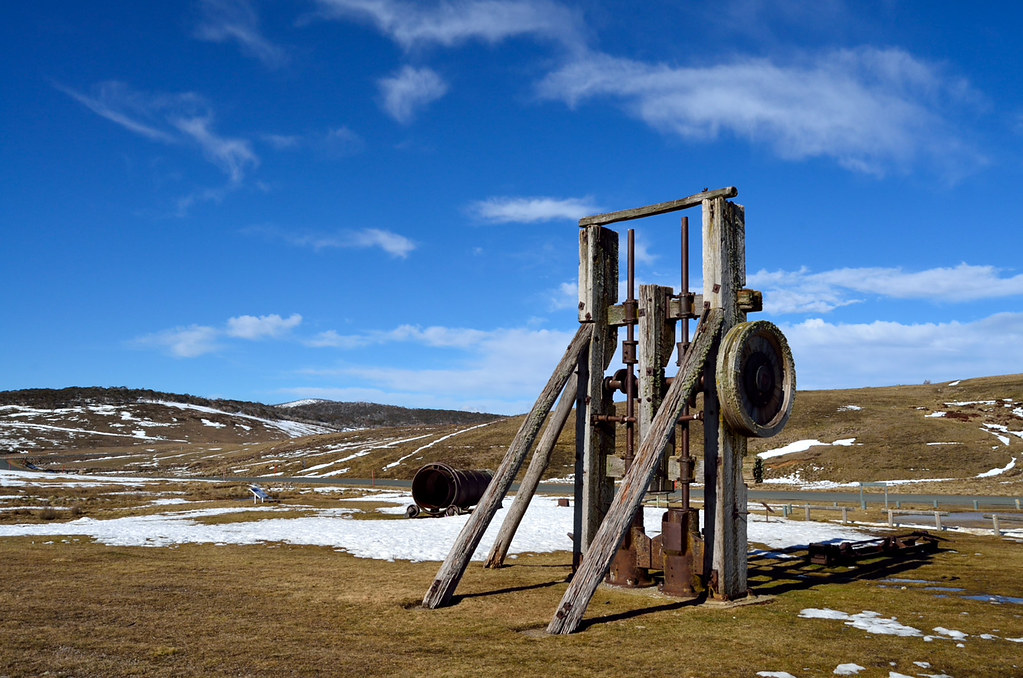
Remnants of Kiandra gold mine at New Chum Hill, #nsw #australia
Imagine you lived in a world of water. Your home is two-feet under. You wade through it, cook on it, and sleep above it. This is the reality for hundreds of thousands of people around the world, coastal populations on the front lines of climate change.
The threat of 1/3 of Bangladesh getting wiped away and creating 125 million climate refugees are very real. As expatriate Bangladeshis, it is our collective responsibility, to highlight the injustice of the whole issue where Bangladesh will pay the price of Western excesses that is destroying our planet.Please bookmark: Is Any Body Listening?
BBC World Service is traveling along the rivers of Bangladesh as part of a major project to track and debate climate change.Here is the website for this project. The interesting thing is that you can follow the project via Twitter, a growing social networking site that allows updating your status via sms (mobile) and web (IM) and you can also informed about your peers status via web (IM) or sms to your mobile. Check the 'Bangladesh Boat' updates via twitter.
Officially entitled Nodi Pothe Bangladesh - Bangladesh By The River - this is one of the most ambitious projects the BBC World Service has undertaken.
Over the course of the month, staff from 17 different World Service language services will visit the MV Aboshor, and each Friday and Saturday a total of 48 people will cram onto the small boat.The launch began with a press conference on board the boat. "Why are you coming and scaremongering?" a journalist asked. "Why do you want to present Bangladesh in a negative light?"
Does he have a point? Perhaps in the next four weeks you can judge for yourself.

Blog Action Day is important because it shows us the power, energy and diversity of many people to voluntarily propose ideas and start conversations about an important topic. It should add great value to the current conversations about how to protect our environment.
If the sea rises by a metre — as some scientists say it will by 2100 — a quarter of Bangladesh will be submerged, forcing 30 to 40 million people from their homes.
 Now it seems that this year flood will really take its toll in Bangladesh. Although suffering from water-log Dhaka city is surviving because of the circular dam built after the great 1988 flood. But it is surrounded by water and the flood water is looking for a breakthrough to cause larger disaster. Nearly five million people in more than 30 districts are effected by this flood. Al Jazeera says that half of the country has been submerged. (Picture courtesy the New Nation)
While the government machinery has been trying to handle the situation, it is fairly obvious that the involvement of the wider community has now become necessary in order for succor to reach as many people as possible in the flood-hit areas.Bangladesh has survived many great floods. Its stubborn people have lost everything and started again from the scratch (Tanvir portrays one of such characters). In this moment of truth let us all help these people survive. We know how to do it. Just we have do do it all together, in concert.
"The island has no electricity, and Shahidul has only heard of the existence of telephones."This is a sharp contrast to the countries record cellphone growth. The infrastructure like roads and electricity are bestowed upon after a long time when these lands have sufficient inhabitants and settles down.
"Subject to nature's whims, the farmers have just been able to feed their families on the hard-earned returns of their work. It is enough for a daily bowl of dal -- a yellowish porridge of lentils -- onions and a little rice. A piece of meat or fish is added once a week. In the evenings, the exhausted farmer gets one or two packages of paan, a mixture of nutmeg and lime rolled up in a green leaf. This local drug is relaxing and has turned Shahidul's teeth blood red. Besides, he says, you forget your problems; as if on cue, his friends grin and show their own sets of red teeth."Well Paan is rather a digestive than a drug and you don't always need a drug to find happiness amongst extremest poverty.
"The average Bangladeshi produces just 178 kilograms of carbon dioxide per year -- a mere drop in the bucket compared to the 21 tons per capita released annually by Americans."Still they will be the first ones to face the adverse effects of the Global warming mainly because they don't have enough means to protect them.