





Dragonfly

Image by Rezwan

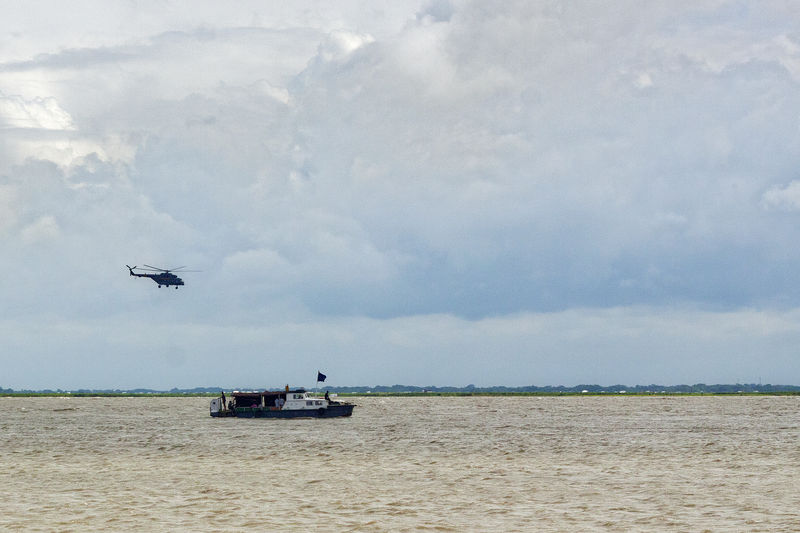
Overcrowded passenger ferry capsized in the Padma River in Munshiganj, Bangladesh

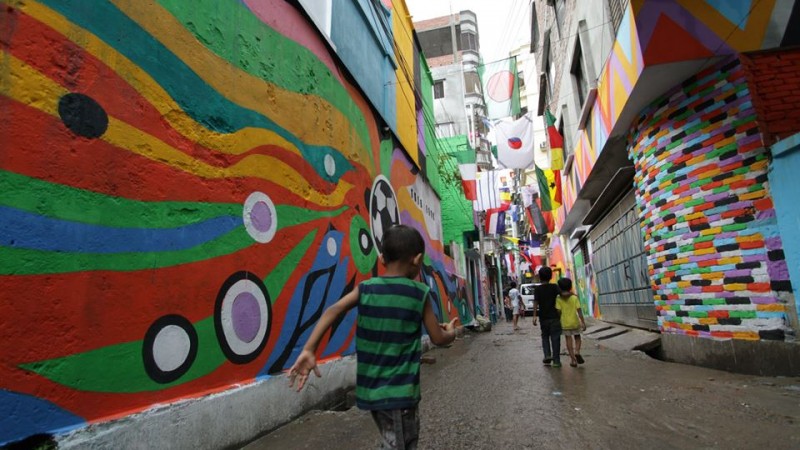
The World Cup Goal-E Project

This street in Bangladesh has a colorful world cup celebration

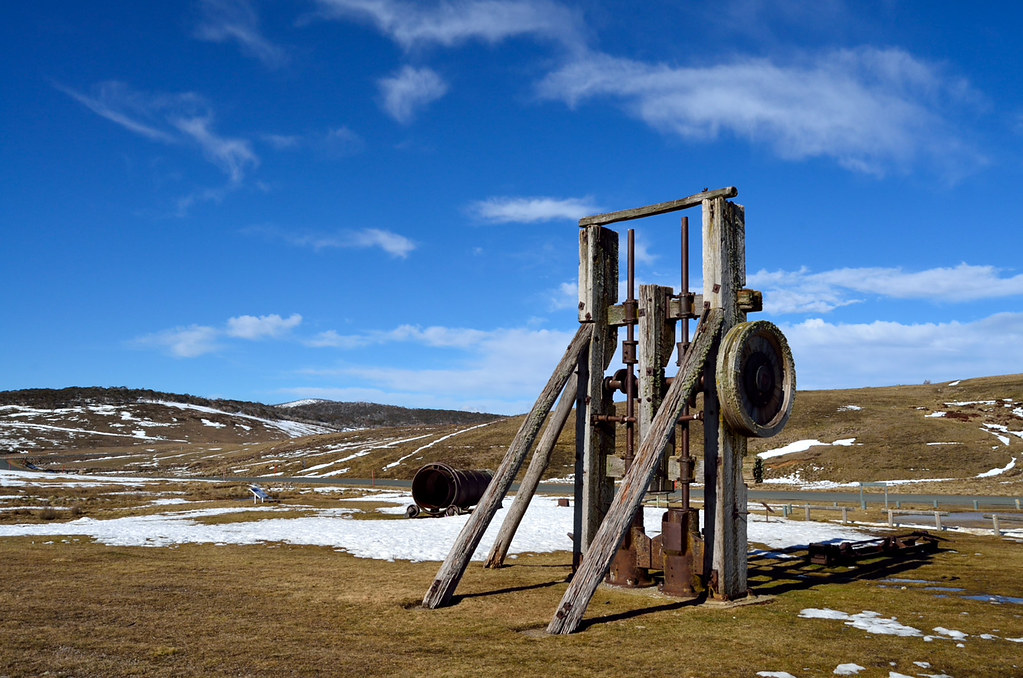
New Chum Hill Ruins

Remnants of Kiandra gold mine at New Chum Hill, #nsw #australia

October 08, 2007

The myth of VOIP being illegal

There was a thread in Drishtipat last January which elaborately describes about VOIP.

VOIP reduces cost of telecommunication drastically. It is now used all over the world in means of calling cards or other means like Gtalk. Most Bangladeshi diaspora uses this form of communications and also their relatives in Bangladesh.

In Germany we use a 5 digit number which has to be dialed before the Bangladeshi number and voila- teh bill is aggregated in our monthly bill). A VOIP call from Germany to Bangladesh was about 4 cent before Jan 2007 now its about 8 cents but my cell phone operator charges 1.51 Euro for a minute (even for a few seconds).

Now we should look at why the BTTB declared Jihad on the VOIP operators in Bangladesh. BTTB revenues were down and it did not take any measure to earn revenue from thousands of operators springing in every corner of major cities in Bangladesh. Even BTTB could embrace this technology and utilize its underutilized capacity.

Its very easy to setup a VOIP call terminating operation, you don’t need to be a big solution provider. Basically you just need a fast internet connection, some mobile telephone lines (did you notice in the caller ID of your phone that the calls to Bangladesh from abroad are channeled through a local mobile number?). Yes the accomplishes are very much the mobile phone operators and the ISPs. I think by paying the penalty GrameenPhone has reached some sort of settlement with the Government so that they remain untouched. Its a matter of commerce.

But why this crusade against the alleged illegal VOIP operators?. How illegal are they? The evolved as the Bangladesh backbone of the international VOIP market which is legal in most of the countries in the world (even in neighboring India)and they do it by paying tax to the govt. In Bangladesh the operators are small time entrepreneurs (most of them are some young techie who could find a small investor) emerged not to do anything illegal but to earn some money.

But without considering the rehabilitation for these smalltime entrepreneurs BTTB decided to declare them illegal and used Jihad against them confiscating their capital, the machinery and harassing them with RAB.

BTTB’s revenue rose significantly since then, that means Bangladeshis were calling more with normal Telephone channels of BTTB. If the scenario would remain this way it could be an arguable point.

But the reality is the Government is soon opening VOIP to 4 operators. One is BTTB and there is a huge fight for 3 others (possible contender Sena Kallyan Sangshtha and huge speed money is flowing in the air). The truth is BTTB will lose revenue again to these four operators. Instead of creating a legal market full of a thousand smalltime operators BTRC has chosen to confine it to 4 oligopolies who will dominate market. And for their market domination the drive against small time VOIP operators are required.

And then probably came this sinister plan of profiling each and every user, so that these four empires are not leaked off their business. And probably some authorities saw this as a opportunity to gag the internet users at a later time.

The problem is BTRC is not clearly telling why they require each and every internet users data instead of high profile bandwidth users/VOIP operators data (bloggers don’t take much bandwidth). If they say, doing voice chat is related to VOIP and illegal then you are busted. If your default Fedora/Linux distribution installs Ekiga soft phone, they can arrest you as a VOIP operator.

The Bangladesh Telecommunication Act 2001 promises rights and privacy of the users in line with the section 43 of Bangladesh constitution which is not suspended by the emergency act. In its 2006 amendment power has been given to the security forces to wiretap/demand information on specific charges.

But with this letter BTRC is crossing the line in demanding information from every user (without some specific suspects). The ISP association’s general Secretary has told BBC that it is matter of establishing control and security and threats of emails.

So there is much to worry because there are conflicting news within BTRC and the letter itself. Nobody is really sure what they are upto, how and by whom these information would be used? So it is every citizens right to be concerned if their rights are being violated for some sinister reasons. Are we getting proper communications from the authorities to dispel the climate of fear?

October 06, 2007

Media in Bangladesh under crisis

The Bangla blogging platforms "Somewhere in BBA" and "Sachalayatan" are growing popular day by day with thousands of bloggers/readers filling the void the Bangladeshi local media are creating. We are seeing in traditional media a sense of self censorship and lack of professionalism. These have sometimes become propaganda machine for the authorities or some political quarters. People are generally weary of media reports.

I bring to your notice to a worrying report from the Blogger Bahurupi at Somewhere in. Here is the translation (shortened version: read the original in Bengali for full version):
Bangladeshi media are in a grave crisis. There seems to be no way out of this. After the Jute industry most people have lost their jobs in media industry and many will soon join them.

'Ajker Kagoj' has been closed because of financial crisis. It had financial crisis since long. But it was sort of a business card of the editor Kazi Shahed. The paper catered many of his business propaganda. In present circumstances there is no opportunity to exploit these. So it was closed. If such an opportunity comes again it will reopen, you can be sure of it.

There are many bloggers in Somewhere in who work in 'Jai Jai Din'. They will better tell whether they are getting their salaries in time. Will Shafiq Rehman be there? Will Golam Sarwar join as the editor? if such questions are not answered soon it will close down.

'Dinkal's' bank transactions have been freezed by authorities. The paper cannot pay salaries to its employees. If there is no alternative source of funding will Dinkal be published again?

How many months 'Amar Desh' do not pay salary to its employees? Is it four months?

How many months Daily Janakantha will be able to continue? Its crippling with fund crisis, salaries remain unpaid. They sold some land to pay salaries. What next?

The daily Ittefaq sacked 72 people. (Its reeling with management disputes) The advertisement income has plunged.

There is strong rumor that the Daily Jugantar will curtail employees.

The name of the owner of the Daily Star and the Daily Prothom Alo are on the list (of corrupts published recently by the Corruption Prevention Commission).

Somokal's owner is also on the list. The monthly loss of Samokal is 2 million Taka.

CSB TV has been closed. NTV's bank account is freezed. The employees salaries are withheld.

RTV had not paid its employees last month. Channel one's state is similar. The Government is angry with Channel one.

So what is happening in local media industry? The current Government also do not want that a powerful media exists. These pressures will close the media one by one. The media are in deep crisis.

Updates on internet monitoring in bangladesh


Previous post: Internet user profiling and monitoring in Bangladesh

Related: Internet user profiling and surveillance process initiated in Bangladesh

As I reported in my last post that BBC picked up the story. In todays morning session of BBC Bangla they digged the story deep with reactions from two experts.

One is an International law expert, law professor of Brussels University Ahmed Ziauddin Ahmed. Listen to him:

Get this widget | Track details | eSnips Social DNA


Rush excerpts:
On Bangladesh Telecommunication regulatory commission's (BTRC) measures to regulate the Internet usage by ordering the ISPs to provide user names, addresses, internet usage information and login details.

He says the issue is alarming because:

- BTRC is not clearly saying what they will do with this information.
- BTRC is not doing it for targeted group of people or for the ones under suspicion so we remain totally in the dark.

Section 43 of the Bangladesh Constitution provides the privacy of citizens correspondence and other means of communication. It appears that BTRC’s actions are violating this provision.

If the Government has any plan for the monitoring then it has to pass an act in accordance with the constitution and international law.

In international arena other governments may impose these kinds of monitoring on their citizens built on specific charges with sufficient proof, within legal boundary and constitution.

This is where our problem lies. We don’t know why the authorities are requiring information from mass population, every user of internet. If they have some specific suspects then they can monitor them with the permission of court, this is acceptable as per the provision of Bangladesh Telecommunication act 2001. But without any specific reason the authorities have no right to gather information of internet ID, password or internet usage of all ISPs and individual users and it clearly violates the constitution.

In 2006 amendment of the BTRC act it is stated that under state of emergency power can be given to specific intelligence agencies for a specific time to monitor/record telecommunication of specific limits of users. It’s a pretty sweeping power but whether this is violating the main law, the provisions of Section 43 of the constitutions that needs to be put into perspective.

E-Bangladesh has confirmed that Section 43 of the Bangladesh constitution, that ensures “privacy of his [citizen’s] correspondence and other means of communication,” has not been suspended under the currently enforced state of emergency.

The other is the ex adviser to the Government and human rights activist Sultana Kamal:

Get this widget | Track details | eSnips Social DNA


In today’s world of free information everybody is taking about rights of free speech, free flow of information. We are part of the Globalization but are not harnessing the good things of Globalization rather than always being subject to the negative aspects – these needs to be questioned.

Telecommunication consists of peoples’ personal conversations, spaces. In a democratic outset privacy is required to discuss on debate on issues and create viewpoints, public opinions and augment these to national and international levels but if control is put on these then it will hinder democracy.

If this is done to prevent war on terror or other illegal works as the authorities suggest then they should try to bring people into trust, try to avoid jingoistic attitudes and adopt peaceful democratic ways to deal with this. But if steps are taken always to provide security to government’s chosen specific quarters or forces putting the security of the general people in jeopardy it will only pollute the democratic environment. We have seen in the past that these measures do not achieve anything let alone prevent terrorism.

We need to discuss these issues and I think in this of civilization everybody should be aware of their individual rights, social rights, family rights.

Our rights are being violated already without us knowing. There are many wiretapping, monitoring, surveillance etc. by the Government agencies but they do it discretely because otherwise it would deem undemocratic. But with these efforts of BTRC these undemocratic means are being legalized.

The problems with these wiretapped information are that there is no way to judge whether these information are true and authentic, what are their bases etc. If any action is taken on the basis of personal judgments of the authorities the chances of flaws in that decision are greater.

Well I am surprised that after all this the Bangladeshi media are yet to pick up the story. Many mainstream bloggers are also silent. Wondering whats keeping them!

Update: BTRC canceled CSB news channel's frequency allocation. It faces certain closure.

October 04, 2007

Why cartoon published in Bangladesh leads to death of Christians in Nigeria?

Good question. Because quarters like Hizbut Tahrir tries to keep this issue alive with protests in London apparently to amplify their demands like estabishing SHaria rule and Khilafat. They are even extending their outrage against the newspaper Prothom Alo by arranging prevention committees in every locality.

Meanwhile in Nigeria in a recent incident in a racial skirmish between Muslims and Christians nine Christians have been killed and many churches attacked (reports All Africa.com).
The Christian Association of Nigeria's national secretary, Mr. Samuel Salifu said that an internet cartoon emanating from a 20-year-old Muslim boy from Bangladesh had apparently sparked off the crisis.

Salifu said, "Information available to me is that almost all the churches within that local government area have been razed down and shops belonging to Christians have been razed down and in houses where they dwelled in, we have been told that they have been ejected and their property brought out and burnt."
This commentary is a bit harsh against Muslims. But we will see more of those coming because of these opportunists who are destroying the image of Islam.

Related:

- Bangladesh: yet another Muhammad cartoon controversy

- Attack against freedom of speech: Bangladesh cartoon controversy update

- Free Cartoonist Arifur Rahman

In solidarity with the protests in Burma


Free Burma!


Free Burma! Petition Widget

Name: (required)

Email:

Web:

Country:


End repression of the Monks. Bring the killers to justice. Free Burma.

Related links:

# Global Voices Online blog roundups

# Support Burma: International Bloggers' Day - Facebook event

# blogs about Burma

# Thousands of Blog posts on today's blog protest via Technorati

Tag:

YouTube video of the day


One of the most popular French bloggers, entrepreneur Loïc Le Meur is opening a business in San Fransisco. He introduces his new company.

October 03, 2007

Internet user profiling and surveillance in Bangladesh

Some disturbing news from Bangladesh.

E-Bangladesh reports:
RAB (Rapid Action Battalion) members assisted by BTRC (Bangladesh Telecommunication Regulatory Commission) officials are conducting house-to-house searches in Dhaka, Chittagong and Sylhet pinpointing each and every internet user with a fast connection. In an unprecedented move that clearly violates privacy rights and threatens freedom of speech and communication, a special cell comprising RAB and BTRC officials are now collecting user details — name, address, login and usage statistics — from all the ISPs (Internet Service Provider) in order to profile more than 450,000 internet subscribers in the country.


(Photo credit: E-Bangladesh)

In a memo no. BTRC/E&O/ISP-Gen.(302)/2007-1697, issued on September 26 BTRC is asking from 72 ISPs of Bangladesh the followings:

- To provide BTRC with details of bandwidth lease and usage.
- To provide details of “corporate/dedicated/shared” clients: Name, address, IP.
- To provide copies of technical agreements with connectivity providers.
- To reveal individual client MRTG URL (which monitors internet usage) with user id and password.
- Full subscription forms of users.
- ISPS must have complete information regarding the exact location of the client (No mention of what will happen with the scratch card dialup users with internet based simple registration).

Failure to comply with BTRC demands within 15 days of the letter date may result in closure of the ISP, the memo warned.

A System Administrator of one of the ISPs told E-Bangladesh:
If this continues then using internet in Bangladesh will become a crime sometime soon. We have to shut down our business. These people [RAB] enter our server rooms without permission and ask stupid questions and misbehaved. I was informed by my sources inside BTRC that these house-to-house searches will intensify from next Thursday. If they go to people’s houses like this they will stop using internet out of fear. If I have to reveal my admin password, user logins and passwords, what kind of service am I going to provide? Where in world they have found this formula?
So I think you have guessed what is going to happen. The authorities are collecting these sensitive info under duress from ISPs probably to avoid repurcussions. Every users internet usage then can be monitored and they will be within reach because they have to provide address. What will happen following the piracy of personal information to third parties and how these will effect one's personal and business lives is another worry.

It is clearly a huge blow against human rights. In many countries like USA and Germany internet surveillance and privacy of information is something which is long debated in the parliaments. If anything like this is deemed necessary for the state security then it has to be approved by a democratic parliament.

So under whose authority BTRC is doing this is a question, which every Bangladeshi should ask.

Update: BDNews reports(free registration required) The optical fiber link of the BTTB that connects the country with its online submarine cable system was snapped again 10pm Wednesday on Chittagong-Cox's Bazar highway, some 96km south of Chittagong. A BTTB official alleged that some miscreants damaged the cable on a bridge while apparently trying to steal the galvanized iron pipe that covers the fiber. The link to submarine cable was sabotaged twice in August, keeping the country isolated from the rest of the world for 29 hours.

I guess the BTRC and BTTB should concentrate on the security of its resources rather than trying to peep into internet user's private data.

Update II: BTTB has called all the ISPs for a meeting. Awaiting the outcomes.

Update III: BBC Picked up the story in its daily Parikrama of its evening show on October 4, 2007. Listen to it yourself.

Get this widget | Track details | eSnips Social DNA


Transcripts for non-Bangla speaking readers:

Headline: Authorities in Bangladesh have taken measures to strengthen control on internet services provided.

Bangladesh Telecommunication regulatory commission (BTRC) has taken some measures to regulate the Internet usage after a meeting with the Internet Service Provider (ISP) Association of Bangladesh. BTRC has decided to create a database profile of the internet users of Bangladesh.

Its general secretary Russel T Mahmood tells BBC Bangla: “The most important thing is security. You know that people are threatening with emails, using email for various things. If these are not controlled from a central point you cannot trace them. The whole thing is to establish a control mechanism. We ISPs have corporate clients as well as individual clients. They have expected the details of these clients from us. How much bandwidth they uses, what are their IPs, what are their usage patterns these are basically the requirement from us. What we can fathom is that this is to monitor and prevent people from doing anything outside the legal boundary with bandwidth purchased from ISPs.”