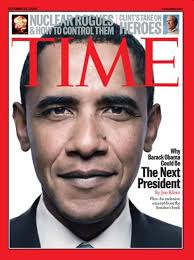











Bangladesh goes into poll on December 29, 2008 for a much awaited parliamentary election. The scenario is lot different than the recent US presidential election where citizen media and Internet campaigning and fund raising were extensively used. With a penetration of 1% of the total population of 145 million, Internet is still not a media that reaches mass people. The new generation of bloggers and facebook users are trying to harness the power of the new media. Bangla Blogging platforms like Somewhere In, Sachalayatan, Amar Blog, Muktangan are buzzing with election related posts - from constructive debates to mundane bickering of acrimony between political ideologies. But how can they affect the politics as the decision makers such as the bureaucrats and the politicians mostly keep themselves away from the digital media and Internet and are not connected to the conversation. The traditional media still dictate in Bangladesh and many are losing the trust of common people for biased reporting. The websites of the political parties are not interactive. Only a few out of thousands of candidates were seen using Internet in their campaign.
 Bangladesh politics is traditional, rhetoric and propaganda based and there is little scope for interaction with the leaders asking for accountability. The grass root activists and the general people have little to say in the decision making processes. However Jagoree, a non-partisan platform for Bangladeshi youth, is using facebook and blog to to engage in the political and policy making processes by developing themselves as informed and responsible citizens.
What are we? Image courtesy: Jagoree.
Jagoree is currently running a campaign called 'Amader Vote, Amader Kotha' (Our Vote, Our Voices). Learn more about the campaign from their facebook page.
The notable success of Jagoree in recent days was the making of a documentary and publishing it in YouTube for wider audience [bn]:
The aim of this 5 minutes 44 second documentary is to inspire Bangladeshis to cast an informed vote in the coming election. It shows the frustration with the current politics and at the same time frames the hope of the young Bangladeshis that a change will come.
This time around much information on the candidates and the election are available on the Internet. What the Bangladeshis need is to look for the facts and be informed for making the right decision regarding whom to vote.
SHUJAN, a non-profit organization in Bangladesh dedicated to good governance, has an award winning site [bn] which provides much background information on the candidates. The site has different sections like general information on election, constituency wise copmarative information of the candidates and much more. SHUJAN has also something unique to offer. They have an archive of over 4000 entries of news of Corruption of politicians (browseable by name) of whom many are contesting in the 2008 election.
Bangladesh Election commission has also detailed information including voter list and the candidate profiles in pdf format (to be downloaded and distributed) and guidelines for observers.
E-Bangladesh is providing links to all the important news regarding Bangladesh election and posting analysis and breaking news from citizen journalists in their constant coverage of Election 2008 (in English). The site also posts links to resources for the election including candidate lists and election manifestos of the parties. Its sister initiative, the Bangla Blogging platform Amar Blog has started its election coverage in Bangla language which is providing news and citizen journalists' views on the election.
The popular English language group blog Unheard Voice is also providing analysis and commentaries on the recent election.
 The largest Bangla blogging platform somwhereinblog.net has started a group blog on Bangladesh election in collaboration with the English language news paper The New Age. The news daily has recently started an election portal which will feature selected blog posts from the group blog and news/analysis from its daily newspaper publications. This is the first instance in the country where a major print media is collaborating with a blog platform outside its management. The portal will provide live results of the election. It has an user-friendly interactive map plotting the previous results.
Quite against the tide of the digital divide among the candidates, blogger and journalist Maskwaith Ahsan, who is running as a MP candidate in the Rajshahi -6 constituency, has started using facebook to run his campaign.
It remains to be seen how Bangladeshis use citizen media like blog, videos (e.g. YouTube), photographs (e.g. Flickr), twitter etc. during the election.
(First published in Global Voices Online)
Bangladesh politics is traditional, rhetoric and propaganda based and there is little scope for interaction with the leaders asking for accountability. The grass root activists and the general people have little to say in the decision making processes. However Jagoree, a non-partisan platform for Bangladeshi youth, is using facebook and blog to to engage in the political and policy making processes by developing themselves as informed and responsible citizens.
What are we? Image courtesy: Jagoree.
Jagoree is currently running a campaign called 'Amader Vote, Amader Kotha' (Our Vote, Our Voices). Learn more about the campaign from their facebook page.
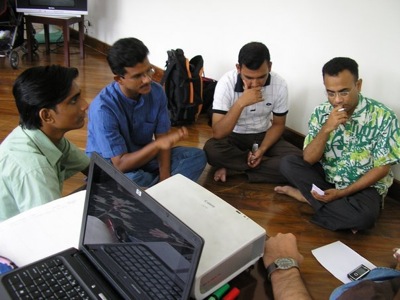
Planning and mobilizing processes of Jagoree. Image courtesy Jagoree

The notable success of Jagoree in recent days was the making of a documentary and publishing it in YouTube for wider audience [bn]:
The aim of this 5 minutes 44 second documentary is to inspire Bangladeshis to cast an informed vote in the coming election. It shows the frustration with the current politics and at the same time frames the hope of the young Bangladeshis that a change will come.
This time around much information on the candidates and the election are available on the Internet. What the Bangladeshis need is to look for the facts and be informed for making the right decision regarding whom to vote.
SHUJAN, a non-profit organization in Bangladesh dedicated to good governance, has an award winning site [bn] which provides much background information on the candidates. The site has different sections like general information on election, constituency wise copmarative information of the candidates and much more. SHUJAN has also something unique to offer. They have an archive of over 4000 entries of news of Corruption of politicians (browseable by name) of whom many are contesting in the 2008 election.
Bangladesh Election commission has also detailed information including voter list and the candidate profiles in pdf format (to be downloaded and distributed) and guidelines for observers.
E-Bangladesh is providing links to all the important news regarding Bangladesh election and posting analysis and breaking news from citizen journalists in their constant coverage of Election 2008 (in English). The site also posts links to resources for the election including candidate lists and election manifestos of the parties. Its sister initiative, the Bangla Blogging platform Amar Blog has started its election coverage in Bangla language which is providing news and citizen journalists' views on the election.
The popular English language group blog Unheard Voice is also providing analysis and commentaries on the recent election.
The largest Bangla blogging platform somwhereinblog.net has started a group blog on Bangladesh election in collaboration with the English language news paper The New Age. The news daily has recently started an election portal which will feature selected blog posts from the group blog and news/analysis from its daily newspaper publications. This is the first instance in the country where a major print media is collaborating with a blog platform outside its management. The portal will provide live results of the election. It has an user-friendly interactive map plotting the previous results.Quite against the tide of the digital divide among the candidates, blogger and journalist Maskwaith Ahsan, who is running as a MP candidate in the Rajshahi -6 constituency, has started using facebook to run his campaign.
It remains to be seen how Bangladeshis use citizen media like blog, videos (e.g. YouTube), photographs (e.g. Flickr), twitter etc. during the election.
(First published in Global Voices Online)