











Many netizens in Bangladesh are raging with anger as for the first time in the country bloggers and online activists among other protesters were arrested while striking in protest of a recent Production Sharing Contract (PSC) between the Bangladesh government and United States energy giant ConocoPhillips for deep sea gas exploration.

Clashes between police and protesters erupted during the 6 hours general strike called by National Committee on Protection of Oil, Gas and Mineral Resources, Power and Ports against the offshore gas deal between the government and ConocoPhillips. Image by Suvra Kanti Das. Copyright Demotix. July 3, 2011
Today's half day long strike called by National Committee to Protect Oil, Gas, Mineral Resources, Power and Ports (NCPOGMR), a left-leaning citizens' group, had disrupted the daily life of the capital Dhaka as most shops, businesses and schools were closed and very few vehicles were on the roads. Police had beaten many protesters mercilessly and arrested them en-mass. Renowned photo journalist and blogger Shahidul Alam updated the situation whole day (accompanied with pictures) in his blog:
Bangladeshi bloggers had been part of the protest against the energy deal online and offline. A number of bloggers have rallied for the strike yesterday which can be seen in this video. OnnoMonosko Sharat posts pictures about the bloggers protest and writes:

Bloggers rallying for the strike. Image courtesy Sharat Chowdhury
Blogger and GV Bangla Lingua translator Kowshik updated about today's strike in his blog at Somewhereinblog.net [bn]:

A protester inside a prison van. Image by Suvra Kanti Das. Copyright Demotix. July 3, 2011
A local TV channel reported that 24 bloggers were arrested in the day, 23 of them had been released so far. There had been rumors that charges of sedition will be brought against the arrested protesters. During the day individual reports of bloggers/activists being arrested occupied different blogging platforms. More bloggers like Ayon at Choturmatrik posted eyewitness reports with photos.
 Blogger Jobaen Sondhi writes:
Vaskar at Amra Bandhu echoes same sentiments:
Mahfuz Jewel at Unmochon blogging platform sees hope in these protests:
You can find a compilation of blog posts on this debate posted by Haseeb.
Update by Vaskar: Dinmozur has been released.
First Published in Global Voices Online
Clashes between police and protesters erupted during the 6 hours general strike called by National Committee on Protection of Oil, Gas and Mineral Resources, Power and Ports against the offshore gas deal between the government and ConocoPhillips. Image by Suvra Kanti Das. Copyright Demotix. July 3, 2011
Today's half day long strike called by National Committee to Protect Oil, Gas, Mineral Resources, Power and Ports (NCPOGMR), a left-leaning citizens' group, had disrupted the daily life of the capital Dhaka as most shops, businesses and schools were closed and very few vehicles were on the roads. Police had beaten many protesters mercilessly and arrested them en-mass. Renowned photo journalist and blogger Shahidul Alam updated the situation whole day (accompanied with pictures) in his blog:
Eyewitness report from Nasrin Siraj:
Anu Muhammad, professor of economics of Jahangirnagar University and member secretary of National Committee to protect oil-gas-mineral resources, power and port is arrested from Paltan today (3 July) at 6:53 a.m. While he was walking towards the office of Communist Party of Bangladesh to join the other activists of National Committee for strike campaign, at least 40 anti riot police came forward, grabbed him and took him away in a prisoner’s van. During the arrest he was silent. [..]
Today, from the very morning police started arresting activists of the National Committee. First, at 5:45 a.m leader of Student Union of Jahangirnagar University was arrested from Paltan. All the central offices of left political parties in Topkhana Road and Paltan were surrounded by police from the early morning. Almost all the central leaders of the National Committee are under police custody now.
Breaking News: Nasrin Siraj has since been arrested.
Bangladeshi bloggers had been part of the protest against the energy deal online and offline. A number of bloggers have rallied for the strike yesterday which can be seen in this video. OnnoMonosko Sharat posts pictures about the bloggers protest and writes:
ব্লগের টোকাইরা দলে দলে হাজির হইছিল বিকালে। তাগোরে কেউ পয়সা দেয় নাই। আপ্যায়নও করে নাই। নিজে নিজেই আইছে। সমাবেশ করছে, সংহতি জানাইছে। একজন ব্লগারের সাথে থাকে ১০০ ভার্চুয়াল ব্লগার। কারো কারো সাথে থাকে আরো বেশি। কেউ কারও চেয়ে আগাইয়া বা পিছাইয়া নাই..সমান্তরাল।
Bloggers rallying for the strike. Image courtesy Sharat Chowdhury
The bloggers arrived in numbers in the afternoon. Nobody paid them, nor fed them. They came by themselves, rallied, showed support. There are 100 virtual bloggers behind one blogger present. Some have more followers. Nobody is ahead of the other.. all parallel.
Blogger and GV Bangla Lingua translator Kowshik updated about today's strike in his blog at Somewhereinblog.net [bn]:
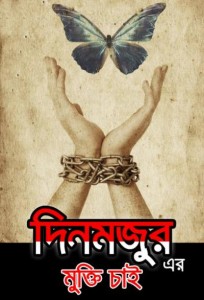
আপনারা জানেন বাংলা ব্লগের খ্যাতিমান ব্লগার দিনমজুর নামে মূলত তিনজন তরুন প্রকৌশলী লিখে থাকেন যাদের মধ্যে অন্যতম অনুপম সৈকত শান্ত। তেল-গ্যাস নিয়ে তার বিশ্লেষণধর্মী লেখা আমাদের অনেক চরম সত্যের মুখোমুখি করেছে। একটু আগে প্রখ্যাত এই ব্লগার কনোকো ফিলিপসের সাথে অন্যায্য চুক্তির প্রতিবাদ করতে গিয়ে গ্রেফতার হলেন। এখন তিনি শাহবাগ থানায় আছেন।
I hope you know that the popular Bangla blog Dinmazur is authored by three young engineers and one of them is Anupam Saikat Shanto. His analytical writings on oil and gas reserves have provided an eye-opener for many of us. A while ago this blogger was arrested while protesting against the unjust deal with ConocoPhillips. Now he is inside the Shahbag police station.
A protester inside a prison van. Image by Suvra Kanti Das. Copyright Demotix. July 3, 2011
বাংলা ব্লগোস্ফিয়ারের ইতিহাসে প্রথম কোনো ব্লগার গ্রেফতার হলেন। শান্তর গ্রেফতারের তীব্র প্রতিবাদ জানাই। একজন শান্তকে গ্রেফতার করে আন্দোলন স্তিমিত করা যাবে না - বাংলা ব্লগোস্ফিয়ার এখন অনেক সমৃদ্ধ এবং প্রায় সবাই সোচ্চার এই দমন-পীড়ন আর দেশ বিক্রির চুক্তির বিরুদ্ধে।
This is the first time in the history of Bangla blogosphere a blogger has been arrested. We strongly protest the confinement of Shanto. You cannot stop the protests by arresting one Shanto - Bangla blogosphere is very resourceful now - almost everyone are vocal about this repression and the selling out of national interest.
A local TV channel reported that 24 bloggers were arrested in the day, 23 of them had been released so far. There had been rumors that charges of sedition will be brought against the arrested protesters. During the day individual reports of bloggers/activists being arrested occupied different blogging platforms. More bloggers like Ayon at Choturmatrik posted eyewitness reports with photos.
Blogger Jobaen Sondhi writes:কনোকোফিলিপস চুক্তি বিরোধী আন্দোলনে দেশের অনলাইন কমিউনিটির যুক্ত হওয়া চলমান আন্দোলনে নতুন মাত্রা যোগ করেছে তাতে কোন সন্দেহ নেই। অনেকে অপবাদ দিয়ে বলেন ব্লগাররা মনিটরের সামনে বসে অলস সময় কাটায়। কিন্তু তাদের বক্তব্যকে মিথ্যা প্রমাণ করে ব্লগাররা দেখিয়ে দিল প্রয়োজনে তারা রাজপথেও যুদ্ধ করতে সক্ষম। এই আন্দোলন সমগ্র অনলাইন বিশ্বে ছড়িয়ে পড়বে এবং অনলাইনের সংগ্রামে সকলে অংশ নিবেন এটাও প্রত্যাশা করছি।
The campaign against the deal of ConocoPhillips has provided a new dimension to the ongoing activism of the online communities of the country. Many say that bloggers spend idle time in front of monitors. But proving them wrong bloggers have shown that they can also engage offline. We hope that this protest will spread to the world and we will have more support.
বর্তমান শাসক ও বিরোধী উভয় দলই সাম্রাজ্যবাদ ও তাদের বিদেশী প্রভুদের পা লেহনে সিদ্ধহস্ত এটা প্রমাণ হলো এবার। ব্লগারদের উচিত এইসব 'দেশপ্রেমিক' নেতাদের স্বরূপ উন্মোচনের পাশাপাশি জনগণকে সঠিক পথে অগ্রসর হওয়ার পথ নির্দেশ ও প্রেরণা দেয়া
The ruling party and the opposition both are prone to satisfying their colonial and foreign lords. The bloggers should expose the true faces of these leaders and guide the nation towards the right path.
Vaskar at Amra Bandhu echoes same sentiments:
আজকের হরতাল আওয়ামি-বিএনপি'র ক্ষমতালিপ্সু রাজনীতিবিদদের প্রতি হুশিয়ারী।
Today's strike is a warning to the power monger leaders of Awami League and BNP (editors note: the ruling party and the opposition)
Mahfuz Jewel at Unmochon blogging platform sees hope in these protests:
আধাজ্বর নিয়ে সকাল থেকে আমিও পল্টনে ছিলাম আজকের আধাবেলা হরতালে। [..] হরতাল যখন শেষ হলো দেখলাম পুরো দেশের যন্ত্রণা আমার মাথায় চলে এসেছে। চোখে ঝাপসা দেখছি, কিন্তু এই ঝাপসা চোখেও দেখছি আশার আলো। মানুষ জেগেছে। দেশপ্রেমিক জেগেছে। জাতির বিবেক জেগে উঠছে। জেগে উঠছে সময়ের সাহসী সন্তানেরা!
I was in fever but was on the ground in Paltan during the half day strike. When Hartal (strike) ended I felt that the pain of the whole nation sat on my head. My eyes were blurred, but I saw hope with those blurred eyes. The people have risen. The patriots have risen. The conscience of the nation is awake. The brave youths are marching forward.
You can find a compilation of blog posts on this debate posted by Haseeb.
Update by Vaskar: Dinmozur has been released.
First Published in Global Voices Online