Dragonfly

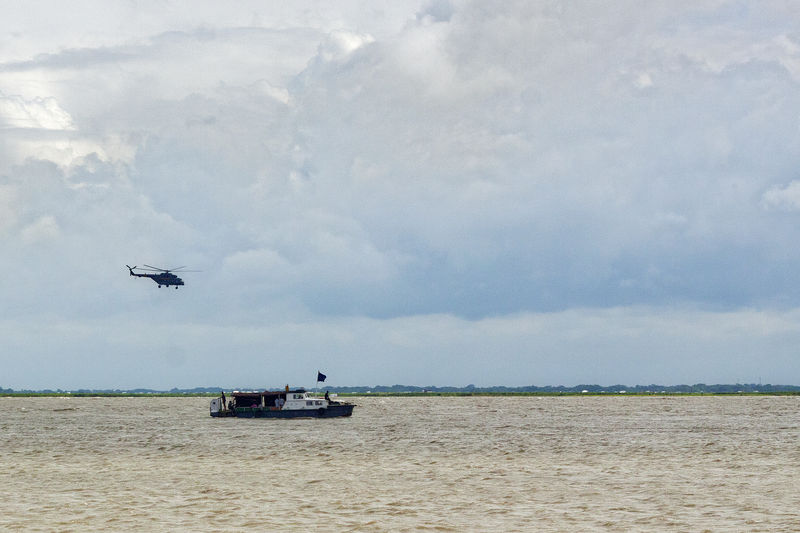
Image by Rezwan

Overcrowded passenger ferry capsized in the Padma River in Munshiganj, Bangladesh

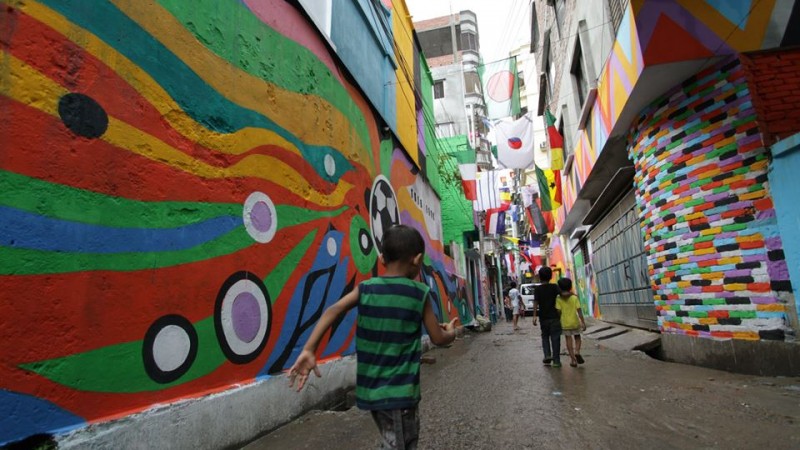
The World Cup Goal-E Project

This street in Bangladesh has a colorful world cup celebration

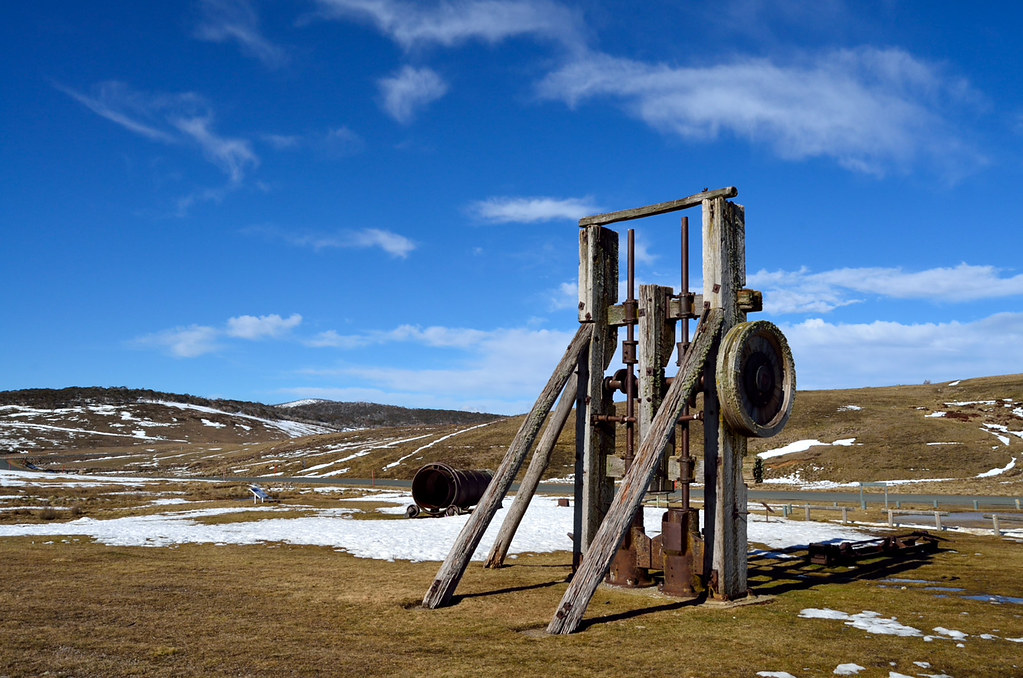
New Chum Hill Ruins

Remnants of Kiandra gold mine at New Chum Hill, #nsw #australia

January 27, 2013

Coup Predictions In 2013

Jay Ulfelder is an American political scientist who theorizes and forecasts political development and instability in various forms, including democratization, coups d’etat, mass atrocities, and civil unrest. Among his 2012 predictions the coup attempts in Mali (March) and Guinea-Bissau (April) came true. He drew the chart for 2013 with estimated coup risk for the 30 countries at greatest risk using essentially the same models he used for 2012. Bangladesh is now shifted to high risk zone with lower values indicating more accurate predictions. A section of politicians are taking about the 1/11 and are really hoping on the military to unsettle the government and usher in a possible regime change. The PM mentioned:
"The aim of the opposition's movement is to foil the hard-earned democracy, bring back the 1/11 and save the 1971 culprits. For this reason, they are burning people to death and vandalising and torching public property."
We have seen that a coup attempt by a section of military was foiled in end 2011, which was to introduce sharia law by Islamist military officers with ties to Hizbut Tahrir. Jay's prediction only tells that the conspiracy is still on. Beware Bangladesh.

January 26, 2013

Bangladesh: Missed Call - A Tool For Protest?

An intentional missed call is an widely used method in developing countries, particularly South Asia, the Philippines and large parts of Africa, primarily to save money or minutes. It is essentially the poor man's text message, a free way to nudge another person or company. There is even an app available to complete a miss call with one touch.

A report suggests that missed call can constitute upto 70% of total network traffic of Grameenphone, Bangladesh's largest telephone network in any hour. The cellphone operators in Bangladesh have reduced call rates upto 90% in the past decade to get more customers talking and earn profits by economy of scale. But the price of mobile internet has not come down.

Image by Kahil. CC BY-NC-ND.
Now it seems that there might be other uses of missed call possible. In India  some found business in it and in Bangladesh it is proposed as a tool for protest. A Facebook event [bn] titled "Missed call: The tool for our protests" has been created by two Bangladeshi Facebook users, Sedative Hypnotics & Duurzodhon. They have provided the background of the protests in a long post:
২০০৬ সালে যখন বাংলাদেশ যুক্ত হলো এর SEA-ME-WE-4 কেবলে ব্যান্ডউইডথের দামও তখন ছিলো অবিশ্বাস্য রকমের বেশী – প্রতি মেগাবিট ব্যান্ডউইডথের দাম ছিলো ৮০০০০ হাজার টাকা,ইন্টারনেট তখনো তরুনদের হাতে সহজলভ্য হয় নি, গনমানুষের কাছেও না। ২০০৮ সালে তত্ত্বাবধায়ক সরকার প্রতি মেগাবিট ব্যান্ডউইডথের দাম কমিয়ে দেন ২৭০০০ টাকায় । এর পরপরই ‘ডিজিটাল বাংলাদেশের’ প্রতিশ্রুতি দিয়ে ক্ষমতায় আসে বাংলাদেশ আওয়ামী লীগ সরকার। ইন্টারনেট সার্ভিস তৃনমূল পর্যায়ে ছড়িয়ে দেবার প্রত্যাশায় তারা এক এক ধাপে ব্যান্ডউইডথের দাম কমানো শুরু করে। ২৭০০০ টাকা থেকে তারা ২০০৯ সালে প্রতি মেগাবিট ব্যান্ডউইডথের দাম কমিয়ে আনে ১৮০০০ টাকায়, পরবর্তীতে ২০১২ সালে আবারো কমিয়ে আনে ৮০০০ টাকায়। একইসাথে পরবর্তীতে প্রতি মেগাবিট ব্যান্ডউইডথের দাম ৮০০০ থেকে ৫০০০ টাকায় নামিয়ে আনার পরিকল্পনার কথা জানিয়েছে BTRC
In 2006 when Bangladesh was connected to the SEA-ME-WE-4 cable the price of Bandwidth was exorbitant - per Mbit/s bandwidth was BDT 80,000 (approximately USD 1,125). Internet was not available to masses then, especially to the youth. In 2008 the government reduced the price to BDT 27000. After that the Awami League government came to power with its "Digital Bangladesh" slogan. They started reducing the cost of bandwidth in several steps to make it available to the grassroots population. In 2009 per Mbit/s was reduced to BDT 18,000 (approximately USD 250) and in 2012 it was further cut down to BDT 8000 (USD 100). The regulatory body BTRC has plans to bring down the price of 1 Mbit/s to BDT 5000 (USD 60) soon.

They ask whether the consumers are getting the benefit of these price cuts:
আপনাদের মনে থাকার কথা, ২০০৬ সালে EDGE সার্ভিস চালু করা গ্রামীনফোনের ইন্টারনেট খরচ এখনো সেই আগেরমতই আছে । ২০০৯ সালের ১ জিবি ইন্টারনেটের প্যাকেজের দাম এখনো ৩৫০ টাকাই আছে ।এর মাঝে সরকার ঠিকই দুই দফায় দাম কমালেও তারা কমায় নি । একই কথা খাটে বাংলালিংক,এয়ারটেল,রবি সহ অন্যান্য অপারেটরদের ক্ষেত্রেও । [..] আপনারা খেয়াল করুন, প্রতি ১০ মেগাবাইট ইন্টারনেটের প্যাকেজ এয়ারটেলের ক্ষেত্রে বাংলাদেশ ১০ টাকা (ভ্যাট ছাড়া)পড়বে , অথচ একই কোম্পানী ভারতে (টুজি নেটওয়ার্কে) ১০ রুপীতে (বাংলাদেশী ১৪.৮০ পয়সা) ১২৫ মেগাবাইট ইন্টারনেট দিচ্ছে ! [..]এভাবেই সরকার দাম কমিয়ে গেলেও আমজনতা কোনো রেহাই তো পাচ্ছেই না, বরঙ অন্য দেশের তুলনায় আমাদের কাছ থেকে দামও বেশী রাখা হচ্ছে 
If you can remember, GrameenPhone introduced their EDGE package in 2006 and the price remained constant Their 1GB volume shared internet package is still BDT 350. The government has reduced price twice in the meantime but their price has not changed a bit. The same complain applies for Banglalink, Rabi, Airtel and other operators. [..] Airtel's per 10MB internet volume package is BDT 10 in Bangladesh. But the same company offers 125 MB in India at INR 10 (BDT 15). [..] In this way the price cuts by the government had no effect on the consumers who are getting overcharged comparing to neighboring countries.

A student of Dhaka University before a huge wall painting of Communism talks over mobile phone. Image by Firoz Ahmed. Copyright Demotix (15/5/2012)
And on why the method of protest is by missed call?
নির্দিষ্ট একটি তারিখে নির্দিষ্ট সময়ে আমরা সবাই মোবাইল অপারেটরদের নেটওয়ার্ক ব্যস্ত রাখবো , কিন্তু এক পয়সাও খরচ করবো না । আর সেই উপায় হলো মিসড কল । একটি নির্দিষ্ট তারিখে পিক আওয়ারে আমরা সবাই যদি গনহারে পরিচিতজনদের মিসড কল দেয়া শুরু করি , তবে মোবাইল অপারেটরদের বি টি এস ব্যস্ত থাকবে ঠিকই, কিন্তু যেহেতু আমাদের কারও কোনো খরচ করতে হচ্ছে না, তাই আমাদের কোনো ক্ষতি হবে না । যা ক্ষতি হবার হবে কোম্পানীর,কারন সেই সময় আমরা তাদের নেটয়ার্ক ব্যবহার করেছি ঠিকই কিন্তু কোন টাকা দিচ্ছিনা! আমরা অনেক মানুষ যদি একত্রিত হতে পারি,তবে কোম্পানীর ক্ষতিটা নেহায়েত কম না ।
We will keep every mobile network busy at a specific time and date, without spending a penny. And the easiest way is to use "miss call". If we start to send miss call to our contacts in a specific time, then the BTS of the mobile operators will be busy. As we are not paying anything, we have nothing to lose. The company will lose as we are using their network without any revenue. If a lot of people can do it at once then the impact will be felt by the company.

The Facebook event has gone viral and more than 140,000 people have already been invited and approximately 15000 people said yes. According to an update by Duurjodhon:
শুধু ইন্টারনেটের দাম কমানোই নয় , আমরা বিভিন্ন অপারেটর কর্তৃক সকালে বা গভীর রাতে ইচ্ছেমত পাঠানো স্প্যাম মেসেজের বিরোধিতাও করি ।
Not only reducing the price of mobile internet, we are protesting also the sending of spam sms by operators, even after midnight.

Blogger Robin supports the cause and has more innovation:
আমার সাথে অনেক বন্ধু বান্ধব আছে যাদের মোবাইল ফোন দুই বা ততোধিক... আমার অবশ্য দুইটা ফোনসেট [..]

ভাবতেছি, দুইটাই সাইলেন্ট কইরে একটা থেকে আরেকটায় অটোমেটিক রি-ডায়াল দিয়া থুইয়া দেব... [..]
I have many friends who has two or more mobile phones.. I have two sets by the way.. [..]

I am thinking I will keep the sets silent and place both calling each other using auto-redial... [..]

Rasel Parvez writes in Facebook:
অহিংস ক্ষতিসাধনের আইডিয়াটা চমৎকার নিঃসন্দেহে, যদিও একই সাথে এইসব অদ্ভুত আন্দোলন ধারণা কৌতুককর অনুভুতি তৈরি করে

বিনোদন বিলাসিতা না কি প্রয়োজনীয় কর্মকান্ড এটা নিয়ে অনেক মাত্রার বিতর্ক হতে পারে, যদি আন্দোলনকারীরা মিস্কল মিসকল না খেলে বরং সরাসরি মোবাইলে ইন্টারনেট বন্ধ করার হুমকি দিতো এবং সেটা ব্যপক পরিসরে ছড়িয়ে দিতো আন্দোলন আরও সফল হওয়ার সম্ভবনা থাকতো।

আমাদের ভোক্তা অধিকারসংরক্ষণের একটি সংগঠন আছে, তারা যদি মোবাইল কোম্পানীর পরিচলন ব্যয় এবং ভোক্তার প্রদত্ত মূল্যের তুলনামূলক আলোচনা করে ভোক্তা অধিকার আইনে একটা রীট দায়ের করতো কিংবা যদি সরকারকে এ ডাকাতি সম্পর্কে অবহিত করতো সেটা আরও ফলদায়ক হতে পারতো
The idea of doing harm without violence is novel, even if these kinds of weird ideas stimulate a laughing sensation.

Using internet in cellphone is a luxury or a necessity that is much debatable. If the protesters could avoid this miss call game and instead threatened to stop the use of mobile internet and made it a bigger campaign then they could be more successful.

We have a consumer rights organization, they could compare the operating costs of the mobile internet and the price for the end consumers and take legal measures against the operators if necessary. They could even produce evidences of malpractices to the government.

According to the event page:
আপনারা রবিবার সকাল ১০ টা থেকে দুপুর ১ টা পর্যন্ত কোন কল রিসিভ করবেন না। আপনাদের এতটুকু আত্মত্যাগ আমাদের সবার স্বপ্ন পূরন আর দাবি আদায়ের হাতিয়ার হবে। তাই সবাই ৩ ঘন্টা সময় দিন।

এত দিনের অনাচারের বিরুদ্ধে তিন ঘন্টার প্রতিবাদ কি খুব বেশী ?
Please do not receive any call in your mobile between 10AM-1PM next Sunday. Your sacrifice will help us achieve our goal and make our dreams come true. Please give us 3 hours.

Is 3 hours too long to protest against the injustice that is happening for years?

Also published in Global Voices Online.

December 20, 2012

Urban Launchpad Working On The First Bus Map of Dhaka

Image by Masuk Ahmed, courtesy Urban Launchpad

Dhaka is one of the world’s most densely populated, poorly designed, noisy, poorly administered and difficult to live in cities in the world. But on the brighter side it is also one of the cheapest cities to live. Only a small portion of the population of Dhaka has private transport. The public transport is available for the masses but not that efficient with virtually no workable map of the transport lines. But Dhaka may have a savior. 

A bunch of entrepreneurs including architects, geeks and adventurers have launched a platform called The Urban Launchpad. Founded in 2011, it is a social-venture dedicated to building open urban info-structures in places around the world that need it the most.  

Their latest project is the Bus Map of Dhaka and here is why:
In Dhaka, car ownership is at a low 1%, which means now is the critical time to shore up the alternatives and the 5 million plus ridership bus system (one of the largest in the world) is perhaps the best place to start. [..] Riding a bus in Dhaka, however, requires a bit of bravery (as we found out). First, since the informal network is a hodgepodge of services from private operators who manage their fleets independently, it is difficult for both a visitor and a lifelong local to figure out which bus goes where. There are few official bus stops and no signage that matches the buses or the stops.
What is interesting that Urban Launchpad is using crowdsourcing to gather information. They have coined the term Flocksourcing (Flocks + Mobiles) which will help rapid generation of urban data. The initial design brief can be found here:


If you believe this project can make a difference please consider donating at their Kickstarter page. Also please keep an eye on its blog for updates.

December 10, 2012

Hacking as a communication tool

Umm I didn't get it. Bangladeshi hacker defaces Punjab Assembly website to protest a Pakistani hacker's attack on some Bangladeshi sites. The site was restored and was hacked again by the Pakistani hacker to send a message to Bangladeshi hackers to not to mess with Pakistani websites. Since when hacking became a communication tool?

December 01, 2012

Bangladesh: A remarkable improvement

Here is a great documentary report on the Economist on the surprising progress on social issues by Bangladesh despite poverty. The video was shot by GMB Akash, one of the best photographers of Bangladesh.

'Industrial Scale’ Hunting of Migratory Amur Falcons in Nagaland, India

Every year thousands of migratory Amur falcons (Falco amurensis) are hunted by locals in the Indian State of Nagaland during their passage through that region. The massacre was first documented on November 1, 2012, by Shashank Dalvi and Ramki Sreenivasan on the Indian online campaign site 'Conservation India' where they wrote that "a mind-boggling 120,000 to 140,000 birds are being slaughtered in Nagaland every year during their passage through the state."

Every October, a large numbers of Amur falcons arrive in northeast India and Bangladesh from Siberia en route to their final destination — Somalia, Kenya and South Africa. Amur falcons travel up to 22,000 km in a year, in one of the longest migration routes of all birds.
Amur Falcon (Falco Amurensis). Image by Alastair Rae, from Wikipedia. CC BY-SA
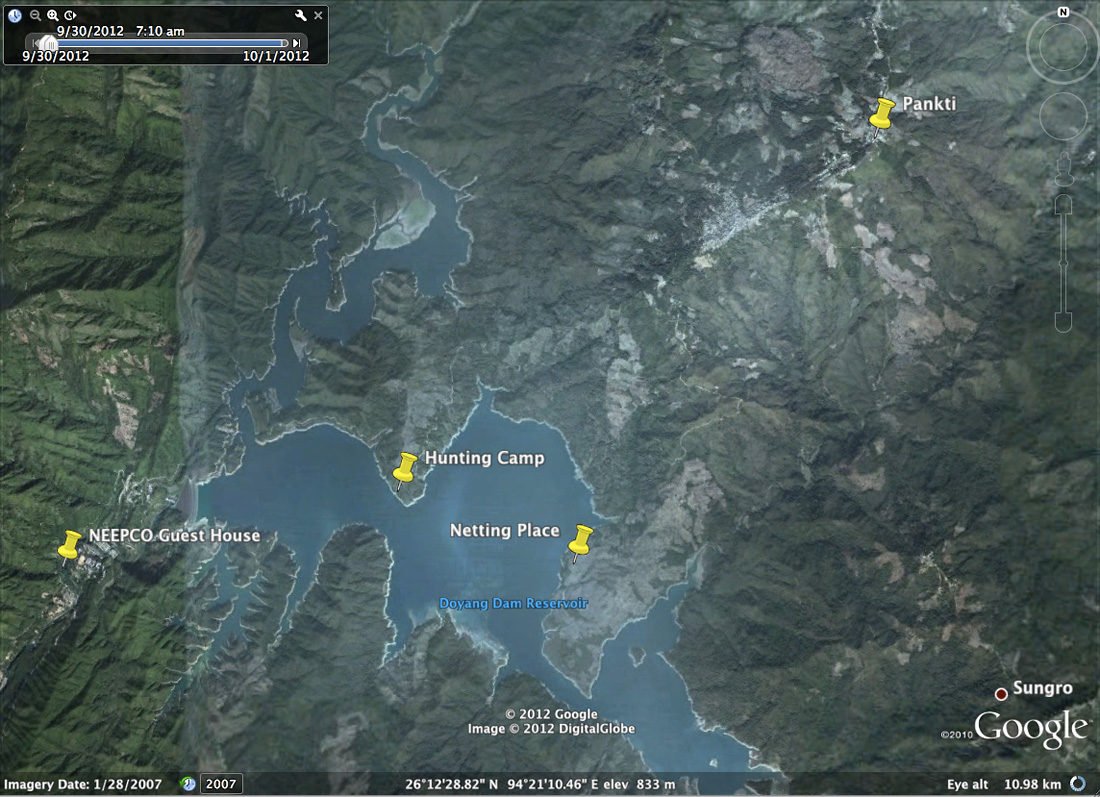
Last month a group of activists (Ramki Sreenivasan from Conservation India, Shashank Dalvi, Bano Haralu, Rokohebi Kuotsu) travelled to Nagaland to check out information that thousands of falcons were being hunted annually on the banks of the Doyang reservoir during their passage through that region. They accompanied a hunting group and documented the massacre:
The Amurs spend the day on the transmission wires (almost entirely inaccessible to hunters) and descend to forested patches along the banks of the reservoir to roost (see map). The hunters ruthlessly exploit this particular behavior and set-up huge fishing nets (30-40m long, 10-12m tall) all over the roosting sites. Birds get caught in the nets in large numbers. These birds get tangled in the nets while they come to roost during late evenings or when they leave the roost early in the morning. The nets were permanent and the hunters come every morning to remove the trapped birds. The nets were observed over the entire roosting area giving virtually no safe area for the birds. Branches and paths were cleared to set up the nets.
Here is a video of the terrible proceedings (warning: graphic images):
 The Amur Falcon Massacre, Doyang, Nagaland from Conservation India on Vimeo.

 Now the shocking figures:
Each hunting group had set-up at least 10 nets. On an average, 18 birds (18.30, n=23) were caught per net; hence each group catches about 180 birds per day. This was confirmed with interviews with hunters. We were also informed that about 60-70 hunting groups operate every day. This means during the peak migration about 12,000 to 14,000 birds are caught everyday.
Each bird is sold door-to-door in nearby villages as a fresh food for a price of about Rs. 25 ($0.5). Reports say local villagers can earn a few thousand rupees by selling the smoked Amur falcons. It may be noted that Amur killing is illegal and banned by the local authorities since 2010. This story went viral and news quickly spread around the world shocking many people. There were a number of petitions online. Soon other popular sites like National Geographic highlighted the issue and called for a global solution. National Geographic commented:
The local people filmed by Conservation India catching Amur falcons, breaking their wings, sorting them, smoking them, and trading in them, cannot possibly enjoy this annual activity and do this purely for money and trade goods.
Amur Falcons being extracted from the net by hunters. Screenshot from the video by Conservation India.

Birdlife International wrote:
The recent trapping and slaughter appears to have been taking place on an ‘industrial scale’ and unless stopped will clearly have a devastating affect on the birds’ global population at these unsustainable levels.
The site also confirms that with the help of their advocacy the following happened:
The Honourable Minister (for environment and forests), Miss Jayanthi Natarajan personally intervened and The Indian Forest Department and District Administration also acted fast to destroy nets and release several still-captive falcons. The sale of falcons has now been stopped and at least one person has already been jailed.
However, hunters in Nagaland has defied the ban for many years and it may happen again in future if the behaviors of the local hunters are not changed. The Chief Wildlife Warden, Nagaland, Dimapur stated in a press note:
Seizing and releasing of the birds from the possession of the offenders did not discourage them but rather, they resented and rebelled against the action taken and continued their offence.
The press note also talks about education and awareness campaign for the local villagers and stakeholders as a future course of action. According to latest news the State department of forest, ecology, environment and wildlife has directed district forest officers (DFOs) of Mokokchung, Zunheboto and Wokha districts to immediately ban the act of capturing and killing of Amur Falcon. Bogdan Draganescu comments at the Conservation India post:
Just because these birds are numerous and are not on the verge of extinction, does not mean they are food for humans. animals should be respected not only as individuals but also as groups and societies. just as a flock of birds is. a living entity and a result of evolution of life. this is what we have to respect and conserve.
First Published in Global Voices Online.

November 27, 2012

Factory Fire In Bangladesh Questions Exploitation Of Workers

Bangladesh has more 4,000 ready-made clothes factories of different sizes, which are earning more than three-quarters of the countries export revenue. The world’s third-largest garments export industry employs more than 3 million workers, 90% of whom are women.

Over two decades these garments factories contributed to changing the role of poor Bangladeshi women who mostly used to work as housemaids. Although the cost of labor is low Vikas Bajaj wrote in the New York Times what positive impact this industry had on the families and off-springs of the female workers and how it empowered them.

As a developing country Bangladesh is under close scrutiny by nongovernmental organizations (NGOs) and Corporate Social Responsibility Stakeholders regarding compliance. In the past five years both CSR experts and buyers report improved labor and social compliance standards. But there are still some areas of compliance that needs further improvement. The government has been stringent on eradicating child labor and increased fire safety measures but some entrepreneurs are more keen on profit rather than improving working conditions.

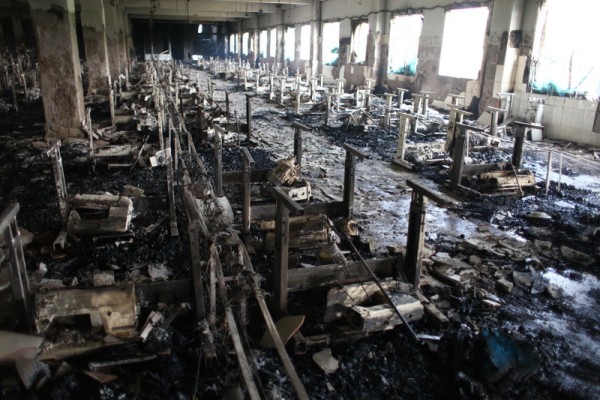
The factory destroyed by fire killing more than 100 workers. Image by Ibrahim. Copyright Demotix (25/11/2012)


The recent tragic fire at Tazreen Fashions Ltd's nine story factory building in Nischintapur, Ashulia (near the Capital Dhaka) that killed more than 110 garments workers, has raised many questions. Although the factory had a total of 335 fire extinguishing equipment and 300 trained employees to fight fire in emergency situations, there was no visible efforts to douse the flames. The fire alarm went off at right time but witnesses claimed that a number of doors were locked by the management preventing the workers from escaping.

As the images of burnt bodies emerged in the social media and in TV broadcasts many people were shocked and outraged. Thousands of angry garments workers protested today (Monday) demanding justice and better working conditions. Many netizens vented their rage in Facebook, blog and other social media asking many questions.
more>>>>>;