

Dragonfly

Image by Rezwan

Overcrowded passenger ferry capsized in the Padma River in Munshiganj, Bangladesh

The World Cup Goal-E Project

This street in Bangladesh has a colorful world cup celebration

New Chum Hill Ruins

Remnants of Kiandra gold mine at New Chum Hill, #nsw #australia

Showing posts with label Blog. Show all posts

August 07, 2015

"No Country For Secular Bloggers": Niloy Neel is the Fourth Bangladeshi Blogger To Be Killed in 2015

Murdered blogger Niladri Chakrabarty Neel, Image by Reza Sumon. Copyright Demotix (7/8/2015)
Murdered blogger Niloy Neel, Image by Reza Sumon. Copyright Demotix
On Friday, August 7 at approximately 1:45pm, five assailants armed with machetes entered the flat of blogger Niloy Neel and killed him brutally. When his wife and sister attempted to save him, the attackers threatened to kill them too.

Niloy is the fourth blogger to be killed in Bangladesh over the last six months. All those killed were secular and critical of conservative religious political movements in the country. Many more have been attacked, subjected to death threats and ostracized by religious hardliners for their writing.
The blogger had written under the pen name "Niloy Neel" in Istishon (meaning "station" in Bengali) as a member of a Bengali group blog that covered political and social issues. Expat blogger Arif Rahman noted that he completed a Master's degree in philosophy from Dhaka University in 2013.

Neel was vocal about secularism and wrote for the platform "Ganajagaran Mancha," demanding capital punishment for 1971 war criminals. Dr. Imran H Sarkar, a leader of Ganajagaran Mancha, writes on Facebook:
‪#‎NiloyNeel‬ was writing for women rights, indigenous peoples, even for all other minorities. He was critic of religious extremism that provoked bombing in mosque and killing thousands of civilians.

He was one of the voice for Social Justice, secularism, human rights and loud for ‪#‎AvijitRoy‬ justice. He frequently got threatened by islamic militants those are trying to destroy this country by terrorism.
The names of these bloggers and others under threat appeared on a list of 84 people submitted to a special government committee by a group of conservative Muslim clerics who accused the bloggers of “atheism” and writing against Islam. Government officials responded by blocking critical websites and making arrests, of bloggers and leaders from the religious right, at the height of #shahbag protests in 2013. Some media outlets, including prominent right-wing blogs, have even propagated the ideathat all bloggers are atheists who “hurt the feelings” of religious Bangladeshis. Eleven of the bloggers on the list (including Niloy) have been killed over the past two years.

Niloy also was active in Facebook, where he shared his opinions on political issues, but also described the threats he was facing. On May 15, 2015, he wrote:
আমাকে দুজন মানুষ অনুসরণ করেছে গত পরশু। ‘অনন্ত বিজয় দাশ হত্যার’ প্রতিবাদে আয়োজিত প্রতিবাদ সমাবেশে যোগদান শেষে আমার গন্তব্যে আসার পথে এই অনুসরণটা করা হয়।
I was followed by two people two days ago while returning home after attending a protest programme demanding justice for the murder of blogger Ananta Bijoy Das.
He went to the police station to file a complaint (general diary), and wrote his experience:
First, a police officer told me personally that the police do not usually register such GDs since the officer who registers it will be accountable for ensuring security of the justice seeker. And if the person faces any problem, that police officer may even lose job for negligence in duties.
Niloy soon after removed all his photos from his Facebook profile as a precaution.

Golam Mortaza questions the government for inaction:
ব্লগার বা অনলাইন লেখকদের 'নাস্তিক ' হিসেবে চিহ্নিত করে হত্যা করা হচ্ছে। এই হত্যাকারীদের বিরুদ্ধে ব্যবস্থা নেয়া মানে 'নাস্তিক ' হত্যাকারীদের বিরুদ্ধে ব্যবস্থা নেয়া। নাস্তিকদের যারা হত্যা করছে, তাদের বিরুদ্ধে ব্যাবস্থা নেয়া মানে নাস্তিকদের পক্ষ নেয়া। সরকারের দৃষ্টিভঙ্গি এরকমই। সরকার বক্তব্যে কোনো রাখঢাক নেই। স্পষ্ট বক্তব্য 'আমরা নাস্তিক হিসেবে পরিচিত হতে চাই না। '
Bloggers or online writers are being labeled as atheists. Its like taking actions against the killers is the same as taking action against the killer of atheists. To take action against against the killer of atheists is taking sides with the atheists. The government thinks in this way. They are not hiding it. They are saying by their actions "We dont want to be labeled as atheists".
One powerful group targeting secular bloggers is Hefajat-e-Islam Bangladesh, an association-based fundamentalist Islamic group in Bangladesh that has sought to ban the right of women to work outside of home and promoted the execution of so-called atheist bloggers.

Shaugat Ali Sagor writes in Facebook:
৮৪ জন কেন ৮৪০০ ব্লগারের জীবনের চেয়েও সরকার যে নাস্তিকদের সমর্থক নয় সেটার প্রমান দেওয়া জরুরী। ৮৪ জন ব্লগারের জীবনের বিনিময়েও যদি হাটহাজারীর হেফাজতওয়ালারা খুশি থাকে, সরকারকে হেফাজতে রাখে- সেটিই বরং দরকার।

আশ্চর্য! হাসপাতালের মর্গে একেকটা লাশ যেমন একেকটা নাম্বার, মানে সংখ্যা মাত্র।একেকজন ব্লগারও যেন কেবল নাস্তিক মাত্র। তারা রাষ্ট্রের নাগরিকক নন- কাজেই রাষ্ট্রের কোনো প্রটেকশন তারা পান না, তারা মানুষ নন- তাদের কোনো মানবাধিকার নেই। আর হ্যাঁ, খুন হয়ে যাওয়া 'ব্লগারটি' নাস্তিক ছিলেন- এই কথাটি একবার মুখ দিয়ে বের করা গেলে, সেটি প্রচারে হেফাজত আর সরকারের সমর্থকরাও একাকার হয়ে যান।'ব্লগার নামধারী নাস্তিকরা দেশের স্থিতিশীলতা নষ্টের চক্রান্তে লিপ্ত, সরকারকে বিব্রত করতে চায়'- নিকট অতীতে কোনো কোনো এমপিকেওতো এমন কথা বলতে শুনেছি।
Why only 84? Even if the number of the dead bloggers is 8400, it is far more important to prove that the government is not aiding the atheists. Even if the lives of 84 bloggers can make the Hefajat-e-Islam Bangladesh happy, keep the government safe [from political pressure] then that is important.

Amazing! The dead bodies of fallen bloggers in the morgue are just numbers. All the bloggers are only atheists. They are not the citizens of the land - so they do not get any protection. They are not human - they have no human rights. And yes, if you can somehow establish that the murdered blogger was an atheist, everyone including the government keeps preaching it. Some members of parliament have said in the past that "in the name of bloggers, atheists are disturbing the stability of the country, they want to embarrass the government."
Jyotirmoy Barua, a lawyer and activist writes that bloggers need to unite:
রাস্তায় প্রতিবাদ করা ছাড়া আর কোন কাজে ব্লগারদের একাট্টা হওয়ার কোন ঘটনা এপর্যন্ত ঘটেনি। এটাই ব্লগারদের সবচেয়ে বড় দুর্বলতা। একটি সংগঠিত দল বা গোষ্ঠী না হওয়া সত্ত্বেও তারা দল বা গোষ্ঠী হিসেবে টার্গেট।

তাই সংগঠিত হোন- নয়ত বাঁচবেন না। প্ল্যাটফর্ম তৈরি করুন। প্রতিরোধ করতে শিখুন। প্রতিবাদে কাজ হবে না। দেশে আইনের শাসন নেই, তাই চেঁচিয়ে লাভ হবে না।
So far the bloggers have not been able to unite on a platform other than protesting in the streets. This is the weak point of the bloggers [of Bangladesh]. They are not a united or cohesive group. But they are being targeted as a group.

So please unite - or you will not live. Build a platform. Learn to defend. Simply protesting is not going to work. There is no rule of law in the country - so crying aloud won't help.
Statement claiming responsibility for Niloy's killing sent to media houses from the email ansar.al.islam.bd @gmail. com

According to news reports Ansar-Al-Islam, the Bangladesh chapter of Al-Qaeda in the Indian Sub-Continent, has claimed responsibility for the killing of blogger Niloy, terming him an enemy of Allah. Witnesses reported that while retreating from Niloy's apartment, his attackers reportedly chanted slogans like “Allahu Akbar”.

An email sent to media houses in Bangladesh reportedly read: “Praise be the God! Soldiers of Ansar-Al-Islam [AQIS, Bangladesh Branch] carried out an operation to slaughter an enemy of God and his messenger (peace & blessings be upon him), whose name is Niloy Chowdhury Neel.”

Meanwhile on Friday the police apprehended Hefajat-e-Islam leader Mufti Izharul Islam Chowdhury over an unrelated incident. Chittagong-based radical group Hefazats Nayeb-e-Amir Izaharul is also the chief of Nezame Islam Party, which opposed Bangladesh’s independence in 1971. One item on Hefazat's agenda is to impose capital punishment on all the atheists in Bangladesh, despite the fact that atheists have the same rights as other citizens in Bangladesh.

In May, Global Voices published a statement issuing a call for safety for all Bangladeshi bloggers and pleading with the Bangladeshi government to bring the killers to justice. Hours after Niloy's killing, the Committee to Protect Journalists published a statement posing a question that many bloggers and human rights advocates today are asking:
How many more bloggers must be murdered before the government of Prime Minister Sheikh Hasina acts decisively to stem the violence and impunity?

The post was also published in Global Voices Online.

May 12, 2015

Ananta Bijoy Das Becomes Third Free-Thinking Blogger Killed This Year in Bangladesh

Ananta Bijoy Das. Image from his Facebook page
Ananta Bijoy Das. Image courtesy his Facebook page
It's a sad day for online activists in Bangladesh. On Tuesday morning, science writer and blogger Ananta Bijoy Das was murdered by a group of three or four masked people wielding machetes in Sylhet, Bangladesh's fifth largest city.

It was the third such killing this year of a writer who advocated secular thought, allegedly at the hands of religious extremists.

Das, 33, was a banker by profession but also edited a quarterly magazine called Jukti (Logic) and headed the Sylhet-based Science and Rationalist Council. He was the author of four books on science and critical thinking, and took an active part in the Ganajagaran Mancha, a forum born out of the Shahbag protests that demands a ban on Islamist parties and the death penalty for convicted war criminals.

Das was also an admin for the Bangla blog Mukto Mona (Free Thinkers), which won Deutsche Welle's prestigious BOBS award for social change in April 2015.

According to the Doha Centre of Internet Freedom:
While most of Das's output for Mukto-Mona focused on science and evolution, he wrote a number of blogs that criticised some aspects of Islam and also of Hinduism.

In comments on Facebook posted early Tuesday, Das slammed the local member of parliament from the ruling Awami League party for criticising one of the country's top secular and science fiction writers.
Bangladesh, a Muslim-majority country, is officially secular. But people who have challenged religion have repeatedly been targeted by Islamic extremists in the past decade.

The nature of the threats have also escalated from local to international. Just a week ago, Al Qaeda in the Indian Subcontinent (AQIS) claimed responsibility for the assassination of Bangladeshi-American blogger Avijit Roy (the founder of Mukto Mona blog) on February 26 in which his wife Rafida Ahmed was badly injured. In a recent interview, she slammed Bangladesh's government for inaction and has termed the attack on her husband as "well planned, choreographed – a global act of terrorism."

On March 30, another blogger who opposed irrational religious belief, Washiqur Rahman, was hacked to death in Dhaka. Two madrassa (Islamic religious school) students were apprehended and a third assailant got away. Both Roy and Rahman's cases are under trial.

Das had been on extremists' hit list for some time and was first named in a list of 84 bloggers deemed atheist or blasphemous by Islamic hardliners submitted to the government in 2013.

AQIS claimed responsibility for Das’s murder, according to tweets by extremist group Ansar Bangla Team. "Another file closed! Stay tuned for next target," the statement read.

Screenshot of the AQIS statement
Outrage over Das' death spread quickly. Prominent blogger Arif Jebtik wrote on Facebook:
লিখতে, বলতে, ভাবতে কোনো কিছুতেই আগ্রহ পাই না। ৮৪ জনের একটি তালিকা স্বরাষ্ট্র মন্ত্রণালয়ে জমা পড়েছিল দুইবছর আগে, তালিকা থেকে নবম হত্যা হয়েছে আজকে সিলেটে। তালিকা নিশ্চয়ই চূড়ান্ত নয়, গত ২ বছরে আরো নাম সেই তালিকায় নির্ঘাত যুক্ত হয়েছে। কিন্তু অন্তত এই ৮৪ জনের ব্যাপারে গত ২ বছরে কোনো খোঁজখবর হয়নি, তাঁরা নিয়মিত বিরতিতে খুন হওয়া শুরু করেছেন।
মাসিক কোটায় হত্যা শুরু হয়েছে হয়তো এটি সপ্তাহান্তের কোটায় উন্নীত হবে। ৮৪ জন যাবে, আরো হাজার চুরাশির নাম তালিকায় আসবে। খানিক আহাজারি হবে, সবখানেই একটা ফিসফিস-চুপচুপ ভাব, কিছু বিকৃত মানুষের উল্লাস-তারপর পরের হত্যার জন্য অপেক্ষা।
এই দেশে আইনবহির্ভূত সব হত্যাই জায়েজ হিসেবে মেনে নিয়েছে বৃহত্তর জনগোষ্ঠি, এখানে সবগুলো খুনই 'বিচ্ছিন্ন ঘটনা'।
I don't have the impetus to write, say or think anything. Two years ago a list of 84 bloggers was submitted to the Ministry of Home, 9th from the list was murdered today in Sylhet. This list is not exhaustive, surely more names have been added in the past two years. But nobody bothered to think about the safety of these 84 individuals. They are ending up dead one by one, in regular intervals. Now they are killing one every month, maybe they will speed up to do the same weekly. This list will be done, thousands more will be added. People will regret the death a bit, hush, silence everywhere, demonic joy from some perverts, then everybody waits for the next kill. In this country all these illegal killings have been taken for granted, every death is an isolated incident.
Blogger and activist Rayhan Rashid remembered the fallen who were attacked or killed for their free thinking in Bangladesh:
Ananta Bijoy Das's last posts were translated from Bengali to English by Arunava Sinha:
The International Humanist and Ethical Union (IHEU) wrote in a blog that Ananta Bijoy Das's application for a visa to travel to Sweden, under invitation from Swedish PEN to speak in a conference, was rejected recently by the Swedish embassy in Dhaka, on the basis that he might seek to remain in Sweden.

Exiled writer and columnist Taslima Nasrin blamed the government:
Bangladesh government is not taking any action against the Islamist-killers for being afraid to be labelled as anti-Islam. Islamists are allowed to do whatever they like in Bangladesh. It seems killing free-thinker atheists who criticize Islam is their main agenda.

Rajib Haider
A.K.M Shafiur Rahman
Avijit Roy
Washikur Rahman Babu
Ananta Bijoy Das.
Who is next?

Tomorrow maybe you. Or maybe me.
Blogger Haseeb Mahmud wrote:
পুলিশের দায়িত্ব কি সেটা এই মুহুর্তে একটা প্রশ্ন। অভিজিৎ হত্যার কোন সুরাহা হয়নি। ব্লগার রাজিব হত্যার মামলায় গ্রেফতার ও সেটার বিচার শুরু হলেও সেই হত্যাকান্ডের নাটের গুরু এখনো ধরা ছোঁয়ার বাইরে। অনন্ত বিজয়ের হত্যাকারিদের গ্রেফতার ও তাদের রাতারাতি বিচার শুরু হবে এটাও আশা করা কঠিন। আমাদের করণীয় চাপাতির মুখে লেখা না থামানো। লেখা থামালে জিতে যাবে আনসারুল্লাহ।
What the responsibility of the police is at this point is a question mark. They could not find the killers of Avijit Roy. They have arrested the killers of blogger Rajib, but the mastermind is on the loose. It is a tough to hope that the killers of Ananta Bijoy will be nabbed anytime soon or a trial will start. Our prerogative is to not to stop writing even if confronted by wielding machetes. If we stop writing they will win.
The post was also published in Global Voices Online.

October 16, 2014

An Indian Photoblogger's Lone Fight Against Plagiarism

Term of copyright in photographs:- Length of copyright -50 years. Graphics by Anirban Saha. Used with Permission.
Indian photoblogger Anirban Saha points to a growing problem in India -- plagiarism of intellectual property online. A number of his photos were used in a poster for a theatre festival, on a cover of a book, in an advertisement by the state government, in political banners, in magazines in Sri Lanka and Bangladesh, and a school publication without his consent.

He writes that Indian copyright laws protect intellectual property, but there is not much awareness:
We can spread the awareness of intellectual property rights, share contact details of lawyers who have already fought similar cases. We should be more aware of safeguarding our creations and spreading the awareness to create a better world. Read about Indian Copyright Act 1957. More than the artists who still now are a minority, it is you readers who can make a difference. You need to be aware and spread the awareness.
Anirban Saha also publishes a number of graphics to make the Indian copyright laws easier to understand.

The post was also published in Global Voices Online.

June 04, 2014

University Student Posts Suicide Note In Facebook, Friends Fail To Save Him

Suicide is a long term social issue of Bangladesh and of all the people reported dead due to suicide worldwide every year, 2.06% are Bangladeshis.

Mahbub Shaheen, a student of Dhaka University, posted a Suicide note in Facebook at 7:08PM on 2nd of June, 2014. He wrote:

I am lying on Rail Line. The Train is coming. And I am going to kick out bloody myself, the useless eater.


Once I've posted a comment "I should leave" then after I posted "I have to leave". Some of you asked me- "From where & where will you go?"

I don't know where I am going. But I am leaving. Leaving useless myself forever.

Good bye, good bye forever.

In the comments section of the above post it is revealed that his friends tried to locate Shaheen who was supposed to reach Dhaka, the capital by a train by the evening. His mobile was unreachable so they tried to inform police and his family but did not know how. A few hours later someone confirmed that his body was found near Kamalapur Railway Station.

This shows that Bangladesh desperately needs an effective suicide prevention hotline to act quickly and save people like Shaheen.

The number one cause for suicide is untreated depression. Depression is treatable and suicide is preventable. You can get help from confidential support lines for the suicidal and those in emotional crisis. Visit Befrienders.org to find a suicide prevention helpline in your country.

August 27, 2012

How To Activate DISQUS Commenting System in Blogger instead of Haloscan Echo

When I first started my blog in blogger in 2003 its comment system was not great. Haloscan (est. in 2002) was one of the third-party blog comment hosting services available in those days and I guess in 2005 I started using Haloscan. Haloscan was acquired by JS-Kit in 2008 and was renamed Echo in 2009. The users of Haloscan were forced to switch to JS-Kit Echo paying a fee. I could go back to blogger's own commenting system which became mature by then. But one problem was how to retain the hundreds of comments I had received back then. So I decided to switch to Echo.

In April 2012 Echo announced that Echo would discontinue JS-Kit, Haloscan and Echo comment modules from October 1, 2012 in favor of social media applications.
As many of you know, in late 2010, Echo decided to shift our product strategy and start offering a real-time platform as opposed to strictly a commenting application. Since then, Echo has evolved our original commenting solution into a new business model that provides a real-time platform for social tv, social news, social music and social commerce. As such, we unfortunately can no longer commit to the level of support that you have come to expect on our original commenting product.

 Now the challenge for me was to find a new commenting service or go back to the blogger's own commenting system. And the previous concern was there too that whether I can retain all previous comments on my blog. A great savior was DISQUS which I first saw embedded in Global Voices site. It has a lot to offer.
Disqus (est. in 2007) is an online discussion and commenting service for websites and online communities that uses a networked platform. The company’s platform includes various features, such as social integration, social networking, user profiles, spam and moderation tools, analytics, email notifications, and mobile commenting. (Wikipedia)
Disqus is written in JavaScript and is powered by a back end primarily written in Django. It is supported by all major webbrowsers. So how to switch to Disqus, if you are a Haloscan user in Blogger? First read this quick start guide and create an account in Disqus, register your site and create a short name for your site. Then install Disqus in your site according to platform specific instructions.

img

Now the best part - here is a step by step guide for importing previous comments from JS-Kit (first you have to export them from JS-Kit and yes within September 30, 2012). After uploading Disqus will take upto 24 hours to process all your previous comments. I am yet to see the result of the import. But here is to hoping that I don't lose much.

p.s. If you want to do it manually in Blogger then this may help.

November 15, 2011

An exemplary Protest Against Dowry

For centuries dowry has been part of the social system in many parts of the world and in developing countries it is seen as a financial burden for the bride's family. In several South Asian countries it has been prohibited by law in the past century, but dowry is still widely and illegally practiced.

Each year we hear about dowry-related domestic violence which may end up in the killing of wives by some husbands. A recent protest against dowry is being much discusses and lauded in the social networks in Bangladesh.

11/11/11 was chosen as the dream wedding date of the bride Farzana Yasmin, who works in an insurance company, and the bridegroom Shawkat Ali Khan Hiron, who is a head master of a government primary school. The wedding duly took place last Friday [bn], but during the reception Farzana's in-laws demanded a TV set, refrigerator, motorbike and a few more things as 'gifts' from the bride's family in presence of the guests.

The bride was stunned to see that her new husband was voicing support for their demands and sent ripples across the country by divorcing him right at the wedding. The relatives of the bridegroom tried to solve the dispute into the night but Farzana stuck to her word.

The bridegroom later wrote in a Facebook status that the truth is that his marriage ended and he apologized to the guests. He also claimed that he did not ask for a dowry. He then launched a smear campaign [bn] against the bride on Facebook. Netizens widely protested this and the hate filled posts were later removed.

Farzana explained:
Dowry has become a cancer of society. I've read in newspapers about it and have always wondered why this happens. [..] When it happened right before my eyes, something happened inside me. I felt like speaking up against it and doing something about it.... [..] Maybe I haven't changed the lives of ten people, but I want people to take the lesson that girls can do something.
She asked that if she, being an educated girl cannot take this decision, who can?

Here is a video of an interview [bn] she gave to local media (uploaded by Priyochannel).


Unheard Voice blog posts translations from the interview:
So what if I got divorced? I don’t need it. I can live by myself. I can never build a home with a man like this… Girls think once you get married you can never leave. They make comments like, how could she get divorced. Why should I live inside a hell when I know it is… We speak against dowry, but it still happens. If I don’t protest now, another five women will not protest against this… You see all these protests, rallies, but it still continues. This society continues to be ruled by men. How could a teacher ask for dowry? What will society learn from a teacher like that? And he is a government teacher. And government talks against dowry. These people need to be punished, they need to be socially ostracized. I am proud to say I walked out, even though I was dressed as bride.

Farzana at the interview - by Kowshik


Kowshik was there during the interview and wrote about it in BDNews24.com blog [bn]


তার যুগান্তকারী ঘটনা শুনছি। ফারজানাকে দেখে সজাগ হতে হয়। এমন সাহসী সিদ্ধান্ত ক’জন নিতে পেরেছেন? যৌতুকের দাবী মেটাতে গিয়ে নির্যাতনের শিকারের ঘটনা আমরা অহরহ শুনি। কিন্তু এভাবে ঘুরে দাঁড়াবার দৃষ্টান্ত বিরল।

Listening to her remarkable story. One has to be amazed by her deeds. How many people can take such a brave decision? We hear about domestic violence related to dowry all the time. But such bold stand is a rare phenomenon.
Kowshik's post attracted many comments. Gias Uddin Bhuiyan congratulated her and said:
তিনি যে এই সাহসী পদক্ষেপটি নিয়েছেন তা প্রতিটি ঘরে ঘরে প্রতিটি মানুষের মনে রাখা উচিত এবং সকলের জীবনে তার প্রতিফলন ঘটানো উচিত। শুধু তাকে বাহবা দিলেই দায়িত্ব শেষ হবে না।
Every person in every home should remember this bold step taken by her and the lesson should be applied in our lives. The responsibility doesn't end only by congratulating her.
Pankaj Chowdhury said:
ফারজানা তোমাকে অনেক অনেক ধন্যবাদ। তুমি দেখিয়ে দিয়েছ মেয়েরা বাজারের পন্য নয়। মেয়েরাও মানুষ তাদেরও স্বাধীনতা আছে।

Farzana, many thanks to you. You have shown that women are not products at markets. They are also human beings and they are independent.
Muktadir S. Hossain comments on an article in the Daily Star:
This is just the beginning. For all those beggars who look for dowry, this is a warning.
Manzor H. sarkar writes:
My full admiration for this girl's guts and courage and her decisive refusal to the compliance with this century-old stupid tradition or practice of dowry in our sub-continent. She fully realised what type of marriage was going to be installed. It looked like more to a sale deed rather than a bond of matrimony based on mutual trust and love.
The reality is that Farzana is just one odd amongst millions of women who have to live through the ordeals of dowry. When will society wake up?

First published in Global Voices.

September 16, 2010

Why we need online RSS reader clients


Ever since I started to use rss readers it changed my life. Earlier I used to read newspapers regularly by actually going to the sites. But instead I subscribe to certain newspapers and certain keywords in Google search and I can follow news or opinions targeted to a specific region or community at ease.

However, it seems rss could not appeal to many people who want more dynamic and updated information. Twitter, Facebook etc. provided them with more real time information withing the community. I have nothing against them but have doubts whether they will ever cater my special needs as Twitter updates are not stored somewhere to get hold on to. Your only option is to search and you get information overload and might miss the actual news.

I didn't even notice that people are talking about the death of rss readers. I realized after Bloglines announced that it is going to shut down on 1st of October, 2010. I should have seen it coming as there were reports suspecting the demise of Bloglines.


Bloglines quoted Steve Gillmor as a reason for their decision:

..being locked in an RSS reader makes less and less sense to people as Twitter and Facebook dominate real-time information flow. Today RSS is the enabling technology – the infrastructure, the delivery system. RSS is a means to an end, not a consumer experience in and of itself. As a result, RSS aggregator usage has slowed significantly, and Bloglines isn’t the only service to feel the impact.. The writing is on the wall.


And more so it struck to me as I tried to switch to a suitable rss reader replacement. I already use Google reader for monitoring Rising Voices Projects and keeping an eye on the development of new media in general. So I have tried for other online rss reader options (to access from anywhere) and found that Wasabi, Rojo, Newsgator - these services does not exist anymore. Pluck went down in 2007 and the rest of them followed.

Now we need to give a serious thought on what should be the way forward. Why should I invest my time in Google reader if it is going to shut down in near future? Mathew Ingram argues that rss is not dead, but but merely evolving. But we need more online based services so that we do not feel like we are pawn to Google's free service monopoly.

Does anybody have a suggestion which online rss reader client can I use except Google Reader?

May 28, 2010

Civics In Difficult Places


In a live demonstration of globe-straddling communication technologies like Skype, this forum connects to citizen journalists and activists around the world, some of whom frequently test the limits of governmental authority. Moderator Ethan Zuckerman wonders if these new digital forms are fundamentally liberating, providing users access to public spaces they might otherwise be denied. He pursues this line of inquiry in a series of internet conversations with correspondents covering some of the world’s most ravaged or oppressed regions. (MIT World)

Speakers:

Cameran Ashraf
Mehdi Yahyanejad
Georgia Popplewell
Huma Yusuf
Ruthie Ackerman
Bev Clark
Lova Rakotomalala

April 14, 2010

Bangla Blogs At The BOBS - Meet Ali Mahmed

This interview was first published in Global Voices Online.

Deutsche Welle's 2010 The Best Of Blogs (BOBs) international award has a significance for the Bangla (Bengali) bloggers in Bangladesh, India and the Bengali diaspora around the world. In its 6th round of blogging competition Bangla language blogs have been included in the BOBs [bn] for the first time. With approximately 230 million speakers, Bangla is one of the most spoken languages in the world. This award is significant in a sense that we have not seen any successful nationwide best of Bangla blogs competition in Bangladesh or in India till-to-date.
Among the 11 Bangla blog nominations we have a mix of prolific bloggers with different backgrounds.
Ali Mahmed (Shuvo)
Today we are introducing Ali Mahmed (Shuvo), who writes from Gangasagor union in Akhaura Upazila, situated in the Eastern border of Bangladesh. Ali Mahmed is currently leading among the Bangla Blog nominees on the basis of readers votes. I am translating below an email interview with Ali Mahmed, which discusses about his blogging and the blogging scene in Bangladesh.
GV: Would you please introduce your blog and tell us what kinds of topic you cover?
উত্তরটা আমার জন্য বড়ো কঠিন। আমি যেটা করার চেষ্টা করি, আমার বিক্ষিপ্ত ভাবনাগুলো একত্রিত করে লেখার প্রচেষ্টা, সবিরাম। আর এখানে লেখা মানেই তো ব্লগিং।
অবশ্য আমার লেখাগুলো আদৌ প্রচলিত ব্লগিং-এর পর্যায়ে পড়ে কিনা আমি জানি না। এবং প্রচলিত কোন ধারা আমি মেনে চলি না। যেমন আজ মশা নিয়ে লিখলাম- মশার প্রতি মানুষের বিশ্বাঘাতকতা, তো কাল মা হাতি- যে হাতিটা আগে মা পরে হাতি, একটু পরই বুশকে নিয়ে - তিনি কেমন করে রক্তের সঙ্গে তেল মিশিয়ে নতুন একটা জ্বালানী আবিষ্কার করার চেষ্টা করছিলেন। পরশু হয়তো কোন একটা ধর্ম নিয়ে, এর পরের দিন হয়তো বা বিজ্ঞান বিষয়ক কোন একটা লেখা। এই জন্যই শুরুতে বলেছিলাম, এই প্রশ্নের উত্তর দেয়াটা আমার জন্য মুশকিল।

The answer is very difficult for me. What I try to do is to accumulate all my ideas and try to write about them, continuously. And writing in blogs is blogging! But I am not sure whether all my writings fall in the criterion of “traditional blogging” as I do not follow any tradition. Like one day I wrote about the betrayal of men to the mosquitoes [bn], then the next day on a mummy elephant [bn] - which is a mother first and an elephant next. The day after I would write about a religion [bn], and on a science related [bn] issue on the next day. That's why I mentioned at the beginning, the question is hard to answer.

GV: You are basically a writer. When did you start to blog and why?
আমি নিজেকে লেখক বলে স্বীকার করি না। বলি লেখার রাজমিস্ত্রি। একজন রাজমিস্ত্রি যেমন একের পর এক শব্দের ইট বসিয়ে একটা কাঠামো গড়ে তোলার চেষ্টা করেন তেমনি আমিও একের পর এক শব্দের ইট বসিয়ে একটা কাঠামো গড়ার চেষ্টা করি। কোন পাঠক যখন আমার সেই নিষ্প্রাণ বাড়ি নামের কাঠামোটা ছুঁয়ে দেন তখন সেটা হয়ে উঠে ঝলমলে একটা প্রাসাদ।
আমি লেখালেখির নামে ব্লগিং শুরু করি ২০০৬ সালের ফেব্রুয়ারিতে। কোন এক দৈনিকে ‘সামহোয়্যার ইন ব্লগ ডট নেট’ এই সাইটটার খোঁজ পাই। ওখানেই শুরু।
এঁরা এক অভাবনীয় কান্ড করে ফেলেছিলেন। এঁরাই প্রথমে এই দেশে বাংলায় লেখালেখি করার সুযোগ করে দিয়েছিলেন। এই দেশের পক্ষ থেকে আমি গভীর কৃতজ্ঞতা প্রকাশ করি। আমরা যারা দেশে থাকি তাদের চেয়ে এটা অতি জরুরী ছিল প্রবাসীদের জন্য। খানিকটা অক্সিজেন, প্রবাসীরা এখানে তাদের দমবন্ধ শ্বাস ফেলার সুযোগ পেতেন- একমুঠো দেশের সোঁদা মাটির গন্ধ! এর ফল যে কী অকল্পনীয় তার পুরোটা আঁচ করা মুশকিল।
কেন ব্লগিং শুরু করলাম এটা অল্প কথায় বলি, আমি তো আগেও লেখালেখি করতাম। ওখানে ব্লগিং শুরু করার পূর্বেই বিভিন্ন পত্রিকায় লিখেছি, তখন পর্যন্ত আমার বেশ ক-টা বইও প্রকাশিত হয়েছিল। কিন্তু ওখানে এসে লেখার শক্তি দেখে হতভম্ব হয়ে গেলাম। ফারাকটা টিভি নাটক এবং মঞ্চনাটকের যে তফাত, এমন! একেবারে লাইভ, জীবন্ত!
একটা লেখা দিয়ে আপনি পার পাবেন না, পাঁচ মিনিটের মধ্যেই ভাললাগা-মন্দলাগা জেনে যাবেন, ভুল লিখলে জালে আটকা পড়বেন।

I don't acknowledge myself as a writer - I term it a mason of words. A mason builds a structure with bricks over bricks - likewise, I try to arrive at a structure with my craft on words. When a reader touches my lifeless house of words, it transforms into a sparkling palace. I started blogging in February 2006. I read about the (first Bangla blogging platform) somewhereinblog.net site in a newspaper and it began.
This site has done wonder in giving the privilege of blogging in Bangla in this country. I express my sincere gratitude to them on behalf of my fellow countrymen. This was also vital for the diaspora community - they could find a breathing space here - the smell of a hand-full of mother earth from home. The effect is unthinkable and difficult to fathom.
Why I started to blog - I will be short - I was writing before I started here. I wrote in a few newspapers and had already published a few of my books. But I was stunned to see the power of writing when I started blogging. The difference is like between a television drama and a theater performance. Its live, very active.
You cannot get away writing in a blog - a reader can react within 5 minutes. If you write anything wrong you will be caught.
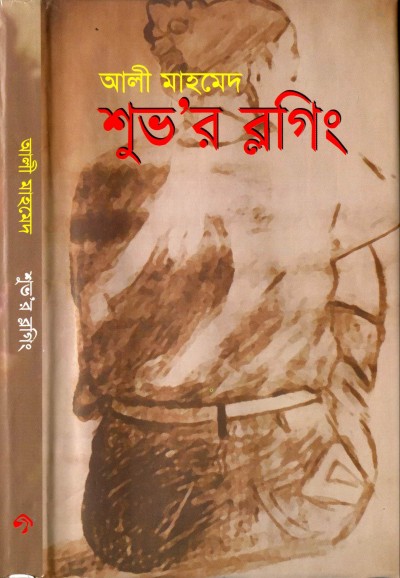
GV: In 2007 your book “Shuvo's Blogging” was published. It is deemed as the first book in Bangla on Blogging. What motivated you for this feat?
Shuvo bloggingএটা বের করার পেছনে ঠিক সুনির্দিষ্ট কোন কারণ ছিল না। এক বছর আমি সামহোয়্যারে চুটিয়ে লেখালেখি করেছিলাম। ওখানে বেশ কিছু আমার পছন্দের লেখা ছিল, তাছাড়া অনেকের সঙ্গে অজস্র মন্তব্য চালাচালি হয়েছিল। ইচ্ছা ছিল মন্তব্যসহ পোস্টগুলো নিয়ে আসা কিন্তু তাহলে বইটা গিয়ে দাঁড়াত প্রায় হাজার পৃষ্ঠার, এই বিপুল আকারের বই বের করতে প্রকাশক আগ্রহ বোধ করতেন না। আরও কিছু সীমাবদ্ধতার কারণে কেবল পোস্টগুলো নিয়েই বই বের হলো।

There was not a definitive reason for publishing this. I wrote a lot in somewhereinblog.net during the first year. I had many favorite write-ups there and some of them were widely discussed in the comments section. My idea was to include those comments, but it would need at least a thousand page - no publisher would have been interested. So with all those limitations the published book consists of only a number of blog posts.
GV: You started writing in a community platform - and now writing in your own site. Please let us know the difference.
কমিউনিটি ব্লগিং-এর বিপুল শক্তি হচ্ছে এর পাঠক। সামহোয়্যারে বা অন্যত্র লেখার সময় এমনও দাঁড়িয়েছে আমার কিছু পোস্টে হাজারেরও উপর হিট ছাড়িয়ে গেছে, যেটা আমার নিজের সাইটে অকল্পনীয়। কিন্তু কেবল হিটটাই বড়ো কথা না, অনেকের মন্তব্য পড়ে বোঝা যেত আদৌ তিনি লেখাটা পড়েননি!
কমিউনিটি ব্লগিং-এ যে সমস্যা আমাকে ভারী বিব্রত করত, তা হচ্ছে দলাদলি। বুশ স্টাইল, হয় তুমি আমার দলে নইলে খেলা থেকে বাদ। এতে আমার প্রবল আপত্তি ছিল, এখনো আছে। আসলে এটা হচ্ছে আমাদের দেশের কালচার। এখানে জন্মের পরই আলাদা করে ফেলা হয় একটা প্রাণ পশুর, না মানুষের বাচ্চার? এরপর ছেলে, না মেয়ে? কোন ধর্মের? বাড়ি কোন এলাকায়? পরিশেষে কোন দল করে? কালে কালে এটা আমাদের শেখানো হয়েছে!
অনলাইনে লেখার সময় আমি ভয়ে কাঠ হয়ে থাকি, এই রে কোথাও ভুল লিখে বসলাম না তো আবার- প্রচুর পড়তে হয়, হাতের নাগালে তথ্য-উপাত্ত রাখতে হয়। এখানকার পাঠক কিন্তু আমার উপন্যাসের টিনএজ পাঠক না, দুর্ধর্ষসব মানুষ, যারা প্রবাসে গেছেন উচ্চশিক্ষার জন্য। এঁদের রয়েছে চিন্তা করার বিপুল ক্ষমতা!
অন্যদের কথা জানি না কিন্তু এই সব আমার উপর চাপ পড়ত। তারচেয়ে আমার নিজের সাইটে যখন লিখি, লিখে বড়ো আরাম পাই। বাড়তি চাপ নাই। যে অল্প পাঠক সাইটটা ভিজিট করেন তারা মুলত পড়ার জন্যই আসেন। তাঁদের সঙ্গে আমি আমার ভাবনা শেয়ার করতে পারি, ‘বাঁশে ভিউ মিরর' লাগাবার আইডিয়া। আমার স্বপ্নগুলো ছড়িয়ে দিতে পারি, আমার ভুলগুলো শোধরাতে পারি।

The power of community blogging is the readers of the community. When I wrote in Somewhereinblog.net or elsewhere it happened that a few of my writings got thousands of hits within a short span, which is unthinkable for my own site. But only the hits are not important, I received some comments and I knew that they have not read the whole post. The problem in the community blogging (in Bangladesh) is grouping (and acrimony). Its Bush style, either you are in my team or out of the game. I objected about this, I still do. Actually its the culture of our country. We are being segregated from the birth - is this the life of a human or an animal? Then is it a boy, or girl? Of which religion? Where is the domicile? and last which political party (s)he belongs? We were taught to think like this.
I feel scared when I write online - whether I am making any mistake. I have to read much - have to keep the statistics, links ready. The readers here are not the teenage readers of my book - they are very knowledgeable, some have traveled abroad for higher studies. They have got a higher power of thinking!
I don't know about others, but this created much pressure on me. When I write in my own online space, I feel much relieved. There is no extra pressure. My loyal readers come here to basically read my articles. I can express my ideas with them, like the idea of adding a rear view mirror on a bamboo [bn]. I can share my dreams, I can correct my mistakes.
GV: Please share your ideas of the blogging scene in Bangladesh.
আমি প্রচন্ড মুগ্ধ! এক কথায় দুর্ধর্ষ, এখানে ব্লগিং-এর নামে যেসব লেখালেখি হয়, অনেকের লেখা পড়ে, তাঁদের ভাবনার প্রসারতা দেখে আমি থ হয়ে যাই। পারলে এদের হাত সোনা দিয়ে বাঁধিয়ে দিতাম। আমাদের দেশের যেসব বিখ্যাত লেখকগণ রয়েছেন এঁরা কল্পনাও করতে পারবেন না, এখানে এমন অনেকে লেখালেখি করেন তাদের লেখার-ভাবনার কী গভীরতা!

I am really enchanted! Its simply very powerful, I am spellbound to read some of the writings, and the depth and richness of the bloggers' thinking. If I could I would cover their hands with gold. The popular writers in our country can never dream of the depth and skills some of these (unknown) bloggers have.
GV: In a country where there are 40% illiterates, how do you see freedom of expression as a tool of establishing democracy and can blogging play a role here?
এই প্রশ্নের উত্তর চট করে দেয়াটা মুশকিল। যদি বলা হয় হ্যাঁ তাহলে অতিশয়োক্তি হবে। যেখানে শতকরা ৪০ ভাগ মানুষ অশিক্ষিত, এখানে খুব অল্প মানুষই নেট ব্যবহার করেন। তাছাড়া আমাদের দেশ যারা চালাচ্ছেন তাঁদের এইসব পড়ার সময়, যোগ্যতা কই? এমতাবস্থায় ব্লগিং করে চট করে কিছু করে ফেলা যাবে এটা বলা মুশকিল। তবে ভূমিকা রাখা যেতে পারে পরোক্ষভাবে।

Its difficult to provide an answer quickly. If you say yes then it would be exaggerated. 40% people are illiterate and only a small portion of population uses internet. Moreover for many of those who are leading the country - neither they have time to read these, nor they have the competence.
GV: How do you feel to be nominated in an international competition like BOBS?
অবশ্যই এটা অতি আনন্দের। তবে আমি পেছনের কাতারের মানুষ। হুট করে সামনে চলে এলে বিভ্রান্ত হয়ে পড়ি।

Of course its very pleasing. But I am a backbencher - so I get confused when I am pushed in the front bench.
GV: Please tell the Global Voices readers how reading the Bangla blogs will benefit them?
এটা আমি একটু ঘুরিয়ে বলব। কোন দেশ কতটা সভ্য এটা তার স্বর্নের মজুত বা মিসাইলের সংখ্যা দিয়ে হয় না। আমি মনে করি ওই দেশের মানুষদের ভাবনা, যার আরেক নাম ব্লগিং নামের লেখালেখি দিয়ে হয়।
এখন আমরা কোন দেশের লোকজনের ভাবনা জানব কেমন করে? পত্রিকা-মিডিয়ার মাধ্যমে, উঁহু। ওখানে আমরা কেবল জানতে পারব মেদবহুল ভাবনা। নির্মেদ ভাবনা জানার জন্য ব্লগিং নামের শক্তিশালী এই মাধ্যম ব্যতীত অন্য কোন উপায় নাই। দেশটা বাংলাদেশ নাকি কঙ্গো সেটা দেখার বিষয় না, দেখার বিষয় হচ্ছে ওখানকার মানুষদের ভাবপ্রকাশ-ব্লগিং।
যেমন আমরা এই গ্রহের সাহিত্য বলতে বুঝি ইংরাজি সাহিত্য প্রকারান্তরে আমেরিকা-বৃটেনের সাহিত্য। মুভি বলতে বুঝি আমেরিকার মুভি। ব্লগিংটাও যেন সে পর্যায়ে না যায় সেজন্য আমাদের যেটা অতি সত্বর করা প্রয়োজন পৃথিবীর বিভিন্ন ভাষার ব্লগারদের লেখা অন্য ভাষায় অনুবাদ করার ব্যবস্থা করা।

I will say it the other way round. You cannot measure which country is more civilized by its gold reserves or the number of missiles. I think you can measure it from the thinking of the citizens, which can be read from their writings known as blogs. How can we learn about the thinking of the people from a country? From print or visual media? No. We can only learn about bloated thoughts from them. To learn about genuine opinions there is no alternative to reading blogs. It does not matter which country the blogger is from, Bangladesh or Congo. The only thing matters is the expressions of opinions of citizens.
Now a days the predominant literature of the world is English literature (US & UK). Movies are predominantly from US (Hollywood). So to prevent blogging from getting monopolized we need to translate blogs of different languages to other languages of the world.
GV: Your six year old son has started blogging. How do you feel about it?
অনুভূতিটা অন্য রকম। আমি আমার সন্তানকে ব্লগিং করা দেখিয়ে দিয়েছি। আর সে আমাকে দেখিয়েছে এটা, সে ৬ বছর বয়সে ব্লগিং করে আর আমি ২৭ বছর বয়সে প্রথম কম্পিউটার ছুঁয়ে দেখেছিলাম!

The feeling is different. I just briefed my son how to blog and he has picked it up. He is blogging at the age of 6 and I touched my first computer at the age of 27!
The voting at the BOBS ends on April 14th. So if you are a Bangla speaker please read these blogs and don't forget to vote for the best within Wednesday.

Update: For our non-Bengali speaking readers here is a link to some of the blog posts of Ali Mahmed in English.

April 08, 2010

Quoting Blogposts And Copyright Issues

(Image by Flickr user Horia Varlan, used under a Creative Commons License)

A growing problem in today's blogosphere is copy-pasting. When you are trying to find some original opinions - you will be surprised how many bloggers resort to just copy-pasting a news or a whole blogpost from other blogs. The line between spamblog or splogs and these blogs then disappears.

I link to other blogs a lot. I quote from them, analyze them dissect them or just highlight them. So whats the difference between quoting a para of a blog and copy-pasting the whole blog? A hell-lot.

First of all what the law says? Can you replicate someone else's copyrighted content? The answer is NO. As per Ann Smarty, SEO Consultant and Diretor of Media at Search and Social Media, LLC:
  • You cannot copy someone else's article even if you link back;
  • There is no definitive rule as to how much you are actually allowed to copy.
  • There is one exception though: "Fair use"
According to US copyright office:
Under the fair use doctrine of the U.S. copyright statute, it is permissible to use limited portions of a work including quotes, for purposes such as commentary, criticism, news reporting, and scholarly reports.

Examples of fair use include: "illustration or clarification of the author’s observations."

So if you are criticizing someone else's blog post/opinion/comment, you have a fair use right to quote. Moreover also check whether the work is published under a creative commons license (copyleft). If not you can always ask an author for permission of use of the content. It is always helpful to know your limits.

Read Ann Smarty for more details.

Meanwhile also check these useful articles:

December 25, 2009

Quote Of The Day

Bloggers are commonly read mostly by other bloggers and by a select audience; we must accept that even today, most people are unfamiliar with blogs at all (not to mention twitter), and unless/until blogs demonstrate a social value great enough to attract the attention and respect of the public, they will remain of marginal interest only. That, by the way, is just one reason there are no "blogger millionaires". - DJ Drummond at Wizbang
Reblog this post [with Zemanta]

December 08, 2009

Nominate Your Favorite Bangla Blogs


Deutsche Welle recently announced its sixth annual international Best of the Blogs awards: the BOBs. The nominated blogs will be sorted in eleven different language categories including Bangla (Yayeee!).

Global Voices informs:

Any person interested in nominating a blog, must first search for it in the BOBs blogopedia and submit the blog of their choice in the competition database if it is not already listed. The jury will select the finalists. Winners will be selected from this group of finalists between March 15 and April 14 through a combination of online voting and a jury selection.
On April 15, the winning blogs and podcasts will be announced at the Re:Publica Internet conference in Berlin [de]. The awards ceremony will take place at the Deutsche Welle Global Media Forum in June 2010 in Bonn.

Its Blogopedia database has now 15,558 registered blogs from across the world and an easy search function with keyword, tagcloud and location based applications.

So what are you waiting for? Go nominate you favorite blogs!

November 23, 2009

Blogspot banned in Indonesia?

Well that question did not come into my mind albeit I had troubles accessing my blog (which is on blogspot domain) yesterday.

Today when I could not access multiple sites on blogspost, I tried them via proxy and could access them successfully. Then I realized that something is wrong and started Googling for news. It seems only the Jakartass blog has the information. It reveals:
A few Indonesian ISPs - namely Fastnet, CBN and Smart - blocked Blogger yesterday, albeit temporarily. Why these three, and not the major ISPs such as Telkom and Indosat, interpreted a letter issued by the Ministry of Information and Communication (Menkominfo No 598/M.Kominfo/11/2009 tertanggal 19 November 2009) to mean a total ban on the world's largest blog host server, I cannot say, or even conjecture.

As far as I can make out - all my info comes from Indonesian language sites - one blogger, Nabi Muhammad SAW upset someone somewhere, possibly by expressing 'blasphemous' thoughts.

Read VivaNews for the thoughts of "blogger senior" Enda Nasution.
Well its working again and I am able to post this and surprisingly the targeted blogsite is also unbanned. So I wonder what was the point of this whole exercise?

October 27, 2009

The web Has Your Records

All netizens have a digital dossier. Your dossier is the accumulation of all the digital tracks you make when you use social media tools or browse online.

You may or may not be aware of the above fact but there are some alarming news like the CIA and the European Union are building a social networking surveillance system.

Tom Burghardt at Dissident Voice writes:

Researchers on both sides of the Atlantic are busy as proverbial bees building a “total information” surveillance system, one that will, so they hope, provide police and security agencies with what they euphemistically call “actionable intelligence.”

In this context, the whistleblowing web site Wikileaks published a remarkable document October 4 by the INDECT Consortium, the Intelligence Information System Supporting Observation, Searching and Detection for Security of Citizens in Urban Environment.

Hardly a catchy acronym, but simply put INDECT is working to put a human face on the billions of emails, text messages, tweets and blog posts that transit cyberspace every day; perhaps your face.

According to Wikileaks, INDECT’s “Work package 4″ is designed “to comb web blogs, chat sites, news reports, and social-networking sites in order to build up automatic dossiers on individuals, organizations and their relationships.” Ponder that phrase again: “automatic dossiers.”

New Scientist reported back in 2006 that the National Security Agency “is funding research into the mass harvesting of the information that people post about themselves on social networks.”

The above is information scary but you can confuse the data miners if not avert them if you put your real life information in your social networking activities at minimum. And if you are a blogger writing on sensitive issues, you might want to do it anonymously.

February 13, 2009

How To Celebrate Valentine's Day

This year Global Voices presents a terrific idea to celebrate Valentine's Day:
Blogging brings joy, happiness and new friends to millions of people. Bloggers in our community have already pledged to teach their friends and loved ones, and will be writing about it in their own blogs on Valentines Day. You can sign it too…

Think for a moment about the people in your life. Share this gift with you family, friends, readers and sweethearts - and tell us how it went!

Love is communication

Here are four simple steps to join us on Valentine's Day.

Step 1: You're never alone with a blog. Tell your readers why you love them, and why they should love you.

Step 2: Teach someone you love to blog (or micro-blog!).

Step 3: Link to their first blog post, and encourage readers to visit them. Use this tag: #SMK [social media kisses]

Step 4: Tag your blogging friends to take part in this meme.
More in Global Voices

January 02, 2009

New year's resolution

New years resolution no. 1: I have started to moblog. I want to post a picture not using the sms to blog option. But its not working.