

Dragonfly

Image by Rezwan

Overcrowded passenger ferry capsized in the Padma River in Munshiganj, Bangladesh

The World Cup Goal-E Project

This street in Bangladesh has a colorful world cup celebration

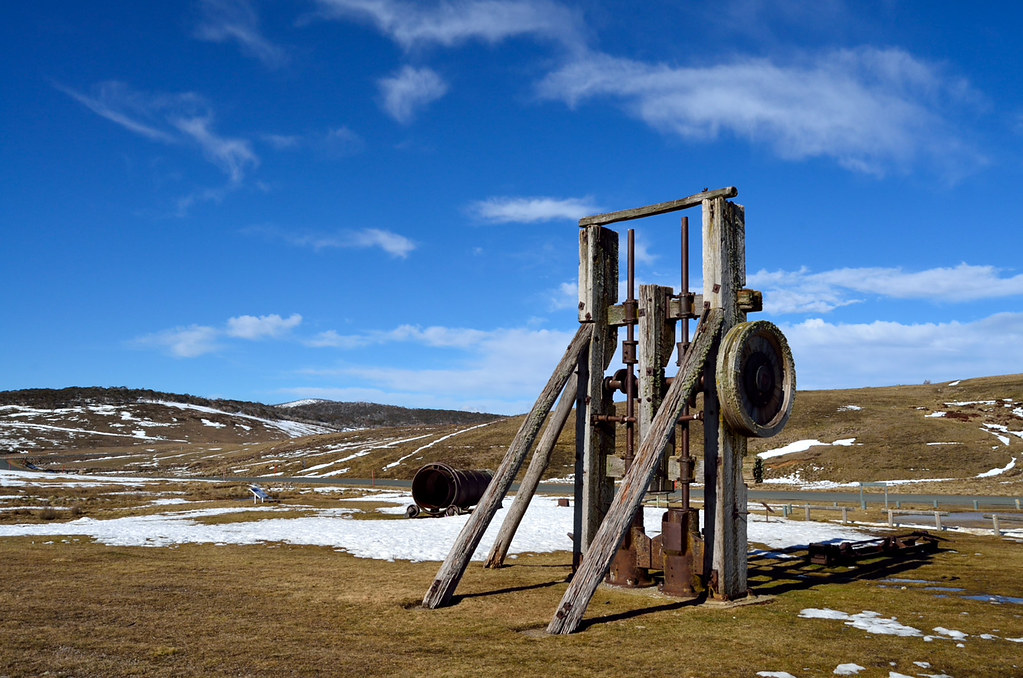
New Chum Hill Ruins

Remnants of Kiandra gold mine at New Chum Hill, #nsw #australia

Showing posts with label Politics. Show all posts

August 09, 2015

Maldivians March to Mark Anniversary of Local Journalist's Disappearance

Image via the Facebook page of Secular Democratic Maldives Movement


It has been 365 days since Maldivian journalist, blogger and human rights advocate Ahmed Rizwan Abdulla went missing. The 28-year-old, who works for online news site Minivan News, is an advocate of democracy and free speech and a prolific social media user.

There has been no real progress in the investigation and the people behind his abduction have not been identified. The Maldivian Police and the government have remained silent.

Rilwan's friend Yameen Rasheed describes what has happened in the space of a year:
To demand action and accountability from the state, Rilwan’s well-wishers started the #FindMoyameehaa campaign – the first of its kind in the Maldives. The campaign has organized rallies, petitions, public events, awareness programs on the streets, and also engages the public on social media. The #FindMoyameehaa campaign has drawn widespread attention and international press coverage, and also generated responses – including statements from IFJ, SAMSN, Amnesty International, Reporters Without Borders, the Human Rights Commission of the Maldives, and various national and international bodies.
On July 8, 2015 Rilwan’s family called for an independent public inquiry into the disappearance and the lapses in the investigation.

On August 6, Committee to Protect Journalists (CPJ) urged Maldives to launch an independent investigation into Rilwan's case.
To mark one year of his disappearance, the family has requested a public rally on August 8 to remind the state of its duty to protect journalists and enforce the law. The opposition Maldives Democratic party has endorsed the rally.

Maldivians are using hashtags #suvaalumarch and #findmoyameeha to spread word about the rally:
And people still have hope:

The post was also published in Global Voices Online.

July 25, 2015

Why Britain Owes India for 200 Years of Brutal Colonialism

Shashi Tharoor speaking at Jaipur literary festival. Image by Jim Ankan Deka. Copyright Demotix (23/1/2015)
Indian Opposition MP, former minister and former Under-Secretary General of the United Nations Shashi Tharoor recently participated in a debate at the Oxford Union society arguing that Britain owes reparations to India for misdeeds committed during two centuries of colonial rule.

The 15 minute clip containing Tharoor's powerful and lucid argument for reparations went viral on social media soon after the Oxford Union debating society posted it online on July 14.

The British East India Company ruled or dominated on the Indian subcontinent from 1757 to 1858. The British directly ruled over the Indian subcontinent between 1858 and 1947 when the region was commonly known as British India or the Indian Empire.

https://youtu.be/f7CW7S0zxv4

Here are some excerpts from Tharoor's speech:
India's share of the world economy when Britain arrived on its shores was 23 per cent, by the time the British left it was down to below 4 per cent. Why? Simply because India had been governed for the benefit of Britain.

Britain's rise for 200 years was financed by its depredations in India. In fact Britain's industrial revolution was actually premised upon the de-industrialisation of India. [..]

By the end of 19th century, the fact is that India was already Britain's biggest cash cow, the world's biggest purchaser of British goods and exports and the source for highly paid employment for British civil servants. We literally paid for our own oppression. [..]

What is required it seems to me is accepting the principle that reparations are owed. Personally, I will be quite happy if it was one pound a year for the next 200 years after the last 200 years of Britain in India.
Tharoor's speech was widely appreciated in India and even Prime Minister Narendra Modi said in Parliament:
Tharoor’s speech reflected the feelings of patriotic Indians on the issue and showed what an impression one can leave with effective arguments by saying the right things at the right place.
Miss Malini wrote in her blog:
Irrespective of our political leanings and beliefs, we can agree to the fact that Dr. Shashi Tharoor is one of the top debators of the country. That’s why it’s not surprising when the diplomat and former minister of state for external affairs took part in a debate at the Oxford Union.
Shashi Tharoor himself said on Twitter:
Writer and film director Radha Bharadwaj writes on Twitter:
Sandip Roy claimed in Firstpost that Tharoor's speech had united a polarised Indian society, adding:
While the reparations he argues for are for the sins from centuries past, there is a bit that might have far more contemporary relevance for our politics today. At the end of the speech making a passionate case for even symbolic reparations Tharoor says “The abilty to acknowledge a wrong that has been done, to simply say sorry will go a far far longer way than some percentage of GDP.”

Now if only some of the politicians furiously butting heads in parliament and dredging up each other’s scams to shame each other would pay attention to that bit, we could all get moving with the nation’s business.

The post was also published in Global Voices Online.

May 12, 2015

Ananta Bijoy Das Becomes Third Free-Thinking Blogger Killed This Year in Bangladesh

Ananta Bijoy Das. Image from his Facebook page
Ananta Bijoy Das. Image courtesy his Facebook page
It's a sad day for online activists in Bangladesh. On Tuesday morning, science writer and blogger Ananta Bijoy Das was murdered by a group of three or four masked people wielding machetes in Sylhet, Bangladesh's fifth largest city.

It was the third such killing this year of a writer who advocated secular thought, allegedly at the hands of religious extremists.

Das, 33, was a banker by profession but also edited a quarterly magazine called Jukti (Logic) and headed the Sylhet-based Science and Rationalist Council. He was the author of four books on science and critical thinking, and took an active part in the Ganajagaran Mancha, a forum born out of the Shahbag protests that demands a ban on Islamist parties and the death penalty for convicted war criminals.

Das was also an admin for the Bangla blog Mukto Mona (Free Thinkers), which won Deutsche Welle's prestigious BOBS award for social change in April 2015.

According to the Doha Centre of Internet Freedom:
While most of Das's output for Mukto-Mona focused on science and evolution, he wrote a number of blogs that criticised some aspects of Islam and also of Hinduism.

In comments on Facebook posted early Tuesday, Das slammed the local member of parliament from the ruling Awami League party for criticising one of the country's top secular and science fiction writers.
Bangladesh, a Muslim-majority country, is officially secular. But people who have challenged religion have repeatedly been targeted by Islamic extremists in the past decade.

The nature of the threats have also escalated from local to international. Just a week ago, Al Qaeda in the Indian Subcontinent (AQIS) claimed responsibility for the assassination of Bangladeshi-American blogger Avijit Roy (the founder of Mukto Mona blog) on February 26 in which his wife Rafida Ahmed was badly injured. In a recent interview, she slammed Bangladesh's government for inaction and has termed the attack on her husband as "well planned, choreographed – a global act of terrorism."

On March 30, another blogger who opposed irrational religious belief, Washiqur Rahman, was hacked to death in Dhaka. Two madrassa (Islamic religious school) students were apprehended and a third assailant got away. Both Roy and Rahman's cases are under trial.

Das had been on extremists' hit list for some time and was first named in a list of 84 bloggers deemed atheist or blasphemous by Islamic hardliners submitted to the government in 2013.

AQIS claimed responsibility for Das’s murder, according to tweets by extremist group Ansar Bangla Team. "Another file closed! Stay tuned for next target," the statement read.

Screenshot of the AQIS statement
Outrage over Das' death spread quickly. Prominent blogger Arif Jebtik wrote on Facebook:
লিখতে, বলতে, ভাবতে কোনো কিছুতেই আগ্রহ পাই না। ৮৪ জনের একটি তালিকা স্বরাষ্ট্র মন্ত্রণালয়ে জমা পড়েছিল দুইবছর আগে, তালিকা থেকে নবম হত্যা হয়েছে আজকে সিলেটে। তালিকা নিশ্চয়ই চূড়ান্ত নয়, গত ২ বছরে আরো নাম সেই তালিকায় নির্ঘাত যুক্ত হয়েছে। কিন্তু অন্তত এই ৮৪ জনের ব্যাপারে গত ২ বছরে কোনো খোঁজখবর হয়নি, তাঁরা নিয়মিত বিরতিতে খুন হওয়া শুরু করেছেন।
মাসিক কোটায় হত্যা শুরু হয়েছে হয়তো এটি সপ্তাহান্তের কোটায় উন্নীত হবে। ৮৪ জন যাবে, আরো হাজার চুরাশির নাম তালিকায় আসবে। খানিক আহাজারি হবে, সবখানেই একটা ফিসফিস-চুপচুপ ভাব, কিছু বিকৃত মানুষের উল্লাস-তারপর পরের হত্যার জন্য অপেক্ষা।
এই দেশে আইনবহির্ভূত সব হত্যাই জায়েজ হিসেবে মেনে নিয়েছে বৃহত্তর জনগোষ্ঠি, এখানে সবগুলো খুনই 'বিচ্ছিন্ন ঘটনা'।
I don't have the impetus to write, say or think anything. Two years ago a list of 84 bloggers was submitted to the Ministry of Home, 9th from the list was murdered today in Sylhet. This list is not exhaustive, surely more names have been added in the past two years. But nobody bothered to think about the safety of these 84 individuals. They are ending up dead one by one, in regular intervals. Now they are killing one every month, maybe they will speed up to do the same weekly. This list will be done, thousands more will be added. People will regret the death a bit, hush, silence everywhere, demonic joy from some perverts, then everybody waits for the next kill. In this country all these illegal killings have been taken for granted, every death is an isolated incident.
Blogger and activist Rayhan Rashid remembered the fallen who were attacked or killed for their free thinking in Bangladesh:
Ananta Bijoy Das's last posts were translated from Bengali to English by Arunava Sinha:
The International Humanist and Ethical Union (IHEU) wrote in a blog that Ananta Bijoy Das's application for a visa to travel to Sweden, under invitation from Swedish PEN to speak in a conference, was rejected recently by the Swedish embassy in Dhaka, on the basis that he might seek to remain in Sweden.

Exiled writer and columnist Taslima Nasrin blamed the government:
Bangladesh government is not taking any action against the Islamist-killers for being afraid to be labelled as anti-Islam. Islamists are allowed to do whatever they like in Bangladesh. It seems killing free-thinker atheists who criticize Islam is their main agenda.

Rajib Haider
A.K.M Shafiur Rahman
Avijit Roy
Washikur Rahman Babu
Ananta Bijoy Das.
Who is next?

Tomorrow maybe you. Or maybe me.
Blogger Haseeb Mahmud wrote:
পুলিশের দায়িত্ব কি সেটা এই মুহুর্তে একটা প্রশ্ন। অভিজিৎ হত্যার কোন সুরাহা হয়নি। ব্লগার রাজিব হত্যার মামলায় গ্রেফতার ও সেটার বিচার শুরু হলেও সেই হত্যাকান্ডের নাটের গুরু এখনো ধরা ছোঁয়ার বাইরে। অনন্ত বিজয়ের হত্যাকারিদের গ্রেফতার ও তাদের রাতারাতি বিচার শুরু হবে এটাও আশা করা কঠিন। আমাদের করণীয় চাপাতির মুখে লেখা না থামানো। লেখা থামালে জিতে যাবে আনসারুল্লাহ।
What the responsibility of the police is at this point is a question mark. They could not find the killers of Avijit Roy. They have arrested the killers of blogger Rajib, but the mastermind is on the loose. It is a tough to hope that the killers of Ananta Bijoy will be nabbed anytime soon or a trial will start. Our prerogative is to not to stop writing even if confronted by wielding machetes. If we stop writing they will win.
The post was also published in Global Voices Online.

May 11, 2015

Why Arabic Script on the Walls Might Not Stop Public Urination in Dhaka

The photo shows  Arabic sign on the sidewall of Panthakunja Park at the Karwan Bazar in Dhaka. Image by Sk. Hasan Ali. Copyright Demotix (7/5/2015)
The photo shows Arabic sign on the sidewall of Panthakunja Park at the Karwan Bazar in Dhaka. Image by Sk. Hasan Ali. Copyright Demotix (7/5/2015)
Public urination is a problem in Bangladesh due largely to a lack of public toilets. Municipal officials in the capital Dhaka have battled in vain to stop men urinating in public, with signs in the local Bengali language and warnings of punishment and fines yielding no notable results.

Now the government is hoping that an innovative idea can put a stop to the habit. Recently the Ministry of Religious Affairs released a video highlighting their campaign "Language Matters" wherein Bengali signs warning against urination are now being replaced by Arabic signs, a holy language for Bangladeshis.

Perhaps they have taken a cue from neighbouring India -- battling with the same problem -- where pictures of Hindu gods and godesses on the walls are intended to have the same effect.


Although some are lauding the state's effort to solve a perennial problem, others are skeptical, claiming the campaign supports blind faith and promotes misconceptions.

Sufi Faruq comments on YouTube:
ধর্ম মন্ত্রণালয়ের দারুণ একটা ক্যাম্পেইন !!! (..)

বাংলাদেশের বেশিরভাগ মুসলিম আরবি ভাষা না বুঝলেও এই ধরনের অক্ষরকে পবিত্র মনে করে। তাই ওই স্ক্রিপ্টে লেখা যে কোনকিছু অপবিত্র করতে ভয় পায়। এই ভয়টার বেশিরভাগ সময় ধর্ম ব্যবসায়ীরা অপব্যবহার করতো। এবার একটা দারুণ কাজে ব্যাবহার হল।
A great campaign by the Ministry of Religious Affairs!!!

Most of the Muslim majority Bangladeshis cannot understand Arabic but they deem it as a holy language. So they fear to desecrate anything written in that language. Most of the time it was used by religious opportunists as it is the language of the Koran and the prayers. Now it has been used for a good cause.
Despite the Ministry of Religious Affairs' claim in the video about toilets being present in most of Dhaka's 10,000 mosques, the general lack of public toilets in the city of approximately 15 million is a genuine challenge. The city's large homeless population is particularly affected by the shortage.

Adnan R. Amin at Alal O Dulal Blog thinks that the video does not get to the root of the problem and instead aims to create false impressions:
The using of a religious misconception (“Arabic is a holy language”), to prevent a social evil, is clever. But it also reinforces and lends credence to that misconception, instead of dispelling it. One would think that for a ministry for religious affairs, dispelling religious misconceptions would outweigh protecting city-walls. If there were funds available to the government, Dhaka’s City Corporations could’ve used them to create better facilities for women. While it is difficult to discern from boardrooms, the 36 public toilets with facilities for women are now being used by men. Judging from the tactic and tone of  this video, a reexamining of both government bodies’ priorities seems to be in order.
Moreover, Fariduddin Masud, an influential cleric criticised the Ministry for Religious Affairs.

While most mosques do have sanitary facilities, mosques themselves are "not public toilets", he said, adding that "nobody has the right to use the language of the Koran for such a campaign."

Blogger Irene Sultana doubted the campaign via a blog post on Women Chapter titled 'Not Arabic, but Public Toilets, Matter":
ঢাকা শহরের প্রতি দেড় লাখ নাগরিকের জন্য শৌচাগার রয়েছে মাত্র একটি। [..] অধিকাংশ পাবলিক টয়লেটই ব্যবহার অনুপযোগী। [..] পাবলিক টয়লেটহীন নগরীতে পথচারীদের অধিকাংশই তাই ফুটপাতকেই বেছে নিচ্ছেন ’হালকা’ হতে।

না বুঝে কেবল আরবি লেখা থাকলে সালাম করা হলো এ দেশের মানুষের ধর্মীয় অন্ধত্ব। ধর্ম মন্ত্রণালয়ের দায়িত্ব ছিল মানুষকে এসব অশিক্ষা থেকে বের করে শিক্ষিত, সচেতন করা, তার বদলে মানুষের সেই অজ্ঞতাকে ব্যবহার করে ’সমাধানের’ নামে মূলত একটি মশকরা করলো!
There is only one toilet in the capital Dhaka for every 150,000 people, out of which many are not usable. So in the absence of enough public toilets the pedestrians use walls to relieve themselves.

Many Bangladeshis respect the Arabic language because they don't know the language. The duty of the Ministry of Religious Affairs was to educate them and make them aware that this is a language only, not everything in its writing is sacred. But instead they used this ignorance to eke out a "solution" which is actually a farce.
Sultana also cites the recent efforts of Indian Prime Minister Narendra Modi, who built toilets in front of temples and achieved 5.2 million lavatories in the first 100 days of his tenure.

Bangladesh lags far behind on this issue.

While state religious officials are already trumpeting its successes, the campaign does not appear to have been well thought-through. If implemented to the fullest extent, Dhaka's walls will be covered by Arabic but people will still have nowhere to urinate.

Moreover, in India, before Modi went on his toilet-building spree, the gods on walls campaign unravelled: people simply began urinating on the faces of the deities. Innovative campaigns incorporating public shaming such as "The Pissing Tanker" also lacked impact.

For this reason Adnan R Amin's comment that the money spent on the campaign -- "a proxy solution that treats the Symptom and not the Cause" -- would be better spent on new public toilets in Dhaka seems to be well-founded.

The post was also published in Global Voices Online.

January 09, 2015

A New Era Begins for Sri Lanka After President Mahinda Rajapaksa Concedes Defeat

Supporters of Sri Lanka's main opposition presidential candidate Maithripala Sirisena burst firecrackers at the end of voting in the presidential election in Colombo. Image by Chamila Karunarathne. Copyright Demotix (8/1/2015)
On Friday morning, Sri Lankans woke up to news that was unthinkable only a few weeks ago -- President Mahinda Rajapaksa, who took office on 19 November 2005, conceded defeat to 63-year-old former Health Minister Maithripala Sirisena, the presidential candidate of the main opposition United National Party.

The day before, Sri Lankan voters had cast their ballot in the 7th presidential election in a closely contested presidential election, with incumbent Mahinda Rajapaksa seeking a record third term in office. The election was largely peaceful and turnout was more than 70 per cent in most districts.

Rajapaksa tweeted on 9 January, after it was clear he had lost the vote:
The early results showed that Rajapaksa remained popular among the country's Sinhala Buddhist population, who account for around 70 per cent of the island country's 21 million people. Sirisena was favoured by the ethnic Tamil-dominated former war zone in the north of the country and in Muslim-dominated areas, who went out in large numbers to vote for him.

A screenshot from news portal Adaderana.lk shows the numbers (final results):

Screenshot from Adaderana.lk
Rajapaksa oversaw the end of a bloody civil war in 2009 that had raged for 26 years between government forces and a militant organisation seeking an independent Tamil state. He was reelected in 2010 by a landslide, and afterward successfully amended the constitution to concentrate political power in the presidency and remove term limits on the office. While in power, he has faced accusations of abuse of power, nepotism and human rights violations committed during the final stages of the civil war.

Blogger Indrajit Samarajiva, often a critic of the Rajapaksa government, paid tribute to his legacy:
Mahinda Rajapaksa has shown me things I never thought possible. He ended a war that I thought would never end. He rebuilt Colombo and showed us physical development I never dreamed of. For all of his faults, he has won me over as a citizen. I think he has been a good President, in my opinion Sri Lanka’s best, especially because he is the first President to lose an election and gracefully leave.

I have always been reluctant to call Mahinda a dictator because I never thought he was. As much as he messed with Parliament, with the Judiciary, he was always close with the people and he rose and fell by the vote. He was elected to power, he marshalled popular support to win the war and, in the end, he was brave enough to face election for a third time. Most importantly, and something we’ve never seen from an incumbent, he was brave enough to gracefully lose.

He has truly been a great leader and, though I voted for his opponent, I think he deserves something Sri Lanka hasn’t really afforded its leaders. A comfortable, honored and secure position as the respected and beloved ex-President of Sri Lanka.
Some commenters disagreed with Samarajiva's view on Rajapaksa time as president, such as Reshan Auston:
While we carry the respect for Mahinda for winning the war, I have no respect for him for looting the country. As a leader he failed the country. He had all the opportunity to be the Nelson Mandela of Sri Lanka but instead he decided to be Sadam Hussain. He looted the country with his brothers while his sons enjoyed the life using poor tax payers money. We couldn’t get our day to day activities done at government offices without political influences. Is this the leader we care about?

As a president he failed after finishing the war. I don’t harbour any remorse for his loss. He deserved what he got. I don’t wanna shed crocodile tear.
Sri Lankan polling officers carrie ballot boxes into a counting center after close of polling for the presidential election in Colombo. Image by Chamila Karunarathne. Copyright Demotix (8/1/2015)
Sri Lankan polling officers carry ballot boxes into a counting center after the close of polling for the presidential election in Colombo. Image by Chamila Karunarathne. Copyright Demotix (8/1/2015)
Dilrukshi Handunnetti wrote on citizen journalism website Groundviews on why Sri Lankans sought a change:
It is not as if Maithripala Sirisena, a simple villager who has risen within the SLFP ranks to reach top positions, holds the island enthralled. Instead, what he represents in terms of ideas and promises, matter to a large majority of the people who have silently observed an elected president turn increasingly authoritarian and triumphalist. [..]

There may be others who feel that while road and rail connectivity was being achieved, the incumbency has severed connectivity among the island’s communities that lived in harmony for decades, causing serious divisions on ethno-religious lines.

It is that negative difference that has fuelled an electorate’s call for a political change, perhaps at great risk, still with the hope that a new administration may have the political maturity to tolerate dissent and celebrate a plural Sri Lankan identity.
The social media scene was full of buzz:
Sri Lanka's free and fair elections were congratulated by many:
And here is what Sri Lankans are hoping for the future:
The post was also published in Global Voices Online.

January 08, 2015

Your Guide to Sri Lanka's 2015 Presidential Election

Sri Lankan election commission workers carry ballot boxes while escorted by police on the eve of presidential elections in Colombo. Image by Chamila KarunaRathne. Copyright Demotix (7/1/2015)
Sri Lankans are going to the polls on Thursday, January 8, in one of the most closely contested, significant presidential elections in the nation's history.

Every six years, Sri Lanka elects a new president and legislature. The parliament has 225 members, elected to six-year terms. It is a multi-party system, dominated by two political groups. There are 15 million eligible voters in Sri Lanka and over 12,000 polling stations have been set for elections. Voter turnout in the previous election was around 75 percent.

In the 2010 presidential election, Mahinda Rajapaksa of United Peoples Freedom Alliance (UPFA) won with 58 percent of the vote. Shortly after being elected, Rajapaksa successfully amended the constitution to concentrate political power in the presidency, and remove term limits on the office. This time, Rajapaksa has preponed the elections, holding them two years ahead of schedule. Rajapaksa, the region's longest-serving leader, will try for a third term, amidst criticisms that he abuses his authority and seeks a dynasty.
The actors

Rajapaksa has the backing of a number of small constituent parties of the UPFA, including the Ceylon Workers' Congress, and Communist Party. He has the support of the Buddhist extremist group Bodu Bala Sena. Rajapaksa's platform, titled "Mahinda's Vision—The World Winning Path", pledges to introduce an entirely new constitution within a year.

Supporters of Sri Lankan President Mahinda Rajapaksa cheer during an election campaign rally in Palmadulla, Sri Lanka. Image by Chamila Karunarathne. Copyright Demotix (3/1/2015)
Rajapakse has actively campaigned alongside celebrities like sporting Bollywood megastar Salman Khan, creating no small amount of buzz. Touring the former war zone in the country's North, Khan urged minority Tamils to back Rajapakse in the election, calling him the "known devil".

Rajapakse's chief opponent and former health minister, Maithripala Sirisena, is a surprise pick by the United National Party, the main opposition party, which is backed by twelve smaller parties. The remaining seventeen candidates are independents or belong to minor political parties.  UNP only revealed Sirisena's nomination on November 21, 2014, after the election was announced.

Sirisena released his platform, titled "A Compassionate Maithri Governance—A Stable Country", which pledged to abolish the country's presidential government within 100 days of being elected. Under a new parliamentary system, Sirisena says he would appoint UNP leader Ranil Wickremasinghe as prime minister.
Sirisena has launched a campaign attacking Rajapaksa where he is weakest: the President's apparent nepotism. During Rajapaksa's presidency, his three brothers and his son have all risen to positions of considerable influence in the national government.

Maithripala Sirisena, it's worth noting, took a great risk when he left the Rajapaksa Administratiojn. Indeed, the Asian Human Rights Commission recently expressed concern about his personal safety, noting that he's suffered several attempted attacks over the past several days.

Sri Lanka's main opposition presidential candidate Maithripala Sirisena reads a newspaper during a campaign rally for the upcoming presidential elections in Colombo. Image by Chamila Karunarathne. Copyright Demotix (31/12/2014)
Use of social media

#IVotedSL is a trilingual campaign launched by Centre for Monitoring Election Violence (CMEV) to encourage citizens to exercise their voting rights.

Image courtesy CMEV. Copyright Free.
The campaign calls on voters to take a public pledge that they will exercise their right to vote on January 8th. An individual can signify this pledge by changing their profile/account picture and cover/banner page on Facebook, Twitter, Google+ or any other social media platform. On election day those who take the pledge can share through social media a picture of the fifth digit (little finger) of their left hand which is marked with indelible ink using the hashtag #IVotedSL.
President Rajapaksa's quite active Twitter account has 92,600 followers. According to an analysis by Groundviews, however, large numbers of these subscribers and admirers might be less than organic.

According to blogger Indi Samarajiwa:
The dominant hashtag for this election is, by far, #PresPollSL (best source for news, in my opinion). CMEV recommends #IVotedSL for voting related stuff.
Samarajiwa also analyses the Facebook engagement of both the campaigns. He concludes that Sirisena's readers seem to engage far more with the campaign's content, despite the fact that Rajapakse has almost twice as many followers.
Irregularities and violence

Supporters of Sri Lanka's ruling party have faced accusations of violating election laws during campaign. The Centre for Monitoring Election Violence (CMEV) identifies an "unparalleled misuse [by the ruling party] of state resources and media". According to Human Rights Watch, local monitoring groups have reported numerous acts of election-related violence and intimidation during the month-long campaign.
Resources
According to the latest opinion survey by the Centre of Policy Analysis (CPA), 86.9 percent of Sri Lankans think their vote can make a difference in the outcome of the presidential election. Let's hope everyone can exercise their voting rights peacefully!

The post was also published in Global Voices Online.

December 26, 2014

Somber Scenes as World Mourns Pakistani Children Slain in Peshawar Attack

Students of Army Public School, members of Civil Society, Pak Army staffs and large numbers of citizens held a candle light vigil to mourn the innocent victims. Image by ppiimages. Copyright Demotix (19/12/2014)
A group of Taliban gunmen dressed in military uniforms entered an Army Public School in Peshawar, Pakistan, on December 16 and shot students and teachers walking from classroom to classroom. At least 148 people, 132 of them children, lost their lives in the attack and scores of the students were injured.

The following day, vigils were held in Karachi, Islamabad and other major cities throughout the country, which can be seen in these pictures.

There have also been numerous vigils across the world:
People at those vigils remembered the victims, protested against the barbarism, voiced their anger at the Taliban and echoed that children should be spared from such atrocities.

Here are images of some of those vigils:

A collection of candles and votives lit as part of a vigil in Trafalgar Square, London, to remember the dead school children and teachers killed by the Pakistani Taliban in Pakistan. Image by Emma Durnford. Copyright Demotix (17/12/2014)
A Candlelight vigil for the children of Peshawar is held in Longsight, Manchester outside the Pakistani Community Centre. Image by Barbara Cook. Copyright Demotix (20/12/2014)
Two hundred people gathered in front of the CNN Center in Atlanta for a candlelight vigil to honor victims killed during a Taliban attack on a school in Peshawar, Pakistan. Image by Steve Eberherdt Copyright Demotix (17/12/2014)
Columbia students and other members of the community joined a campus candlelight vigil to support the victims of the Peshawar attacks. Image by Mansura Khanam. Copyright Demotix (17/12/2014)
Indian congress workers and children pay tribute to those killed in the Taliban attack in Peshawar, Pakistan at a candle vigil in Allahabad, India. Image by Ritesh Shukla. Copyright Demotix (17/12/2014)
A candle light vigil and were held at the Pakistan High Commission in Bangladesh, this evening in remembrance of the innocent victims of the massacre at the Army public School peshawar.
Indian people lit candles as they took part in a candle-light vigil in memory of victims killed in a Taliban attack on a military-run school in Peshawar, in Amritsar. Image by Sanjeev Syal. Copyright Demotix (17/12/2014)
Childrens in Sivasagar, Assam lighting candles protesting the attack of Talibans in a school of Pakistan,  image by Neelam Kakoty Majumdar. Copyright Demotix (18/12/2014)
Childrens in Sivasagar, Assam lighting candles protesting the attack of Talibans in a school of Pakistan, image by Neelam Kakoty Majumdar. Copyright Demotix (18/12/2014)
Burdwan District Press Club organised a Candlelight Rally in At Burdwan, West Bengal, India, protesting against Taliban terror attack on Army Public School in Peshawar.  Image by Sanjoy Karmaker (18/12/2014)
Burdwan District Press Club organised a Candlelight Rally in At Burdwan, West Bengal, India, protesting against Taliban terror attack on Army Public School in Peshawar. Image by Sanjoy Karmaker (18/12/2014)
Children holding solidarity messages at the candle light vigil in Lahore, Pakistan. Image by Fatima Arif. Copyright Demotix  (18/12/2014)
Children holding solidarity messages at the candle light vigil in Lahore, Pakistan. Image by Fatima Arif. Copyright Demotix (18/12/2014)
The post was also published in Global Voices Online.

December 21, 2014

Pakistanis Say #ReclaimYourMosques From Radicalism in Rare, Bold Protests

Students of Army Public School, members of Civil Society, Pak Army staffs and large numbers of citizens held a candle light vigil to mourn the innocent victims. Image by PPIImages. Copyright Demotix (19/12/2014)
Two days after the horrific Taliban attack on a military-run school in Peshawar, killed more than hundred and thirty students, controversial Islamabad-based cleric Abdul Aziz refused to condemn the massacre, sparking rare protests against radicalism in the country.

Abdul Aziz also said that use of force against the Taliban is not a “wise option”. Aziz is the chief cleric at Lal Mosque, one of the biggest in the capital. The mosque and its attached seminary have a reputation for radicalism and was the scene of a massive 10-day military crackdown in 2007, which left more than a hundred dead, many of whom were radical seminary students. Aziz's brother was the chief back then, and was killed in the operation. Abdul Aziz tried to flee the mosque in a burka, but was caught. He was released on bail two years later. And has since reopened the mosque and become the chief cleric.

On December 18, a large number of activists, politicians and students arrived at the Lal Masjid chanting slogans against Abdul Aziz. They wrote names of the students killed in Peshawar on a board and started an impromptu vigil.
The protest was organised by Jibran Nasir, an independent politician, lawyer and human rights activist from Karachi. He said:
I came to Islamabad for a conference, but then the Peshawar tragedy struck and everything changed. The next day, Lal Masjid cleric issued a statement that I couldn’t stomach and I decided that rather than going back to Karachi, we should protest. We want to reclaim our mosques, our communities, our cities, indeed our entire country from the extremists. We can no longer allow anyone to stand on at a pulpit and preach hatred. We will no longer stand by and watch people like Abdul Aziz use the name of our Holy Prophet (peace be upon him) and our religion to perpetuate violence. I call upon the people of Islamabad to come out of their homes and reclaim their city.
The administration of Lal mosque filed a First Information report (FIR) against the participants of the protest. Police in riot gear arrived on the scene and asked protesters to disperse.

Faisal Sabzwari from the political party MQM tweeted:
Nasir and the protesters held their ground and said they will hold the vigil for the next week in front of the Lal Mosque, and there after every Tuesday night.

Suddenly, the spontaneous protests that began on Thursday quickly spread across the country as a wider movement against Taliban apologists and extremists everywhere. There were protests after Friday prayers in several cities to condemn Lal Mosque's cleric Maulana Abdul Aziz's statement. A petition in Change.org to put Abdul Aziz on trial for treason and terrorism has more than 4000 supporters.

On December 19, an FIR (First Information Report) was lodged against Abdul Aziz at a police station and this Facebook video caught the moment.
A protester on the Facebook page #ReclaimYourMosques - We Demand Action on FIR #LalMasjid wrote:
The foundation is laid. Think over, either are u going to be a silent spectator or would do ur part. If 141 children didn't shook u off ur slumber then be sure u are an apologist of the likes of ‪#‎AbdulAziz‬.
Under pressure Maulana Aziz apologised on Sunday for not condemning the killing of children. A reader replied to the article at the Tribune.com:
Sorry too little too late, shame on him that he actually had to think so hard to apologize and only after all the pressure …… He lacks total decency and morals …..innocent kids died and he had to think about it. Shame on him and shame on us for listening to him, he needs to be behind bars permanently along with all his buddies.
Qurratulain Zaman (Annie) contributed to this post.

The post was also published in Global Voices Online.

December 16, 2014

#IndiaWithPakistan: Indians Show Solidarity With Their Grieving Neighbors After Peshawar Attack

Victims of militants attacked an army public school situated on Warsak Road, being shifted for treatment at local hospital in Peshawar. Image by ppiimages. Copyright Demotix (16/12/2014)
Victims of militants, who attacked an army public school situated on Warsak Road, are moved for treatment at a local hospital in Peshawar. Image by ppiimages. Copyright Demotix (16/12/2014)
People from all over the world have offered their support and sympathy on social media for Pakistan as the country reels from a horrific attack on a school in Peshawar that has left 141 people dead, most of whom were children.

But one particular hashtag is worth noting -- Indians are putting aside their ardent rivalry with Pakistan and expressing solidarity with their neighbors at this difficult time under #IndiawithPakistan on Twitter.
At around 11 a.m. Pakistan time on December 16, six Taliban militants entered the Army-run school in the capital of Khyber Pakhtunkhwa and took around 500 students and teachers hostage. The attackers were dressed as soldiers and opened fire at random, also detonating an unknown number of suicide bombs. A teacher was reportedly burned alive in front of pupils and children were shot in the head. One hundred and forty-one people were killed, most of whom were children, and hundreds injured in the siege. According to police, all the militants were killed.

The Taliban, in a statement to Reuters, said that they targeted the school because the army targets their families in an ongoing military offensive against Taliban strongholds near Peshawar. “We want them to feel our pain,” the statement said.

Dr. Asif Sohrab described on Facebook the horror in Peshawar:
2,3 funerals in every Street of Peshawar. In my street there are 3! Peshawar bleeds, Pakistan cries.
On such a sad day, #IndiawithPakistan generated a lot of good vibes:
In response to the attack, Pakistani Prime Minister Nawaz Sharif announced three days of mourning and has called an all party parliamentary meeting at the Governor House in Peshawar on Wednesday.

Men carry the casket of a victim of the Taliban shoot-out in a military-run school in Peshawar, Pakistan. Image by ppiimages. Copyright Demotix (16/12/2014)
Pakistani Twitter users have also taken to Twitter to express their anger and grief:
Mehr Tarar, a former op-ed editor for Pakistan's Daily Times, captured the heartbreak of many Pakistanis in a column for Indian news portal NDTV:
Today, I feel as if I have been punched in my stomach. In my heart. And in my soul. With an iron rod. As I hear of children who were killed in an Army school in Peshawar, I feel my heart stopping.

Children were shot in the face. Children were shot in the head. Children were dragged out from under the chairs, under the tables, and shot. At point blank. Methodically. Coldly. Clinically. They - who go by the name of the Tehreek-e-Taliban Pakistan - say it is to avenge the Army operation against them in the FATA. To avenge the deaths of militants who were wreaking havoc on innocent Pakistanis in myriad acts of terror. It's retribution, they say.

I have nothing to say here. You call yourself a Muslim, you call your fight a jihad, you call your way that of Allah. And yet you do what Allah forbids you to do: to perpetrate a war in His name where you kill children. Where you kill people who have never harmed you. You are not just Pakistan's enemy but you are also your own worst enemy.
Writing in independent Canadian news website Ricochet, journalist Jahanjeb Hussain offered his view on what good, if any, could come of the attack:
The best hope is that this attack would finally convince the country’s leadership that meaningful, concentrated, and long-term action needs to be taken across the board.
Anushe Noor Faheem contributed to this post. 

The post was also published in Global Voices Online.