Dragonfly

Image by Rezwan

Overcrowded passenger ferry capsized in the Padma River in Munshiganj, Bangladesh

The World Cup Goal-E Project

This street in Bangladesh has a colorful world cup celebration

New Chum Hill Ruins

Remnants of Kiandra gold mine at New Chum Hill, #nsw #australia

Showing posts with label Language. Show all posts

May 17, 2017

Dengue Fever


No, I am not talking about the mosquito-borne tropical disease that appears in many South and South-east Asian countries. Dengue Fever is an American band from Los Angeles who performs psychedelic rock fusioned with Cambodian pop and lyrics in Khmer language. I first heard the enchanting lead singer Chhom Nimol (the first name is Nimol) in Radio Paradise, the High Definition radio channel.


Then I looked up at Google to find out more about the band. Ethan Holtzman (plays Farfisa organ) was inspired by Khmer music during a trip to Cambodia and decided to form a band in LA with his guitarist brother Zac Holtzman. They discovered Chhom Nimol, who was already a well-known karaoke singer in Cambodia, in the Little Phnom Penh area of Long Beach. Their debut album titled Dengue Fever was released in 2003 and they produced a number of albums containing remixes of 1960s Cambodian rock tunes by artists such as Sinn Sisamouth, Pan Ron, and Ros Serey Sothea.

The most interesting thing is that some of the songs the band perform contain originals, first written in English by the Holtzmans before being translated into Khmer. This makes the band's main fanbase growing in Cambodia. Dengue Fever toured Cambodia several times and their songs were much cherished there. The documentary film Sleepwalking Through the Mekong documents the band's tours in Phnom Penh and other major Cambodian cities.

The band also helps a number of charitable organizations to support causes in Cambodia. Dengue Fever were winners of the 8th annual Independent Music Awards for best World Fusion Album.

Watch their live performance in the KEXP Public radio studio (Seattle) recorded February 10, 2015.


There are only a few Bangla bands with foreign crew members - like Lokkhi Tera and Seth Panduranga Blumberg performing with Anusheh Anadil in Jatra. But I doubt whether there is any band created by foreigners that use lead singers in Bangla and focus on Bangla traditional songs.

May 01, 2014

Online Tools And Resources For Learning Bangla Language

Kolkata based British expat blog My Bangla Diary posts an interview with Steve Capell, the creator of Bangla Tangla. This resourceful website by Capell contains useful tools and contents for learning Bangla (Bengali) language online.

July 29, 2011

Bangladesh: Indigenous or Not Indigenous, That Is The Question

Almost 98% people of Bangladesh are Bengalis and they speak the Bangla language. The minorities include Chakmas, Khasi, Santhal and other tribes numbering more than a million (about 1.2% of total population) who mostly live in the various hilly regions. Chakmas are ethnically Tibeto-Burman, and are closely related to the Himalayan tribes. According to history, they are originally from Arakan (present Rakhine State of Burma) who hundreds of years ago wandered and settled in different parts of India and Bangladesh.

In recent months many Bangladeshi indigenous people have taken the streets holding meetings, human chains and rallies, demanding constitutional recognition of their population. The 'indigenous' debate arose after some remarks of a special parliamentary committee working to amend the present constitution reverting back to the 1972 constitution. There was no reference of tribal or indigenous people in Bangladesh’s first constitution of 1972 where it was mentioned that Bangladesh would be the land of Bengalis.

The parliamentary committee said that it would recommend recognizing them as “small ethnic groups” and questioned: “Would Bangalees [Bengalis] be termed ‘intruders’ or ‘invaders’ if the ethnic groups are called adivasi (indigenous)?”.


Members of indigenous communities demanded their recognition in the constitution as “indigenous people” instead of tribal or proposed “minority ethnic group” at central Shahidminar in Dhaka, Bangladesh. Image by Abu Ala, Copyright Demotix, 29 April 2011.

The state minister for cultural affairs Pramod Mankin said:

“There is no question that indigenous people would receive constitutional recognition. The debate is in how will they be recognised.”

“The government is reluctant to recognise indigenous people as “indigenous” as it questions ethnicity of the country's native Bangalees.

Monjurul Haque at the Indigenous Bangla blog writes [bn] about the complexity of the situation:

শাসকদের পক্ষে বলা হচ্ছে- ‘পাহাড়িরা পাহাড়ের আদিবাসী নয়’! ‘বাংলাদেশের সংবিধান মানার কারণে পাহাড়েও বাঙালিদের সমান অধিকার’। ‘বাংলাদেশের সংবিধানের আলোকেই পাহাড়িদের বাংলাদেশের নাগরিক হিসেবে সমতলের নাগরিকদেরকেও মেনে নিতে হবে’। অসহায় গরিব সেটেলারদের ধরে ধরে পাহাড়ে পাঠানোর পর বলা হচ্ছে-‘পার্বত্য চট্টগ্রামের চাকমারা বার্মার আরাকান প্রদেশ থেকে এসে এদেশে বসতি স্থাপন করেছে এবং তারাই বহিরাগত!’

The authorities are telling - “The people of the hills are not indigenous people. As constitution of Bangladesh applies everywhere, Bengalis have equal rights to lands in the hills." The people of the hills are also citizens of Bangladesh (not indigenous) - that is also reminded in the constitution. They are sending destitute Bengali settlers to the hills on the ground that “the Chakmas have settled in the hills from their origin – Arakan region of Barma, so they are also settlers”.

It may be mentioned here that the tribals in Bangladesh have been subjected to human rights abuse for long by the Bengali settlers.


Tribal indigenous people of Bangladesh in the Chittagong Hill Tracts. Image by Anwar Hussain. Copyright Demotix 7/8/2010.

Shimon Baskey mentions [bn] what the people of the hills think on this issue:

আদিকাল থেকে আমাদের নিজস্ব ভাষা, সংস্কৃতি, কৃষ্টি, আচার-আচরণ একই, এর কোনো পরিবর্তন হয়নি। আমরা এই দেশের ভূমিজ সন্তান। আমাদের পূর্ব-পুরুষরা কারো জায়গায় বা অন্যকারো দ্বারা বসতি স্থাপন করেনি। তারা এই দেশের বন-জঙ্গল পরিষ্কার করে নিজেরা চাষের উপযোগী করে ওই অঞ্চলে প্রথম বসতি গড়েছে। দেশ বিভাগের সীমানা নির্ধারণ করার আগেই তারা বংশ-পরম্পরায় সে সব এলাকায় বসবাস করছে।

Since ages our own language, culture, beliefs and rituals are the same, nothing has changed. We are people of this land. Our forefathers did not settle in someone else's land or were inhabited there by someone. They were the first settlers by clearing forests and preparing lands for cultivation. They already had been living there for generations long before boundaries were demarcated.

Sarkar Amin recognizes [bn] the plights of these people:

মঙ-মঙ বান্দরবানের এক পাহাড়ে তোমার সঙ্গে পরিচয়। আমি বাঙালি তুমি পাহাড়ি। তুমি আর্টিস্ট। আমি কবিতা লিখি। আমাদের দ্রুত বন্ধুত্ব হলো। তোমার নিষ্পাপ হাসির আড়ালে কোনো কষ্ট কি ছিল বন্ধু?

সংকট আছে। পাহাড়ের জনতা জাতিসত্তার সাংবিধানিক স্বীকৃতি চায়। আদিবাসী হিসেবে অভিহিত হতে চায়। শান্তিচুক্তির ন্যায়সঙ্গত বাস্তবায়ন চায়। বাংলাদেশের শাসক শ্রেণী আদিবাসীদের শতভাগ সাম্যমূলক অধিকার দিতে এখনো আগ্রহী নয়। দুঃখ ও সংকটের এটাই মুল কারণ।

Mong Mong, I first met you in a hill of Bandarban. I am bengali and you are from a tribe. You are a painter and I am a poet. We become friends at once. Was there a pain deep inside your innocent smile? [..]

There is a crisis. The people of the hills want constitutional recognition of their population. They want to be termed as "indigenous". They want implementation of the peace accord. But the ruling elites of Bangladesh do not want recognition of equal rights of the people of the hills. This is the main reason of the pain and the crisis.

Jewel Bin Jahir reminds [bn] how the indigenous minorities feel as their language, culture and beliefs are neglected in the constitution:


আমরা আমাদের বিজু, বৈসু, কারাম, ওয়ান্না, সোহরাই দ্বারা নিজ নিজ শ্রেষ্ঠত্ব প্রমাণ করতে চাইনি। আমাদের সাংসারেক, লালেং, শারণা কেন্দ্রিক বিশ্বাস কখনো অন্যের উপর চাপিয়ে দেওয়ার চেষ্টা করিনি। আমাদের আচিক, চাকমা, ককবরক, ঠার, মুন্ডা, সান্তালী ভাষা দিয়ে জগতের অন্য কোন ভাষার উপর আধিপত্য প্রতিষ্ঠার চেষ্টা চালাইনি।

কিন্তু তারবাদেও আমাদের হাবা-জুম, জংলা-জঙ্গল সব দখল হয়ে যায়। আমাদের নিজ নিজ মায়ের ভাষা কোনঠাসা হয়ে পড়ে। আমাদের আপন আপন বিশ্বাস অশূচি হয়ে যায় দাপুটে বিশ্বাসের প্রতাপে।

We had not tried to prove our supremacy by our Biju, Baisu, Karam Wanna, Sohrai (festivals and rituals). We had not tried to impose our Sangsarek, Laleng, Sharna centric beliefs to anyone. We had not tried to overwhelm other languages of the world by our Achik, chakma, Kokborok, Thar, Munda, Santali languages.

But still our Haba-Zoom(plantations), forests and ditches are being dispossessed. Our mother tongues are being ignored. Our own beliefs are deemed as impure, illogical by influential and imposing beliefs.

The debate further escalated as the foreign minister of Bangladesh commented recently that the term "indigenous" for the people of the hills in Bangladesh is a misnomer:

"In the constitution, all minorities were recognised generically as minorities, and through the 15th amendment, the present government has categorised them as 'ethnic minorities' and no longer only as 'tribal' people."

She also said:

“Giving a special and elevated identity to enfranchise only 1.2 percent of the total population of 150 million by disentitling the 98.8 percent cannot be in the national interest of Bangladesh."

She reminded about the 4000 year old tradition of the Bengalis in this land:

“The ethnic Bengalees are not colonial settlers, neither are they foreigners or non-indigenous to their own native land and never will be.”

Biplob Rahman, a journalist and a blogger protests [bn] the government's stand that there is no indigenous people in Bangladesh. He quotes from Chakma King and member, UN Permanent Forum On Indigenous Issues, Debashish Roy's recent rebuttal [bn]:

সাংবিধানিকভাবে 'আদিবাসী' স্বীকৃতি দিলে মূল ধারা থেকে বিচ্ছিন্ন, প্রান্তিক ও অনগ্রসর এই ১ দশমিক ২ শতাংশ মানুষ তাদের প্রান্তিক অবস্থান জানানোর একটি আইনি ভিত্তি পাবে। এই মর্যাদা তাদের কোনো 'বিশেষ' সুবিধা দেবে না।

If the government recognizes “indigenous people” then this marginalized and underdeveloped 1.2% population will have a legal ground to fight for their rights. However, this recognition will not give them any special rights.

Biplob reminds that the incumbent Prime Minister Sheikh Hasina, had given statements on the International Day of the World's Indigenous People several times terming the people of the hills as indigenous people.

He quotes an article of a local newspaper [bn], where it was reported [bn] that:

জানা গেছে, 'আদিবাসী' অভিধা ব্যবহার করলে সরকারকে বিভিন্ন জাতিসংঘের সনদে স্বাক্ষর করতে হয়। সে ক্ষেত্রে পার্বত্য চট্টগ্রামসহ দেশের আদিবাসী অধ্যুষিত অঞ্চলে মানবাধিকার লঙ্ঘনের ঘটনায় জাতিসংঘের সরাসরি হস্তক্ষেপ করার সুযোগ থাকে। এ পরিস্থিতি এড়ানোর জন্যই বাংলাদেশ সরকার কৌশলগত অবস্থান নিয়েছে। এ ক্ষেত্রে এ দেশের প্রভাবশালী রাজনৈতিক দলগুলোর অবস্থান অভিন্ন।

It has been learnt that if the “indigenous term” of any minority population is established then a country is subjected to sign several declarations of United Nations. In that case United Nations can intervene to investigate attacks on human rights of the indigenous population. So the Bangladesh government has taken this stance (of not terming them "indigenous"). In this issue all the major and influential political parties of Bangladesh share same ideology.

Mithusilak Murmu notes [bn] that at present there are certain quotas in the Government services and public education institutions for the indigenous people and wonders whether the present proposal of the Government will lead to change in the practice of the issuance of “indigenous certificates” for the population of the hills.

Around 370 million indigenous people in 70 countries of the world are subject to marginalization and mistreatment. These people in Bangladesh and elsewhere are facing similar problems and are fighting for their identity, land and way of life.

First Published in Global Voices Online

Language map of Bangladesh - Image courtesy Wikipedia. Used under a CC License

February 21, 2011

Ekushey February: Observing International Mother Language Day


Poster for International Mother Language Day 2011. Graphic Design: Stephanie Pilar and Marine Leopold. Courtesy UNESCO.


Language is an important aspect of our life. We explore the world through language. The world occurs to us through language. To promote awareness of linguistic and cultural diversity and multilingualism worldwide, International Mother Language Day is held annually on 21 February.

For Bangladesh, 21st February has a different symbolization. It is a national day of Bangladesh to commemorate protests and sacrifices to protect Bangla (Bengali) as a national language during Bengali Language Movement of 1952. Anushay describes a bit of the history:

On this day in 1952, after the “Principles Committee of the Constituent Assembly of Pakistan” announced that Urdu would be the only state language of East (now Bangladesh) and West Pakistan, a huge wave of protests erupted in Bangladesh where the majority spoke Bangla.

Politicians joined students in their demonstrations and the Pakistani Government responded by violently cracking down on the protesters. Over the course of one week ((February 21-27, 1952), they killed student demonstrators, some directly in front of Dhaka Medical College. [..]

On February 29th, 1956, Pakistan added Bengali as the second official state language after Urdu. Bangladesh won its independence from Pakistan in 1971.

Mamun M. Aziz shares [bn] in BDNews24.com Blog about how 21st February became officially recognized:

১৯৯৯ সালের ১৭ নভেম্বর অনুষ্ঠিত ইউনেস্কোর প্যারিস অধিবেশনে একুশে ফেব্রুয়ারিকে আন্তর্জাতিক মাতৃভাষা দিবস হিসেবে ঘোষণা করা হয় এবং ২০০০ সালের ২১ ফেব্রুয়ারি থেকে দিবসটি জাতিসংঘের সদস্যদেশসমূহে যথাযথ মর্যাদায় পালিত হচ্ছে।

21st February was declared as international mother language day in the Paris session of UNESCO on the 17th of November 1999. Since 2ist February, 2000 this day is being observed in all the nations under UN.

View slideshow of pictures at Shaheed Minar here.

The day's festivities include laying flowers at the early hours at Shaheed Minar, an iconic sculpture situated in the place of the massacre. Mohamed Arif Raihan Mahee was there this year. He writes:

হাজার হাজার মানুষ লাইন ধরে দাঁড়িয়ে আছে, কারো মধ্যে কোন তাড়া নেই, পরিবারের সবাই মিলে এসেছে মহান আন্তর্জাতিক মাতৃভাষা দিবসে ভাষা শহীদদের প্রতি শ্রদ্ধা জানাতে।

Thousands of people are standing in queues, nobody is in a hurry, they came with family members to pay tribute to the fallen on the occasion of the International Mother Language Day.

Jerome D'Costa at Bangladesh, Canada and Beyond celebrates the day with an innovative idea. He started posting depictions of Bangla alphabets in his own blog to introduce them to the international community.


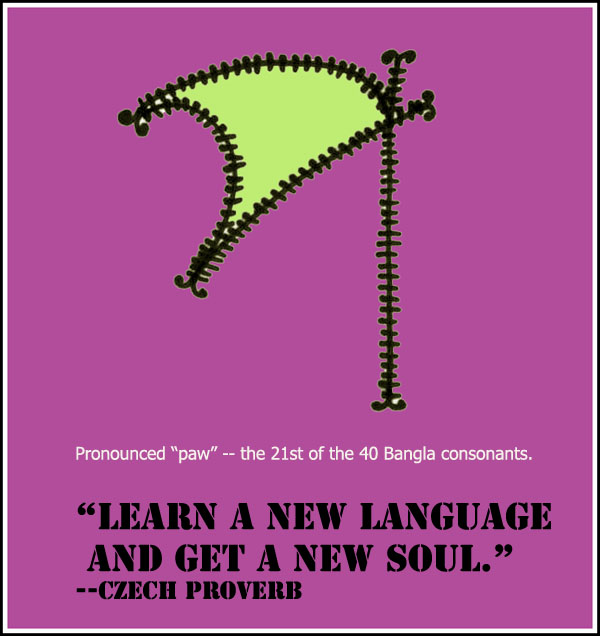
See all the 51 depictions by Jerome here.

Asif Mohiuddin at Somewhereinblog platform writes about the power of the language to shape nationalism:

পৃথিবীতে এই পর্যন্ত যতগুলো জাতিরাষ্ট্র দেখা গিয়েছে, ভাষাভিত্তিক জাতিরাষ্ট্রের দার্শনিক ভিত্তি সব সময়ই অন্যান্য সকল জাতিরাষ্ট্রের চাইতে উন্নত বলে দার্শনিক সমাজে স্বীকৃত। ভাষা মানুষের এক ধরনের আত্মিক বন্ধন তৈরি করে, যেই বন্ধন অন্য যেকোন ধরনের বন্ধন থেকে শক্তিশালী। [..] একটা জাতিকে একত্র রাখার জন্য চাই অভিন্ন জাতীয়তাবোধ, যা একমাত্র ভাষাই দিতে পারে। একক সংস্কৃতি, একক জাতিগত চেতনাই মানুষকে একত্র করতে পারে, ঐক্যবদ্ধ রাখতে পারে।

Among all nations we have seen, the countries that are united by language fare better than other nations, as indicated by the philosophical communities. Language creates a kind of bond among souls which is stronger than other bonds. [..] To keep a nation united you need common nationalistic attributes, which only language can pacify. Common culture, common nationalistic ideologies can unite people and keep them together.

According to mb.com.ph:

More than 50 percent of the approximately 7,000 languages spoken in the world are likely to die out within a few generations, and 96 percent of these languages are spoken by a mere 4 percent of the world’s population.

Akhtar Hossain opines [bn] that like Bangladesh 21st February can be declared as a public holiday all over the world so that everybody can be more aware of the significance of this day and it probably can save more languages from dying.

Sochol Zahid at Sachalayatan Writers Forum informs [bn] that on the 25th of February a speedchat will be introduced by the International Center at the University of Alberta to celebrate the diversity of language on its campus. Here are two videos introducing the event:


How did you celebrate the day?

(Also published in Global Voices Online)

November 07, 2010

The Comarison Between Avro And Bijoy

April 21, 2010

Avro Vs. Bijoy: Let Language Be Free

The Bangla blogosphere and Bangladeshi Facebook users are infuriated with protests as 'Avro', a freeware and one of the popular and widely used Bangla input systems, was accused as a pirated version of another popular Bangla input system 'Bijoy' and the Avro team was mentioned as hackers.

In an article in a Bangla news daily, Mustafa Jabbar, the proprietor of Bijoy and a pioneer of Bangla computing said hackers were responsible for spreading pirated copies of his Bijoy software on the internet. He also said that UNDP had helped these hackers to be selected by the Bangladesh Election commission for their national database works.

It may be mentioned here that Bangladesh saw more than 20 proprietary Bangla input software from 1984 to 2002 and the most popular of them was Mustafa Jabbar's Bijoy during those days. Many developers worked on its various versions.

But the real boost in Bangla computing came when in 2003 Mehdi Hasan, a Bangladeshi medical student developed Avro, a free but closed source graphic keyboard layout changer, using Unicode which was further developed during last six years by Mehdi and his friends Rifatunnabi, Tanvin Islam Siam, Ryan Kamal, Shabab Mustafa and Nipun Haq.

Bijoy Ekusheyavro4splash

While Bijoy is a ASCII based proprietary Bangla input system software and is sold in exchange of license fees, Avro on the other hand is an Unicode based freeware which has in fact four input system with four keyboard layouts - Avro Phonetic, Bornona, National (Jatiyo) and UniBijoy. The Avro phonetic (or transliteration) input system is the most popular and widely used - especially by the diaspora who do not have access to a physical Bangla keyboard. Using the Avro phonetic transliteration system they can generate Bangla words from Roman typefaces with ease.

After the accusations of Mr. Jabbar the Bangla blogosphere reacted swiftly. Loken Bosh in Amar Bondhu blog challenged Mr. Jabbar to prove that Avro is a pirated software. He wrote:

কম্পিউটারে বাংলা লেখায় বিজয় মাইল ফলক হয়ে এসেছিলো। বিজয়ের অবদানকে অস্বীকার করার কিছু নেই। এখনো প্রফেশনাল প্রিন্টিংয়ের কাজে বিজয়ের বিকল্প নেই।

কিন্তু ইন্টারনেটের এই প্রসারের যুগে বিজয় ধীরে ধীরে অকেজো হয়ে যাচ্ছে। [..] তাই নতুন সময়ের দাবীতেই এলো অভ্র। মেহদী হাসান খান নামের এক তরুণ সম্পূর্ণ ব্যক্তিগত উদ্যোগে তৈরি করলেন অভ্র নামক একটি সফটওয়্যার। এবং যা তিনি বিনামূল্যে ছড়িয়ে দিলেন সমস্ত বিশ্বে। যে কেউ চাইলেই এই সফটওয়্যার ইন্টারনেট থেকে ডাউনলোড করে ব্যবহার করতে পারবেন।

অভ্রর জনপ্রিয়তা এখন আকাশচুম্বী। ধীরে ধীরে শুরু হয়ে গেছে বিজয় বর্জন। [..] মোস্তফা জব্বার শঙ্কিত। তাই এই মিথ্যাচার। নির্বাচন কমিশন যখন ভোটার আইডির কাজে বিজয় না ব্যবহার করে অভ্র ব্যবহার করলো, তখনই তার গাত্রদাহ প্রবল হয়েছিলো। [..] আর পাশাপাশি নিজের খ্যাতিকে কাজে লাগিয়ে চালিয়ে যাচ্ছেন অভ্রর বিরুদ্ধে মিথ্যাচার। আর এই করে করে তিনি নিজেই নিজেকে হাস্যকর প্রমাণ করছেন, আমাদের যেখানে উনাকে শ্রদ্ধা করার কথা ছিলো, সেখানে এখন তার প্রতি ঘৃণা তৈরি হচ্ছে।

Bijoy was a milestone for Bangla Computing. There is nothing to belittle Bijoy's contribution. Even today there is no option for Bijoy in the print industry (Unicode Bangla is not supported in Photoshop).

But in this era of Internet Bijoy is lagging behind. [..] So Avro came with a promise. A young man named Mehdi Hasan created Avro on his own. And he spread it across the globe via internet. Anyone can download the software and use it (for free).

The popularity of Avro is now sky high. Many people are not using Bijoy anymore. [..] Mustafa Jabbar is afraid. When the Election commission chose Avro instead of Bijoy for their voter ID project, he was infuriated with Avro. [..] So he is using his popularity to spread allegations against Avro. And he has created himself a laughing stock. Where we were supposed to revere him, hatred against him is being generated.

Avronil informs in Sachalayatan:

বাংলাদেশের ইতিহাসে এই পর্যন্ত বাংলায় ডিজিটাল তথ্য সংগ্রহের সব চাইতে বড় প্রকল্প 'ভোটার তালিকা ও জাতীয় পরিচয়পত্র প্রস্তুতকরণ' প্রকল্পে অভ্র ব্যবহার করা হয়েছিল। তাদের প্রথম পছন্দ বিজয় হলেও বিজয়ের প্রস্তুতকারক কম্পানি বিজয়ের জন্য কম্পিউটার প্রতি পাঁচ হাজার টাকা লাইসেন্স ফি চেয়েছিল যা পরে বাতিল করে দিয়ে অভ্র ব্যবহারের সিদ্ধান্ত নেয়া হয়। এ জন্য নির্বাচন কমিশনের অভ্রকে দেয়া একটা স্বীকৃতিমুলক সনদের জন্য একটা কাগজ আর সামান্য কালি ছাড়া আর কিছুই খরচ করতে হয় নি।

The Voter ID and National ID project, the largest digital database project in Bangladesh's history, used Avro. Their first choice was Bijoy, but its proprietor company asked Taka 5000 (US$70) license fee for each computer, so they have decided to use Avro instead. In return they only had to give a certificate to Avro.

The claim of Mr. Jabbar is that UniBijoy keyboard system, one of the four keyboards in Avro, is a pirated version of his Bijoy keyboard layout which he copyrighted a few years ago. Here is what Mehdi Hasan Khan responded to Mr. Jabbar:

মোস্তফা জব্বার তার লেখায় ঢালাওভাবে পুরো অভ্র কীবোর্ডকেই "পাইরেটেড" হিসেবে অভিযুক্ত করেছেন। মজার ব্যাপার হল, মানুষজন অভ্র কীভাবে পাইরেটেড প্রশ্নটা করে তাকে চেপে ধরার পর তিনি বললেন অভ্র নিয়ে তার আপত্তি নেই, অভ্রতে ইউনিবিজয় নামে যে কীবোর্ড লেআউট আছে ঐটা তার বিজয় লেআউট থেকে চুরি করা। চমৎকার, আসুন দেখি কী করলে একটা কপিরাইটেড/পেটেন্ডেড লেআউট (অথবা সেটার প্রয়োগ) এ আমরা চুরির অভিযোগ দিতে পারি।

১) অবিকল লেআউট স্বত্বাধিকারীর অনুমতি ছাড়া ব্যবহার করলে:

অনুমতির প্রসঙ্গ যখন উঠলই তখন বলি, ২০০৩ সালে অভ্র ডেভেলপের পরিকল্পনা করার সময় আমি ফোনে মোস্তফা জব্বারের কাছে বিজয় লেআউট ব্যবহারের অনুমতি চেয়েছিলাম। তিনিও তার জবাব জানিয়ে দিয়েছিলেন, তাকে টাকা না দিলে তিনি অনুমতি দিবেন না। বেশ ভালো কথা, আমিও বিজয় কীবোর্ড অভ্রর সাথে দেইনি। [..] ইউনিবিজয় আর বিজয় কোনদিনই এক কীবোর্ড লেআউট ছিল না, এখনও নেই। যেখানে একটা কী এর পার্থক্য একটা আলাদা লেআউটের জন্ম দেয়, ইউনিবিজয়ের সাথে বিজয়ের সেখানে অন্তত ৮ টি কীতে পার্থক্য রয়েছে।

২) ফিজিক্যাল লেআউট অনুমতি ছাড়া বিতরণ করলেঃ
প্রশ্নই আসে না। অভ্র কীবোর্ড একটা সফটওয়্যার মাত্র, এর সাথে বিজয় লেআউট ছাপানো কোন কীবোর্ড আমরা বিতরণ করি না।

৩) কীবোর্ড ইন্টারফেস প্রোগ্রামের কোড অনুমতি ছাড়া ব্যবহার করলেঃ
আবারো বলি, এই পয়েন্টও খাটে না। বিজয় ক্লোজড সোর্স, সেটার সোর্স থেকে অভ্র ডেভেলপ করা সম্ভব না। কীভাবে বিজয় হ্যাক করে অভ্র বানানো হল তার ব্যাখ্যা আপনার কাছে দাবী করছি।

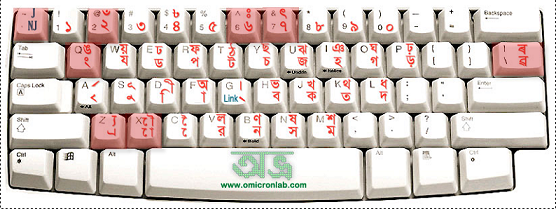
avro keyboard layout

Mustafa Jabbar has accused the whole Avro software as 'pirated'. The interesting thing is when people ask him how Avro is pirated then he says I don't have problem with Avro, but the Unibijoy layout is stolen from Bijoy. Ok. lets see how we can accuse violation of a copyrighted or patented layout:

1) If the clone of the layout is used without permission.

When the question of permission came I called Mr. Jabbar in 2003 when I was planning to build Avro for his permission to use Bijoy. He answered that he will not give permission without a fee. So I did not use the Bijoy keyboard with the (open source) Avro. UniBijoy and Bijoy were never the same keyboard layout, not even now. Where only one key difference creates a different layout, there are a difference of 8 keys between Unijoy and Bijoy.

2) If the physical layout is sold without permission
We never did! Avro input system is just a software. We do not sell any physical keyboard with Bijoy layout.

3) If the code of the Keyboard interface is reused without the permission of the programmer.

I say again, this point does not stand out. Bijoy is a closed source program. Avro cannot be developed from that source code. So how Bijoy was hacked to create Avro - I demand an explanation.

Read his post for detailed explanations and peoples' supports in the comment section.

Zahid Sumon in Projukti Forum detailed the differences between UniBjioy and Bijoy. Here are a few points:

* অভ্রতে জব্বার সাহেবের একটি ফন্টও কাজ করে না। তাই অভ্র ফন্ট পাইরেসী থেকে মুক্ত। সে সর্বদাই ইউনিকোড বেজড মুক্ত ফন্ট এর উপর নির্ভরশীল।
* অভ্রের লিনাক্স ভার্সন রয়েছে কিন্তু বিজয় শুধুমাত্র ম্যাক ও উইন্ডোজে চলে।


* In Avro no fonts of Bijoy software works. So Avro is free from piracy. It is always based on free unicode fonts.
* Avro has also a linux version. But Bijoy runs only in Windows and Mac.

Renowned wikipedian Ragib hasan writes in a comment on Mehdi's article:

২০০৬ এ যখন বাংলা উইকির কাজ শুরু করি, তখন বাংলা টাইপিং এ অভ্যস্ত ছিলাম না মোটেও। আমাদের উইকির কর্মী যারা আছেন, তাঁদের প্রায় সবাইই বাংলা লিখতে শিখেছেন অভ্র ফোনেটিকে। আজ বাংলা উইকিতে ২০,০০০ ভুক্তি আছে, যার প্রায় সবটাই লেখা হয়েছে অভ্র দিয়ে। আগামী প্রজন্মের কাছে বাংলায় তথ্য রেখে যাওয়ার এই প্রয়াসে অভ্র তাই রেখেছে এক বিশাল অবদান।

When I started work on Bangla wiki in 2006, then I was not conversant with Bangla typing. Most of our Bangla wiki volunteers learned to type in Bangla using Avro Phonetic. Today there are 20,000 entries in Bangla Wikipedia and most of them were written using Avro. So Avro has a huge contribution in leaving the next generation a large collection of Bangla content in the internet.

Bangladeshi netizens are showing their support towards Avro in Facebook and blogs. It is unforeseen that three Bangla blogging platforms Sachalayatan, Amar Blog and Amar Bondhu had changed their banner to Avro Logo to show their support in protesting Mr. Jabbar's claims.

People are creating groups in Facebook and changing their Facebook statuses in solidarity with Avro. Here are a couple of status messages:

নজরুল ইসলাম ভাষা হোক উন্মুক্ত। কোনো বেনিয়ার কাছে আমার মাতৃভাষাকে ইজারা দেবো না... কক্ষণো না

Nazrul Islam Let language be free. I will not lease my language to any profiteer.. never.

অমি রহমান পিয়াল: রক্ত দিয়ে যে অক্ষর কিনেছি তার জণ্যে যে বেনিয়া টাকা খোঁজে তাকে ধিক্কার। ভাষা হোক উন্মুক্ত।

Omi Rahman Pial: We have bought our language with blood. Shame to those who wants to make profit from it. Let language be free.

(First published in Global Voices Online)

February 20, 2010

Celebrating The Bangla Open Source Activists On The Eve Of Ekushey February

One of my favorite bloggers, journalist Biplob Rahman has published an article on the development of Bangla computing in Bangladesh. In this article he recognized the popularity of the open source Avro software and phonetic Bangla input system behind the recent surge of Bangla computing.

Adhering to professional journalism he included comments from many developers who contributed during the history of Bangla computing. We had more than 20 proprietory Bangla input software from 1984 to 2002 and the most popular of them was Mustafa Jabbar's Bijoy.

At first came Bangla fonts - MainulLipi (1986), ShahidLipi & JabbarLipi(1987) - but separate Bangla keyboards were not available for them. In 1987, the Bangla input software Bijoy and in 1988, the first Bangla Typing interface in the same name (Bijoy) were invented by Mustafa Jabbar's 'Ananda Computers'. Its lead programmer Pappan was the key person behind this development. Bijoy's interface was Apple-Macintosh based and that time the price of Apple-Macintosh computer was too high. But Bijoy and Apple Computers proliferated, especially in the Bangla Publishing industry because the initial fonts were all developed using the advantage of four layer keyboard of Macintosh, which solved problems relating to Bangla conjunct letters. The software also achieved popularity because of no competition at that stage.

The users of IBM computers had to wait till 1992 when Bangla word processing software 'Barna' was invented by two higher secondary level students Reza-E Al Amin Abdullah (Aunko) and Md. Shahidul Islam (Sohel) (source). Barna used three types of keyboard - Munir, Bijoy and Easy keyboard. Bijoy, still a proprietory software, released an interface for IBM PC users in 1993.

But the real boost in Bangla computing came when in 2003 Mehdi Hasan, a medical student developed the open source Avro software using Unicode which was further developed during last six years by Mehdi and his friends Rifatunnabi, Tanvin Islam Siam, Ryan Kamal, Shabab Mustafa and Nipun Haq.

Avro uses different keyboard layouts which also include unijoy layout developed by Ekushey, an open source Bangla Computing platform. This Unijoy input system layout has been alleged to be a clone of Bijoy, although the fact is that most Avro users (above 90%) use phonetic or transliteration input system, i.e. typing in roman characters rendered in Bangla scripts. Unijoy is actually 99% similar to bijoy with these exceptions:

1. You press AltGr to activate full Bangla Vowels, instead of the 'kar's
2. AltGr enables \ or | to appear in their positions.
3. ~ and ` are taken in normal mode. In AltGr mode they act as ZWNJ and ZWJ
4. There is no Double Dari.
5. Other differences can be spotted easily by looking at the layout. There is an entirely different AltGr mode, that the traditional bijoy does not have.

(source)

However Mr. Jabbar has already won a legal battle protecting the copyright of his Bijoy keyboard layout and threatens the open source Bangla computing movement by saying that the Unijoy keyboard layout is stolen from Bijoy and it should be stopped.

Well, there is no denying Mr. Mustaffa Jabbar's role in the advent of Bangla computing. But probably Mr. Jabbar expects that every Bangla user should pay to use only his faulty software to type in Bangla. The software does not even have a website! The most users of Bijoy have installed the pirated version. Yet he is comfortable with this piracy and threatens to kill competition with copyright because he wants monopoly. There are also claims that he included Unicode option in Bijoy by cloning from Unijoy! Why does not he release his software as a free open source software and then let people decide which one should they use?

The monopoly of Bijoy was daunted as the Bangladesh election commission used Avro for its national ID Card project. By opting for open source the government has saved some public fund, otherwise they would have had to pay in millions for Bijoy.

Mr. Mustafa Jabbar has for long attacked the open source software movement in his writings. He has spoken against the government using free/open source software saying that it is possible for socialist states, not for free market economy(?).

Here are more developers take on this debate - Omi Azad, Dark Lord & Amader Projukti Team.

Omi Azad said:

জব্বার বাংলা নিয়ে ব্যবসা শুরু করেছে। এখানে বিজয়/ইউনিজয় কোনো বিষয় না। আজকে একুশে বা অভ্র আছে বলে সারা বিশ্বের মানুষ বাংলা ব্যবহারে সক্ষম হয়েছে। বাংলাকে বিশ্বায়ন করেছে একুশে, এই কথার কোনো বিকল্প নেই।

অভ্র/একুশে কেউই আমাদের ভাষা নিয়ে ব্যবসা করেনি আর আমি আশা করি তারা কোনোদিন করবেও না। কিন্তু জব্বার চায় পৃথিবীতে যারা বাংলা ব্যবহার করবে, তারা সবাই উনাকে টাকা দেবে।

Jabbar is doing business with Bangla language. Here Bijoy/Unijoy is not an issue. Today the whole world can use Bangla computing thanks to Avro/Ekushey. Bangla was globalized by Ekushey, there is no denying that.

Avro and Ekushey, none ever engaged to do business with our language and we hope they never will. But Jabbar wants that whoever uses Bangla computing should pay him.

On the occasion of Ekushey February/International Mother Language Day I would like to thank those open source evangelists of Avro and Ekushey and also Hasin Haider, S. M. Mahbub Morshed and Ahmed Arup Kamal and many more heroes who saved the Bangla users from the monopoly of businessmen like Mustafa Jabbar.

Disclaimer: I am not associated with Avro or Ekushey and do not have anything personal for or against the persons quoted. I just felt that I should show my gratitude to those individuals and their technology which has eased my life in Bangla computing and I should credit them for all the great (and free) service they have rendered. "Let language be free" - is the tagline of the Avro software and I will also fight for this belief.

November 09, 2009

Learning Indonesian (Bahasa) - Online Resources

I have started to learn Indonesian with the help of some great online resources. I scrapped the idea of taking classes after I found them. But self learning is sometimes more time consuming as you don't have deadlines and exams. So I haven't had much progress. But hope I will be able to speak decent Bahasa in three months time.

Here are the online resources for learning Indonesian.

Learning Indonesian - It is a product of a small family business run by Shaun and Cici. It has free resources like great audio guides for downloading and paid program with study texts.

Indonesian in 7 days - Michel Bordt & Liswati Serum

Flirting In Indonesian - Great online language resource even if you're not in the game of flirting.

Learn Indonesian - Language Guide

Beginning Indonesian - For practicing online

Indonesian Tutorial - by Vremita Desectia

Bahasa Indonesia study aid

Podcast: Indonesian Language Guide for your iPod

Indonesian Language Course at Wikibooks

Learn To Speak Indonesian - Free audio courses

Indonesian reading and Conversation materials

More links for online dictionaries and vocabulary aids

Hope these help those who want to learn Indonesian.

February 21, 2008

Are languages free? Thoughts on the International Mother Language day

Today is the International Mother Language Day, an annual event in UNESCO member states to promote linguistic and cultural diversity and multilingualism. This is mostly the international recognition of the Language Movement Day called ‘Ekushey February', which is commemorated in Bangladesh since 1952. The date of 21st February was chosen in homage to a number of ‘language martyrs' from Bangladesh (then East Pakistan) who were shot on 21st February 1952 in Dhaka, during public protest. They were demonstrating to establish their mother language Bangla as a national language along with Urdu, which was chosen as the sole official language in the then newly created Pakistan.


Photo: Shaheed Minar, a solemn and symbolic sculpture erected in the place of the massacre. The monument is the symbol of Bangladesh Nationalism.

How important is the mother language?

Our mother tongue is more than a language, a soul inside us. It is an armory of the human mind; an archive of the history. We invent the world through language.

Mrunalini feats her mother tongue Telugu:
“How sweet our languages are, how proud they make us. How much we miss talking in our mother tongue. Especially, when we are away from it.”
Ripon Kumar Biswas in Bangladesh watchdog says:
“Mother tongue is the language of nature, which is intimately related to the individual because it is structured and upheld by local laws of nature, which structure the physiology of the individual.”
But it is even more than that. “One does not inhabit a country; one inhabits a language. That is our country, our fatherland –and no other;” said E. M. Cioran, the Rumanian-born French Philosopher.

That is why some times we see nationalism sparking in the world based on languages and language matters!

The freedom of languages in the world:

Thousands of local languages used as the daily means of expression are absent from education systems, the media, publishing and the public domain in general because of state policies.

We learn better in our mother tongue when it is taught in school (Mother tongue Dilemma –UNESCO News letter). But this is not the case of all minority languages. 476 million of world’s illiterate people speak minority languages and live in countries where children are mostly not taught in their mother language.

From Southern Azerbaijan under Iranian rule BayBak, Voice of a Nation says:
“It is more than 80 years that Iranian Fars authority has banned other nationalities language, such as Turks (majority in Iran), Arabs, Baluchs, Turkmens and Kurds. Every year in 21st of February all nationalities celebrate the International Mother Language Day named by UNESCO. But as before, of the day of celebration Iranian police will ride on the crowd and will arrest many.

Regarding news from Southern Azerbaijan, preparations for the 21st of February are continuing widely compare to last year. Also thousands of flyers been spread in Azerbaijan’s major cities. Capital Tebriz has been well prepared and the time for demonstration been set.”
The Unesco Courier:
Several thousand years old, the Ainu language spoken in northern Japan was dying out due to political pressure from the central government. At the end of the 20th century, this trend was reversed. While Ainu’s future is still not guaranteed because it isn’t taught in schools, the resurgence of interest is undeniable.
Sid writes in Picked Politics:
“International Mother Language Day deserves celebration in Zambia. The country has worked hard to establish and maintain political unity over the years. But as other societies are learning too late, it would be a tragedy if this hard-fought unity should be maintained at the expense of the variety of languages and dialects that have long called these lands home.”
Is your mother tongue facing extinction?

About 27 percent of the world's languages (about 6000) are threatened to be extinct. The Foundation for Endangered Languages says 83 percent of the world's languages are restricted to single countries, making them more vulnerable to the policies of a single government.

Abhinaba Basu at Geek Gyan says:
“A lot of people speaking English natively forget the importance of mother language due to its predominance. They take their language for granted. However, each year a bunch of languages become extinct, the latest being Eyak, which got extinct exactly a month ago with the death of Marie Smith Jones the last native Eyak speaking person.

I believe that if we don't actively try to preserve our mother language they will slowly become extinct. One of the most important things to preserve a language is to ensure that they are better covered by technology.”
Using ICT in Mother Language advocacy:

Citizen media is a great tool to promote own languages. According to Technorati there are more than 100 million blogs out there. A previous year’s report show that about 37% blogs are in Japanese followed by English (36%), Chinese (8%), Spanish(3%), Italian (3%), Portuguese (2%), French(2%) among others. And there are other growing language communities and they will rise eventually.

There are ICT based advocacy sites like Bisharat which promotes research, advocacy, and networking relating to use of African languages in software and web content.

Global Voices Online also supports and promotes the diversity of languages. Its Lingua project translates the contents of its main English page in a dozen languages. Now that is one example many international online media may want to follow to secure meaningful transfer of information to global readers.

First posted in Global Voices Online)

January 12, 2004

ENGRISH FOR FUN

I often feel disgusted when I find a grammatical or spelling error in my post. As English is my second language I am trying to develop myself and I hope that I would be excused by my readers. But any criticism is welcome.

Recently I found the link to Engrish. If you want to enjoy some hilarious mistakes in English then this is the right place for you.

The site explains:

What is Engrish?

Engrish can be simply defined as the humorous English mistakes that appear in Japanese advertising and product design.

Is Engrish found only in Japan?

No, Engrish can be found all over the world,


Don't miss the recent discoveries.