

Dragonfly

Image by Rezwan

Overcrowded passenger ferry capsized in the Padma River in Munshiganj, Bangladesh

The World Cup Goal-E Project

This street in Bangladesh has a colorful world cup celebration

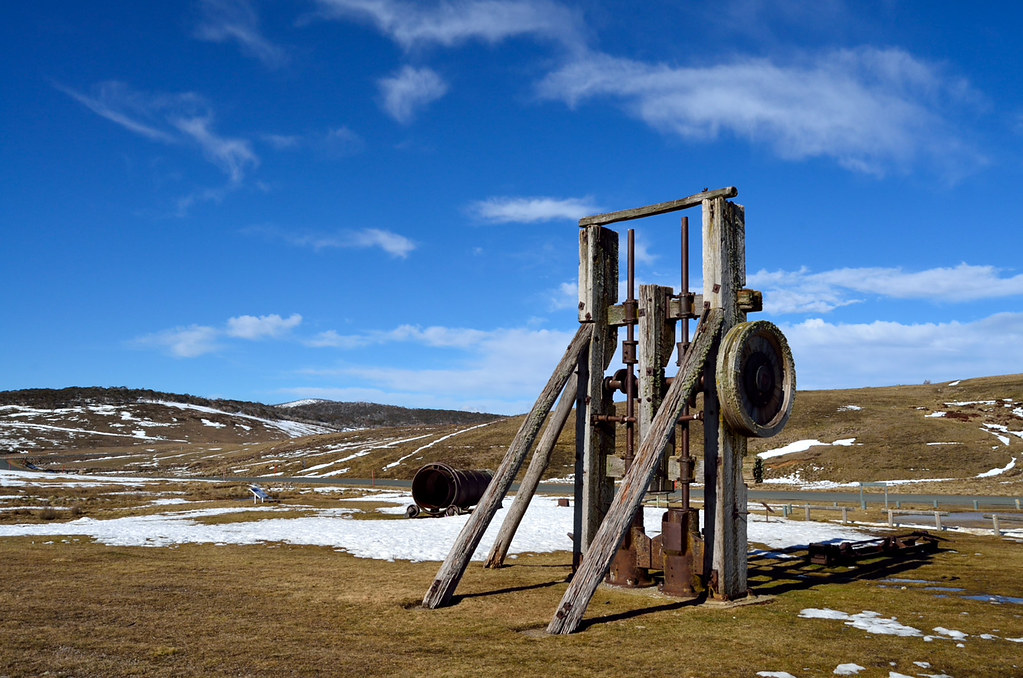
New Chum Hill Ruins

Remnants of Kiandra gold mine at New Chum Hill, #nsw #australia

Showing posts with label Health. Show all posts

July 18, 2014

Bangladesh Has Formaldehyde to Thank for Its Short Supply of Mangoes This Season

Dhaka Metropolitan Police jointly conducted a drive at Hatirpul Bazar against the health hazardous chemical, formalin.
Dhaka Metropolitan Police jointly conducted a drive at Hatirpul Bazar against
 the chemical formalin. Image by Reaz Sumon. Copyright Demotix (3/6/2014)
Monsoon season in Bangladesh is a delicious time when markets overflow with an abundance of seasonal fruits. Red lychees, green jackfruits and yellow melons are on colorful display, piled high in baskets and on tables.

The sweet, fleshy mango is especially sought after, but this year the fruit is harder to find due to a police drive to control the misuse of formalin, a strong solution of formaldehyde used to preserve produce (traditionally used to preserve dead bodies). Last month, police set up mobile formalin-detection units, confiscating and destroying truck loads of locally produced and imported fruits.

Fruits can naturally contain 0.03-0.15 part per million (ppm) of formalin, but the police drive against formalin, which primarily targeted the seasonal fruits, found the level between 3.5 ppm to 46 ppm in fruit found at markets in the country's capital Dhaka. There, police set up checkposts at entry points into the city to check for contaminated fruit.

Formaldehyde is highly toxic. Ingesting only 30 mL of a solution containing 37 percent formaldehyde can kill a human. In the past few years in Bangladesh, formalin has been used without limits on vegetables, fruits, meats and other putrescent foods to prevent them from rotting. On 30 June, 2014, the country's cabinet approved a draft law that calls for a maximum punishment of life in prison and a hefty fine for formalin abuse and unauthorized trading.

Journalist and blogger Anis Raihan at Istishon blog described how mangoes are treated with formalin:
When the mangoes are plucked they are sprayed with the first dose of formalin. Then they are packed and transported to the cities. The first dose is to cover the delays in the transport to prevent them from rotting. After arrival the traders check whether the mangoes are intact or show signs of rotting and spray another dose if necessary to keep them fresh till they are distributed to retailers, who start to sell the mangoes as they receive them. However, if the mangoes show signs of rotting when they are received, the retailers spray another dose of formalin.
Fruit sellers haven't been happy about their loss of produce. In the port city Chittagong, the fruit sellers association went on strike for several hours, claiming that police have been harassing them by testing the fruits with inadequate machines.

Contaminated food is an issue in Bangladesh. In 2012, the deaths of 14 children in Dinajpur after eating lychees tainted with pesticides sparked uproar in the country.

A recent study conducted by the Bangladesh government and Food and Agriculture Organization (FAO) of the United Nations showed that in Bangladesh more than 40 percent of foods contains banned pesticides. Toxic substances in the food samples were three to 20 times the limits set by the European Union. In the same report, 50 percent of vegetables and 35 percent of fruits have been declared unsafe. The mango and fresh shrimp samples contained the highest level of formalin.

Police destroying the formalin affected fruits. Image by Reaz Sumon. Copyright Demotix (3/6/2014)
Police destroying fruit contaminated with formalin.
Image by Reaz Sumon. Copyright Demotix (3/6/2014)
A group of activists arranged a protest called "Stop poisoning us" last May and urged to the government to take proper measures. One doctor, Dr. Shafiq, opined in Facebook that there should be stricter law against the use of formalin.

Blogger Kobid shared a shocking statistic related to contaminated food in Bangladesh:

Each year almost 5.7 million people face health hazards due to adulterated food. According to statistics from the Bangladesh Bureau of Statistics, almost 40 percent of deaths in 2010 were due to illness caused directly or indirectly by adulterated food.

Shahadat, a blogger, didn't mince words in describing the people who sell food contaminated with unsafe chemicals:
Not only in human food, adulterating food for any living being is cruel. The people who resort to this slow poisoning are not humans, but human-like animals.
But the issue is a little more complicated than that. As writer and columnist Tahmina Anam pointed out in The New York Times, the rural poor are the ones growing the fruit, which are then sold in urban areas. Transport is costly for small growers and risky because of non-air-conditioned trucks and road delays caused by traffic jams, strikes or road conditions. Formalin ensures they won't lose their produce, but at the cost of people's health.

Tighter regulations on the chemical’s use will solve the adulteration problem today, but not the transport issues — and growers’ desire for a workaround, chemical or otherwise.

The post was first published in Global Voices

July 10, 2014

Bangladeshi Sex Workers Take Cow Steroids To Mask Their Real Age

ActionAid, a British charity, mentioned in a recent report that 90% of commercial sex workers in Bangladesh are addicted to Oradexon, a steroid meant for cattle. Diaspora Bangladeshi blogger Anushay Hossain explains why they use this drug:

This medicine meant to fatten cows has become the preferred drug among the madams [employers of sex workers] of Bangladesh. They are using the pills to mask the real age of the underage girls working for sex in their brothels by making them appear older and at the same time making the more ‘seasoned’ sex-worker look plum and voluptuous.

This post was first published in Global Voices.

June 04, 2014

University Student Posts Suicide Note In Facebook, Friends Fail To Save Him

Suicide is a long term social issue of Bangladesh and of all the people reported dead due to suicide worldwide every year, 2.06% are Bangladeshis.

Mahbub Shaheen, a student of Dhaka University, posted a Suicide note in Facebook at 7:08PM on 2nd of June, 2014. He wrote:

I am lying on Rail Line. The Train is coming. And I am going to kick out bloody myself, the useless eater.


Once I've posted a comment "I should leave" then after I posted "I have to leave". Some of you asked me- "From where & where will you go?"

I don't know where I am going. But I am leaving. Leaving useless myself forever.

Good bye, good bye forever.

In the comments section of the above post it is revealed that his friends tried to locate Shaheen who was supposed to reach Dhaka, the capital by a train by the evening. His mobile was unreachable so they tried to inform police and his family but did not know how. A few hours later someone confirmed that his body was found near Kamalapur Railway Station.

This shows that Bangladesh desperately needs an effective suicide prevention hotline to act quickly and save people like Shaheen.

The number one cause for suicide is untreated depression. Depression is treatable and suicide is preventable. You can get help from confidential support lines for the suicidal and those in emotional crisis. Visit Befrienders.org to find a suicide prevention helpline in your country.

February 26, 2011

Clinical Trial Of A Cholera Vaccine In Dhaka, Bangladesh Raises Some Questions

A recent international news on Bangladesh was presented in a very positive light - the world's largest clinical trial of a cheap oral cholera vaccine will be conducted in Dhaka, which can save tens of thousands of lives every year. The reports do not contain much except that the study involves nearly 250,000 people near the capital. This will be a cheap alternative to the currently available vaccines and two-thirds of the 250,000 people involved in the trial will receive two doses of the Indian-made vaccine and the rest will receive a placebo.


A cholera hospital in Bangladesh. Image by Flickr user Mark Knobil. CC BY

Blogger Judhisthir followed [bn] the news and was surprised that the local media was silent on this issue:

একমাত্র প্রথম আলো ছাড়া আর কোন পত্রিকায় এটির কোন খবর খুঁজে পেলাম না, প্রথম আলোতেও পাওয়া গেলো ১৮ই ফেব্রুয়ারির পত্রিকায়, অর্থাৎ কর্মসূচি শুরু হবার একদিন পরে, তাও তৃতীয় পৃষ্ঠার এক কোনায়। উপরের লিঙ্কগুলো খেয়াল করলে দেখবেন বিদেশি সংবাদ মাধ্যমগুলো এ খবরটি দিয়েছে একদিন আগে বা ঘটনার দিনে। স্বাস্থ্য মন্ত্রণালয়ের ওয়েব সাইটে কিছু পাওয়া গেলো না, সেটা আসলে আশা করাও উচিৎ হয় নি।

Except for Prothom Alo, I did not find the report in any other newspaper. In Prothom Alo they published the news after one day of the launch (18th February, 2011) and it was placed in one corner of the 3rd page. If you follow the above links you will notice that international media covered the news on the day of launch or before. I did not find anything in the health ministry website, of course I should not have expected that.

So the question comes why is this silence? Judhisthir finds out some stunning facts:

২.১. ভ্যাকসিনটার নাম হলো ShanChol। নির্মাতা ভারতের Shantha Biotechnics, যেটি ফ্রান্সের Sanofi Aventis-এর একটি প্রতিষ্ঠান।

2.1. The name of the vaccine is ShanChol, made by Shantha Biotechnics of India, a subsidiary of Sanofi Aventis.

২.২. ভারতের স্বাস্থ্য বিভাগ এটি অনুমোদন করছে,কিন্তু বিশ্ব সাস্থ্য সংস্থা (WHO) এখনও করে নি। চিন্তার বিষয় হলো, ভারত সরকার ভ্যাকসিনটি ব্যবহারের অনুমোদন দিলেও জাতীয় পর্যায়ে বিশাল আকারের কোন কর্মসূচী নেয়ার কোন পরিকল্পনা তারা অনুমোদন করেনি।

2.2. The health authority of India approved it, but it was not approved by WHO. The worry is that the Indian government has approved the use of the vaccine but did not approve plans to conduct national campaigns with it.

২.৫. ShanChol এর প্রাথমিক ডোজের কার্যকারিতা বছর দুয়েকের মধ্যে অনেক কমে যায়, এবং তখন বুস্টার ডোজ দেয়া জরুরি। [..] প্রশ্ন থাকে বাংলাদেশের মত তথ্য অব্যবস্থাপনা আর স্বাস্থ্য অসচেতনতার দেশে এই বুস্টার ডোজটি নিশ্চিত করা কতটুকু সম্ভব সেটি নিয়ে।

The effectiveness of ShanChol reduces much within 2 years, then a booster dose is required. In a country like Bangladesh where information is poorly managed and people are not aware about health issues, how can the booster doses be ensured, the question remains.

And these raise more questions:

৩.১. প্রথম প্রশ্ন, ভারতীয় কম্প্যানীর তৈরী ভ্যাকসিনটির ব্যাপক আকারের ট্রায়াল ভারতে হলো না কেন? ভারতের তৈরি টীকা বাংলাদেশে পরীক্ষা করাটা শুনতে ভালো লাগে না, যখন ভারত নিজেই এই পরীক্ষা করতে চায় না। ভারত কিন্তু কলেরামুক্ত কোনো দেশ নয় যে তাদের এই পরীক্ষা করার দরকার নেই।

3.1. First question, why this significant trial of an Indian pharmaceutical company was not carried within India? It doesn't sound good that an Indian vaccine is being trialed in Bangladesh, when India refused to test this in its soil. Is India a Cholera free country that it doesn't need such trial?

৩.৩. দেশের সংবাদ মাধ্যমে আর জড়িত প্রতিষ্ঠানগুলোর ওয়েবসাইটে এই বিষয়টি প্রকাশ না করাটাও বেশ বিরক্তিকর। এটা কি বাংলাদেশি মিডিয়ার উদাসীনতা? নাকি এটা ইচ্ছে করে গোপন রাখা হয়েছে?

3.3. This is really irritating that the newspaper reports and the websites had a news blackout. Is this negligence of the Bangladeshi media? Or it was willingly suppressed?

৩.৫. ভ্যাকসিন ট্রায়াল নিয়ে সারা পৃথিবীতে কেলেংকারি কম হয় নি। বিশেষ করে প্ল্যাসিবোর ব্যবহার নিয়ে সবসময়ই বিতর্ক আছে। তবে আজকাল মানুষকে সাবজেক্ট হিসাবে ব্যবহার করা হলে ন্যুনতম কিছু নীতিমালা পালন করা হয়। সাবজেক্টের কাছ থেকে সজ্ঞান অনুমতি নিতে হয়। [..] প্রশ্ন হলো, ভ্যাকসিন ট্রায়ালের ক্ষেত্রে এরকম এথিকস কতটুকু অনুসরণ করা হচ্ছে? মীরপুরবাসীরা কি জানেন তারা একটি পরীক্ষার সাবজেক্ট? যে ৮০ হাজার লোক প্ল্যাসিবো পাবেন, তারা কি জানবেন যে তারা কনট্রোল গ্রুপের সাবজেক্ট মাত্র? নাকি আমাদের দেশের সরকার আর অন্য দেশের ভ্যাকসিন নির্মাতারা আমাদের ভালোটা আমাদের চেয়ে ভালো বোঝেন, তাই এসব খবর মীরপুরবাসীদের না জানানোই ভালো?

3.5. There were many controversies in the world regarding vaccine trial. Especially the use of placebo always ushers in debates. Now-a-days a guideline is followed whenever a human subject is used. The subject has to approve this in sane mind. [..] The big question is what guidelines are being followed for the vaccine trial (in Dhaka)? Whether the residents of Mirpur know that they are subject to a trial? Those 80000 people who will receive only placebo, will they ever know that they are the subject of a control group? Or whether the government and the foreign pharmaceutical knows better, so the Mirpur residents need not know?

Jason Kerwin at Methodlogical points out:

Basically, most vaccines have to stay cold so bacteria and other microbes don’t grow in them. To stay cool (and safe) from the factory to the patient, vaccines require an effective cold chain.

This isn’t a problem in most of the U.S., where vaccines are shipped cold from the factory, in refrigerated containers, and kept cool at clinics and hospitals. But it may be a challenge in places in like Bangladesh where infrastructure is not as developed. The result is either spoiled vaccines or vaccines that don’t make it to rural, isolated populations.

S. M. Mahbub Morhsed, a commenter in Judhisthir's post says:

আমেরিকায় একটি নতুন ঔষুধ ডেভলপ করতে এক বিলিয়ন ডলারের মত খরচা পড়ে। স্বভাবতই তাই এরা গিয়ে ভারতের মত জায়গায় ঔষুধ ডেভলপ করছে। এবং বাংলাদেশকে বেছে নেয়া হয়েছে গিনিপিগ হিসেবে।

In USA, development of a new drug will cost one Billion dollar. Naturally they went to a place like India to develop the medicine. And Bangladesh has been selected as a guinea-pig.

Another commenter Safi says:

নাগরিক অধিকার বা মানবাধিকার জাতীয় শব্দগুলো আমাদের জন্য প্রযোজ্য না

The terms like Citizens Rights or Human Rights are not applicable to us.

Now the big question is who will answer the above questions.

Also Published in Global Voices Online.

August 13, 2010

Dengu Map Helps Fighting Dengu

"More than 2.5 billion people around the world are at risk of contracting dengue, and 50 to 100 million people get sick from it every year. Dengue is present in more than 100 countries, and dengue is on the rise in many parts of the world. In Jakarta I know two person who contracted Dengu in recent weeks.

Dengue thrives in both cities and rural areas of the tropics and subtropics and is caused by a virus that is transmitted by mosquitoes. The symptoms are similar to a severe flu, and can be quite painful. There is no cure and no vaccine. Fortunately, dengue rarely causes death, though severe complications, like dengue hemorrhagic fever, can be lethal." Via (Google Blog)

The Dengue Branch of the US Centers for Disease Prevention and Control (CDC) has created DengueMap to show recent reports of dengue around the world and regions where people are at risk to catch it.


This map may be used as a guide for the assessment of dengue risk throughout the world. The dark blue regions represent areas of ongoing transmission risk as defined by CDC based on data from Ministries of Health, WHO and other international health organizations, journals, and knowledgeable experts.

Be aware of the disease and fight it.

April 28, 2009

Panic is Spreading Faster Than Swine Flu

Pink markers are suspect - Purple markers are confirmed or probable - Deaths lack a dot in marker - Yellow markers are negative
Swine Flu threat spreads worldwide, the panic is spreading faster than that.

If you feel you have contracted swine flu please check "Do I have Swine Flu?".

Via niman. Check for updates at Swine Flu World Map

November 03, 2008

Survival


A BBC documentary on child birth in rural areas of Bangladesh.

(Via ...in the beauty of all the Earth)

October 27, 2008

Things that make your children taller, stronger and sharper

First published in Global Voices

Recently two advertisements of childrens food products made by Nestlé and GlaxoSmithKline (GSK) aired by a Bangladeshi television channel were banned in UK. The Bangladeshi private TV channel NTV (not Nepali TV as some reports claimed) is rebroadcasted from UK to cover 58 countries in Europe and surrounding areas.

The Advertising Standards Authority (ASA) of UK has banned the adverts because they were misleading and inaccurate. The both ads are made by these multinationals for consumers across the South Asian countries including Bangladesh, India, Nepal and Sri Lanka. The generic ads are usually made for multiple countries and dubbed in several local languages to be aired by local TV channels.


In the Maggi Noodles (Nestlé) advert, a mother explains to her child: "Maggi is the best because it has essential protein and calcium that help to build strong muscles and bones."

Watch the ad here (in Bangla):


On the other hand the Horlicks (GSK) ad in NTV claimed: "Children have become taller, stronger and sharper. The Horlicks challenge – now proven!"


Sudarshan Banerjee writes at planning-shlanning about a slightly different version of the Horlicks ad aired in Zee Bangla, an Indian regional TV channel:
"The Horlicks Ad would have been banned if it were running on a national channel. Here's how it goes. Scene outside store. Mother and adoloscent child duo - 2 pairs; one Mother's bag showing a refill pack of Complan and the other Mother's bag showing a Horlicks bottle (Both very very CLEARLY - no pixelations, no attempt to hide whatsoever).

The spot goes on with the Complan boy saying, my health drink has 23 nutrients, how much does yours have? To which the Horlicks boy's answer is 23 nutrients and also something (eludes me, at the moment).

The Complan boy goes on to say, Mine makes me 'Taller' with the show of measuring up the height on one's shoulder at the Complan ads, the Horlicks boy replies, mine makes me 'Taller, Stronger & Sharper'.

The Complan boy then says, mine costs Rs.178 and the Horlicks boy replies, mine costs only Rs.124 (please pardon if the prices are off by a few rupees). The Complan boy then jubilantly says, Mummy, In this case we are higher right with the Mother making a grimace of I've-been-had kind of look.

The Ad ends with a couple of people carrying a Horlicks billboard with the 3 tenets of Taller, Stronger & Shraper clearly written in the background."
The truth emerged after both Nestle and GlaxoSmithKline claimed that the ads had been broadcast in the UK without their knowledge or consent. Interestingly GSK said that its claims were accurate for "children in that part of the world" and they complied with the regulatory requirements of Bangladesh. A GlaxoSmithKline spokesman added that the Horlicks sold in India is a completely different formulation and product to the one in the UK.

Arif Jebtik from Bangladesh had this to say [bn]:
এ বিষয়ে নেসলে কোম্পানি নাকি একটা ব্যাখ্যাও দিয়েছে । নাহ, তারা ক্ষমা প্রার্থনা করেনি । তারা বলেছে, এসব বিজ্ঞাপন তৈরী করা হয়েছিল বাংলাদেশের মিডিয়ার জন্য, "ভুলক্রমে" যুক্তরাজ্যে প্রচারিত হয়েছে বলে তারা দূ:খিত !!

ঠিক আছে নেসলে কোম্পানি । সত্য ভাষনের জন্য আপনাদের অভিনন্দন ।

যাবতীয় ইতরামি এই তৃতীয় বিশ্বের দেশটার সাথেই সবাই করছে , আপনারাও করতে থাকুন ।

"Nestle has given an explanation for this. No, they have not apologized. They said that these ads were made for the media in Bangladesh. They regret that it was broadcast in UK.

Its ok Nestle. Congratulations for telling the truth.

Everybody is doing all these evil things with this third world country. Please continue to do it."
Himu writes in the comments section:
নেসলের কোন প্রোডাক্ট খেয়ে বুদ্ধিশুদ্ধি হলে জানায়েন তো একটু ... একজনকে গিফট করবো ... ।

If you find anybody getting sharper after consuming Nestle's products, please let me know. I will present it to ..someone..
The ASA has ruled that the the products should not be advertised in UK without adequate substantiation for the claims made for it but the reality is that the ads will continue be aired in many South Asian countries.

September 17, 2008

Poisoned powder milk in China – why Bangladesh needs to worry

[First published in E-Bangladesh]

The world came to know about the horror only a couple of days ago that the powdered milk products produced by the Sanlu Group in China were contaminated by melamine after hundreds of Chinese babies were hospitalized for having kidney stones and some had kidney failures.

On 11th of September Sanlu first defended that “their milk powder has no problem” then announced a recall of its products. Global Voices reports:
“By estimation, the tainted formula amount to 700 tons. Not until this moment were millions of babies protected from the deadly dairy products. There are over 30 thousand potential victims (in china) predicted from Sanlu’s influence in domestic market.”

Three children already died till yesterday and the number of sick children has risen to 6200. Chinese state-run media announced that 21 more companies were found producing milk powder tainted with melamine.

A New Zealand media reveals that:
“SanLu knew six months ago that babies were becoming sick as a result of drinking infant formula containing melamine - a chemical banned from food.

A New Zealand dairy Giant Fonterra, which owns 43 per cent of SanLu and has three directors on its board, also knew of the contamination for six weeks before a public recall, which began only after the New Zealand Government blew the whistle.”

Global Voices quoted a Taiwanese blogger:
“Before the Olympic Games, China government gave orders to cover all the reports that might destroy the image of China. The Sanlu Group discovered the contamination just before the Olympic Games, and we can see the China government chose to let their people die so that they can keep the positive image of China.”

“The Sanlu Group claimed that the melamine found in their powdered milk was added by the dairy farmers and milk dealers to meet the nitrogen standard after they added water to dilute the milk. However, not everyone believes their claim.“

25 tons of powered milk products manufactured by the Sanlu Group were exported to Taiwan this August and it created a lot of panic in the country.

And Bangladesh should also worry because AP reveals that:
State broadcaster CCTV reported on its Tuesday evening newscast that One company, based in the southern province of Guangdong, exported its products abroad — to Bangladesh, Yemen, and Burma.

The Bangkok post informs:
"Two Chinese firms where tests found tainted milk products had exported baby formula milk powder to five countries including Bangladesh and Burma

The Suokang and Yashili companies had started to recall their exported milk powder products, which were also sent to Yemen, Burundi and Gabon, said Li Changjiang, the head of the State Administration of Quality Supervision, Inspection and Quarantine (AQSIQ)."

We are yet to see any Bangladeshi media asking questions about this import. The Chinese milk powder imports may be hard to locate if they were imported loose and later packed in another label. Some months ago a milk powder consignment of Abul Khair group was detained because their expiry date overrun. We have seen in TV reports that the consignment was packed in large sacks to be repacked in local brands.

Arup reveals that the popular brands of Fronterra, the major shareholders of Sanlu are:
AnchorAnleneAnmumMainland

Anchor and Anlene are famous brands in Bangladesh. So there should be a nationwide awareness campaign to demand from the sellers the origin of the milk and to stop consuming non-trusted baby milk.

I hope the Bangladesh Government will take immediate action to withdraw the milks imported from China from the market and ban future imports until everything is sorted out.

February 11, 2008

Avian Bird Flu H5N1 in Bangladesh

We have been hearing about the presence of avian Bird Flu H5N1 in Bangladesh since March, last year. It has now spread in an epidemic scale (40 out of 68 districts). Widespread culling is in effect trying to reduce the virus from attacking the humans. The government has banned selling live poultry. So far no human deaths are not reported in Bangladesh although some flu affected humans were quarantined.

The epidemic is not only confined to Bangladesh, but India, Pakistan, Nepal, Thailand etc are also been affected. It seems we are witnessing another global spread.

The H5N1 blog is a good source of information on this. A recent editorial in the New Nation suggests ways to tackle bird flu in Bangladesh.

And what effect does it have on the industry? In Bangladesh many have stopped consuming poultry related products. It is a massive blow to the economy.

September 04, 2007

UNICEF helps

I came across this information that UNICEF constructed wells for clean drinking water for Bangladeshis under one of its hygiene projects. But one article of Fred Pearce published by UNESCO states:
Tens, perhaps hundreds of thousands will die.

Why? Because nobody tested for the natural poison, arsenic, widely found in underground water. And when a doctor did find traces of the metal, and when Bangladeshi villagers did start turning up at doctors' surgeries with the tumours and telltale signs of arsenic poisoning, the results were swiftly buried so that nobody made the connection.
Anyone has more info on this?

Via Notes on Civil Society.

January 27, 2004

MYSTERY DISEASE IN BANGLADESH

Recently I succumbed to strong headache and feverish conditions. A family member raised the question whether I had caught the mystery disease which has taken 15 lives in Northern Bangladesh. But to assure everybody I recuperated shortly.

The outbreak of the disease is really of great concern as doctors could not determine in a week what virus is causing the disease, which produces high fever, headache, vomiting and spells of unconsciousness and death at last. However the symptoms the disease could be encephalitis. Samples have been sent to the U.S. Centers for Disease Control for analysis. It will take weeks to determine the type of the disease. Read more here.

Government sources are saying that the situation seems to be under control now as there are not many new patients. But when you don't know what you are fighting, everybody feels helpless.

This disease is not the bird flu which has spread in many Asian countries. Moreover Bangladesh banned import of chicken from Asian countries where there is bird flu.

I think that WHO or other international organizations should have an unit with specialists and modern equipments to reach those infested areas as soon as the disease outbreaks so that they can identify any new or rare disease at the shortest possible time and prescribe medicines to minimize deaths. Otherwise SARS or other new disease can come out large and threaten an epidemic anytime, anywhere.

December 08, 2003

TACKLING AIDS THREAT

Bangladesh is less prone to AIDS because of the conservative social system. Sex before marriage is considered a taboo, not only in Muslim communities, but also among Hindu, Christian and Buddhists. So far Bangladesh has only 363 registered AIDS patients and most of them carried the virus from abroad. However in a study released in January 2002 by the Joint United Nations Program on HIV/AIDS found there were 13,000 people with HIV out of a population of 130 million.

So there is a growing concern among the government and the NGOs to propagate the precautions against this disease. A recent survey found that only 19 percent of married women and 33 percent of married men had heard of the disease. There are some controversial campaigns going on which are widely criticized. But how can you be modest when you have to be explicit about sexual behaviors. Read about the campaigns here.

In Bangladesh usually most of the marriages are arranged by families. And people who work in affluent countries are given preference. But it has been noticed that AIDS spreads from those persons working abroad. So Dr. Mustafa Abdur Rahim suggests in an article "should not we insist on blood test before marriage?". A must read.

August 06, 2003

DRINKING FROM A CAN CAN KILL YOU!

We are always skeptic about can's hygienic conditions in Bangladesh (the way they are kept). When you're trying to quench your thirst with a can of Coke then you hear a family member crying "wash the top before you drink". Though many don't have the time and means to do that. But after hearing this I think they would have a second thought.

This incident happened recently in Belgium:
A woman went boating one Sunday, taking with her some cans of coke which she put in the refrigerator of the boat. On Monday she was taken into ICU and on Wednesday she died.

The autopsy revealed a certain Leptospirose caused by the can of coke from
which she had drunk, not using a glass. A test showed that the can was
infected by dried rat urine and hence the disease Leptospirosis.

Rat urine contains toxic and deathly substances. It is highly recommended
to wash thoroughly the upper part of soda cans before drinking out of them
as they have been stocked in warehouses and transported straight to the
shops without being cleaned. A study in Spain showed that the tops of soda
cans are more contaminated than public toilets i.e. full of germs and
bacteria.
So better wash the top of the can before you drink next time!