

Dragonfly

Image by Rezwan

Overcrowded passenger ferry capsized in the Padma River in Munshiganj, Bangladesh

The World Cup Goal-E Project

This street in Bangladesh has a colorful world cup celebration

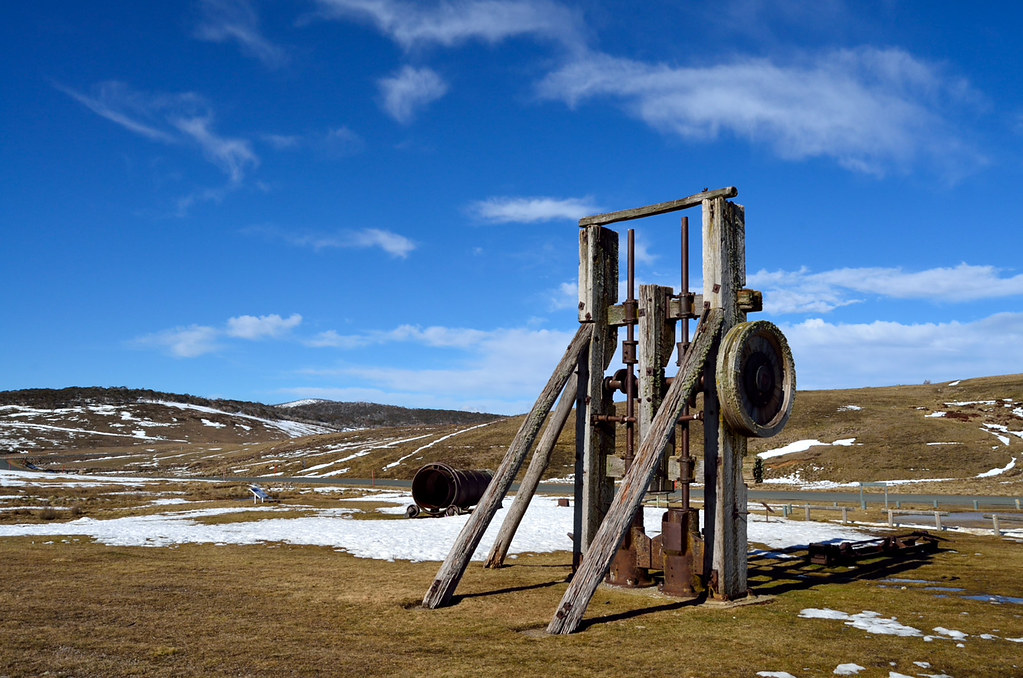
New Chum Hill Ruins

Remnants of Kiandra gold mine at New Chum Hill, #nsw #australia

Showing posts with label censorship. Show all posts

August 13, 2015

Bangladesh Police Chief Tells Bloggers, "Don't Cross the Line"

Activists march in a torch-light vigil demanding immediate arrest and exemplary punishment to the killers of secular blogger Niloy Neel.  Dhaka, Bangladesh. Image by Khurshed Alam Rinku. Copyright Demotix (8/8/2015)
Activists march in a torch-light vigil demanding immediate arrest and exemplary punishment to the killers of secular blogger Niloy Neel. Dhaka, Bangladesh. Image by Khurshed Alam Rinku. Copyright Demotix (8/8/2015)
It has been five days since the assassination of secular blogger Niloy Neel but Bangladesh police authorities have made no significant progress investigating his murder. Neel was hacked to death by a band of five men who broke into his apartment in Dhaka, the nation's capital, on August 7, 2015.

Left shell-shocked by Niloy's killing -- which was the fourth assassination of a secular blogger in Bangladesh in 2015 -- many bloggers have stopping writing and some have gone into hiding. Some of the country's most active bloggers now fear they may face jail or will die at the hands of the assailants. Others have left the country.

The names of these bloggers and others under threat appeared on a list of 84 people submitted to a special government committee in 2013 by a group of conservative Muslim clerics who accused the bloggers of “atheism” and writing against Islam. Since then, eleven individuals on the list have been murdered.

Following Niloy's death, threats have extended beyond blogging communities. The proprietor of a publishing house that published multiple books by blogger Avijit Roy, who was slain in public in February of 2015, is now in danger as fundamentalist forces have identified him as a promoter of atheist ideology.

The day after Niloy's murder, Bangladesh Prime Minister Sheikh Hasina called Niloy's killers a "blot on Islam." She said in a meeting on August 8:
Islam is a religion of peace. Those who want to taint it cannot have true faith in it. How dare they call themselves Muslims? [..]

And now they are murdering bloggers for writing against the religion. Who benefits from this gory mayhem? Which religion they claim to have been protecting?
She continued:
We cannot let this happen in Bangladesh. The people of this country are peace-loving.
In response, blogger Haseeb wrote in Sachalayatan wrote that for him, the Prime Minister's words rang hollow:
সরকার ব্লগারদের মতপ্রকাশের স্বাধীনতা বিষয়ে যতোটা না চিন্তিত, তার থেকে চিন্তিত তাদের ধার্মিক ইমেজ যাতে ক্ষতিগ্রস্থ না হয় সেটা নিয়ে। সরকার ধর্মীয় রাজনীতি তো বটেই, সেই ধর্মীয় রাজনীতি যারা করে তাদের আদর আপ‍্যায়নেই আন্তরিকতা দেখিয়েছে। আর ব্লগারদের মুখ বন্ধ করতে চালু করেছে ৫৭ধারার মতো কালো আইন।
The government is more concerned about keeping their pro-religion image, rather than worrying about freedom of expression. The government is endorsing religious politics and are soft on those who use religion for politics. And the bloggers are slapped with Section 57 [of the IT Act]...
Section 57 of Bangladesh's IT Act criminalizes “publishing fake, obscene or defaming information in electronic form.”

Haseeb also cited a recent press release from the Awami Ulema League, a conservative Islamic group claiming to support Bangladesh's ruling coalition:
নাস্তিক হত্যাকারীদের বিরুদ্ধে ব্যবস্থা নেয়া মানে এই নয় যে, মিডিয়া ইসলাম বিদ্বেষী নাস্তিকদের হাইলাইট করবে। সুতরাং এসব নাস্তিক ব্লগার কর্তৃক বিভিন্ন ব্লগ, ওয়েবসাইট, স্যোসাল মিডিয়ায় কুরুচিপূর্ণ নাস্তিক্যবাদী লেখা বন্ধে ধর্ম অবমাননার জন্য মৃত্যুদন্ডের আইন প্রণয়ন করতে হবে। [..]

এদেশকে নাস্তিক্যবাদী দেশ বানাতে ইসলাম বিরোধী শিক্ষনীতি তৈরী করা হয়েছে। কুরআন-সুন্নাহ বিরোধী বক্তব্য যুক্ত ও ষড়যন্ত্রমূলক পাঠ্যপুস্তক অবিলম্বে বাজেয়াপ্ত করতে হবে। সাথে সাথে ইসলাম বিরোধী প্রচলিত শিক্ষানীতি বাতিল করতে হবে। ৯৮ ভাগ মুসলমানের এদেশের শিক্ষানীতি সম্পূর্ণ ইসলামিক করতে হবে।
The media should not highlight atheist writings in the name of speaking for the killers of the atheists. There should be the death penalty for those who write nasty and blasphemous things on blogs, websites and in social media.

The education policy of this country was developed to make this a country of atheists. The curriculum which contain words against the Quran and Sunnah should be confiscated. The anti-Islam education policy should be repealed. The education policy of this Muslim-majority country should be Islamic.
Haseeb writes:
যে মুহুর্তে ক্ষমতাসীন আওয়ামী লীগের সহযোগি একটি দল এই সমস্ত অশ্লীল দাবিনামা ঢাকা শহরের রাস্তায় মাইকে উগরাচ্ছে তখন শেখ হাসিনা শীতাতপ নিয়ন্ত্রিত কনফারেন্স রুমে দাবি করছেন ধর্ম নিয়ে রাজনীতি করতে দেয়া হবে না। দুঃখিত মাননীয় প্রধানমন্ত্রী। এভাবে হবে না। ক্ষমতাসীন আওয়ামী লীগ সরকারের এধরণের অবস্থান সাংঘর্ষিক।
While an Islamic front, claiming to be supporters of the ruling Awami League, are talking about these demands using loud speakers in the streets, our Prime Minister is saying indoors that "we will not let religion be used for politics." Sorry, Madame Prime Minister. This is not right. There is a contradiction in the stance of the ruling Awami League.
The Director of News of Ekattor TV Syed Ishtiak Reza asks:
ধর্মান্ধতা আজ আমাদের দেশের শান্তি বিঘ্নিত করছে। সেখানে ক্ষমতাসীন দলের সাথে সম্পর্কযুক্ত কোনও সংগঠন এমন বক্তব্য দিলেতো বলতে হবে, বিপদ দরজায়।
Fundamentalism has disturbed peace in our country. When we hear these kinds of statements coming from a group this close to the ruling party, we have to say, peril is near.
However, in an interview Awami League joint general secretary Mahbub-ul-Alam Hanif stated:
Awami League does not have any wing or associate group by the name of Ulema League. They have no political link with the party.
Hanif urged citizens not to confuse the Alami Ulema League with the Awami League, Bangladesh's current governing political party. According to reports, the people behind Awami Ulema League claim Prime Minister Sheikh Hasina as their leader, though their ideology and principles are different from Awami League ruling party. Whether the Awami League has any affiliation with the Awami Ulema League is unknown but no ruling party leaders have condemned their speech.

On Sunday, Police Chief AKM Shahidul Hoque added fuel to the fire, saying:
Free-thinkers and bloggers should not cross the limit of tolerance while expressing their views on religion. If any person is hurt by any writing, s/he may take legal action. They can file a case with the police. Everyone should obey the law.
He added that the maximum punishment for the above crime 14 years' jail time.

Mr. Monirul Islam, another high police official, said:
যারা ব্লগারদের হত্যার সঙ্গে জড়িত এবং যারা হযরত মুহাম্মদ (সা.), ধর্ম ও কোরআন নিয়ে যুক্তিহীনভাবে আঘাত করে ব্লগে লেখে তাদের সকলকে আইনের আওতায় আনা হবে। কারণ যারা যুক্তিহীনভাবে ধর্ম নিয়ে ব্লগে লেখে তারাও উগ্রবাদী।
The killers of the bloggers and those who write on blogs attacking the prophet Muhammad, Islam and Quran all will be brought under law. Those who illogically write against religion in blogs are also extremists.
These comments sparked an uproar among citizens who took to social media to express their outrage. Expat activist Rayhan Rashid tweeted:
Renowned journalist Toufique Khalidi tweeted:
An online petition launched by an unknown group is asking for the police chief's resignation.

Muktangon blog published a statement criticising the police response to the murder and saying that police should not be talking about bloggers hurting religious sentiments in an attempt to distract citizens from their failure to ensure public safety. Muktangon also noted that these bloggers were well aware of speech laws in their country:
এ কথা সঠিক নয় যে, মানুষের ধর্মীয় অনুভূতিতে ব্লগাররা ঢালাওভাবে আঘাত করে যাচ্ছেন। কোনো কোনো ব্লগার তাঁদের মুক্তচিন্তা চর্চার অংশ হিসেবে কখনো কখনো হয়তো ধর্মের (সেটা সব ধর্মের ক্ষেত্রেই প্রযোজ্য) কোনো কোনো বিষয় নিয়ে কথা বলে থাকেন, কিন্তু তা তাঁরা নির্দিষ্ট স্থানে এবং সামগ্রিক আলোচনার ধারাবাহিক অংশ হিসেবেই করে থাকেন। প্রকাশ্যে জনসমক্ষে হট্টগোল তুলে তাঁরা কিছুই করেন না, যার ফলে মানুষ উত্ত্যক্ত বোধ করবে কিংবা আহত ও ক্রুদ্ধ হবে।

মতপ্রকাশের স্বাধীনতার মূল কথাই হল অপ্রিয় মতামত অপ্রিয় ভঙ্গিতে প্রকাশেরও পূর্ণ স্বাধীনতা, যতক্ষণ না তা কোনো সুষ্পষ্টভাবে সংজ্ঞায়িত নিরপেক্ষভাবে বিচারযোগ্য প্রচলিত আইনের কোনো বিধানের নিষেধের মধ্যে না পড়ে। তাই, যারা তাদের রাজনৈতিক বা অন্য কোনো হীন উদ্দেশ্যে ব্লগারদের উম্মুক্ত আলোচনা ও বক্তব্যকে খণ্ডিতভাবে যেখানে-সেখানে উপস্থাপনের মাধ্যমে বিভ্রান্তিকর পরিস্থিতির সৃষ্টি করে, উত্তেজনা সৃষ্টির চেষ্টা করে – সরকার ও আইনশৃঙ্খলা রক্ষাকারী বাহিনীর বরং উচিত তাদের বিরুদ্ধে আইনগত ব্যবস্থা নেয়া।
This is incorrect that bloggers are deliberately and across the board hurting other people's religious sentiments. Some bloggers mentioned and discussed some aspects of religion (many religions, not only Islam) in their online writings as a part of their freedom of expression and part of their discussion and context. But they never did it in public or agitated or hurt people directly.

The main thing of freedom of expression is that one should be free to express adverse opinions in a critical way that may not be liked or endorsed by all. People can do it as long as they are not breaking any existing law of the land. [Author's note: Bangladesh does not have Sharia law.] So those who are creating a disturbance and inciting hatred by terming the bloggers atheist and blasphemous by taking their words out of context should be identified and legal actions should be taken against them.

The post was also published in Global Voices Online.

May 12, 2015

Ananta Bijoy Das Becomes Third Free-Thinking Blogger Killed This Year in Bangladesh

Ananta Bijoy Das. Image from his Facebook page
Ananta Bijoy Das. Image courtesy his Facebook page
It's a sad day for online activists in Bangladesh. On Tuesday morning, science writer and blogger Ananta Bijoy Das was murdered by a group of three or four masked people wielding machetes in Sylhet, Bangladesh's fifth largest city.

It was the third such killing this year of a writer who advocated secular thought, allegedly at the hands of religious extremists.

Das, 33, was a banker by profession but also edited a quarterly magazine called Jukti (Logic) and headed the Sylhet-based Science and Rationalist Council. He was the author of four books on science and critical thinking, and took an active part in the Ganajagaran Mancha, a forum born out of the Shahbag protests that demands a ban on Islamist parties and the death penalty for convicted war criminals.

Das was also an admin for the Bangla blog Mukto Mona (Free Thinkers), which won Deutsche Welle's prestigious BOBS award for social change in April 2015.

According to the Doha Centre of Internet Freedom:
While most of Das's output for Mukto-Mona focused on science and evolution, he wrote a number of blogs that criticised some aspects of Islam and also of Hinduism.

In comments on Facebook posted early Tuesday, Das slammed the local member of parliament from the ruling Awami League party for criticising one of the country's top secular and science fiction writers.
Bangladesh, a Muslim-majority country, is officially secular. But people who have challenged religion have repeatedly been targeted by Islamic extremists in the past decade.

The nature of the threats have also escalated from local to international. Just a week ago, Al Qaeda in the Indian Subcontinent (AQIS) claimed responsibility for the assassination of Bangladeshi-American blogger Avijit Roy (the founder of Mukto Mona blog) on February 26 in which his wife Rafida Ahmed was badly injured. In a recent interview, she slammed Bangladesh's government for inaction and has termed the attack on her husband as "well planned, choreographed – a global act of terrorism."

On March 30, another blogger who opposed irrational religious belief, Washiqur Rahman, was hacked to death in Dhaka. Two madrassa (Islamic religious school) students were apprehended and a third assailant got away. Both Roy and Rahman's cases are under trial.

Das had been on extremists' hit list for some time and was first named in a list of 84 bloggers deemed atheist or blasphemous by Islamic hardliners submitted to the government in 2013.

AQIS claimed responsibility for Das’s murder, according to tweets by extremist group Ansar Bangla Team. "Another file closed! Stay tuned for next target," the statement read.

Screenshot of the AQIS statement
Outrage over Das' death spread quickly. Prominent blogger Arif Jebtik wrote on Facebook:
লিখতে, বলতে, ভাবতে কোনো কিছুতেই আগ্রহ পাই না। ৮৪ জনের একটি তালিকা স্বরাষ্ট্র মন্ত্রণালয়ে জমা পড়েছিল দুইবছর আগে, তালিকা থেকে নবম হত্যা হয়েছে আজকে সিলেটে। তালিকা নিশ্চয়ই চূড়ান্ত নয়, গত ২ বছরে আরো নাম সেই তালিকায় নির্ঘাত যুক্ত হয়েছে। কিন্তু অন্তত এই ৮৪ জনের ব্যাপারে গত ২ বছরে কোনো খোঁজখবর হয়নি, তাঁরা নিয়মিত বিরতিতে খুন হওয়া শুরু করেছেন।
মাসিক কোটায় হত্যা শুরু হয়েছে হয়তো এটি সপ্তাহান্তের কোটায় উন্নীত হবে। ৮৪ জন যাবে, আরো হাজার চুরাশির নাম তালিকায় আসবে। খানিক আহাজারি হবে, সবখানেই একটা ফিসফিস-চুপচুপ ভাব, কিছু বিকৃত মানুষের উল্লাস-তারপর পরের হত্যার জন্য অপেক্ষা।
এই দেশে আইনবহির্ভূত সব হত্যাই জায়েজ হিসেবে মেনে নিয়েছে বৃহত্তর জনগোষ্ঠি, এখানে সবগুলো খুনই 'বিচ্ছিন্ন ঘটনা'।
I don't have the impetus to write, say or think anything. Two years ago a list of 84 bloggers was submitted to the Ministry of Home, 9th from the list was murdered today in Sylhet. This list is not exhaustive, surely more names have been added in the past two years. But nobody bothered to think about the safety of these 84 individuals. They are ending up dead one by one, in regular intervals. Now they are killing one every month, maybe they will speed up to do the same weekly. This list will be done, thousands more will be added. People will regret the death a bit, hush, silence everywhere, demonic joy from some perverts, then everybody waits for the next kill. In this country all these illegal killings have been taken for granted, every death is an isolated incident.
Blogger and activist Rayhan Rashid remembered the fallen who were attacked or killed for their free thinking in Bangladesh:
Ananta Bijoy Das's last posts were translated from Bengali to English by Arunava Sinha:
The International Humanist and Ethical Union (IHEU) wrote in a blog that Ananta Bijoy Das's application for a visa to travel to Sweden, under invitation from Swedish PEN to speak in a conference, was rejected recently by the Swedish embassy in Dhaka, on the basis that he might seek to remain in Sweden.

Exiled writer and columnist Taslima Nasrin blamed the government:
Bangladesh government is not taking any action against the Islamist-killers for being afraid to be labelled as anti-Islam. Islamists are allowed to do whatever they like in Bangladesh. It seems killing free-thinker atheists who criticize Islam is their main agenda.

Rajib Haider
A.K.M Shafiur Rahman
Avijit Roy
Washikur Rahman Babu
Ananta Bijoy Das.
Who is next?

Tomorrow maybe you. Or maybe me.
Blogger Haseeb Mahmud wrote:
পুলিশের দায়িত্ব কি সেটা এই মুহুর্তে একটা প্রশ্ন। অভিজিৎ হত্যার কোন সুরাহা হয়নি। ব্লগার রাজিব হত্যার মামলায় গ্রেফতার ও সেটার বিচার শুরু হলেও সেই হত্যাকান্ডের নাটের গুরু এখনো ধরা ছোঁয়ার বাইরে। অনন্ত বিজয়ের হত্যাকারিদের গ্রেফতার ও তাদের রাতারাতি বিচার শুরু হবে এটাও আশা করা কঠিন। আমাদের করণীয় চাপাতির মুখে লেখা না থামানো। লেখা থামালে জিতে যাবে আনসারুল্লাহ।
What the responsibility of the police is at this point is a question mark. They could not find the killers of Avijit Roy. They have arrested the killers of blogger Rajib, but the mastermind is on the loose. It is a tough to hope that the killers of Ananta Bijoy will be nabbed anytime soon or a trial will start. Our prerogative is to not to stop writing even if confronted by wielding machetes. If we stop writing they will win.
The post was also published in Global Voices Online.

February 04, 2015

Mumbai Newspaper Editor Fired, Arrested for Republishing Charlie Hebdo Cartoon

A protest rally against French satirical magazine Charlie-Hebdo was held in Kashmir's Old City. Protestors effigy and Charlie Hebdo posters were set on fire by angry protesters . Image by Adil Hussain. Copyright Demotix (23/1/2015)
A protest rally against French satirical magazine Charlie-Hebdo was held in Kashmir's Old City. Protestors effigy and Charlie Hebdo posters were set on fire by angry protesters. Image by Adil Hussain. Copyright Demotix (23/1/2015)
A newspaper in India was shut down and its editor arrested after republishing one of French satirical magazine Charlie Hebdo's cartoons featuring the Prophet Muhammad on its front page.

Shirin Dalvi, who was later released on bail, is accused of violating section 295A of the Indian Penal Code, which bans malicious and deliberate acts intended to outrage religious feelings. She faces as many as six lawsuits filed against her across the state, and has taken to hiding her face behind a burqa while in public.

Her troubles began on January 17, 2015, when she printed the February 9, 2006 cover of Charlie Hebdo titled "Mahomet débordé par les intégristes" ("Muhammad overwhelmed by fundamentalists"), with a bearded man in tears saying "C'est dur d'être aimé par des cons" ("It's hard being loved by jerks"), on the front page of the Mumbai edition of Urdu daily Avadhnama. The editorial accompanying the republished cartoon argued that since no image exists of the Prophet Muhammad, the Charlie Hebdo caricatures should not be taken as a representation of him:
There exists no image of him, so how can we infer that this picture is a caricature of him?
Ten days earlier, two gunmen had attacked the Charlie Hebdo's office in Paris, killing 12 people, including eight journalists and injuring 11 others. The dead included the magazine's editor and a policeman. The magazine outraged many Muslims across the world as it published a number of controversial Muhammad cartoons over the years.

Facing backlash, Dalvi apologised, writing a detailed editorial explaining her position on the next morning. But the outrage continued. She began receiving threats on her phone. Lawsuits have been filed against her in different police stations in Mumbai, Thane and Malegaon.

On January 19, Avadhnama’s Mumbai edition was shut down and all its 15 employees sacked. Taqdees Fatima, owner of the Avadhnama title, defended herself, saying she had no links with the Mumbai edition, which was run by a separate entity.
The editor, publisher and printers are totally different and… (are) responsible for the contents.
Avadhnama's other city editions did not publish the cartoon and were not affected. For Dalvi, more misery was waiting. Members of the Rashtriya Ulema Council (State Cleric Council) threatened to protest outside the police station if Dalvi was not arrested.

On January 28, she was arrested and got bail on the next day. But she has not gone back to her home in Mumbra since the protests began; her house remains locked and her children are staying with the relatives. Dalvi, along with the newspaper’s publisher Yunus Siddiqui, proprietor Taquadees Fatema and managing director Deepak Mhatre obtained anticipatory bail in another case filed against them on the same charge.

Dalvi told the Mumbai Mirror in an interview that she meant to reproduce Charlie Hebdo's latest cover purely as an illustration to go along with a report, but printed the 2006 cover by mistake. She admitted that she didn't know what the cartoon said since she doesn't speak French, and had only intended for the cartoon to illustrate a report about the controversial magazine's increased circulation following the attacks.

In a different interview with media watchdog website The Hoot, Dalvi, who has been working in Urdu media for the last 25 years, accused some papers of running false reports about her, such as one saying she had shot down a junior colleague's objection to the cartoon's publication by saying it would boost the newspaper's circulation. The website reported that sources in the Urdu media industry suggested business rivalries may have something to do with the case against Dalvi.

Online, some users criticised the lack of support for Dalvi following the Charlie Hebdo attacks. Satire Twitter account ChopdaSaab tweeted:
Blogger Suvie Kaul wrote:
Nikhil Mehra, a lawyer from New Delhi, tweeted:
The hashtag #IStandWithShireenDalvi has taken off:
Sadanand Bhat, a commenter on an article in Indian Express, questioned the state of freedom of expression in India:
This is Outrageous. Here in western Countries they published the picture of the cartoon. Where is the freedom of Expression in India? WHy should she apologise? Where are all the Seculare [sic] peaceniks? This silence is deafening even in the news reviews. Feel sorry for her and wonder how I can help her.
Raghvendra Upadhyay commented on an article in the India Times to say:
There is a thin line between "freedom of press" and "outraging religious feeling". Important thing is, what is the duty of a press. To put in news what people what to hear ? or what press want people to know ?

Choice is yours !!

Based on your choice, you will build yours and your societies future.
The post was also published in Global Voices Online.

June 03, 2010

Bangladesh: Facebook Ban Update

We have got updates about the Bangladesh Facebook ban.

The news is not just hilarious but it portrays people of what caliber are deciding what should be censored. From The Daily Star:

The government submitted an appeal to the Facebook authority using its automatic 'abuse reporting' tool to remove the offensive contents from its site.

After a discussion with 26 information technology (IT) experts, BTRC officials yesterday signed in the social networking site for a while and submitted the appeal.

The government blocked access to Facebook on Saturday after satiric images of political leaders were posted on the site. Part of the reason was the uploading of anti-Islamic content about Prophet Hazrat Muhammad (SM).

I wonder what are those pages - some say it may be something detrimental to the political image of the government - some say its the satirical image of the prime minister - its hard to tell - probably it can be as dumb as summoning 26 IT experts to learn about a 'abuse reporting' button.

Meanwhile they can see how US politicians are caricatured.

May 30, 2010

Bangladesh: Facebook Temporarily Blocked

Facebook Banned In Bangladesh
Bangladesh has become the second country in Asia after Pakistan to block the entire Facebook domain in recent times. On 28th May, 2010 Friday at around 8:30 the ban was executed on charges of malicious propaganda against Prime Minister Sheikh Hasina and hurting religious feelings, reports [bn] blogger and journalist Biplob Rahman at MuktoMona blogging platform. However the site was still accessible via mobile (m.facebook.com).
Newspapers soon confirmed quoting high officials of Bangladesh Telecom Regulatory Commission (BTRC) that Facebook was temporarily blocked.
Earlier, the BTRC had directed internet data service handlers Mango Telecom and Bangladesh Telecommunications Company Ltd to find a way to block antisocial contents posted by Facebookers.
But the two companies failed to fix the problem, which prompted the government to block the entire prophet, said the official, asking not to be named.
The Daily Star
According to Facebook there are around 900,000 Facebook users in Bangladesh and 60% of them are aged between 18-24 years. Many netizens, like Sukanta Rai at Prothom Alo Blog had this question in mind:
ফেসবুক কি দোষ করল কেউ কি আমারে বলবা?
What did Facebook do can anybody tell me?

S. M. Mahbub Morshed at Sachalayatan informs:
বাংলাদেশের দ্বিতীয় জনপ্রিয় সাইট ফেইসবুকে হাসিনা-খালেদার ব্যাঙ্গাত্মক ছবি প্রকাশের পর মাহাবুব আলম রডিনকে গ্রেপ্তার করে র‍্যাব। এর কিছুক্ষণ পরেই বাংলাদেশ থেকে ফেইসবুক এক্সেস না করার খবর আসতে শুরু করে।
After publishing perverted images of Hasina and Khaleda (The Prime Minister and the leader of the opposition) in the second most popular site in Bangladesh Rapid Action Battalion (RAB - a special force) arrested a youth named Mahbub Alam Rodin. Bangladeshis could not access Facebook soon after that.

Chitpotang at Unheard Voices blog wonders whether a threat from some religious parties prompted the government to take this decision:
That’s the “official” eyewash. What’s the real reason? Hmm, could it have something to do with Naya Diganta and Khatme Nabuwwat, Amini, et al’s return in the form of exporting Pakistan’s Facebook ban for the Mohammed Cartoon Contest? The threats to hold a rally the day after BNP’s June rally that will be even bigger? As usual AL (Awami League) responds in only way it knows to an Islamist/Rightist threat, cave in immediately.
However Aminul Islam Sajib at Life with technology opines:
Although the BTRC is saying that the site has been blocked for hosting anti-religious and pornographic contents, I feel that the site is blocked mainly for the reason that caricatures of two political leaders were shared on the site. The government could take necessary steps to remove those contents. Instead they are blocking us for their own interest and trying to make us understand that the reason is something else (anti-religious stuffs). Don’t they know that there are over hundreds of proxies such as hidemyass.com, redfish.tk (giving you the links so that you can still access the network) to gain access to Facebook. So, why ban Facebook? Banning Facebook does not block people’s access to the site. It’s like a showdown that we have banned Facebook on grounds of being abused.
The Bangladeshi netizens are astonished and outraged by all these drama. Bloggers like and https Shahriar at Cadet College Blog are explaining how to easily circumvent the ban by using https and other web proxies. However, Aranya Anam at Amar Blog warns [bn] netizens to be cautious about using proxy sites and provides some useful links.
Haseeb at Sachalayatan names the ban [bn] as “commerce of sentiments”.
Arup Rahee at Somewherein comments:
ফেসবুক বন্ধ করা কোন সমাধান না। কেউ কোন বিষয়ে কোনখানে মতামত, সমালোচনা, ব্যঙ্গ-বিদ্রুপ ইত্যাদি করলে সেই মাধ্যমটাকেই বন্ধ করা খুব একটা কাজে যে আসে না, তা ইতিহাস বারবার প্রমান করতেছে।
The Facebook ban is not a solution. If somebody criticizes, caricatures or opines against somebody/something, banning the media is not a solution against that - it is being proven across history.
Samir Kumar Ghosh says:
আমার মতে এই উদ্যোগ টি নেয়ার আগে সরকারের একটু ভাবা উচিৎ ছিলো। সরকার যদি এসব করার ব্যাপারে সবাইকে সতর্ক করে দিতেন বা আইনের ভয় দেখাতেন তাহলে হয়তো এর চেয়ে বেশি ফল দিতো।
I think the government should have done some thinking before banning Facebook. If the government issued some alerts and some warnings - it would have been more effective.
However there were some opinions supporting the ban. Guru Bhai at Somewherein says:
যেসময় ওদের খেলার মাঠে বন্ধুদেরকে নিয়া খেলার কথা অথবা হোমওয়ার্ক করার কথা ,সেইসময় মোবাইল বা কম্পিউটার নিয়ে সোশ্যাল নেটওয়ারকিং এর নামে পরকীয়ায় বা ভার্চুয়াল ডেটিংয়ে (কিংবা অন্য কিছুতে) ব্যস্ত ,যা একটি স্বাধীন সার্বভৌম রাষ্ট্রের জন্য অত্যন্ত লজ্জাজনক

When these youths should have been spending their time playing in the field or doing their home work, they spoil their time doing virtual dating (or similar things) using social networking - which is shameful for a sovereign country.

Twitter users are also expressing their reactions:
taslimanasreen: Is banning contagious !! Pakistan banned facebook ! Now Bangladesh !
julu_vai: govt. in bangladesh, by closing facebook for their own personal anger, are causing needless pain to millions. Where is my Freedom of speech?
kowsheek: Finally govt realised that facebook is injurious for pm's health. #bangladesh
DarthShayan: People from #Bangladesh need to make a stand. We always let the political ppl dominate us. Is Bangladesh not a democracy with freedom?
A Facebook group named Withdraw the ban on Facebook in Bangladesh has been created. Kajal Abdullah at Somewherein reports that offline protests are also materializing:
অলরেডী প্রতিবাদ শুরু হয়ে গেছে। ঢাকা বিশ্ববিদ্যালয়ের শিক্ষার্থীরা আজ রাত ১২ টায় রাজু ভাস্কর্যের সামনে ফেসবুক বন্ধের প্রতিবাদে ব্যাপক প্রতিবাদ কর্মসূচী পালন করেছেন। এবং হুশিয়ারি দিয়েছেন অবিলম্বে ফেসবুক চালু না করে দিলে আগামী কাল থেকেই ঢাবি শিক্ষার্থীরা মানববন্ধনসহ নানা আন্দোলনে যাবে।

Protests have been started already. Some students of Dhaka University (DU) have arranged a large protest in front of the Raju monument at midnight. They have warned that if Facebook ban is not withdrawn soon the students of DU will take up human chain and other form of protests.
Nazrul Islam at Sachalayatan says:
আমরা প্রথমত একটা গণতান্ত্রিক সরকার চাই। যেই সরকার সবাইকে কথা বলার সুযোগ দিবে। সবার মত প্রকাশের সুযোগ দিবে।

ডিজিটাল বাংলাদেশ গড়ার স্বপ্ন দেখিয়ে বর্তমান সরকার ক্ষমতা নিলো। কিন্তু আমরা দেখলাম এই সরকার ডিজিটের কিছুই জানে না।

আমাদের সরকার জানেই না, যে এসব নিষেধাজ্ঞা কোনো কাজের কথা না। বর্তমান দুনিয়ায় নিষেধাজ্ঞার চেয়ে হাস্যকর কিছু নাই আসলে। যার দেখার সে ফেসবুক কেন, দুনিয়ার সবকিছু দেখতে পারবে। তবু সরকার নিষেধাজ্ঞা জারী করে। [..]
এই নিষেধাজ্ঞা হয়তো কয়েকদিন পরই তুলে নিতে হবে। কিন্তু এই সরকারের ইতিহাসে তা আজীবন রয়ে যাবে।

We want a democratic government which allows freedom of speech - ensures everybody's freedom of expression. This government has come into power promising a digital Bangladesh. But we are witnessing that it knows nothing about the term ‘digital'. Our government does not know that these bans are not effective - there is nothing sillier than these in today's world. If anybody wants he/she can access Facebook or everything on the internet. Still the government goes for another ban.
They will perhaps be forced to withdraw this ban within a few days. But this will remain as a bad mark in the government's tenure.

First Published in Global Voices Online

November 23, 2009

Blogspot banned in Indonesia?

Well that question did not come into my mind albeit I had troubles accessing my blog (which is on blogspot domain) yesterday.

Today when I could not access multiple sites on blogspost, I tried them via proxy and could access them successfully. Then I realized that something is wrong and started Googling for news. It seems only the Jakartass blog has the information. It reveals:
A few Indonesian ISPs - namely Fastnet, CBN and Smart - blocked Blogger yesterday, albeit temporarily. Why these three, and not the major ISPs such as Telkom and Indosat, interpreted a letter issued by the Ministry of Information and Communication (Menkominfo No 598/M.Kominfo/11/2009 tertanggal 19 November 2009) to mean a total ban on the world's largest blog host server, I cannot say, or even conjecture.

As far as I can make out - all my info comes from Indonesian language sites - one blogger, Nabi Muhammad SAW upset someone somewhere, possibly by expressing 'blasphemous' thoughts.

Read VivaNews for the thoughts of "blogger senior" Enda Nasution.
Well its working again and I am able to post this and surprisingly the targeted blogsite is also unbanned. So I wonder what was the point of this whole exercise?

March 08, 2009

YouTube ban confirmed


Cartoon by Kolpo courtesy Arif

AFP reports:
Bangladesh has blocked the video sharing website YouTube for hosting a recorded conversation between the newly elected prime minister and the country's powerful army officers, officials said Sunday.

Internet users were unable to access the site after it hosted the audio tape, which appeared to show angry officers shouting at Sheikh Hasina over her handling of a bloody mutiny that has threatened Bangladesh's recent return to democracy.
BDNews24 reports that a Bangladesh government official defended blocking of YouTube and eSnips:
“Nothing has been done which is beyond the jurisdiction of the government,” BTRC chairman Zia Ahmed told bdnews24.com, when asked to confirm the reports.

“The government can take any decision to stop any activity that threatens national unity and integrity,” said retired brigadier general Zia Ahmed.

YouTube and Some File Sharing Sites Blocked In Bangladesh

First published in Global Voices Online.

Internet users in Bangladesh are not able to access YouTube since Friday (March 6, 2009) evening. Soon people discovered that other Social Media and file hosting/sharing sites like Esnips, mediafire etc. were also not accessible. Apparently these are blocked by the firewalls at IIG (International Internet Gateway) as these can be accessed by proxy.

Torpon appeals to the Bangladesh government not to takeaway the freedom of internet after providing some proofs of the filtering:
ঢাকায় ইউটিউবে ঢুকতে গিয়ে টাইম আউট হয়ে যাচ্ছিল দেখে অনেকে ভাবছিলেন যে ইউটিউবের সার্ভারের সমস্যা । এরপর দেখা যাচ্ছিল যে ইস্নিপস্ এও ঢোকা যাচ্ছে না । তখন সন্দেহ করা হলো যে সমস্যাটি অন্য কোন খানে । কোথাও ডেটা ব্লক হয়ে যাচ্ছে । প্রমাণ ছাড়া সরকার কে দোষ দেয়াটা অযৌক্তিক । কিন্তু অল্প কিছু সময়ের মধ্যে অভিজ্ঞ বাংলাদেশী নেটওয়ার্ক ইঞ্জিনিয়াররা বিভিন্ন জায়গা থেকে জানালেন সরকারী কোন সার্ভারের ফায়ারওয়ালে ইউটিউব সহ অনেক গুলো সাইট ব্লক করা হয়েছে।

While accessing YouTube from Dhaka a 'time out error' was being returned and people thought there was something wrong with YouTube Server. Soon people found out that they could not access E-snips (a file sharing site). So people feared that somewhere the data is being blocked. It is not logical to blame the government without proof and logic. But soon IT experts and network engineers from all over Bangladesh notified that YouTube and a few other sites are being blocked by a firewall in some government server.

Screenshot courtesy - Torpon
বাংলাদেশ লিনাক্স ইউজার গ্রুপের সার্ভার থেকে গুগল, ইউটিউব এবং ইস্নিপসের সাইটে ট্রেসরাউট কমান্ড দিয়ে দেখা গেছে, গুগল ঠিকই পৌছে যাচ্ছে গুগলের সার্ভারে কিন্তু বাকি দুটো আটকে গেছে বিটিটিবির ফায়ার ওয়ালে।

When traceroute command was executed from the Bangladesh Linux user group server targeting Google, YouTube and E-snips sites the result showed that Google server could be reached but the other two were being stuck at BTTB Firewall.
Mango and BTCL (formerly BTTB) are the official IIGs (International Internet Gateway) in Bangladesh. Starting last April, by regulation, all Bangladeshis ISPs have to route their international traffic to either Mango, or BTCL, who send the traffic over either the submarine cable or the vsats.

The YouTube ban was confirmed [bn] by a Bangla Newspaper Prothom Alo. Twitter user Mahay Alam Khan reports on the ban on more sites.
mahayalamkhan: youtube, eSnips, midiafire, filefreak, upload-mp3 are banned or blocked in Bangladesh. Please, re-twitt.
Russell John speculates why the ban was executed:
Why did the Government do this? It's because of an audio recording that could "damage" the reputation of our great Prime Minister Sheikh Hasina. For now they blocked YouTube and eSnips, but in the future there might be more sites. Maybe Facebook too? People shares a lot of stuff there.
After the recent BDR mutiny and massacre of army officers in Dhaka the Prime Minister met the aggrieved army officers in a confidential closed door meeting at Shenakunja where no press or outsiders were allowed. The conversions in the meeting and cellphone video recordings were leaked out, uploaded and shared using many file sharing sites including E-snips and YouTube. Unheard Voice blog discusses the issue of the leaked audio files which are being used by some quarters to create some political bickering and malign the army and the Prime Minister.

Dark ocean needs a lighthouse says:
If Bangladesh Govt thinks Internet is like Cellphone service then they are living in fools' paradise. There are many ways people can bypass the blockage. [..] In this particular case anyone can use Anonymous proxy and bypass firewall!

Youtube, eSnips etc are very common and useful services. If Bangladesh Govt think any particular Audio and Video harmful for our society they could directly request Youtube to remove them. Such wild blockage is not only stupidity but also raises question about Govt's intention.
Some bloggers like Kayes Mahmud are providing proxy links so that others can access the blocked contents. Razon Sun points out that the contents of the meeting at Shenakunjo have already been published in a local newspaper [bn]. So there is actually no logic to block the internet. It may be mentioned here that Bangladeshis outside Bangladesh can easily access to these contents, which can be downloaded and shared by email.

Sushanta says:
প্রচারনা বন্ধ করার আগে দেখেন কিভাবে এটা রেকর্ড হলো? প্রথমে কোন সাইটে এটা আপ্লোড হয়েছে। সেনাকুঞ্জের সভার ভিডিও টা দেখেন ভালো করে কোন সেনা কর্মকর্তা মোবাইল হাতে চুপেচাপে রেকর্ডিং করছে। এটা ধরা তেমন কঠিন কাজ না।

Before trying to block the audio/videos please see how it was recorded and where it was first uploaded. Please check the video of the Shenakunja meeting to pin point who recorded it. It is not hard to find out.
Russell vents his frustration:
What's ironical is that it's the same Government that talks about "Digital Bangladesh" all the time. We now know what Digital Bangladesh is like.
Now the question is how to unblock YouTube and other file sharing sites in Bangladesh. We have seen in previous cases that the authorities do not recognize that such bans were carried out in the first place shifting the blame to technical glitches. In the absence of 'Right To Information Act' it is hard for a common citizen to ask why it was done. We hope that the authorities will unblock all these sites to prevent more controversies and bad publicity for the government.

March 02, 2009

Herdict is here


Herdict Web - the verdict of the herd:
Have you ever come across a web site that you could not access and wondered,"Am I the only one?" Herdict Web aggregates reports of inaccessible sites, allowing users to compare data to see if inaccessibility is a shared problem. By crowdsourcing data from around the world, we can document accessibility for any web site, anywhere.

July 16, 2008

Bangla blogging platform banned in Bangladesh?


Since 15th of July many readers/bloggers of the Bangla blogging platform Sachalayatan (around 300 bloggers and 500 readers per day) are complaining that they cannot access it from Bangladesh. However they could access it via proxy.

BDNews24.com reported it today (translated summary):
There was a complaint that a Bangla Blog named Sachalayatan has been blocked in Bangladesh. Arup Kamal, One of the founders of the blog told BDNews24.com from Malaysia over phone that "after posting an article on war-criminals recently the site has been banned."

He confirmed that it can be accessed everywhere in the world except Bangladesh. Sachalayatan is an online writers forum which focuses on literature and contemporary issues.
Another Bangla Daily Prothom Alo reported the news with a question mark "Is Sachalayatan banned?" (translated excerpts):
We have asked Mr. ABM Habibur Rahman, head of the internet division of BTCAL whether this is true or not. He refused to comment. The blog authority have said that there is no technical error as it can be accessed elsewhere in the world.
A blogger of Sachalayatan talked with the head of BTCAL internet division and comments that it has been censored in Bangladesh.

I condemn this heinous act if its true. Please spread the news.

For the readers in Bangladesh, you can use any of these proxies to enter the site.

Update: Sources reported that it was a ban on a illegal VOIP soft-switch bearing the same IP. So Sachalayatan was the collateral damage of the ban. But the authority never confirmed or commented on this. Sachalayatan can now be seen from Bangladesh as it has recently changed its IP.

March 16, 2008

First Online Free Expression Day Observed


Reporters Without Borders held the first Online Free Expression Day on March 12, 2008 protesting the internet censorship across the world.

Rebecca MacKinnon has more on this.