

Dragonfly

Image by Rezwan

Overcrowded passenger ferry capsized in the Padma River in Munshiganj, Bangladesh

The World Cup Goal-E Project

This street in Bangladesh has a colorful world cup celebration

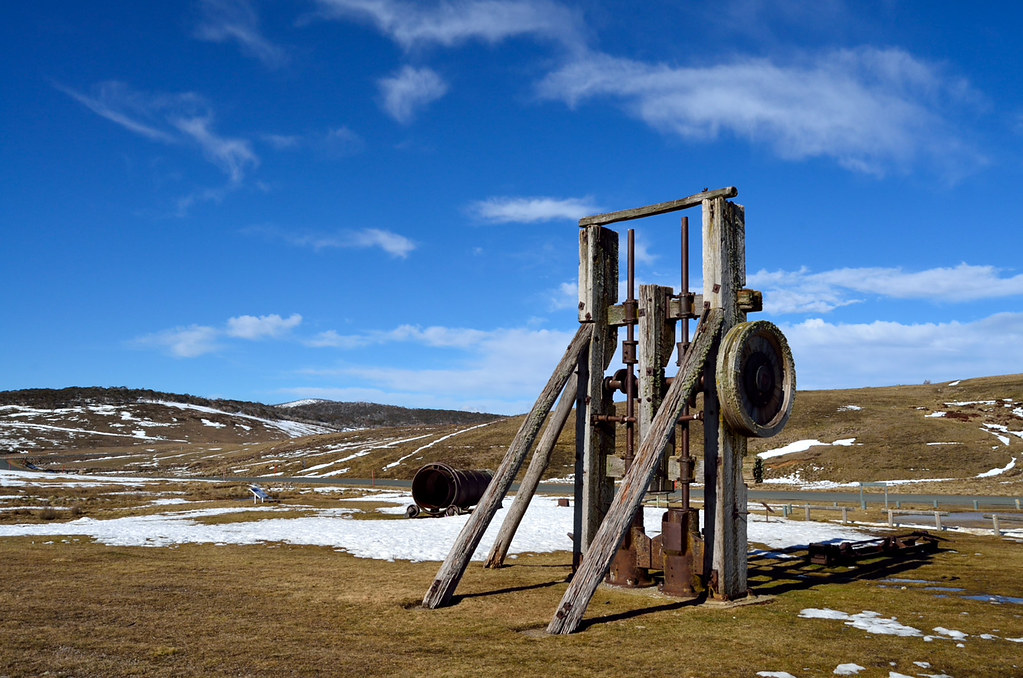
New Chum Hill Ruins

Remnants of Kiandra gold mine at New Chum Hill, #nsw #australia

Showing posts with label protest. Show all posts

August 13, 2015

Bangladesh Police Chief Tells Bloggers, "Don't Cross the Line"

Activists march in a torch-light vigil demanding immediate arrest and exemplary punishment to the killers of secular blogger Niloy Neel.  Dhaka, Bangladesh. Image by Khurshed Alam Rinku. Copyright Demotix (8/8/2015)
Activists march in a torch-light vigil demanding immediate arrest and exemplary punishment to the killers of secular blogger Niloy Neel. Dhaka, Bangladesh. Image by Khurshed Alam Rinku. Copyright Demotix (8/8/2015)
It has been five days since the assassination of secular blogger Niloy Neel but Bangladesh police authorities have made no significant progress investigating his murder. Neel was hacked to death by a band of five men who broke into his apartment in Dhaka, the nation's capital, on August 7, 2015.

Left shell-shocked by Niloy's killing -- which was the fourth assassination of a secular blogger in Bangladesh in 2015 -- many bloggers have stopping writing and some have gone into hiding. Some of the country's most active bloggers now fear they may face jail or will die at the hands of the assailants. Others have left the country.

The names of these bloggers and others under threat appeared on a list of 84 people submitted to a special government committee in 2013 by a group of conservative Muslim clerics who accused the bloggers of “atheism” and writing against Islam. Since then, eleven individuals on the list have been murdered.

Following Niloy's death, threats have extended beyond blogging communities. The proprietor of a publishing house that published multiple books by blogger Avijit Roy, who was slain in public in February of 2015, is now in danger as fundamentalist forces have identified him as a promoter of atheist ideology.

The day after Niloy's murder, Bangladesh Prime Minister Sheikh Hasina called Niloy's killers a "blot on Islam." She said in a meeting on August 8:
Islam is a religion of peace. Those who want to taint it cannot have true faith in it. How dare they call themselves Muslims? [..]

And now they are murdering bloggers for writing against the religion. Who benefits from this gory mayhem? Which religion they claim to have been protecting?
She continued:
We cannot let this happen in Bangladesh. The people of this country are peace-loving.
In response, blogger Haseeb wrote in Sachalayatan wrote that for him, the Prime Minister's words rang hollow:
সরকার ব্লগারদের মতপ্রকাশের স্বাধীনতা বিষয়ে যতোটা না চিন্তিত, তার থেকে চিন্তিত তাদের ধার্মিক ইমেজ যাতে ক্ষতিগ্রস্থ না হয় সেটা নিয়ে। সরকার ধর্মীয় রাজনীতি তো বটেই, সেই ধর্মীয় রাজনীতি যারা করে তাদের আদর আপ‍্যায়নেই আন্তরিকতা দেখিয়েছে। আর ব্লগারদের মুখ বন্ধ করতে চালু করেছে ৫৭ধারার মতো কালো আইন।
The government is more concerned about keeping their pro-religion image, rather than worrying about freedom of expression. The government is endorsing religious politics and are soft on those who use religion for politics. And the bloggers are slapped with Section 57 [of the IT Act]...
Section 57 of Bangladesh's IT Act criminalizes “publishing fake, obscene or defaming information in electronic form.”

Haseeb also cited a recent press release from the Awami Ulema League, a conservative Islamic group claiming to support Bangladesh's ruling coalition:
নাস্তিক হত্যাকারীদের বিরুদ্ধে ব্যবস্থা নেয়া মানে এই নয় যে, মিডিয়া ইসলাম বিদ্বেষী নাস্তিকদের হাইলাইট করবে। সুতরাং এসব নাস্তিক ব্লগার কর্তৃক বিভিন্ন ব্লগ, ওয়েবসাইট, স্যোসাল মিডিয়ায় কুরুচিপূর্ণ নাস্তিক্যবাদী লেখা বন্ধে ধর্ম অবমাননার জন্য মৃত্যুদন্ডের আইন প্রণয়ন করতে হবে। [..]

এদেশকে নাস্তিক্যবাদী দেশ বানাতে ইসলাম বিরোধী শিক্ষনীতি তৈরী করা হয়েছে। কুরআন-সুন্নাহ বিরোধী বক্তব্য যুক্ত ও ষড়যন্ত্রমূলক পাঠ্যপুস্তক অবিলম্বে বাজেয়াপ্ত করতে হবে। সাথে সাথে ইসলাম বিরোধী প্রচলিত শিক্ষানীতি বাতিল করতে হবে। ৯৮ ভাগ মুসলমানের এদেশের শিক্ষানীতি সম্পূর্ণ ইসলামিক করতে হবে।
The media should not highlight atheist writings in the name of speaking for the killers of the atheists. There should be the death penalty for those who write nasty and blasphemous things on blogs, websites and in social media.

The education policy of this country was developed to make this a country of atheists. The curriculum which contain words against the Quran and Sunnah should be confiscated. The anti-Islam education policy should be repealed. The education policy of this Muslim-majority country should be Islamic.
Haseeb writes:
যে মুহুর্তে ক্ষমতাসীন আওয়ামী লীগের সহযোগি একটি দল এই সমস্ত অশ্লীল দাবিনামা ঢাকা শহরের রাস্তায় মাইকে উগরাচ্ছে তখন শেখ হাসিনা শীতাতপ নিয়ন্ত্রিত কনফারেন্স রুমে দাবি করছেন ধর্ম নিয়ে রাজনীতি করতে দেয়া হবে না। দুঃখিত মাননীয় প্রধানমন্ত্রী। এভাবে হবে না। ক্ষমতাসীন আওয়ামী লীগ সরকারের এধরণের অবস্থান সাংঘর্ষিক।
While an Islamic front, claiming to be supporters of the ruling Awami League, are talking about these demands using loud speakers in the streets, our Prime Minister is saying indoors that "we will not let religion be used for politics." Sorry, Madame Prime Minister. This is not right. There is a contradiction in the stance of the ruling Awami League.
The Director of News of Ekattor TV Syed Ishtiak Reza asks:
ধর্মান্ধতা আজ আমাদের দেশের শান্তি বিঘ্নিত করছে। সেখানে ক্ষমতাসীন দলের সাথে সম্পর্কযুক্ত কোনও সংগঠন এমন বক্তব্য দিলেতো বলতে হবে, বিপদ দরজায়।
Fundamentalism has disturbed peace in our country. When we hear these kinds of statements coming from a group this close to the ruling party, we have to say, peril is near.
However, in an interview Awami League joint general secretary Mahbub-ul-Alam Hanif stated:
Awami League does not have any wing or associate group by the name of Ulema League. They have no political link with the party.
Hanif urged citizens not to confuse the Alami Ulema League with the Awami League, Bangladesh's current governing political party. According to reports, the people behind Awami Ulema League claim Prime Minister Sheikh Hasina as their leader, though their ideology and principles are different from Awami League ruling party. Whether the Awami League has any affiliation with the Awami Ulema League is unknown but no ruling party leaders have condemned their speech.

On Sunday, Police Chief AKM Shahidul Hoque added fuel to the fire, saying:
Free-thinkers and bloggers should not cross the limit of tolerance while expressing their views on religion. If any person is hurt by any writing, s/he may take legal action. They can file a case with the police. Everyone should obey the law.
He added that the maximum punishment for the above crime 14 years' jail time.

Mr. Monirul Islam, another high police official, said:
যারা ব্লগারদের হত্যার সঙ্গে জড়িত এবং যারা হযরত মুহাম্মদ (সা.), ধর্ম ও কোরআন নিয়ে যুক্তিহীনভাবে আঘাত করে ব্লগে লেখে তাদের সকলকে আইনের আওতায় আনা হবে। কারণ যারা যুক্তিহীনভাবে ধর্ম নিয়ে ব্লগে লেখে তারাও উগ্রবাদী।
The killers of the bloggers and those who write on blogs attacking the prophet Muhammad, Islam and Quran all will be brought under law. Those who illogically write against religion in blogs are also extremists.
These comments sparked an uproar among citizens who took to social media to express their outrage. Expat activist Rayhan Rashid tweeted:
Renowned journalist Toufique Khalidi tweeted:
An online petition launched by an unknown group is asking for the police chief's resignation.

Muktangon blog published a statement criticising the police response to the murder and saying that police should not be talking about bloggers hurting religious sentiments in an attempt to distract citizens from their failure to ensure public safety. Muktangon also noted that these bloggers were well aware of speech laws in their country:
এ কথা সঠিক নয় যে, মানুষের ধর্মীয় অনুভূতিতে ব্লগাররা ঢালাওভাবে আঘাত করে যাচ্ছেন। কোনো কোনো ব্লগার তাঁদের মুক্তচিন্তা চর্চার অংশ হিসেবে কখনো কখনো হয়তো ধর্মের (সেটা সব ধর্মের ক্ষেত্রেই প্রযোজ্য) কোনো কোনো বিষয় নিয়ে কথা বলে থাকেন, কিন্তু তা তাঁরা নির্দিষ্ট স্থানে এবং সামগ্রিক আলোচনার ধারাবাহিক অংশ হিসেবেই করে থাকেন। প্রকাশ্যে জনসমক্ষে হট্টগোল তুলে তাঁরা কিছুই করেন না, যার ফলে মানুষ উত্ত্যক্ত বোধ করবে কিংবা আহত ও ক্রুদ্ধ হবে।

মতপ্রকাশের স্বাধীনতার মূল কথাই হল অপ্রিয় মতামত অপ্রিয় ভঙ্গিতে প্রকাশেরও পূর্ণ স্বাধীনতা, যতক্ষণ না তা কোনো সুষ্পষ্টভাবে সংজ্ঞায়িত নিরপেক্ষভাবে বিচারযোগ্য প্রচলিত আইনের কোনো বিধানের নিষেধের মধ্যে না পড়ে। তাই, যারা তাদের রাজনৈতিক বা অন্য কোনো হীন উদ্দেশ্যে ব্লগারদের উম্মুক্ত আলোচনা ও বক্তব্যকে খণ্ডিতভাবে যেখানে-সেখানে উপস্থাপনের মাধ্যমে বিভ্রান্তিকর পরিস্থিতির সৃষ্টি করে, উত্তেজনা সৃষ্টির চেষ্টা করে – সরকার ও আইনশৃঙ্খলা রক্ষাকারী বাহিনীর বরং উচিত তাদের বিরুদ্ধে আইনগত ব্যবস্থা নেয়া।
This is incorrect that bloggers are deliberately and across the board hurting other people's religious sentiments. Some bloggers mentioned and discussed some aspects of religion (many religions, not only Islam) in their online writings as a part of their freedom of expression and part of their discussion and context. But they never did it in public or agitated or hurt people directly.

The main thing of freedom of expression is that one should be free to express adverse opinions in a critical way that may not be liked or endorsed by all. People can do it as long as they are not breaking any existing law of the land. [Author's note: Bangladesh does not have Sharia law.] So those who are creating a disturbance and inciting hatred by terming the bloggers atheist and blasphemous by taking their words out of context should be identified and legal actions should be taken against them.

The post was also published in Global Voices Online.

August 09, 2015

Maldivians March to Mark Anniversary of Local Journalist's Disappearance

Image via the Facebook page of Secular Democratic Maldives Movement


It has been 365 days since Maldivian journalist, blogger and human rights advocate Ahmed Rizwan Abdulla went missing. The 28-year-old, who works for online news site Minivan News, is an advocate of democracy and free speech and a prolific social media user.

There has been no real progress in the investigation and the people behind his abduction have not been identified. The Maldivian Police and the government have remained silent.

Rilwan's friend Yameen Rasheed describes what has happened in the space of a year:
To demand action and accountability from the state, Rilwan’s well-wishers started the #FindMoyameehaa campaign – the first of its kind in the Maldives. The campaign has organized rallies, petitions, public events, awareness programs on the streets, and also engages the public on social media. The #FindMoyameehaa campaign has drawn widespread attention and international press coverage, and also generated responses – including statements from IFJ, SAMSN, Amnesty International, Reporters Without Borders, the Human Rights Commission of the Maldives, and various national and international bodies.
On July 8, 2015 Rilwan’s family called for an independent public inquiry into the disappearance and the lapses in the investigation.

On August 6, Committee to Protect Journalists (CPJ) urged Maldives to launch an independent investigation into Rilwan's case.
To mark one year of his disappearance, the family has requested a public rally on August 8 to remind the state of its duty to protect journalists and enforce the law. The opposition Maldives Democratic party has endorsed the rally.

Maldivians are using hashtags #suvaalumarch and #findmoyameeha to spread word about the rally:
And people still have hope:

The post was also published in Global Voices Online.

August 07, 2015

"No Country For Secular Bloggers": Niloy Neel is the Fourth Bangladeshi Blogger To Be Killed in 2015

Murdered blogger Niladri Chakrabarty Neel, Image by Reza Sumon. Copyright Demotix (7/8/2015)
Murdered blogger Niloy Neel, Image by Reza Sumon. Copyright Demotix
On Friday, August 7 at approximately 1:45pm, five assailants armed with machetes entered the flat of blogger Niloy Neel and killed him brutally. When his wife and sister attempted to save him, the attackers threatened to kill them too.

Niloy is the fourth blogger to be killed in Bangladesh over the last six months. All those killed were secular and critical of conservative religious political movements in the country. Many more have been attacked, subjected to death threats and ostracized by religious hardliners for their writing.
The blogger had written under the pen name "Niloy Neel" in Istishon (meaning "station" in Bengali) as a member of a Bengali group blog that covered political and social issues. Expat blogger Arif Rahman noted that he completed a Master's degree in philosophy from Dhaka University in 2013.

Neel was vocal about secularism and wrote for the platform "Ganajagaran Mancha," demanding capital punishment for 1971 war criminals. Dr. Imran H Sarkar, a leader of Ganajagaran Mancha, writes on Facebook:
‪#‎NiloyNeel‬ was writing for women rights, indigenous peoples, even for all other minorities. He was critic of religious extremism that provoked bombing in mosque and killing thousands of civilians.

He was one of the voice for Social Justice, secularism, human rights and loud for ‪#‎AvijitRoy‬ justice. He frequently got threatened by islamic militants those are trying to destroy this country by terrorism.
The names of these bloggers and others under threat appeared on a list of 84 people submitted to a special government committee by a group of conservative Muslim clerics who accused the bloggers of “atheism” and writing against Islam. Government officials responded by blocking critical websites and making arrests, of bloggers and leaders from the religious right, at the height of #shahbag protests in 2013. Some media outlets, including prominent right-wing blogs, have even propagated the ideathat all bloggers are atheists who “hurt the feelings” of religious Bangladeshis. Eleven of the bloggers on the list (including Niloy) have been killed over the past two years.

Niloy also was active in Facebook, where he shared his opinions on political issues, but also described the threats he was facing. On May 15, 2015, he wrote:
আমাকে দুজন মানুষ অনুসরণ করেছে গত পরশু। ‘অনন্ত বিজয় দাশ হত্যার’ প্রতিবাদে আয়োজিত প্রতিবাদ সমাবেশে যোগদান শেষে আমার গন্তব্যে আসার পথে এই অনুসরণটা করা হয়।
I was followed by two people two days ago while returning home after attending a protest programme demanding justice for the murder of blogger Ananta Bijoy Das.
He went to the police station to file a complaint (general diary), and wrote his experience:
First, a police officer told me personally that the police do not usually register such GDs since the officer who registers it will be accountable for ensuring security of the justice seeker. And if the person faces any problem, that police officer may even lose job for negligence in duties.
Niloy soon after removed all his photos from his Facebook profile as a precaution.

Golam Mortaza questions the government for inaction:
ব্লগার বা অনলাইন লেখকদের 'নাস্তিক ' হিসেবে চিহ্নিত করে হত্যা করা হচ্ছে। এই হত্যাকারীদের বিরুদ্ধে ব্যবস্থা নেয়া মানে 'নাস্তিক ' হত্যাকারীদের বিরুদ্ধে ব্যবস্থা নেয়া। নাস্তিকদের যারা হত্যা করছে, তাদের বিরুদ্ধে ব্যাবস্থা নেয়া মানে নাস্তিকদের পক্ষ নেয়া। সরকারের দৃষ্টিভঙ্গি এরকমই। সরকার বক্তব্যে কোনো রাখঢাক নেই। স্পষ্ট বক্তব্য 'আমরা নাস্তিক হিসেবে পরিচিত হতে চাই না। '
Bloggers or online writers are being labeled as atheists. Its like taking actions against the killers is the same as taking action against the killer of atheists. To take action against against the killer of atheists is taking sides with the atheists. The government thinks in this way. They are not hiding it. They are saying by their actions "We dont want to be labeled as atheists".
One powerful group targeting secular bloggers is Hefajat-e-Islam Bangladesh, an association-based fundamentalist Islamic group in Bangladesh that has sought to ban the right of women to work outside of home and promoted the execution of so-called atheist bloggers.

Shaugat Ali Sagor writes in Facebook:
৮৪ জন কেন ৮৪০০ ব্লগারের জীবনের চেয়েও সরকার যে নাস্তিকদের সমর্থক নয় সেটার প্রমান দেওয়া জরুরী। ৮৪ জন ব্লগারের জীবনের বিনিময়েও যদি হাটহাজারীর হেফাজতওয়ালারা খুশি থাকে, সরকারকে হেফাজতে রাখে- সেটিই বরং দরকার।

আশ্চর্য! হাসপাতালের মর্গে একেকটা লাশ যেমন একেকটা নাম্বার, মানে সংখ্যা মাত্র।একেকজন ব্লগারও যেন কেবল নাস্তিক মাত্র। তারা রাষ্ট্রের নাগরিকক নন- কাজেই রাষ্ট্রের কোনো প্রটেকশন তারা পান না, তারা মানুষ নন- তাদের কোনো মানবাধিকার নেই। আর হ্যাঁ, খুন হয়ে যাওয়া 'ব্লগারটি' নাস্তিক ছিলেন- এই কথাটি একবার মুখ দিয়ে বের করা গেলে, সেটি প্রচারে হেফাজত আর সরকারের সমর্থকরাও একাকার হয়ে যান।'ব্লগার নামধারী নাস্তিকরা দেশের স্থিতিশীলতা নষ্টের চক্রান্তে লিপ্ত, সরকারকে বিব্রত করতে চায়'- নিকট অতীতে কোনো কোনো এমপিকেওতো এমন কথা বলতে শুনেছি।
Why only 84? Even if the number of the dead bloggers is 8400, it is far more important to prove that the government is not aiding the atheists. Even if the lives of 84 bloggers can make the Hefajat-e-Islam Bangladesh happy, keep the government safe [from political pressure] then that is important.

Amazing! The dead bodies of fallen bloggers in the morgue are just numbers. All the bloggers are only atheists. They are not the citizens of the land - so they do not get any protection. They are not human - they have no human rights. And yes, if you can somehow establish that the murdered blogger was an atheist, everyone including the government keeps preaching it. Some members of parliament have said in the past that "in the name of bloggers, atheists are disturbing the stability of the country, they want to embarrass the government."
Jyotirmoy Barua, a lawyer and activist writes that bloggers need to unite:
রাস্তায় প্রতিবাদ করা ছাড়া আর কোন কাজে ব্লগারদের একাট্টা হওয়ার কোন ঘটনা এপর্যন্ত ঘটেনি। এটাই ব্লগারদের সবচেয়ে বড় দুর্বলতা। একটি সংগঠিত দল বা গোষ্ঠী না হওয়া সত্ত্বেও তারা দল বা গোষ্ঠী হিসেবে টার্গেট।

তাই সংগঠিত হোন- নয়ত বাঁচবেন না। প্ল্যাটফর্ম তৈরি করুন। প্রতিরোধ করতে শিখুন। প্রতিবাদে কাজ হবে না। দেশে আইনের শাসন নেই, তাই চেঁচিয়ে লাভ হবে না।
So far the bloggers have not been able to unite on a platform other than protesting in the streets. This is the weak point of the bloggers [of Bangladesh]. They are not a united or cohesive group. But they are being targeted as a group.

So please unite - or you will not live. Build a platform. Learn to defend. Simply protesting is not going to work. There is no rule of law in the country - so crying aloud won't help.
Statement claiming responsibility for Niloy's killing sent to media houses from the email ansar.al.islam.bd @gmail. com

According to news reports Ansar-Al-Islam, the Bangladesh chapter of Al-Qaeda in the Indian Sub-Continent, has claimed responsibility for the killing of blogger Niloy, terming him an enemy of Allah. Witnesses reported that while retreating from Niloy's apartment, his attackers reportedly chanted slogans like “Allahu Akbar”.

An email sent to media houses in Bangladesh reportedly read: “Praise be the God! Soldiers of Ansar-Al-Islam [AQIS, Bangladesh Branch] carried out an operation to slaughter an enemy of God and his messenger (peace & blessings be upon him), whose name is Niloy Chowdhury Neel.”

Meanwhile on Friday the police apprehended Hefajat-e-Islam leader Mufti Izharul Islam Chowdhury over an unrelated incident. Chittagong-based radical group Hefazats Nayeb-e-Amir Izaharul is also the chief of Nezame Islam Party, which opposed Bangladesh’s independence in 1971. One item on Hefazat's agenda is to impose capital punishment on all the atheists in Bangladesh, despite the fact that atheists have the same rights as other citizens in Bangladesh.

In May, Global Voices published a statement issuing a call for safety for all Bangladeshi bloggers and pleading with the Bangladeshi government to bring the killers to justice. Hours after Niloy's killing, the Committee to Protect Journalists published a statement posing a question that many bloggers and human rights advocates today are asking:
How many more bloggers must be murdered before the government of Prime Minister Sheikh Hasina acts decisively to stem the violence and impunity?

The post was also published in Global Voices Online.

February 17, 2015

Bangladeshi Publisher Faces Death Threats Over Translation of Controversial Iranian Writer's Book

The cover of the Bengali Translation of  Iranian Muslim scholar and politician Ali Dashti's book. Image courtesy Haseeb Mahmud.
The cover of the Bengali translation of Iranian Muslim scholar and politician Ali Dashti's book. Image courtesy Haseeb Mahmud.
The publisher of a Bangla translation of a controversial book by 20th-century Iranian rationalist and politician Ali Dashti about the Prophet Muhammad's life has received death threats after displaying the work at Bangladesh's national book fair.

Hardline religious groups, mainly Hefazat-e-Islam, have called on authorities to prosecute publishing house Rodela Prokashoni over the translation of "23 Years: A Study of the Prophetic Career of Muhammad." Rodela Prokashoni's website appeared to be hacked on February 14, 2015, and their office in Banglabazar was attacked on Sunday, according to a report in the Bangla Tribune. No one was injured.

Following the uproar, the publishing house pulled the book from the shelves at the Ekushey Book Fair and from their website, and publisher Riaz Khan reportedly apologized, saying he wasn't aware that the book was considered offensive.

EUpofBg
Screenshot of the defaced Rodela Prokashoni website which says among other things: The website has been hacked in protest of disrespecting the prophet. [..] Say no to Rodela Prokashoni 
Despite that decision, authorities from the Bangla Academy, the country's national language authority, which organizes the book fair, shut down Rodela Prokashoni's stall on February 16, alleging that the publishing house was “selling books that hurt religious sentiments.” The fair committee defended the move, saying that “According to article 13.13 of Fair Regulations 2015, none is allowed to sell books at the fair that can hurt religious sentiments."

Haseeb Mahmud at Sachalayatan community blog summed up the outrage against the book:
এই বই প্রকাশের জের ধরে ধর্মীয় মৌলবাদি গোষ্ঠি বিভিন্ন তৎপরতা চালাচ্ছে। গতকাল গণমাধ্যমগুলো প্রেস বিজ্ঞপ্তি পাঠিয়ে হেফাজতে ইসলামের জুনাইদ বাবুনগরী ও সাংগঠনিক সম্পাদক আজিজুল হক "মানবতার মুক্তির দূত বিশ্বনবী হযরত মুহাম্মদ সাল্লাল্লাহু আলাইহি ওয়াসাল্লামের প্রতি চরম অবমাননাকর ও ঔদ্ধত্যপূর্ণ ‘নবি মুহাম্মদের ২৩ বছর’ শীর্ষক বইটি বাজেয়াপ্ত ও ‘রোদেলা’ প্রকাশনীকে নিষিদ্ধ" করার দাবি জানিয়েছে।" তারা আরোও বলেন, দেশের ক্ষুদ্র একটি ইসলামবিদ্বেষী নাস্তিক্যবাদী গোষ্ঠী কর্তৃক পৃষ্ঠপোষিত [..] এই বইটির পরতে পরতে মহান আল্লাহ তা’আলা, হযরত মুহাম্মদ সাল্লাল্লাহু আলাইহি ওয়াসাল্লাম ও তাঁর পবিত্র জীবন সম্পর্কে অসত্য, বিভ্রান্তিকর ও ধৃষ্টতাপূর্ণ মিথ্যাচার করা হয়েছে। বইটির লেখক কুখ্যাত ইসলামবিদ্বেষী নাস্তিক আলী দস্তি। [..]

এই বই প্রকাশের নেপথ্য ইসলামবিদ্বেষী নাস্তিক্যবাদী দুষ্টচক্রকে তদন্তের মাধ্যমে গ্রেফতার করে আইনের আওতায় এনে দৃষ্টান্তমূলক কঠোর শাস্তির দিতে হবে। অন্যথায় হেফাজতে ইসলাম বাংলাদেশ ইসলামবিদ্বেষী নাস্তিক্যবাদী গোষ্ঠীকে প্রতিহত করতে বাংলার তৌহিদি জনতাকে সঙ্গে নিয়ে রাজপথে কঠোর কর্মসূচী দিয়ে মাঠে নামতে বাধ্য হবে।
A number of religious fundamentalists are trying to create a controversy regarding the publication. Yesterday Hefazat-e-Islam, an Islamist fundamentalist group in Bangladesh, sent a press release to different media organisations demanding that the book "23 Years of the Prophet Muhammad," which is demeaning and disrespectful to the savior of humanity, the Prophet Muhammad (PBUH), should be confiscated and Rodela Prokashoni should be banned.

They also said that [the book is] sponsored by a small minority of atheists in this country [...] this book spreads false, untrue and confusing facts about the Prophet Muhammad (PBUH) and his life. The writer of this book is the notorious anti-Islamic atheist Ali Dashti.

"We demand [to the government] that the anti-Islamic atheists in this country, who are behind publishing this book, should be investigated and arrested and be punished severely. If not, Hefazat-e-Islam will take to the streets with common people to stop these anti-Islamic atheists and be obliged to announce hardline street protests."
Other organisations like Islamist Movement have also made similar statements.

"23 Years: A Study of the Prophetic Career of Muhammad," which was first published in the early 1970s, questions the miracles ascribed to the Prophet Muhammad. The author, the late Ali Dashti, was a former senator and ambassador to Lebanon for Iran. After the Islamic revolution in 1979 when Ruhollah Khomeini came to power, Dashti was jailed, and anyone who was discovered to have the book in his or her possession was taken to court for questioning.

We asked an Iranian blogger who attended high school in Iran during the 1990s about the book. The blogger, who wishes to remain anonymous, said:
I believe I read his book called 23 years when I was a teenager. Most of the Shiism custom he criticized in the book had disappeared by the time I read it. And I think no Shiite Muslim would defend the things he criticized in his book today. So he was not anti-Islam but against weird customs in Shiite Islam....I don't know how I got it. It is unlikely that you can buy it from bookstores.
A group of Bangladeshi publishers have demanded that Rodela Prokahson be evicted from their current office and that publisher Khan be arrested and face the death penalty. They have also vowed to take legal action against the him. Khan says he has been receiving death threats to his mobile phone.

Screenshot of a threatening message posted against the publisher on Facebook. Image courtesy Haseeb Mahmud.
"Rokomari.com will have 48 hours to comply. If they do not stop publicising the book '23 Years of the Prophet Muhammad' they will pay the price. [...] If the site is hacked after 48 hours, Rokomari.com will be responsible."
Screenshot of a threatening message posted on Facebook against an online e-commerce site selling the book. The site took down the book from their listing. Screenshot courtesy Haseeb Mahmud.[/caption]Accusations of blasphemy and atheism have had serious and occasionally deadly consequences in Bangladesh in recent years. Two years ago, blogger Ahmed Rajib Haider was brutally killed outside his home in Dhaka because of his writings against war criminals and Islamic fundamentalists in Bangladesh. Haider, among many other bloggers, was labeled an atheist. Islamist groups like Hefazat have publicly identified writers and bloggers they deem to be atheists or blasphemous and called for them to face the death penalty.

Bangladesh is a non-religious parliamentary democracy, so there is no sharia or blasphemy law. If anybody claims to be an atheist, he or she has the same rights as other citizens. However, under Section 295A of Bangladesh's Penal Code (1860), any person who has a “deliberate” or “malicious” intention of “hurting religious sentiments” is liable to imprisonment.

Writer Swakrito Noman questioned the indignation surrounding the translation of "23 Years: A Study of the Prophetic Career of Muhammad" in a Facebook post:
প্রশ্ন হচ্ছে, আলি দস্তির এই বইটি কি আন্তর্জাতিকভাবে নিষিদ্ধ? যদি নিষিদ্ধ না হয় তাহলে বাংলাদেশে বইটি প্রকাশিত হলে অসুবিধা কী? বইটি বাংলা অনুবাদ হওয়ার আগে অনুভূতিপ্রবণরা কোথায় ছিলেন? এতদিন কেন অনুভূতিতে আঘাত লাগল না? নাকি আপনারা পার্সি বা ইংরেজি জানেন না বলে আপনাদের অনুভূতিতে আঘাত লাগেনি?
The question is, is this book banned internationally [or Bangladesh for that matter]? If not, then why is there a problem in publishing it? Where were you before it was translated in Bangla? Why were your religious sentiments not hurt then? Or were they not hurt because you do not know English or Farsi?
Noman continued:
জানি, এই দেশের মানুষ হয়ত এখন রোদেলা প্রকাশনীর প্রকাশক রিয়াজ খানের পক্ষে কথা বলবে না। অধিকাংশ মানুষ এখন হেফাজতের পক্ষে তালি বাজাবে। সরকারও হয়ত হেফাজতের পক্ষ অবলম্বন করবে। আমি বাংলা ভাষার ক্ষুদ্র এক লেখক, আমি হেফাজতে ইসলামির এই অযৌক্তিক কর্মকাণ্ডের প্রতিবাদ করছি। জানি এই প্রতিবাদের কারণে হয়ত আমিও আক্রান্ত হতে পারি। তবুও প্রতিবাদ করছি। কারণ, এভাবে ইসলাম প্রতিষ্ঠিত হয় না। জ্ঞানের পথকে এভাবে রুদ্ধ করা যায় না। এই বইয়ের বিরুদ্ধে যদি হেফাজত বা ইসলাম ধর্মের কেউ পাল্টা আরেকটি বই লিখত, সেটিই হতো প্রকৃত প্রতিবাদ। জ্ঞানের প্রতিবাদ জ্ঞান দিয়ে করতে হয়। যুক্তির প্রতিবাদ যুক্তি দিয়ে করতে হয়। প্রকাশনা প্রতিষ্ঠানে হামলা, প্রকাশকের ফাঁসি দাবিকে কোনোভাবেই সমর্থন করা যায় না।
I know many people in this country will not support publisher Riaz Khan. Many will join the Hefazat bandwagon. Even the government can support them. I am a petty writer in the Bangla language. I protest this illogical stand of Hefazat-e-Islam. I know I can also be attacked for taking this stance, but I insist. Because, you cannot establish (or spread) Islam like this. You cannot deter knowledge like this. If Hefazat would write another book countering this with all their logic, that would be the perfect protest for them. You need to protest logic with logic, knowledge with knowledge. Attacking a publishing house, attacking the publisher is equal to barbarism.
The post was also published in Global Voices Online.

December 21, 2014

Pakistanis Say #ReclaimYourMosques From Radicalism in Rare, Bold Protests

Students of Army Public School, members of Civil Society, Pak Army staffs and large numbers of citizens held a candle light vigil to mourn the innocent victims. Image by PPIImages. Copyright Demotix (19/12/2014)
Two days after the horrific Taliban attack on a military-run school in Peshawar, killed more than hundred and thirty students, controversial Islamabad-based cleric Abdul Aziz refused to condemn the massacre, sparking rare protests against radicalism in the country.

Abdul Aziz also said that use of force against the Taliban is not a “wise option”. Aziz is the chief cleric at Lal Mosque, one of the biggest in the capital. The mosque and its attached seminary have a reputation for radicalism and was the scene of a massive 10-day military crackdown in 2007, which left more than a hundred dead, many of whom were radical seminary students. Aziz's brother was the chief back then, and was killed in the operation. Abdul Aziz tried to flee the mosque in a burka, but was caught. He was released on bail two years later. And has since reopened the mosque and become the chief cleric.

On December 18, a large number of activists, politicians and students arrived at the Lal Masjid chanting slogans against Abdul Aziz. They wrote names of the students killed in Peshawar on a board and started an impromptu vigil.
The protest was organised by Jibran Nasir, an independent politician, lawyer and human rights activist from Karachi. He said:
I came to Islamabad for a conference, but then the Peshawar tragedy struck and everything changed. The next day, Lal Masjid cleric issued a statement that I couldn’t stomach and I decided that rather than going back to Karachi, we should protest. We want to reclaim our mosques, our communities, our cities, indeed our entire country from the extremists. We can no longer allow anyone to stand on at a pulpit and preach hatred. We will no longer stand by and watch people like Abdul Aziz use the name of our Holy Prophet (peace be upon him) and our religion to perpetuate violence. I call upon the people of Islamabad to come out of their homes and reclaim their city.
The administration of Lal mosque filed a First Information report (FIR) against the participants of the protest. Police in riot gear arrived on the scene and asked protesters to disperse.

Faisal Sabzwari from the political party MQM tweeted:
Nasir and the protesters held their ground and said they will hold the vigil for the next week in front of the Lal Mosque, and there after every Tuesday night.

Suddenly, the spontaneous protests that began on Thursday quickly spread across the country as a wider movement against Taliban apologists and extremists everywhere. There were protests after Friday prayers in several cities to condemn Lal Mosque's cleric Maulana Abdul Aziz's statement. A petition in Change.org to put Abdul Aziz on trial for treason and terrorism has more than 4000 supporters.

On December 19, an FIR (First Information Report) was lodged against Abdul Aziz at a police station and this Facebook video caught the moment.
A protester on the Facebook page #ReclaimYourMosques - We Demand Action on FIR #LalMasjid wrote:
The foundation is laid. Think over, either are u going to be a silent spectator or would do ur part. If 141 children didn't shook u off ur slumber then be sure u are an apologist of the likes of ‪#‎AbdulAziz‬.
Under pressure Maulana Aziz apologised on Sunday for not condemning the killing of children. A reader replied to the article at the Tribune.com:
Sorry too little too late, shame on him that he actually had to think so hard to apologize and only after all the pressure …… He lacks total decency and morals …..innocent kids died and he had to think about it. Shame on him and shame on us for listening to him, he needs to be behind bars permanently along with all his buddies.
Qurratulain Zaman (Annie) contributed to this post.

The post was also published in Global Voices Online.

December 14, 2014

Massive Oil Spill Threatens Bangladesh's Sundarbans

Spotted deers forage at the Kokilmoni forest in the Sundarbans, a UNESCO world heritage site. Bagerhat, Bangladesh. Image by Muhammad Mostafigur Rahman. Copyright Demotix (5/11/2014)
Spotted deers forage at the Kokilmoni forest in the Sundarbans, a UNESCO world heritage site. Bagerhat, Bangladesh. Image by Muhammad Mostafijur Rahman. Copyright Demotix
An oil tanker carrying 358,000 liters (almost 100,000 gallons) of furnace oil sank in the Shela river on December 7, spilling oil over more than 60 kilometers (about 37 miles) of the Sundarbans. Located on in southwest Bangladesh, the Sundarbans is the largest single block of tidal mangrove forest in the world, covering approximately 10,000 square kilometers (3,900 square miles), of which 60 percent is in Bangladesh. The Sundarbans, a UNESCO World Heritage Site, is also one of the largest reserves for the Bengal tiger, and provides sanctuary to many other species.
According to reports, the new oil spill threatens the Mrigmari-Nondabala-Andharmanik dolphin sanctuary. Mangrove trees are also highly susceptible to oil pollution—indeed, they are expected to start dying after the area's aquatic life, which is typically first to perish. Fahim Hassan has put together an infographic on Flickr explaining the details of the devastation.

According to images Mowgliz Elisabeth Rubaiyat posted on Facebook, the disaster is already killing some animals. Local authorities appear to be outside their depth, never before having confronted so large an oil spill, and lacking the necessary infrastructure to respond properly. Al Jazeera reports several local fishermen have resorted to cleaning up the spill using sponges and sacks.

Many on Twitter have questioned the authorities' response:
To help in the relief effort, the government dispatched a ship to the area carrying oil dispersants. If such chemicals are released incorrectly, however, it can harm the local ecology still further. Four days later, the state's efforts seem to have had little effect, exacerbating fears of a lasting ecological disaster.
Bangladesh's Water Transport Minister says locals were able to stop the oil from entering the forrest, using nets, and they're also working to remove the oil from the water, to keep the situation from becoming worse. The national Forest Department is leading the operation with 100 boats and 200 fishermen.

The Forest Department has filed a lawsuit for 1 billion Bangladeshi taka (about $13 million) against the owners of the two cargo ships responsible for the spill.

Just a month ago, before the spill, the Sunderbans mangrove forest looked like this:


Blogger Ahmed Sharif criticizes the government's ill-planned disaster-management strategy, saying it misunderstands the issue:
দুর্যোগ ব্যবস্থাপনা বলতে কি শুধু বন্যা-জলোচ্ছ্বাস বোঝায়? গত দুই দশকে অর্থনৈতিক দিক থেকে দ্রুত অগ্রগতির সাথে সাথে যেসব ঝুঁকির সৃষ্টি হয়েছে, সেগুলির জন্যে আমরা নিজেদের তৈরি করতে পারিনি। নদীতে জাহাজের সংখ্যা আগের চেয়ে বহুগুণ বেড়ে গেছে, কিন্তু তার সাথে পাল্লা দিয়ে তৈরি হয়নি মনিটরিং এজেন্সিগুলি। জাহাজ তৈরি হচ্ছে যথেচ্ছভাবে, যাত্রী নেওয়া হচ্ছে অতিরিক্ত, ফিটনেসবিহীন জাহাজ চলছে, নদীর পানি দূষণ করছে জাহাজের বর্জ্য, নদীর মাঝে পার্ক করে রাখা হচ্ছে জাহাজ, সঠিক যন্ত্রপাতি ছাড়াই চলছে জাহাজ, চলাচলের সময় ঠিক করে দেয়ার পরেও কেউ মানছেনা – কেউ দেখার নেই। কাজেই দুর্ঘটনার সম্ভাবনা প্রতিদিন বেড়েই চলেছে। আর দুর্ঘটনার সম্ভাবনা বাড়লেও সেটার জন্যে প্রস্তুতি নেই আমাদের।
Is disaster-management confined to floods and cyclones? In past decades, the country has seen accelerated economic development and increased risks. But we could not keep pace to prepare ourselves for those added risks. The commercial ships in our waterways have multiplied, but our monitoring agencies couldn't keep up. Many ships are being built outside the proper guidelines, carrying passengers over their capacity. Many ships are unfit to operate, they dispose of waste improperly, they block waterways indiscriminately, they break schedules—nobody is monitors any of this. So there is an increased risk of accidents, and we are not prepared for these accidents and disasters.
YouTube user A. K. M. Wahiduzzaman uploaded a video capturing the devastation of the oil spill:


The body of the first dolphin, a rare Irrawadi dolphin, to die in this incident was discovered last Friday. According to reports, the Padma Oil Company has managed to remove about 10,000 liters (about 2,600 gallons) of oil in its cleanup efforts, so far. The company is offering to pay volunteer cleanup-workers 30 Bangladeshi taka (about 40 cents) for every liter (about 34 ounces) of oil recovered.

Singer and blogger Mac Haque comments on Facebook:
What is perplexing is the rudimentary cleaning operation. With offer of Taka 30/= per litre for furnace oil recovered, thousands have jumped in, not to save the Sundarbans but to eke an existence. Obviously for the poorest of the poor this is a windfall. However, have not heard anyone talk about the risk to human health from dangerous toxins in the furnace oil. Anywhere else in the world the Government would have faced public litigation suit for endangering citizens health. I see thousands of poor and ignorant people dying in the days ahead thanks to Bangladesh Petroleum Corporation's myopic decision. Our focus should not only be for hunt of dead dolphins - but contaminated humans!
There have been protests demanding that the authorities ban merchant ships and cargo vessels from using the rivers and channels of the Sundarbans. Absent effective government measures, Bangladesh will have to keep relying on civil society and volunteers in this environmental crisis.

The post was also published in Global Voices Online.

November 04, 2014

Kissing Protest in India Ends in Police Violence and Arrests

Activists kiss in front of live TV creating a fracas in  the TV talk show of Mathrubhumi
Activists kissed in front of TV camera, and a fracas ensued with conservative participants in a TV talk show of Malayalam language channel Mathrubhumi (click to watch video)
Dozens of people were arrested at a Facebook-organized protest in the Indian state of Kerala to challenge conservative scorn of public hugging and kissing.

The "Kiss of Love" campaign, which says it was taking a stand against "moral policing" by right-wing groups, gathered hundreds of protesters on November 2, 2014 Sunday  along the shore of the city Kochi, In the Indian state of Kerala, defying a police ban. They faced off with conservative members of student wings of political parties, who prevented them from reaching their intended location. Around 50 of the protesters including the organisers were soon arrested by police, who cited intent to disrupt the peace.

A group of protesters broke away from the police cordon and kissed each other publicly. A large crowd was waiting there to see the protest.

Police dispersed the protesters violently using pepper spray and lathi (baton) charge. The Twittersphere soon erupted (many using the hashtag #KissOfLove):
Public displays of affection have long been seen as vulgar in Indian societies. Even in Bollywood cinema, kissing scenes have been treated as revolutionary, although the trend is changing.

But hugging and kissing in public is still not universally accepted in India. On October 23, a Malayalam news channel owned by Indian National Congress political party carried a report with visuals of young couples kissing and embracing in several coffee shops and restaurants in north Kerala’s Kozhikode city, terming them “immoral activities.” This prompted several people, alleged to be members of the Bharatiya Janata Yuva Morcha, a youth-wing affiliated with the ruling Bharatiya Janata Party, to vandalise a coffee shop in Kozhikode. They first criticised the public display of affection by some couples there and then went on a rampage.

In response, a group of young people calling themselves "free thinkers," launched a Facebook page for “Kiss of Love.” It has so far gathered more than 69,000 likes. It describes itself on the page (at the time of writing the report):
Moral policing is a criminal activity. Most political parties and religious organisations try to do that. A group of young bloods join their hands together to prove to the society that kiss is the symbol of love.
Kiss of love event

More than 7,000 users accepted the Facebook event invitation for the November 2 "Kiss of Love" protest at Marine Drive in Kochi. The organisers stressed that it wasn't "a kiss fest" but a gathering of people of all ages to raise awareness against moral policing.

The event received pushback before it even began. Volunteers were attacked by two men while promoting the "Kiss of Love" protest. Police also denied permission for the event, although two petitions to the high court to stop the event were rejected.

The following Tweet mentions a TV talk show recorded a few days earlier bringing the activists and the conservatives including political party members for a discussion. At one point two activists started kissing in front of camera and a heated fracas ensued between the participants.
People supported this campaign on Twitter:
However, some did not like the idea of the protest:
The moral policing issue has become a problem in Kerala, especially for women who are often the targets of such efforts. Shahina KK analysed the psyche of these men who are judging others in Open magazine three years ago. The writer pegged the problem in Kerala as having to do with "a crisis of gender relations all of Kerala’s own," pointing out that men who moral police aren't always from right-wing groups, but can span the political spectrum:
Men in Kerala appear over-concerned about what women do, how they turn up in public—with whom, how, and when. To fall in love is almost seen as a crime in the state now. Public spaces are being fumigated, so to speak, to protect society from such dangers as public displays of affection. A couple sitting together in a park or on a beach can expect to be roughed up by strangers, some of them in police uniform. Meanwhile, cases of sexual harassment, molestation and rape have reached levels never seen before.
The "Kiss of Love" campaign is reminiscent of the Pink Chaddi Campaign in Mangalore, in the neighbouring state of Karnataka, where on Valentine's Day 2009 hundreds of people sent pink underwear to the office of right-wing group Sree Ram Sena, which had harassed some women at a pub in an attempt to moral police.

It remains to be seen when the Indian culture will start accepting kissing in public.

With additional reporting by Inji Pennu.

The post was also published in Global Voices Online.

October 10, 2014

A Student Movement Against a Mishandled Sexual Abuse Investigation Rocks West Bengal

Jadavpur students protesting against police action at campus and demanding resignation of the vice chancellor.
Jadavpur students protesting against police action at campus and demanding resignation of the vice chancellor. Image by Reporter#47468. Copyright Demotix (20/9/2014)
The Indian state of West Bengal it witnessing a revolution of sorts in #Hokkolorob, the "Let There Be Noise" movement, which started in Jadavpur University last month and is spread like wildfire across the country. Individuals started using term "Hok Kolorob", originally the title of a 2006 song by Bangladeshi singer Shayan Chowdhury (also known as Arnob), as a hashtag on Facebook, Twitter, and other social media.

Screenshot of locations from where Twitter users mentioned the hashtag #hokkolorob via  tweetchup.com
Screenshot of locations from where Twitter users mentioned the hashtag #hokkolorob via tweetchup.com
On August 28, several residents of the Old Boy's hostel molested a female second-year student at Jadavpur University and beat up her male friend. The girl's father lodged a police complaint on September 2 and sent a letter to university authorities on September 3, launching an internal inquiry.

Suspicions about the University's investigation have arisen, however, following a September 5 visit to the victim's home in Bidhannagar by two members of the university's probe, who refused to give their names. The anonymous investigators asked questions about the girl's sobriety and dress on the night of the attack, leading her family to file a complaint with police, calling it "mental harassment".

That's when students started protesting, demanding that the university replace the probe members who visited the victim's home and asked such questions, and that the school form a new, external committee to investigate what happened on August 28.

On the evening of September 16, students blockaded some university buildings, confining several officials to their offices, including Vice-Chancellor Abhijit Chakrabarti. When talks failed between students and administrators, the Vice-Chancellor summoned the police. In the early hours of September 17, police moved in on the student demonstrators, severely injuring several and arresting thirty-six. Many were hospitalized. There are now allegations that some activists from the Trinamool Chhatra Parishad (the ruling party’s student wing) also aided the police.

Jadavpur University student organise a rally from Nandan to Raj Bhavan protesting against Police midnight action at Jadavpur campus and also demanding the resignation of Vice Chancellor Abijit Chakraborty. Image by Reporter #47468. Copyright Demotix (20/9/2014)
Jadavpur University students organise a rally from Nandan to Raj Bhavan, protesting against police in a midnight action on Jadavpur's campus. They also demand the resignation of Vice Chancellor Abijit Chakraborty. Image by Reporter #47468. Copyright Demotix (20/9/2014)
Videos of the attack on students were leaked on the Internet, and the broadcast media has also amplified the story. The incident sparked a nationwide reaction, as the #HokKolorob hashtag has taken local social media by storm.


The viral spread of these protests and demonstrators' success with social media have mobilised Jadavpur University alumni across the region. Students from other educational institutions, as well as members of the general public, have mounted a sudden and effective campaign to express their outrage with the way authorities have handled the molestation case.

On September 20, students organised a rally in the heart of Kolkata city, attracting an estimated 100,000 participants. Prasun posted pictures of the protest on his blog.

Rupam Islam, a rock star in Kolkata, sang in support of the demonstrators, providing the movement with what has become its anthem. The song extols the movement's determination with the words, "Andoloner Shuru Aacchey, Shesh Nei" (This movement has a beginning, it has no end).


Protesters in Delhi (at JNU, Banga Bhavan and Jantar Mantar), at IIT Chennai, IIT Mumbai and IIT Kharagpur, Pondicherry, Hyderabad, and in Bangalore have also gathered for demonstrations of solidarity with the #hokkolorob movement.

The movement got an interesting turn as on September 22, a rally was arranged by the ruling Trinamool Congress party against the protesting students where they were mocked through slogans and posters.

Julia Banerjee writes:
I write this as a fellow student of Jadavpur who has experienced her friends go through things unspeakable, who cannot unsee what she saw, where people she loves and cares for went through hell in a place that she loves with her being, her college, her university.
Shuddhabrata Sengupta at Kafilla.org writes:
Why are the students in Jadavpur, and their friends elsewhere, so angry? [..]

Had the vice chancellor and the university authorities wanted, they could have dealt with the matter with promptness, sensitivity and intelligence. Instead, to please their political masters in the Trinamool Congress Party, they tried to shield the actual reign of thuggery that they preside over in the campus of Jadavpur University. It is the Vice Chancellor, not the students, who need to understand what ‘decorum’ and ‘discipline’ in a university mean.
Agnivo Niyogi, a blogger, however thinks the #hokkolorob campaign amounts to little more than "hashtag activism":
What amused me the most is the fact that these “rebellious” students were relaying the “state sponsored brutality “live” through FB and Twitter. Delhi-based media, which these days treats FB posts as Gospel truth jumped into the fray and launched into an attack on the WB Govt.
The Facebook page dedicated to the #hokkolorob cause, which has played a major organisational role in the movement, has more than 54,000 followers today. The group's popularity, however, has also attracted the scrutiny of police, as well as the Jadavpur molestation victim herself. According to reports, the girl lodged a complaint with police in Lalbazar last month against efforts on Facebook to "malign her image". Her father, moreover, no longer calls for Vice-Chancellor Chakrabarti's resignation, and even urges students "to return to class".

Is #hokkolorob becoming a lost cause? Avishek writes:
There is a lot to overcome, it seems. Exactly why police get away with brutal assaults on students and manhandling girls while #HokKolorob-ers get arrested for painting banners remains unknown.

Kolkata probably cares. She probably does not, despite having witnessed 1905, 1946, and 1971. She goes on nevertheless in sensuous meanders from Laboni to Maddox Square and beyond. She had cried her heart out the day #HokKolorob took centrestage on September 20.

Some day she will join in the march to overcome as well. Some day she will respond to #HokKolorob.

The post was also published in Global Voices Online.

August 18, 2014

Journalist and Democracy Advocate Ahmed Rizwan Abdulla Missing in the Maldives

Poster for the missing journalist of Minivan News. Image courtesy Facebook page of Minivan News
Poster for the missing journalist. Image courtesy Facebook page of Minivan News. Click Image to enlarge.
Prominent Maldivian journalist, blogger and human rights advocate Ahmed Rizwan Abdulla went missing Aug. 8, 2014. He was last seen waiting for an early morning ferry to travel to Hulhumale Island from the capital Male. It is not known whether he boarded the ferry.

The 28-year-old, who works for online news site Minivan News, is an advocate of democracy and free speech and a prolific social media user. He is one of the first Maldivian bloggers and writes on many subjects, including religion, politics, and the environment. Rizwan's last tweet from his account @moyameehaa went out at 1:02 a.m. in which he reported seeing local movie star Yoosuf Shafeeu at the ferry station.

His employer Minivan News reported that Rizwan had been the target of some online intimidation and had been followed from work in recent months.

Dhivehi Sitee blog described Rizwan:
His online persona has the name of ‘Moyameeha’. He has vast empathy, and a good sense of humour; his #ferrytales entertain many. He is knowledgeable about how centuries old Maldives’ national and religious identity has been hijacked by fundamentalists within a short span of just over a decade.
Rizwan is also vocal against hatred in the name of religion and has not been shy about criticizing the Maldives Islamist Adhaalath Party and other political parties, often pointing out the hypocrisy of their scholars and politicians. When Maldivian supporters of militant group Islamic State (IS) flew their flag at the surf point in Malé last month, Rizwan tweeted a photo:
Political unrest has plagued Maldives since its first democratic presidential election in 2008. The young democracy climbed on Reporters Without Borders' Press Freedom Index immediately following the vote to a peak of 51 in the ranking. After the alleged ouster of President Mohamed Nasheed, however, and journalists considered to be his supporters were threatened and attacked, the country plummeted to its latest ranking of 103.

The instability has lead to a rise in gang violence. On Aug. 3, 2014, 15 Maldivian journalists received an anonymous SMS threatening them for their coverage of the gangs in the wake of street violence which has seen at least one death and a number of injuries. Rizwan was not threatened by SMS, but covered the news and tweeted about it:
Threats continue to be a reality for many journalists in Maldives. An analysis from the Maldives Broadcasting Commission in last May revealed that 84 percent of journalists surveyed reported being threatened at least once, while 5 percent reported being threatened on a daily basis. As many as 30 percent of journalists said they weren't keen to report these threats out of fear.

Sunni Islam is the official religion of the entire Maldives population, as adherence to it is required for citizenship. Many in Maldives are polarised with extreme religious views, evident in the hateful comments on this article about Rizwan's disappearance from Minivan News, Maldives reputed online news site and Rizwan's employer.

Amira, another blogger from Maldives, feared the worst:
I can’t help feel pessimistic about his going missing given the death threats that has been going around on journalists critical of the gang operations in the Maldives. He is highly critical of the religious extreme groups that has been getting a strong hold of the Maldivian culture and society. I can’t help but think that something has really gone wrong and his life has been endangered. I hope I am wrong. But it is difficult to explain a missing person of his calibre on social media. It is difficult to explain a missing person in the tiny island nation. It is difficult to be positive given the recent stabbings that has been reported in the Maldives media back home. I am sitting far away from home and yet I feel a dread and fear travelling up my spine.
The blogger requested that other outspoken journalists take extra care for safety and always share the whereabouts with family members and close friends.

Many on Twitter expressed their concerns:
More reactions can be found under the hashtag #findmoyameehaa.

The International Federation of Journalists (IFJ) has called on the Maldives government to speed up the efforts to find Rizwan.

The post was also published in Global Voices Online.