
Dragonfly

Image by Rezwan

Overcrowded passenger ferry capsized in the Padma River in Munshiganj, Bangladesh

The World Cup Goal-E Project

This street in Bangladesh has a colorful world cup celebration

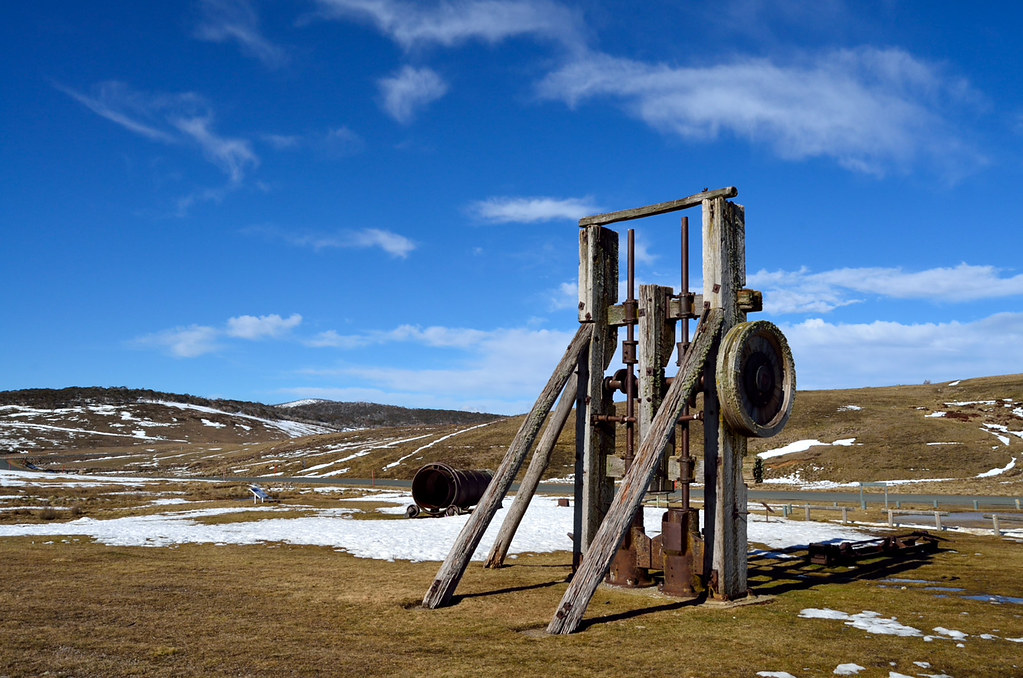
New Chum Hill Ruins

Remnants of Kiandra gold mine at New Chum Hill, #nsw #australia

Showing posts with label Bangla. Show all posts

May 11, 2015

Why Arabic Script on the Walls Might Not Stop Public Urination in Dhaka

The photo shows  Arabic sign on the sidewall of Panthakunja Park at the Karwan Bazar in Dhaka. Image by Sk. Hasan Ali. Copyright Demotix (7/5/2015)
The photo shows Arabic sign on the sidewall of Panthakunja Park at the Karwan Bazar in Dhaka. Image by Sk. Hasan Ali. Copyright Demotix (7/5/2015)
Public urination is a problem in Bangladesh due largely to a lack of public toilets. Municipal officials in the capital Dhaka have battled in vain to stop men urinating in public, with signs in the local Bengali language and warnings of punishment and fines yielding no notable results.

Now the government is hoping that an innovative idea can put a stop to the habit. Recently the Ministry of Religious Affairs released a video highlighting their campaign "Language Matters" wherein Bengali signs warning against urination are now being replaced by Arabic signs, a holy language for Bangladeshis.

Perhaps they have taken a cue from neighbouring India -- battling with the same problem -- where pictures of Hindu gods and godesses on the walls are intended to have the same effect.


Although some are lauding the state's effort to solve a perennial problem, others are skeptical, claiming the campaign supports blind faith and promotes misconceptions.

Sufi Faruq comments on YouTube:
ধর্ম মন্ত্রণালয়ের দারুণ একটা ক্যাম্পেইন !!! (..)

বাংলাদেশের বেশিরভাগ মুসলিম আরবি ভাষা না বুঝলেও এই ধরনের অক্ষরকে পবিত্র মনে করে। তাই ওই স্ক্রিপ্টে লেখা যে কোনকিছু অপবিত্র করতে ভয় পায়। এই ভয়টার বেশিরভাগ সময় ধর্ম ব্যবসায়ীরা অপব্যবহার করতো। এবার একটা দারুণ কাজে ব্যাবহার হল।
A great campaign by the Ministry of Religious Affairs!!!

Most of the Muslim majority Bangladeshis cannot understand Arabic but they deem it as a holy language. So they fear to desecrate anything written in that language. Most of the time it was used by religious opportunists as it is the language of the Koran and the prayers. Now it has been used for a good cause.
Despite the Ministry of Religious Affairs' claim in the video about toilets being present in most of Dhaka's 10,000 mosques, the general lack of public toilets in the city of approximately 15 million is a genuine challenge. The city's large homeless population is particularly affected by the shortage.

Adnan R. Amin at Alal O Dulal Blog thinks that the video does not get to the root of the problem and instead aims to create false impressions:
The using of a religious misconception (“Arabic is a holy language”), to prevent a social evil, is clever. But it also reinforces and lends credence to that misconception, instead of dispelling it. One would think that for a ministry for religious affairs, dispelling religious misconceptions would outweigh protecting city-walls. If there were funds available to the government, Dhaka’s City Corporations could’ve used them to create better facilities for women. While it is difficult to discern from boardrooms, the 36 public toilets with facilities for women are now being used by men. Judging from the tactic and tone of  this video, a reexamining of both government bodies’ priorities seems to be in order.
Moreover, Fariduddin Masud, an influential cleric criticised the Ministry for Religious Affairs.

While most mosques do have sanitary facilities, mosques themselves are "not public toilets", he said, adding that "nobody has the right to use the language of the Koran for such a campaign."

Blogger Irene Sultana doubted the campaign via a blog post on Women Chapter titled 'Not Arabic, but Public Toilets, Matter":
ঢাকা শহরের প্রতি দেড় লাখ নাগরিকের জন্য শৌচাগার রয়েছে মাত্র একটি। [..] অধিকাংশ পাবলিক টয়লেটই ব্যবহার অনুপযোগী। [..] পাবলিক টয়লেটহীন নগরীতে পথচারীদের অধিকাংশই তাই ফুটপাতকেই বেছে নিচ্ছেন ’হালকা’ হতে।

না বুঝে কেবল আরবি লেখা থাকলে সালাম করা হলো এ দেশের মানুষের ধর্মীয় অন্ধত্ব। ধর্ম মন্ত্রণালয়ের দায়িত্ব ছিল মানুষকে এসব অশিক্ষা থেকে বের করে শিক্ষিত, সচেতন করা, তার বদলে মানুষের সেই অজ্ঞতাকে ব্যবহার করে ’সমাধানের’ নামে মূলত একটি মশকরা করলো!
There is only one toilet in the capital Dhaka for every 150,000 people, out of which many are not usable. So in the absence of enough public toilets the pedestrians use walls to relieve themselves.

Many Bangladeshis respect the Arabic language because they don't know the language. The duty of the Ministry of Religious Affairs was to educate them and make them aware that this is a language only, not everything in its writing is sacred. But instead they used this ignorance to eke out a "solution" which is actually a farce.
Sultana also cites the recent efforts of Indian Prime Minister Narendra Modi, who built toilets in front of temples and achieved 5.2 million lavatories in the first 100 days of his tenure.

Bangladesh lags far behind on this issue.

While state religious officials are already trumpeting its successes, the campaign does not appear to have been well thought-through. If implemented to the fullest extent, Dhaka's walls will be covered by Arabic but people will still have nowhere to urinate.

Moreover, in India, before Modi went on his toilet-building spree, the gods on walls campaign unravelled: people simply began urinating on the faces of the deities. Innovative campaigns incorporating public shaming such as "The Pissing Tanker" also lacked impact.

For this reason Adnan R Amin's comment that the money spent on the campaign -- "a proxy solution that treats the Symptom and not the Cause" -- would be better spent on new public toilets in Dhaka seems to be well-founded.

The post was also published in Global Voices Online.

April 15, 2015

Bengali New Year Takes a Colorful Stand Against Religious Extremism in Bangladesh

People celebrating Pahela Baishakh at Mangal Shobhajatra (Rally), a procession organised by Dhaka University’s Faculty of Fine Arts to welcome the Bengali new year. Image by  Sourav Lasker. Copyright Demotix (14/4/2015)
People celebrating Pahela Baishakh at Mangal Shobhajatra (Rally), a procession organised by Dhaka University’s Faculty of Fine Arts to welcome the Bengali new year. Image by Sourav Lasker. Copyright Demotix (14/4/2015)
The past few months have been particularly tough for Bangladesh as continuous political turmoil and violence left over 120 people dead. The recent killings of two free-thinking blog activists and the emergence of a new militant wing that seeks to murder atheists have worried many.

Whenever the country has found itself in trouble, Bangladeshis have embraced their roots, taking solace in art and culture to unite against any challenges they face.

On Tuesday, April 14, 2015, people did just that in Bangladesh, welcoming the Bengali New Year 1422 with the resolve to continue the fight against communalism and religious fanaticism.

Bengalis, who are overwhelmingly the largest (98%) ethnic group in Bangladesh, customarily celebrate the New Year (Pohela Baishakh) with colourful procession and festivities. This year's festivities had a special theme: "Onek Alo Jaalte Hobe Moner Ondhokare" (Burn many lights in the darkness of hearts). It was chosen to commemorate the recent assassination of blogger and writer Avijit Roy and online activist Oyasiqur Rahman. A 20-foot-tall statue symbolising the rise of communal forces was at the procession, reminding everyone to reject such strife.

People carried colourful costumes in the Mangal Shovajatra.
People carried colourful costumes in the Mangal Shobhajatra (Rally). Image by Sourav Lasker. Copyright Demotix (14/4/2015)
Pohela Boishakh is the first day of the Bengali calendar, celebrated on 14 April in Bangladesh and 15 April in the Indian state of West Bengal by Bengalis. Hundreds of fairs and events welcoming the New Year takes place in many parts of Bangladesh and in West Bengal in India. The largest festivities happens in Dhaka, the capital of Bangladesh, where tens of thousands of people wearing multicoloured masks and traditional dress march in the Mangal Shobhajatra procession marking the New Year.

Tanvir Haider Chaudhury wrote on Facebook:
আপনি যেখানে থাকুন, পারলে ঢাকা চলে আসুন। পৃথিবীর সবচেয়ে আনন্দময়, উৎসবমুখর জায়গা এই মুহূর্তে ঢাকা।
শুভ নববর্ষ।
Wherever you are, please come to Dhaka if you can. Right now Dhaka is the happiest place on earth full of festivities. Shuvo Noboborsho (Happy new year).
While Twitter user Bappy tweeted a photo:
Crowds celebrated Pahela Baishakh at Mangal Shobhajatra, a procession organised by Dhaka University’s Faculty of Fine Arts to welcome the Bengali New Year 1422. Image by Sk. Hasan Ali. Copyright Demotix (14/4/2015)
Anila Haque thanked Google for creating a doodle for the occasion:
Gargie Ahmad hoped that the New Year would bring an opportunity to start anew:
To the Bengalis, hilsa isn't just a fish. It's an integral part of the culture and heritage. Be it fried or cooked with mustard, hilsa is a must in Pahela Baishakh celebrations. Image by Sourav Lasker. Copyright Demotix (14/4/2015)
Indian Prime Minister Narendra Modi tweeted in Bengali:
My good wishes to all the Bengali friends on Pahela Boishakh. Hope the following year will be great for everyone. Shuvo Noboborsho (Happy New Year).
'Nokhsikatha' graffiti by the Students of Fine Arts Institute on the walls of Dhaka University Fine Arts Institute where the rally begins. Image by Firiz Ahmed. Copyright Demotix (14/4/2015)
'Nokhsikatha' graffiti by the Students of Fine Arts Institute on the walls of Dhaka University Fine Arts Institute where the rally begins. Image by Firoz Ahmed. Copyright Demotix (14/4/2015)
And other netizens tweeted out images of the holiday:
'Nokhsikatha' graffiti by the Students of Fine Arts Institute on the walls of Dhaka University Fine Arts Institute where the rally begins. Image by Firiz Ahmed. Copyright Demotix (14/4/2015)
'Nokhsikatha' graffiti by the Students of Fine Arts Institute on the walls of Dhaka University Fine Arts Institute where the rally begins. Image by Firoz Ahmed. Copyright Demotix (14/4/2015)
The post was also published in Global Voices Online.

February 17, 2015

Bangladeshi Publisher Faces Death Threats Over Translation of Controversial Iranian Writer's Book

The cover of the Bengali Translation of  Iranian Muslim scholar and politician Ali Dashti's book. Image courtesy Haseeb Mahmud.
The cover of the Bengali translation of Iranian Muslim scholar and politician Ali Dashti's book. Image courtesy Haseeb Mahmud.
The publisher of a Bangla translation of a controversial book by 20th-century Iranian rationalist and politician Ali Dashti about the Prophet Muhammad's life has received death threats after displaying the work at Bangladesh's national book fair.

Hardline religious groups, mainly Hefazat-e-Islam, have called on authorities to prosecute publishing house Rodela Prokashoni over the translation of "23 Years: A Study of the Prophetic Career of Muhammad." Rodela Prokashoni's website appeared to be hacked on February 14, 2015, and their office in Banglabazar was attacked on Sunday, according to a report in the Bangla Tribune. No one was injured.

Following the uproar, the publishing house pulled the book from the shelves at the Ekushey Book Fair and from their website, and publisher Riaz Khan reportedly apologized, saying he wasn't aware that the book was considered offensive.

EUpofBg
Screenshot of the defaced Rodela Prokashoni website which says among other things: The website has been hacked in protest of disrespecting the prophet. [..] Say no to Rodela Prokashoni 
Despite that decision, authorities from the Bangla Academy, the country's national language authority, which organizes the book fair, shut down Rodela Prokashoni's stall on February 16, alleging that the publishing house was “selling books that hurt religious sentiments.” The fair committee defended the move, saying that “According to article 13.13 of Fair Regulations 2015, none is allowed to sell books at the fair that can hurt religious sentiments."

Haseeb Mahmud at Sachalayatan community blog summed up the outrage against the book:
এই বই প্রকাশের জের ধরে ধর্মীয় মৌলবাদি গোষ্ঠি বিভিন্ন তৎপরতা চালাচ্ছে। গতকাল গণমাধ্যমগুলো প্রেস বিজ্ঞপ্তি পাঠিয়ে হেফাজতে ইসলামের জুনাইদ বাবুনগরী ও সাংগঠনিক সম্পাদক আজিজুল হক "মানবতার মুক্তির দূত বিশ্বনবী হযরত মুহাম্মদ সাল্লাল্লাহু আলাইহি ওয়াসাল্লামের প্রতি চরম অবমাননাকর ও ঔদ্ধত্যপূর্ণ ‘নবি মুহাম্মদের ২৩ বছর’ শীর্ষক বইটি বাজেয়াপ্ত ও ‘রোদেলা’ প্রকাশনীকে নিষিদ্ধ" করার দাবি জানিয়েছে।" তারা আরোও বলেন, দেশের ক্ষুদ্র একটি ইসলামবিদ্বেষী নাস্তিক্যবাদী গোষ্ঠী কর্তৃক পৃষ্ঠপোষিত [..] এই বইটির পরতে পরতে মহান আল্লাহ তা’আলা, হযরত মুহাম্মদ সাল্লাল্লাহু আলাইহি ওয়াসাল্লাম ও তাঁর পবিত্র জীবন সম্পর্কে অসত্য, বিভ্রান্তিকর ও ধৃষ্টতাপূর্ণ মিথ্যাচার করা হয়েছে। বইটির লেখক কুখ্যাত ইসলামবিদ্বেষী নাস্তিক আলী দস্তি। [..]

এই বই প্রকাশের নেপথ্য ইসলামবিদ্বেষী নাস্তিক্যবাদী দুষ্টচক্রকে তদন্তের মাধ্যমে গ্রেফতার করে আইনের আওতায় এনে দৃষ্টান্তমূলক কঠোর শাস্তির দিতে হবে। অন্যথায় হেফাজতে ইসলাম বাংলাদেশ ইসলামবিদ্বেষী নাস্তিক্যবাদী গোষ্ঠীকে প্রতিহত করতে বাংলার তৌহিদি জনতাকে সঙ্গে নিয়ে রাজপথে কঠোর কর্মসূচী দিয়ে মাঠে নামতে বাধ্য হবে।
A number of religious fundamentalists are trying to create a controversy regarding the publication. Yesterday Hefazat-e-Islam, an Islamist fundamentalist group in Bangladesh, sent a press release to different media organisations demanding that the book "23 Years of the Prophet Muhammad," which is demeaning and disrespectful to the savior of humanity, the Prophet Muhammad (PBUH), should be confiscated and Rodela Prokashoni should be banned.

They also said that [the book is] sponsored by a small minority of atheists in this country [...] this book spreads false, untrue and confusing facts about the Prophet Muhammad (PBUH) and his life. The writer of this book is the notorious anti-Islamic atheist Ali Dashti.

"We demand [to the government] that the anti-Islamic atheists in this country, who are behind publishing this book, should be investigated and arrested and be punished severely. If not, Hefazat-e-Islam will take to the streets with common people to stop these anti-Islamic atheists and be obliged to announce hardline street protests."
Other organisations like Islamist Movement have also made similar statements.

"23 Years: A Study of the Prophetic Career of Muhammad," which was first published in the early 1970s, questions the miracles ascribed to the Prophet Muhammad. The author, the late Ali Dashti, was a former senator and ambassador to Lebanon for Iran. After the Islamic revolution in 1979 when Ruhollah Khomeini came to power, Dashti was jailed, and anyone who was discovered to have the book in his or her possession was taken to court for questioning.

We asked an Iranian blogger who attended high school in Iran during the 1990s about the book. The blogger, who wishes to remain anonymous, said:
I believe I read his book called 23 years when I was a teenager. Most of the Shiism custom he criticized in the book had disappeared by the time I read it. And I think no Shiite Muslim would defend the things he criticized in his book today. So he was not anti-Islam but against weird customs in Shiite Islam....I don't know how I got it. It is unlikely that you can buy it from bookstores.
A group of Bangladeshi publishers have demanded that Rodela Prokahson be evicted from their current office and that publisher Khan be arrested and face the death penalty. They have also vowed to take legal action against the him. Khan says he has been receiving death threats to his mobile phone.

Screenshot of a threatening message posted against the publisher on Facebook. Image courtesy Haseeb Mahmud.
"Rokomari.com will have 48 hours to comply. If they do not stop publicising the book '23 Years of the Prophet Muhammad' they will pay the price. [...] If the site is hacked after 48 hours, Rokomari.com will be responsible."
Screenshot of a threatening message posted on Facebook against an online e-commerce site selling the book. The site took down the book from their listing. Screenshot courtesy Haseeb Mahmud.[/caption]Accusations of blasphemy and atheism have had serious and occasionally deadly consequences in Bangladesh in recent years. Two years ago, blogger Ahmed Rajib Haider was brutally killed outside his home in Dhaka because of his writings against war criminals and Islamic fundamentalists in Bangladesh. Haider, among many other bloggers, was labeled an atheist. Islamist groups like Hefazat have publicly identified writers and bloggers they deem to be atheists or blasphemous and called for them to face the death penalty.

Bangladesh is a non-religious parliamentary democracy, so there is no sharia or blasphemy law. If anybody claims to be an atheist, he or she has the same rights as other citizens. However, under Section 295A of Bangladesh's Penal Code (1860), any person who has a “deliberate” or “malicious” intention of “hurting religious sentiments” is liable to imprisonment.

Writer Swakrito Noman questioned the indignation surrounding the translation of "23 Years: A Study of the Prophetic Career of Muhammad" in a Facebook post:
প্রশ্ন হচ্ছে, আলি দস্তির এই বইটি কি আন্তর্জাতিকভাবে নিষিদ্ধ? যদি নিষিদ্ধ না হয় তাহলে বাংলাদেশে বইটি প্রকাশিত হলে অসুবিধা কী? বইটি বাংলা অনুবাদ হওয়ার আগে অনুভূতিপ্রবণরা কোথায় ছিলেন? এতদিন কেন অনুভূতিতে আঘাত লাগল না? নাকি আপনারা পার্সি বা ইংরেজি জানেন না বলে আপনাদের অনুভূতিতে আঘাত লাগেনি?
The question is, is this book banned internationally [or Bangladesh for that matter]? If not, then why is there a problem in publishing it? Where were you before it was translated in Bangla? Why were your religious sentiments not hurt then? Or were they not hurt because you do not know English or Farsi?
Noman continued:
জানি, এই দেশের মানুষ হয়ত এখন রোদেলা প্রকাশনীর প্রকাশক রিয়াজ খানের পক্ষে কথা বলবে না। অধিকাংশ মানুষ এখন হেফাজতের পক্ষে তালি বাজাবে। সরকারও হয়ত হেফাজতের পক্ষ অবলম্বন করবে। আমি বাংলা ভাষার ক্ষুদ্র এক লেখক, আমি হেফাজতে ইসলামির এই অযৌক্তিক কর্মকাণ্ডের প্রতিবাদ করছি। জানি এই প্রতিবাদের কারণে হয়ত আমিও আক্রান্ত হতে পারি। তবুও প্রতিবাদ করছি। কারণ, এভাবে ইসলাম প্রতিষ্ঠিত হয় না। জ্ঞানের পথকে এভাবে রুদ্ধ করা যায় না। এই বইয়ের বিরুদ্ধে যদি হেফাজত বা ইসলাম ধর্মের কেউ পাল্টা আরেকটি বই লিখত, সেটিই হতো প্রকৃত প্রতিবাদ। জ্ঞানের প্রতিবাদ জ্ঞান দিয়ে করতে হয়। যুক্তির প্রতিবাদ যুক্তি দিয়ে করতে হয়। প্রকাশনা প্রতিষ্ঠানে হামলা, প্রকাশকের ফাঁসি দাবিকে কোনোভাবেই সমর্থন করা যায় না।
I know many people in this country will not support publisher Riaz Khan. Many will join the Hefazat bandwagon. Even the government can support them. I am a petty writer in the Bangla language. I protest this illogical stand of Hefazat-e-Islam. I know I can also be attacked for taking this stance, but I insist. Because, you cannot establish (or spread) Islam like this. You cannot deter knowledge like this. If Hefazat would write another book countering this with all their logic, that would be the perfect protest for them. You need to protest logic with logic, knowledge with knowledge. Attacking a publishing house, attacking the publisher is equal to barbarism.
The post was also published in Global Voices Online.

May 01, 2014

Online Tools And Resources For Learning Bangla Language

Kolkata based British expat blog My Bangla Diary posts an interview with Steve Capell, the creator of Bangla Tangla. This resourceful website by Capell contains useful tools and contents for learning Bangla (Bengali) language online.

January 31, 2012

RIP Siddiqua Kabir


Siddiqua Kabir is known to most Bangladeshis who are connoisseurs of good and healthy food. There's hardly anyone who enjoys Cooking and does not own her books on Cookery.

After obtaining Honors and Masters degree in Mathematics, Siddiqua Kabir joined the Education Cadre of the Government as Lecturer on the subject in the Eden Girls' College, Dhaka.

1961 saw a major change in her career. She went to the United States of America for a course on Food, Nutrition and Institutional Administration at Oklahoma State University and obtained a Masters degree in the same subject in 1963.

On her return home, she joined the College of Home Economics, Dhaka from where she retired as Principal in 1993.

Siddiqua Kabir's combined knowledge of Mathematics and Food & Nutrition made it possible for her to write a popular Cook Book in Bangla "Ranna Khaddya Pushti" which is a 'must have' for all Bangladeshi families. During the past 40 years she wrote many articles on Cooking and Food & Nutrition which have appeared regularly in different Dailies and Periodicals. (Source)

She died today from old age complications. RIP.

February 17, 2011

Beautiful Bangladesh: Welcome to the School of Life


The opening ceremony of the Cricket World Cup 2011 was awesome, specially in the context of Bangladesh. Many were impressed by this promo by Bangladesh Tourism Corporation:


Credits:

Red Dot Productions
Producer and Director - Gazi Shubhro
Colorist - Ziaul Paikar Jewel
DP - Khosru
Production Manager - Zahed (R.I.P)
GM - Rony
AD - Tonu, Dip, Manna, Joyonto, Ashraf
Editor - Jewel and Prodip
Agency - Grey Bangladesh
Client - ICC & Parjatan BD
Music - Adit, Prithwi and the others

I wonder what took them so long to produce such a convincing promo.

April 21, 2010

Avro Vs. Bijoy: Let Language Be Free

The Bangla blogosphere and Bangladeshi Facebook users are infuriated with protests as 'Avro', a freeware and one of the popular and widely used Bangla input systems, was accused as a pirated version of another popular Bangla input system 'Bijoy' and the Avro team was mentioned as hackers.

In an article in a Bangla news daily, Mustafa Jabbar, the proprietor of Bijoy and a pioneer of Bangla computing said hackers were responsible for spreading pirated copies of his Bijoy software on the internet. He also said that UNDP had helped these hackers to be selected by the Bangladesh Election commission for their national database works.

It may be mentioned here that Bangladesh saw more than 20 proprietary Bangla input software from 1984 to 2002 and the most popular of them was Mustafa Jabbar's Bijoy during those days. Many developers worked on its various versions.

But the real boost in Bangla computing came when in 2003 Mehdi Hasan, a Bangladeshi medical student developed Avro, a free but closed source graphic keyboard layout changer, using Unicode which was further developed during last six years by Mehdi and his friends Rifatunnabi, Tanvin Islam Siam, Ryan Kamal, Shabab Mustafa and Nipun Haq.

Bijoy Ekusheyavro4splash

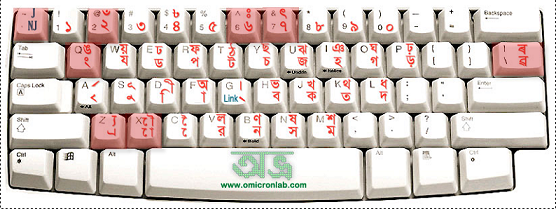
While Bijoy is a ASCII based proprietary Bangla input system software and is sold in exchange of license fees, Avro on the other hand is an Unicode based freeware which has in fact four input system with four keyboard layouts - Avro Phonetic, Bornona, National (Jatiyo) and UniBijoy. The Avro phonetic (or transliteration) input system is the most popular and widely used - especially by the diaspora who do not have access to a physical Bangla keyboard. Using the Avro phonetic transliteration system they can generate Bangla words from Roman typefaces with ease.

After the accusations of Mr. Jabbar the Bangla blogosphere reacted swiftly. Loken Bosh in Amar Bondhu blog challenged Mr. Jabbar to prove that Avro is a pirated software. He wrote:

কম্পিউটারে বাংলা লেখায় বিজয় মাইল ফলক হয়ে এসেছিলো। বিজয়ের অবদানকে অস্বীকার করার কিছু নেই। এখনো প্রফেশনাল প্রিন্টিংয়ের কাজে বিজয়ের বিকল্প নেই।

কিন্তু ইন্টারনেটের এই প্রসারের যুগে বিজয় ধীরে ধীরে অকেজো হয়ে যাচ্ছে। [..] তাই নতুন সময়ের দাবীতেই এলো অভ্র। মেহদী হাসান খান নামের এক তরুণ সম্পূর্ণ ব্যক্তিগত উদ্যোগে তৈরি করলেন অভ্র নামক একটি সফটওয়্যার। এবং যা তিনি বিনামূল্যে ছড়িয়ে দিলেন সমস্ত বিশ্বে। যে কেউ চাইলেই এই সফটওয়্যার ইন্টারনেট থেকে ডাউনলোড করে ব্যবহার করতে পারবেন।

অভ্রর জনপ্রিয়তা এখন আকাশচুম্বী। ধীরে ধীরে শুরু হয়ে গেছে বিজয় বর্জন। [..] মোস্তফা জব্বার শঙ্কিত। তাই এই মিথ্যাচার। নির্বাচন কমিশন যখন ভোটার আইডির কাজে বিজয় না ব্যবহার করে অভ্র ব্যবহার করলো, তখনই তার গাত্রদাহ প্রবল হয়েছিলো। [..] আর পাশাপাশি নিজের খ্যাতিকে কাজে লাগিয়ে চালিয়ে যাচ্ছেন অভ্রর বিরুদ্ধে মিথ্যাচার। আর এই করে করে তিনি নিজেই নিজেকে হাস্যকর প্রমাণ করছেন, আমাদের যেখানে উনাকে শ্রদ্ধা করার কথা ছিলো, সেখানে এখন তার প্রতি ঘৃণা তৈরি হচ্ছে।

Bijoy was a milestone for Bangla Computing. There is nothing to belittle Bijoy's contribution. Even today there is no option for Bijoy in the print industry (Unicode Bangla is not supported in Photoshop).

But in this era of Internet Bijoy is lagging behind. [..] So Avro came with a promise. A young man named Mehdi Hasan created Avro on his own. And he spread it across the globe via internet. Anyone can download the software and use it (for free).

The popularity of Avro is now sky high. Many people are not using Bijoy anymore. [..] Mustafa Jabbar is afraid. When the Election commission chose Avro instead of Bijoy for their voter ID project, he was infuriated with Avro. [..] So he is using his popularity to spread allegations against Avro. And he has created himself a laughing stock. Where we were supposed to revere him, hatred against him is being generated.

Avronil informs in Sachalayatan:

বাংলাদেশের ইতিহাসে এই পর্যন্ত বাংলায় ডিজিটাল তথ্য সংগ্রহের সব চাইতে বড় প্রকল্প 'ভোটার তালিকা ও জাতীয় পরিচয়পত্র প্রস্তুতকরণ' প্রকল্পে অভ্র ব্যবহার করা হয়েছিল। তাদের প্রথম পছন্দ বিজয় হলেও বিজয়ের প্রস্তুতকারক কম্পানি বিজয়ের জন্য কম্পিউটার প্রতি পাঁচ হাজার টাকা লাইসেন্স ফি চেয়েছিল যা পরে বাতিল করে দিয়ে অভ্র ব্যবহারের সিদ্ধান্ত নেয়া হয়। এ জন্য নির্বাচন কমিশনের অভ্রকে দেয়া একটা স্বীকৃতিমুলক সনদের জন্য একটা কাগজ আর সামান্য কালি ছাড়া আর কিছুই খরচ করতে হয় নি।

The Voter ID and National ID project, the largest digital database project in Bangladesh's history, used Avro. Their first choice was Bijoy, but its proprietor company asked Taka 5000 (US$70) license fee for each computer, so they have decided to use Avro instead. In return they only had to give a certificate to Avro.

The claim of Mr. Jabbar is that UniBijoy keyboard system, one of the four keyboards in Avro, is a pirated version of his Bijoy keyboard layout which he copyrighted a few years ago. Here is what Mehdi Hasan Khan responded to Mr. Jabbar:

মোস্তফা জব্বার তার লেখায় ঢালাওভাবে পুরো অভ্র কীবোর্ডকেই "পাইরেটেড" হিসেবে অভিযুক্ত করেছেন। মজার ব্যাপার হল, মানুষজন অভ্র কীভাবে পাইরেটেড প্রশ্নটা করে তাকে চেপে ধরার পর তিনি বললেন অভ্র নিয়ে তার আপত্তি নেই, অভ্রতে ইউনিবিজয় নামে যে কীবোর্ড লেআউট আছে ঐটা তার বিজয় লেআউট থেকে চুরি করা। চমৎকার, আসুন দেখি কী করলে একটা কপিরাইটেড/পেটেন্ডেড লেআউট (অথবা সেটার প্রয়োগ) এ আমরা চুরির অভিযোগ দিতে পারি।

১) অবিকল লেআউট স্বত্বাধিকারীর অনুমতি ছাড়া ব্যবহার করলে:

অনুমতির প্রসঙ্গ যখন উঠলই তখন বলি, ২০০৩ সালে অভ্র ডেভেলপের পরিকল্পনা করার সময় আমি ফোনে মোস্তফা জব্বারের কাছে বিজয় লেআউট ব্যবহারের অনুমতি চেয়েছিলাম। তিনিও তার জবাব জানিয়ে দিয়েছিলেন, তাকে টাকা না দিলে তিনি অনুমতি দিবেন না। বেশ ভালো কথা, আমিও বিজয় কীবোর্ড অভ্রর সাথে দেইনি। [..] ইউনিবিজয় আর বিজয় কোনদিনই এক কীবোর্ড লেআউট ছিল না, এখনও নেই। যেখানে একটা কী এর পার্থক্য একটা আলাদা লেআউটের জন্ম দেয়, ইউনিবিজয়ের সাথে বিজয়ের সেখানে অন্তত ৮ টি কীতে পার্থক্য রয়েছে।

২) ফিজিক্যাল লেআউট অনুমতি ছাড়া বিতরণ করলেঃ
প্রশ্নই আসে না। অভ্র কীবোর্ড একটা সফটওয়্যার মাত্র, এর সাথে বিজয় লেআউট ছাপানো কোন কীবোর্ড আমরা বিতরণ করি না।

৩) কীবোর্ড ইন্টারফেস প্রোগ্রামের কোড অনুমতি ছাড়া ব্যবহার করলেঃ
আবারো বলি, এই পয়েন্টও খাটে না। বিজয় ক্লোজড সোর্স, সেটার সোর্স থেকে অভ্র ডেভেলপ করা সম্ভব না। কীভাবে বিজয় হ্যাক করে অভ্র বানানো হল তার ব্যাখ্যা আপনার কাছে দাবী করছি।

avro keyboard layout

Mustafa Jabbar has accused the whole Avro software as 'pirated'. The interesting thing is when people ask him how Avro is pirated then he says I don't have problem with Avro, but the Unibijoy layout is stolen from Bijoy. Ok. lets see how we can accuse violation of a copyrighted or patented layout:

1) If the clone of the layout is used without permission.

When the question of permission came I called Mr. Jabbar in 2003 when I was planning to build Avro for his permission to use Bijoy. He answered that he will not give permission without a fee. So I did not use the Bijoy keyboard with the (open source) Avro. UniBijoy and Bijoy were never the same keyboard layout, not even now. Where only one key difference creates a different layout, there are a difference of 8 keys between Unijoy and Bijoy.

2) If the physical layout is sold without permission
We never did! Avro input system is just a software. We do not sell any physical keyboard with Bijoy layout.

3) If the code of the Keyboard interface is reused without the permission of the programmer.

I say again, this point does not stand out. Bijoy is a closed source program. Avro cannot be developed from that source code. So how Bijoy was hacked to create Avro - I demand an explanation.

Read his post for detailed explanations and peoples' supports in the comment section.

Zahid Sumon in Projukti Forum detailed the differences between UniBjioy and Bijoy. Here are a few points:

* অভ্রতে জব্বার সাহেবের একটি ফন্টও কাজ করে না। তাই অভ্র ফন্ট পাইরেসী থেকে মুক্ত। সে সর্বদাই ইউনিকোড বেজড মুক্ত ফন্ট এর উপর নির্ভরশীল।
* অভ্রের লিনাক্স ভার্সন রয়েছে কিন্তু বিজয় শুধুমাত্র ম্যাক ও উইন্ডোজে চলে।


* In Avro no fonts of Bijoy software works. So Avro is free from piracy. It is always based on free unicode fonts.
* Avro has also a linux version. But Bijoy runs only in Windows and Mac.

Renowned wikipedian Ragib hasan writes in a comment on Mehdi's article:

২০০৬ এ যখন বাংলা উইকির কাজ শুরু করি, তখন বাংলা টাইপিং এ অভ্যস্ত ছিলাম না মোটেও। আমাদের উইকির কর্মী যারা আছেন, তাঁদের প্রায় সবাইই বাংলা লিখতে শিখেছেন অভ্র ফোনেটিকে। আজ বাংলা উইকিতে ২০,০০০ ভুক্তি আছে, যার প্রায় সবটাই লেখা হয়েছে অভ্র দিয়ে। আগামী প্রজন্মের কাছে বাংলায় তথ্য রেখে যাওয়ার এই প্রয়াসে অভ্র তাই রেখেছে এক বিশাল অবদান।

When I started work on Bangla wiki in 2006, then I was not conversant with Bangla typing. Most of our Bangla wiki volunteers learned to type in Bangla using Avro Phonetic. Today there are 20,000 entries in Bangla Wikipedia and most of them were written using Avro. So Avro has a huge contribution in leaving the next generation a large collection of Bangla content in the internet.

Bangladeshi netizens are showing their support towards Avro in Facebook and blogs. It is unforeseen that three Bangla blogging platforms Sachalayatan, Amar Blog and Amar Bondhu had changed their banner to Avro Logo to show their support in protesting Mr. Jabbar's claims.

People are creating groups in Facebook and changing their Facebook statuses in solidarity with Avro. Here are a couple of status messages:

নজরুল ইসলাম ভাষা হোক উন্মুক্ত। কোনো বেনিয়ার কাছে আমার মাতৃভাষাকে ইজারা দেবো না... কক্ষণো না

Nazrul Islam Let language be free. I will not lease my language to any profiteer.. never.

অমি রহমান পিয়াল: রক্ত দিয়ে যে অক্ষর কিনেছি তার জণ্যে যে বেনিয়া টাকা খোঁজে তাকে ধিক্কার। ভাষা হোক উন্মুক্ত।

Omi Rahman Pial: We have bought our language with blood. Shame to those who wants to make profit from it. Let language be free.

(First published in Global Voices Online)

February 24, 2010

Recognition


The image of Shaheed Minar has been added to the UN's International Mother Language Day webpage banner. Only if there would be Bangla translations of the page along with six other languages.

February 20, 2010

Celebrating The Bangla Open Source Activists On The Eve Of Ekushey February

One of my favorite bloggers, journalist Biplob Rahman has published an article on the development of Bangla computing in Bangladesh. In this article he recognized the popularity of the open source Avro software and phonetic Bangla input system behind the recent surge of Bangla computing.

Adhering to professional journalism he included comments from many developers who contributed during the history of Bangla computing. We had more than 20 proprietory Bangla input software from 1984 to 2002 and the most popular of them was Mustafa Jabbar's Bijoy.

At first came Bangla fonts - MainulLipi (1986), ShahidLipi & JabbarLipi(1987) - but separate Bangla keyboards were not available for them. In 1987, the Bangla input software Bijoy and in 1988, the first Bangla Typing interface in the same name (Bijoy) were invented by Mustafa Jabbar's 'Ananda Computers'. Its lead programmer Pappan was the key person behind this development. Bijoy's interface was Apple-Macintosh based and that time the price of Apple-Macintosh computer was too high. But Bijoy and Apple Computers proliferated, especially in the Bangla Publishing industry because the initial fonts were all developed using the advantage of four layer keyboard of Macintosh, which solved problems relating to Bangla conjunct letters. The software also achieved popularity because of no competition at that stage.

The users of IBM computers had to wait till 1992 when Bangla word processing software 'Barna' was invented by two higher secondary level students Reza-E Al Amin Abdullah (Aunko) and Md. Shahidul Islam (Sohel) (source). Barna used three types of keyboard - Munir, Bijoy and Easy keyboard. Bijoy, still a proprietory software, released an interface for IBM PC users in 1993.

But the real boost in Bangla computing came when in 2003 Mehdi Hasan, a medical student developed the open source Avro software using Unicode which was further developed during last six years by Mehdi and his friends Rifatunnabi, Tanvin Islam Siam, Ryan Kamal, Shabab Mustafa and Nipun Haq.

Avro uses different keyboard layouts which also include unijoy layout developed by Ekushey, an open source Bangla Computing platform. This Unijoy input system layout has been alleged to be a clone of Bijoy, although the fact is that most Avro users (above 90%) use phonetic or transliteration input system, i.e. typing in roman characters rendered in Bangla scripts. Unijoy is actually 99% similar to bijoy with these exceptions:

1. You press AltGr to activate full Bangla Vowels, instead of the 'kar's
2. AltGr enables \ or | to appear in their positions.
3. ~ and ` are taken in normal mode. In AltGr mode they act as ZWNJ and ZWJ
4. There is no Double Dari.
5. Other differences can be spotted easily by looking at the layout. There is an entirely different AltGr mode, that the traditional bijoy does not have.

(source)

However Mr. Jabbar has already won a legal battle protecting the copyright of his Bijoy keyboard layout and threatens the open source Bangla computing movement by saying that the Unijoy keyboard layout is stolen from Bijoy and it should be stopped.

Well, there is no denying Mr. Mustaffa Jabbar's role in the advent of Bangla computing. But probably Mr. Jabbar expects that every Bangla user should pay to use only his faulty software to type in Bangla. The software does not even have a website! The most users of Bijoy have installed the pirated version. Yet he is comfortable with this piracy and threatens to kill competition with copyright because he wants monopoly. There are also claims that he included Unicode option in Bijoy by cloning from Unijoy! Why does not he release his software as a free open source software and then let people decide which one should they use?

The monopoly of Bijoy was daunted as the Bangladesh election commission used Avro for its national ID Card project. By opting for open source the government has saved some public fund, otherwise they would have had to pay in millions for Bijoy.

Mr. Mustafa Jabbar has for long attacked the open source software movement in his writings. He has spoken against the government using free/open source software saying that it is possible for socialist states, not for free market economy(?).

Here are more developers take on this debate - Omi Azad, Dark Lord & Amader Projukti Team.

Omi Azad said:

জব্বার বাংলা নিয়ে ব্যবসা শুরু করেছে। এখানে বিজয়/ইউনিজয় কোনো বিষয় না। আজকে একুশে বা অভ্র আছে বলে সারা বিশ্বের মানুষ বাংলা ব্যবহারে সক্ষম হয়েছে। বাংলাকে বিশ্বায়ন করেছে একুশে, এই কথার কোনো বিকল্প নেই।

অভ্র/একুশে কেউই আমাদের ভাষা নিয়ে ব্যবসা করেনি আর আমি আশা করি তারা কোনোদিন করবেও না। কিন্তু জব্বার চায় পৃথিবীতে যারা বাংলা ব্যবহার করবে, তারা সবাই উনাকে টাকা দেবে।

Jabbar is doing business with Bangla language. Here Bijoy/Unijoy is not an issue. Today the whole world can use Bangla computing thanks to Avro/Ekushey. Bangla was globalized by Ekushey, there is no denying that.

Avro and Ekushey, none ever engaged to do business with our language and we hope they never will. But Jabbar wants that whoever uses Bangla computing should pay him.

On the occasion of Ekushey February/International Mother Language Day I would like to thank those open source evangelists of Avro and Ekushey and also Hasin Haider, S. M. Mahbub Morshed and Ahmed Arup Kamal and many more heroes who saved the Bangla users from the monopoly of businessmen like Mustafa Jabbar.

Disclaimer: I am not associated with Avro or Ekushey and do not have anything personal for or against the persons quoted. I just felt that I should show my gratitude to those individuals and their technology which has eased my life in Bangla computing and I should credit them for all the great (and free) service they have rendered. "Let language be free" - is the tagline of the Avro software and I will also fight for this belief.

November 10, 2009

Talent From Bangladesh

This September when I was in Dhaka, I met some netizens from Dhaka whom I know from blogs and other online activities. One of them was Mehdi hasan. He is a young Bangladeshi in his mid twenties and keeps a low profile. I was surprised to learn that he is the one who wrote the Avro software, the versatile and open source Bangla typing software which is used by thousands of Bangladeshis because its free and supports multiple platforms including Mac OS and Linux. It was first released in 2003 by Omicronlab (Mehdi is the CEO) and since than it had many updates which makes it a perfect Bangla typing software.

The remarkable thing is that he is medical student (Mymensingh Medical College) and IT is his passion, not business.

And it turns out that he is a damn good photographer too. Check out his photographs at Flickr. I am sure you will be immersed into the photographic depiction of Bangladesh, its people and nature.

Image by Mehdi Hasan.

February 24, 2009

SMS in Bangla

I can read Bangla scripts in my cell phone via the opera mini browser but cannot write in Bangla. BanglaSMS has the solution for me as it offers an opensource program which can be downloaded and installed in my phone. From its website:
The software is self-contained. Just install it into your mobile phone and tell your friends to install it and there you go! All the GSM networks like Grameen Phone, Banglalink, Teletalk or Aktel users can use BanglaSMS to send sms in Bangla.

Oh, by the way, you know what? On 21st February 2009, the great International Mother Language Day, we have released version 2.0.0 as open source (and of course completely free). So who knows, may be you or your friend will write codes to make it even better.
The input system seems very easy. Can't wait to check it out.

November 10, 2008

Video of the day


Watch for the background music of Palbasha Siddique at the end.

September 28, 2008

Firefox in Bangla

Image credit: Ekushey

Firefox has introduced its updated Bangla localized version (in Beta). Download it from here.

September 27, 2008

Perilous wonder

I found an English translation of one of my favorite Bangla poems:

A DAY EIGHT YEARS AGO

-Jibananda Das

It was heard
They took him to the morgue.
Last night in the February dark
When the crescent moon, five days toward full, had set
He'd had the urge to die.

A wife had lain beside him-a child, too.
There had been love, hope, in the moonlight.
Then what ghost did he see? why was his sleep disturbed?
Or maybe he hadn't slept for days. Now, Iying in the morgue, he
sleeps.
He had sought this sleep perhaps.
Like a plague rat, maw smeared with frothy blood, neck slack
In the bosom of some dingy cranny, now he sleeps.
Never again will he wake.

"Never again will you wake
Never again will you know
The unremitting, unrelenting grievous
Pain of waking."
As though some stillness stretched its camel's neck
Through his window
And said these words to him
When the moon had sunk into strange darkness.

But the owl is awake,
And the decrepit, putrefying frog begs a few moments more
Among anticipated warm affections-beckoned by another dawn.
I sense all around me the unforgiving opposition
of my mosquito net, invisible in the swarming dark.
The mosquito stays awake in his blackened monastery, in love with
life's flow.

Flies alight on blood and filth, then fly again to sunlight.
How many times have I watched the play of winged insects on waves
of golden sunshine.

An intimate sky it would seem-some pervasive life force
Controls their hearts.
The grasshopper's constant twitching, caught in the mischievous
child's grasp,
Fights death.
Yet in that foremost darkness after moonset, you, a coil of rope in
hand,
Had gone alone to the aswattha tree,
Knowing that the grasshopper's life, or the doyel bird's, never meets
with
That of man.

The aswattha limb,
Did it not protest? Did not fireflies in cordial throngs
Appear before you?
Did not the blind and palsied owl come and
Say to you: "old lady moon has sunk in the flood, has she?
Marvelous!
Let's now catch a mouse or two!"
Did not the owl screech out that raucous news?

This taste of life-the scent of ripe grain in an autumn afternoon-
You could not tolerate.
In the morgue, is your heart at ease
In the morgue, in that suffocating stillness
Like a flattened rat with blood-smeared lips.

Listen,
However, to this dead man's tale. He lacked
Not love of woman,
Nor did married life's expectations
Go unfulfilled.
From time's churnings emerged a wife
And honey, the mind's honey
She let him know.
Never in this life did he shiver
In the cold of hunger's draining pain.
And so,
In that morgue,
Flat out he lies upon a table.
I know, yet I know,
A woman's heart-love-a child-a home-these are not everything,

Not wealth nor fame nor creature comforts-
There is some other perilous wonder
That frolics
In our very blood.
It exhausts us-
Exhausts, exhausts us.


That exhaustion is not present
In the morgue.
And so
In that morgue
Flat out he lies upon a table.
But every night I look and see, yes,
A blind and palsied owl come sit upon the aswattha branch
Blink her eyes and say: "old lady moon has sunk in the flood, has she?
Marvelous !
Let's now catch a mouse or two!"

Oh profound grandmother, is today still so marvelous?
I too, like you, shall grow old-shall cast old lady moon across the
flood, into the whirlpool.
Then we two together shall empty life's full store.

(Via Ahmad M. Kamal)

October 06, 2007

Media in Bangladesh under crisis

The Bangla blogging platforms "Somewhere in BBA" and "Sachalayatan" are growing popular day by day with thousands of bloggers/readers filling the void the Bangladeshi local media are creating. We are seeing in traditional media a sense of self censorship and lack of professionalism. These have sometimes become propaganda machine for the authorities or some political quarters. People are generally weary of media reports.

I bring to your notice to a worrying report from the Blogger Bahurupi at Somewhere in. Here is the translation (shortened version: read the original in Bengali for full version):
Bangladeshi media are in a grave crisis. There seems to be no way out of this. After the Jute industry most people have lost their jobs in media industry and many will soon join them.

'Ajker Kagoj' has been closed because of financial crisis. It had financial crisis since long. But it was sort of a business card of the editor Kazi Shahed. The paper catered many of his business propaganda. In present circumstances there is no opportunity to exploit these. So it was closed. If such an opportunity comes again it will reopen, you can be sure of it.

There are many bloggers in Somewhere in who work in 'Jai Jai Din'. They will better tell whether they are getting their salaries in time. Will Shafiq Rehman be there? Will Golam Sarwar join as the editor? if such questions are not answered soon it will close down.

'Dinkal's' bank transactions have been freezed by authorities. The paper cannot pay salaries to its employees. If there is no alternative source of funding will Dinkal be published again?

How many months 'Amar Desh' do not pay salary to its employees? Is it four months?

How many months Daily Janakantha will be able to continue? Its crippling with fund crisis, salaries remain unpaid. They sold some land to pay salaries. What next?

The daily Ittefaq sacked 72 people. (Its reeling with management disputes) The advertisement income has plunged.

There is strong rumor that the Daily Jugantar will curtail employees.

The name of the owner of the Daily Star and the Daily Prothom Alo are on the list (of corrupts published recently by the Corruption Prevention Commission).

Somokal's owner is also on the list. The monthly loss of Samokal is 2 million Taka.

CSB TV has been closed. NTV's bank account is freezed. The employees salaries are withheld.

RTV had not paid its employees last month. Channel one's state is similar. The Government is angry with Channel one.

So what is happening in local media industry? The current Government also do not want that a powerful media exists. These pressures will close the media one by one. The media are in deep crisis.

August 06, 2007

The national anthem of India is in Bangla language?

The debate is over the national anthem of India Jana Gana Mana, lyrics and music by Rabindranath Tagore, the Bengali Nobel Laurate. He is the only Author whose songs are national anthems of two countries, India and Bangladesh.

The song is sung in Hindi. Ragib Hasan states [Bangla] that an Indian Government website claims that the hindi version of Tagore's song was taken as the national anthem of India.

But Ragib shows that it is actually the Bangla text pronounced in Hindi accent. No Hindi adaptation was done (note: Hindi and Bangla language have same roots) and nore there was any formal decision of the Indian Government regarding this.

He asks whether Indian Government has any problem in admitting that the song is in Bengali language but sung in Hindi accent?

July 01, 2007

Bangla blogging platform featured in a Norwegian newspaper

Olav Anders Øvrebø, a Norwegian journalist has published a story on the Bangla Blogging platform "baadh bhangar awaj" and its pioneer Arild Klokkerhaug. The article is in Norwegian.

However from Olav's personal blog you can get the gist of the report in English.

June 08, 2007

Quote of the day

"Bangladesh is one of the richest lands, rich on cheerfulness." - Anusheh Anadil, lead singer of Bangla band in the Deine Stimmen Gegen Armut Concert in Rostock.

"Anusheh has a strong foothold on classical music having trained in Indian raga music from a very young age. Anusheh also writes her own lyrics and found a lot that she could relate to in the traditional spiritual folk songs of Bengal.It was the content which first attracted her, and naturally with her love for vocal music, she was soon singing these traditional songs but with a unique new style of her own. Anusheh is naturally creative and runs her own Crafts Shop called, ‘JATRA – A Journey into Craft’ in Dhaka which is an extremely popular haunt of the young and trendy looking for craft and casual wear made by local artisans with Bangladeshi material, believing in ‘ being Bangladeshi, and buying Bangladeshi products’."

- More on Anusheh and Bangla band in Congo Square

Bangla (Band) @ Stimmen Gegen Armut 07.06.2007 in Rostock


Ami Takdhum Takdhum bajai Bangladesher Dhol

More videos of Bangla band (lead Anusheh) from a GIG in India.

May 21, 2007

Bangla (Band) is performing in Germany

Amader Gaan reports:
Folk fusion band Bangla's growing international popularity reached a new height as they got the honor to perform in a concert in Germany with one of the biggest icons in world music, Bono, the lead singer of U2. The concert titled 'Your Voice Against Poverty' will take place on June 7th in Rostock, Germany and is organized by an anti-poverty movement with the help of Bono. The Band will also perform at Halle (near Leipzig) on the 1st of June.
The concert at Halle is sponsored by Netz Bangladesh, a German NGO dedicated to reducing poverty in Bangladesh.

You can listen to some of Bangla's music from here.