

Dragonfly

Image by Rezwan

Overcrowded passenger ferry capsized in the Padma River in Munshiganj, Bangladesh

The World Cup Goal-E Project

This street in Bangladesh has a colorful world cup celebration

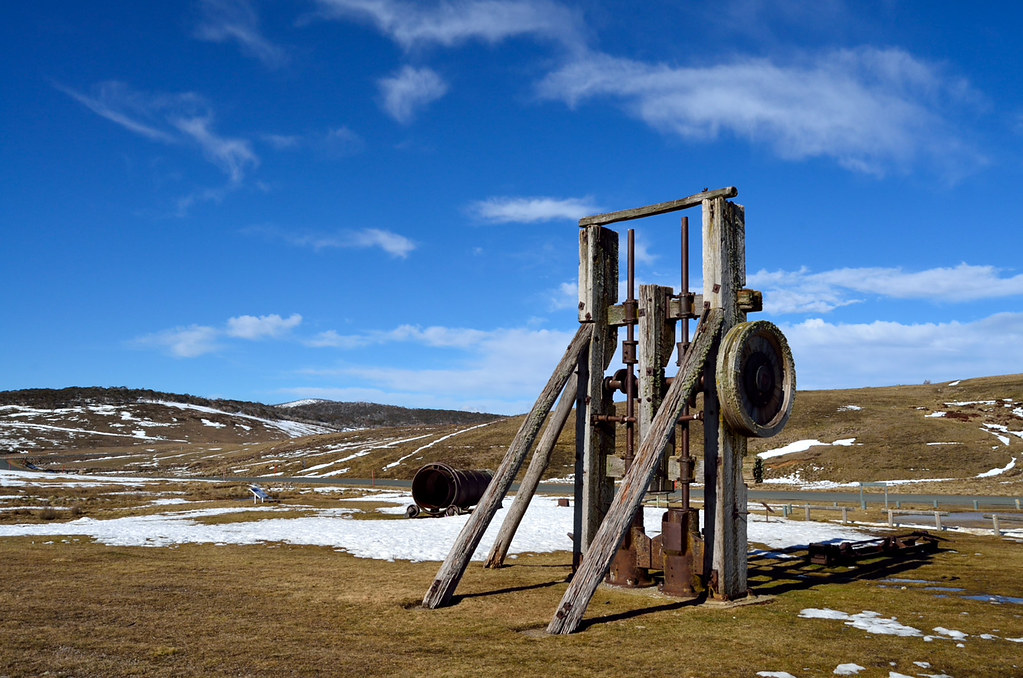
New Chum Hill Ruins

Remnants of Kiandra gold mine at New Chum Hill, #nsw #australia

Showing posts with label environment. Show all posts

February 09, 2015

Gardeners Are Repurposing Coconut Waste as Eco-Friendly Plant Pots

Plant vases made of coir are the new export materials. Surprisingly being quite cheap these eco-friendly materials haven't found a market in India. Image by Subhashish Panigrahi. Used with Permission.
Plant vases made of coir fibre and coir piths are eco-friendly and cheap. Image by Subhashish Panigrahi under CC-by-SA 4.0.
Coir pots in the above picture are made from coir piths or coco peats, sourced as a by-product from coconut production. Coir is a natural fibre extracted from the hard, internal shell and the outer coat of a coconut and used in products such as floor mats, doormats, brushes, mattresses, twist rope, and weave carpets.

Coir fibres make up about a third of the coconut pulp and the remaining portion, called pith or dust, is biodegradable. Coir pith used to be treated as waste material, but is now increasingly being used as soil treatment, mulch and a hydroponic growth medium, e.g. use inside the coir pot. If coir pith is artificially decomposed using biological agents, within 30 days it can convert to be 100% natural organic manure benefitting the plant.

Using coir pots that can be planted directly in the garden can save an estimated 100 million plastic pots from ending up in garbage cans.

The coconut tree (Cocus nucifera) grows in many tropical countries but is commercially exploited mainly in India, Thailand, Sri Lanka and the Philippines. Ropes and rigging made from coconut fibre have been in use from ancient times and are found in the Indian and Arab histories.

This YouTube video shows how coir is made from coconut husks:


India produces 60% of the total world supply of coir fibre. India and Sri Lanka together produce 90% of the coir produced every year across the world. India earned foreign exchange of Rs 2,200 million (approximately $37 million) by exporting coir pith during 2011-12 and aims to boost exports by five times mainly because of the demand in the Gulf countries.

One of the inventions using coir piths is the coir pot, an asset for anyone who wants to start green farming.
After planting trees inside the pot, the roots grow through the coir, so the entire pot and plant can be put into the ground – no wasted plastic pot and no wasted effort.

GV author Subhashish Panigrahi writes in Facebook:
Plant vases made of coir are the new export materials. Surprisingly being quite cheap these eco-friendly materials haven't found a market in India. Coir pith is used as manure in the vases. After two years or so, when the roots start penetrating the vase, it could straight away be taken and planted. What a neat idea!
The benefits of coir pots are that they can replace petroleum-based plastic nursery pots, flats and trays. Although they are lightweight, durable and can be recycled, they usually wind up in the trash causing environmental damage. But things are changing. Plants in biodegradable containers such as coir pots are gradually becoming more available as growers wake up to the environmental consequences of plastics and rubbers.

Subhashish Panigrahi contributed to this post.

The post was also published in Global Voices Online.

December 14, 2014

Massive Oil Spill Threatens Bangladesh's Sundarbans

Spotted deers forage at the Kokilmoni forest in the Sundarbans, a UNESCO world heritage site. Bagerhat, Bangladesh. Image by Muhammad Mostafigur Rahman. Copyright Demotix (5/11/2014)
Spotted deers forage at the Kokilmoni forest in the Sundarbans, a UNESCO world heritage site. Bagerhat, Bangladesh. Image by Muhammad Mostafijur Rahman. Copyright Demotix
An oil tanker carrying 358,000 liters (almost 100,000 gallons) of furnace oil sank in the Shela river on December 7, spilling oil over more than 60 kilometers (about 37 miles) of the Sundarbans. Located on in southwest Bangladesh, the Sundarbans is the largest single block of tidal mangrove forest in the world, covering approximately 10,000 square kilometers (3,900 square miles), of which 60 percent is in Bangladesh. The Sundarbans, a UNESCO World Heritage Site, is also one of the largest reserves for the Bengal tiger, and provides sanctuary to many other species.
According to reports, the new oil spill threatens the Mrigmari-Nondabala-Andharmanik dolphin sanctuary. Mangrove trees are also highly susceptible to oil pollution—indeed, they are expected to start dying after the area's aquatic life, which is typically first to perish. Fahim Hassan has put together an infographic on Flickr explaining the details of the devastation.

According to images Mowgliz Elisabeth Rubaiyat posted on Facebook, the disaster is already killing some animals. Local authorities appear to be outside their depth, never before having confronted so large an oil spill, and lacking the necessary infrastructure to respond properly. Al Jazeera reports several local fishermen have resorted to cleaning up the spill using sponges and sacks.

Many on Twitter have questioned the authorities' response:
To help in the relief effort, the government dispatched a ship to the area carrying oil dispersants. If such chemicals are released incorrectly, however, it can harm the local ecology still further. Four days later, the state's efforts seem to have had little effect, exacerbating fears of a lasting ecological disaster.
Bangladesh's Water Transport Minister says locals were able to stop the oil from entering the forrest, using nets, and they're also working to remove the oil from the water, to keep the situation from becoming worse. The national Forest Department is leading the operation with 100 boats and 200 fishermen.

The Forest Department has filed a lawsuit for 1 billion Bangladeshi taka (about $13 million) against the owners of the two cargo ships responsible for the spill.

Just a month ago, before the spill, the Sunderbans mangrove forest looked like this:


Blogger Ahmed Sharif criticizes the government's ill-planned disaster-management strategy, saying it misunderstands the issue:
দুর্যোগ ব্যবস্থাপনা বলতে কি শুধু বন্যা-জলোচ্ছ্বাস বোঝায়? গত দুই দশকে অর্থনৈতিক দিক থেকে দ্রুত অগ্রগতির সাথে সাথে যেসব ঝুঁকির সৃষ্টি হয়েছে, সেগুলির জন্যে আমরা নিজেদের তৈরি করতে পারিনি। নদীতে জাহাজের সংখ্যা আগের চেয়ে বহুগুণ বেড়ে গেছে, কিন্তু তার সাথে পাল্লা দিয়ে তৈরি হয়নি মনিটরিং এজেন্সিগুলি। জাহাজ তৈরি হচ্ছে যথেচ্ছভাবে, যাত্রী নেওয়া হচ্ছে অতিরিক্ত, ফিটনেসবিহীন জাহাজ চলছে, নদীর পানি দূষণ করছে জাহাজের বর্জ্য, নদীর মাঝে পার্ক করে রাখা হচ্ছে জাহাজ, সঠিক যন্ত্রপাতি ছাড়াই চলছে জাহাজ, চলাচলের সময় ঠিক করে দেয়ার পরেও কেউ মানছেনা – কেউ দেখার নেই। কাজেই দুর্ঘটনার সম্ভাবনা প্রতিদিন বেড়েই চলেছে। আর দুর্ঘটনার সম্ভাবনা বাড়লেও সেটার জন্যে প্রস্তুতি নেই আমাদের।
Is disaster-management confined to floods and cyclones? In past decades, the country has seen accelerated economic development and increased risks. But we could not keep pace to prepare ourselves for those added risks. The commercial ships in our waterways have multiplied, but our monitoring agencies couldn't keep up. Many ships are being built outside the proper guidelines, carrying passengers over their capacity. Many ships are unfit to operate, they dispose of waste improperly, they block waterways indiscriminately, they break schedules—nobody is monitors any of this. So there is an increased risk of accidents, and we are not prepared for these accidents and disasters.
YouTube user A. K. M. Wahiduzzaman uploaded a video capturing the devastation of the oil spill:


The body of the first dolphin, a rare Irrawadi dolphin, to die in this incident was discovered last Friday. According to reports, the Padma Oil Company has managed to remove about 10,000 liters (about 2,600 gallons) of oil in its cleanup efforts, so far. The company is offering to pay volunteer cleanup-workers 30 Bangladeshi taka (about 40 cents) for every liter (about 34 ounces) of oil recovered.

Singer and blogger Mac Haque comments on Facebook:
What is perplexing is the rudimentary cleaning operation. With offer of Taka 30/= per litre for furnace oil recovered, thousands have jumped in, not to save the Sundarbans but to eke an existence. Obviously for the poorest of the poor this is a windfall. However, have not heard anyone talk about the risk to human health from dangerous toxins in the furnace oil. Anywhere else in the world the Government would have faced public litigation suit for endangering citizens health. I see thousands of poor and ignorant people dying in the days ahead thanks to Bangladesh Petroleum Corporation's myopic decision. Our focus should not only be for hunt of dead dolphins - but contaminated humans!
There have been protests demanding that the authorities ban merchant ships and cargo vessels from using the rivers and channels of the Sundarbans. Absent effective government measures, Bangladesh will have to keep relying on civil society and volunteers in this environmental crisis.

The post was also published in Global Voices Online.

October 24, 2014

There's an Island Made of Toxic Trash Rising Out of the Sea in the Maldives

Thilafushi, this is where they burn the garbage in paradise. Image from Flickr by Hani Amir. CC BY-NC-ND
Thilafushi Kuni Gondu - This is where they burn the garbage in paradise. Image from Flickr by Hani Amir. CC BY-NC-ND
Each year, approximately one million tourists visit the island nation Maldives for its sunny warm weather and stunning natural beauty.

But there's an ugly consequence of all those visitors, along with the Maldives' own 395,000 residents: the combined trash accumulated is a headache for the small country.

To deal with the problem, the government decided in December 1991 to use a separate island as the final destination for the huge amount of waste produced by the tourism industry. Thilafushi, nicknamed 'Rubbish Island', originally was a lagoon called ‘Thilafalhu’ with a length of 7 kilometres and a width of 200 metres at the shallowest regions. Huge pits were dug, and waste was deposited into the middle of the pit, which was topped off with a layer of construction debris and then uniformly levelled with white sand.
An average of 330 tonnes of rubbish are brought to Thilafushi every day, most of which are from Malé. At one point, more than 31,000 truckloads of garbage were being transported to Thilafushi annually. Open-air burning of garbage is also practiced here.
Today, Thilafushi has a landmass of more than 0.43 km2, which is leased to industrial activities such as boat manufacturing, cement packing, methane gas bottling and various large-scale warehousing.

The blog of environmental organisation Bluepeace wrote that used batteries, asbestos, lead and other potentially hazardous waste mixed with the municipal solid wastes in Thilafushi island are seeping into the water and creating serious ecological and health problems in the Maldives. However, the concerns have never materialized into a campaign by local activists.
Mordy at collaborative travel project Atlas Obscura described the problem:
Commercial activity along with indiscriminate dumping has brought an abundance of toxic materials to the lagoon - broken oil drums, asbestos, lead, and other noxious metals mix in with daily household garbage items creating a noxious sludge. There is little around the island that goes unpolluted as harmful substances seep into the water and smoke from burning waste floods the air.
Thilafushi island - where garbage just seeps into the ocean as the poisonous tides and toxic winds will. Image fro Flickr by Hani Amir. CC BY-NC-ND
Thilafushi island - where garbage seeps into the ocean. Image from Flickr by Hani Amir. CC BY-NC-ND
Filmmaker Alison Teal has made a documentary about her time in the Maldives as a part of her online film series Alison's Adventures. Some remarkable photos of Alison’s trip to the garbage island can be found here.

The government temporarily banned rubbish dumping on the island in December 2011 after a surge in waste floating in the island's lagoon and drifting out to sea. But still now all the garbage from Malé ends up there.

Alibeyya, a commenter on an article on local news site Minivan, pointed to the crux of the problem:
The delicate environment of Maldives is in need of a responsible waste management system. It is a big challenge given the geographical situation where each island including resorts must manage its own waste. [..] The resorts should be able to contain to get rid of their waste without having to dump to Thialfushi lagoon.
In early 2013 there were reports that Maldives’ waste management is being hampered by local politics and lack of funding. Amidst local reports of illegal dumping of wastes in Thilafushi, there was huge confusion over the responsibility for the management of garbage dumping. The Thilafushi management was transferred to the Malé City Council (MCC) in 2010 and a contract was signed in 2011 with the Indian-based company Tatva Global Renewable Energy to rehabilitate the island and manage the garbage problem.

But the deal never was implemented due to bureaucracy and political interference and recently it was cancelled, making the future of Thilafushi uncertain.
Abdullah Faraz writes in an opinion piece in Minivan News:
The first point to note is that underneath all the political rhetoric and maneuvering lies a real issue that affects many lives – the public health hazard, teachers and students being hospitalised, closing of schools, the smoke, the stench etc.

The public has a right to feel disaffected by this crisis, and is indignant and up in arms with good cause.

The second point to note is though this is a manufactured crisis; there is no inherent direction to which this raw emotional energy of the public may flow.
What is for certain: a new jail soon is set to be opened on Thilafushi island next month.
Additional input by Saffah Faroog

The post was also published in Global Voices Online.

September 25, 2014

How Climate-Smart Villages in Bangladesh, India and Nepal Are Preparing Farmers for the Future

56 years old Kamla Devi listens to messages of weather and best climate friendly crop practices on her mobile phone while working in the cowshed at her home in Anjanthalli. Image by Prashanth Vishwanathan. Used with permission.
56-year-old Kamla Devi listens to messages about the weather and best climate-friendly crop practices on her mobile phone while working in the cowshed at her home in Anjanthalli village. Image by Prashanth Vishwanathan. Used with permission.
One of the initiatives to come out of the United Nations' summit on climate change on September 23 was the Global Alliance for Climate-Smart Agriculture, a group of 16 countries and 37 organizations that aim to enable 500 million farmers around the world to practice climate-smart agriculture by 2030.

What is climate-smart agriculture? It's the idea of helping farmers adapt to changing climates while weaning them off techniques and technologies that produce greenhouse gases. In a number of countries in Africa and Asia, Climate Change Agriculture and Food Security (CCAFS), a research program of CGIAR (a global partnership dedicated to agriculture research), has already set up "climate-smart villages" to put the idea into practice.

Farmers in northern India have grown used to a wide range of weather, and work their fields around monsoon seasons that regularly bring them torrential rains. But as climate change begins to change the weather, scientists predict that growing conditions in the country are likely to become even more challenging and could alternate abruptly between periods of severe rainstorms and drought, according to the group.

In response to the farming challenges brought on by climate change, Climate Change Agriculture and Food Security (CCAFS), together with the International Maize and Wheat Improvement Centre and partner organizations are introducing a portfolio of climate-smart agriculture practices and technologies in their climate-smart villages.

Paramjeet Singh uses the “Green Seeker” to check the nutrient levels of his paddy fields in Uncha Samana. The device helps him decide the most appropriate dosage of nitrogen fertilizers (Urea) for his crops.
Paramjeet Singh uses the “Green Seeker” to check the nutrient levels of his paddy fields in Uncha Samana. The device helps him decide the most appropriate dosage of nitrogen fertilizers (Urea) for his crops. Image by Prashanth Vishwanathan. Used with permission.
Researchers, farmers’ cooperatives, government bodies and private sector partners are working together at these villages to identify which agriculture practices and technologies can improve productivity and incomes and build resilience to climate risks. “Climate-smart” agriculture is highly localized; interventions that work in one place will not necessarily be suitable for another.

In India the project is undertaken currently in Haryana, Bihar and Punjab. The same model also operates in Khulna, Bangladesh and Rupandehi in Nepal. This video explains the idea behind the villages:


In the climate smart villages in India, farmers have begun to alter their use of mobile phones, the Internet, and basic measurement devices to adapt to the changes initiated by climate change, according to CGIAR. An interesting aspect is that farmers are actually not talking much about climate change, but rather are engaging themselves in alternative and innovative practices. The money that they are saving by doing things like using new planting methods for rice that reduces the amount of labor and water needed are resulting in a significant cost savings, CGIAR says.

Harpreet Singh checks the water level through a Tensiometer in his paddy fields in Birnaryna as a part of the Climate Smart Village (CSV) programme.  Image by Prasanth Viswanathan. Used with permission
Harpreet Singh checks the water level through a Tensiometer in his paddy fields in Birnaryna as a part of the Climate Smart Village (CSV) programme. Image by Prasanth Viswanathan. Used with permission
Under the project, voice and text messages are sent to farmers twice a week in Hindi or in other local language. The text messages include information on weather forecasts and suggestions for farmers, information on pests and remedies, etc. Last year messages were sent to 1,400 farmers in 50 villages in Karnal and Bihar and 10 villages in Punjab, according to the group.
Farmers are being encouraged to improve their nutrient management, for example through the use of a leaf color chart:


27 year old Vinod Kumar (L) uses the Nutrient Expert computer programme to ascertain his farms nutrient needs being part of the Climate Smart Village programme in Anjanthalli. Image by Prashanth Vishwanathan. Used with permission.
27-year-old Vinod Kumar (L) uses the Nutrient Expert computer programme to ascertain his farms nutrient needs being part of the Climate-Smart Village programme in Anjanthalli. Image by Prashanth Vishwanathan. Used with permission.
The CCAFS South Asia Program has also successfully implemented a climate insurance program as part of their climate-smart village model to save farmers from losses due to failed crops as a result of natural calamities.

The success of the models in India has prompted replication of the initiative under climate smart village in various South Asian and African countries. The CGIAR's blog narrates a lot of initiatives and challenges that the climate-smart villages face.

The post was also published in Global Voices Online.

May 27, 2014

Creating Biogas from Water Hyacinth

Water hyacinth (water weed) is a menace in Bangladesh which restricts water flow and blocks sunlight in rivers and ponds contributing to contamination and killing of fish. Instead of spending much in removing or eradicating them they can be used for a good cause. Kristin Boekhoff at Panigram blog informs about an innovation in Jessore, Bangladesh which will be the first commercially operating biogas reactor running off of water hyacinth in the world.

The post was first posted in Global Voices.

January 03, 2012

Titas Is The Name Of A Murdered River

The Titas River is a trans-boundary river of south-eastern Bangladesh and it is more known to the Bengalis by a famous novel and a movie titled "A river named Titas", which depicts the life of the fishermen on its bank.

River Titas, which is the source of livelihood for many people, is now endangered. In Ashuganj town of the Brahmanbaria District of Bangladesh a long diversion road has been hurriedly built through the Titas river and its tributaries and canals obstructing its flow in many parts. Local media reports that it was done to facilitate transhipment of Indian goods on heavy vehicles as the existing roads and bridges are damaged and cannot bear the load of these huge carriers. The netizens are outraged by the developments.

A road through Titas river. Image courtesy Sharat Chowdhury

Here is a picture of the same place taken on 2008.

Mahfuzur Rahman Manik reports [bn]:
সম্প্রতি সামাজিক যোগাযোগের ওয়েবসাইটগুলোয় (ব্লগ, ফেসবুক) একটা ভিডিওর ব্যাপক ছড়াছড়ি। তেমন কিছু নয়, একুশে টিভিতে প্রচারিত সংবাদের ভিডিও। ‘ট্রানজিট’ নিয়ে প্রচারিত তিন পর্বের এক পর্ব। সেখানে উঠে এসেছে আখাউড়া ও ব্রাহ্মণবাড়িয়ার সংযোগস্থলে তিতাস নদী দ্বিখণ্ডিত হওয়ার করুণ কাহিনী। ভারতকে ট্রানজিট সুবিধা দেয়ার নামে তিতাসের মাঝখানে রাস্তা বানিয়ে কীভাবে তাকে মেরে ফেলা হচ্ছে তার প্রমাণ ভিডিওটি। যারা কখনো তিতাস দেখেননি কিংবা নদী বরাবর কীভাবে রাস্তা বানানো হলো তা দেখার কৌতূহল থেকেও অনেক ইন্টারনেট ব্যবহারকারী এতে ঢুঁ মেরেছেন।

Recently the social networking sites (Blog, Facebook) are flooded with a video. Nothing extra-ordinary, but a a news report on Ekushey TV. Its the first episode of the three part fetaure on "transit". the video is the proof how a road was built dividing Titas river and killing it in the name of providing transit facility. Many internet users are watching this video, especially those who have never seen Titas or those, who are simply interested to see how a road can be built dividing a river.
একুশে টেলিভিশন প্রচারিত সংবাদটি বলছে, তিতাস নদীর ওপর বাঁধ দেয়ায় চারপাশের লাখ লাখ হেক্টর জমিতে ফসল উত্পাদনের ওপর বিশাল প্রভাব পড়ছে। এ নদীর ওপর নির্ভর করে যারা জীবিকা নির্বাহ করেন, তাদের জীবনে এসেছে অনিশ্চয়তা। বিশেষ করে জেলেদের অবস্থা খারাপ। সেখানকার মানুষ ঘরে ফসল তুলতে পারেন না। হাজার হাজার হেক্টর জমি তলিয়ে গেছে পানিতে। পরিবেশ বিপর্যয় তো রয়েছেই।

The Ekushey TV report divulges that the cultivation in the surrounding thousands of hectares of land has already been effected. Those who depends on this river for their livelihood face an uncertain future. Especially the fate of the fishermen are doomed. Thousands of hectares of cultivated fields have been submerged and many crops are damaged. The environmental damage is enormous.

Blogger Kallol Mostafa went to the site and reported [bn]:
ভারতের ত্রিপুরার পালাটানায় ৭২৬ মেগাওয়াট ক্ষমতার একটি বিদ্যুৎ প্রকল্পের প্রয়োজনীয় ভারী যন্ত্রপাতি ৯৬টি ওভার ডাইমেন্সনাল কার্গো’র (ওডিসি) মাধ্যমে পরিবহনের জন্য ৩০ নভেম্বর ২০১০ এ ভারত ও বাংলাদেশের মধ্যে একটি সমঝোতা স্মারক স্বাক্ষরিত হয়। [..] আশুগঞ্জ বন্দর আর আশুগঞ্জ থেকে আখাউড়া সড়ক পথ ওডিসি পরিবহনের অনুপযুক্ত হওয়ায় বন্দর উন্নয়ন, ৪৯ কিমি রাস্তা মেরামত ও ১৮ মিটার পর্যন্ত প্রশস্ত করার জন্য ভারত এককালীন ২৫.৫০ কোটি টাকা প্রদান করবে বলে ঠিক হয়। [..] এই রাস্তায় তিতাস নদী ও বিভিন্ন খালের উপর যেসব ব্রীজ ও কালভার্ট রয়েছে সেগুলো এত ভারী কার্গোর ভার বহনের সক্ষম নয়। তাই রাস্তা মেরামত ও প্রশস্ত করণের পাশাপাশি ভারতের আসাম বেঙ্গল কেরিয়ার বা এবিসি ইন্ডিয়াকে দ্বায়িত্ব দেয়া হলো ব্রীজ ও কালভার্টগুলোর পাশ দিয়ে “বিকল্প রাস্তা” তৈরী করার।

A memorandum of understanding was signed on November 30, 2011 to provide transit facility to 96 over-dimensional cargoes (ODCs) which will carry heavy machinery for a 726 Megawatt power plant in Trpura, India. [..] It was decided that India will pay 255 million Bangladeshi Taka to upgrade 49 kms of road by making them 18 meter wide. However, the bridges and culverts on these roads are not able to carry the heavy loads of these ODCs. So besides up-gradation of the road, the Asam Bengal Carrier (ABC) company was awarded a contract to build alternative roads besides those bridges and culverts.
A makeshift road near the culvert on a canal of Titas river. Image by Niloy Das. Courtesy Dinmojur Blog
The whole article has been shared many times in social networks. Kallol also shares [bn] his frustrations and anger:
দুনিয়ার আর কোন দেশের শাসক শ্রেণী এইভাবে নিজ দেশের নদী-খালের মাঝখান দিয়ে বাধ নির্মাণ করে আরেক দেশের মালামাল পরিবহনের ব্যবস্থা করেছে বলে আমাদের জানা নাই।

I am not aware of any other country who has diverted its rivers and canals with dams and built roads through them to facilitate transit of goods of a neighboring country.
Some bloggers took an initiative to carry out a visit to the site. A Facebook event [bn] was created.

Kowshik provided [bn] the scope of the visit:

আমাদের রাজনীতি নেই, আমরা রাজনীতি বুঝি না - কিন্তু সব গেলো সব গেলো বলে আহাজারি করতে পারি! সেই আহাজারীর মাত্রা আরেকটু বাড়াতে আগামী ৩০শে ডিসেম্বর তিতাসের খণ্ডিত বুকে গিয়ে জানতে চাই সেখানকার মানুষদের কি মতামত!

We have no political intention, we don't understand politics but we can cry for our loss. To extend that cry to another level we want to go to the divided Titas and ask for local people's opinions.
Kowshik also shared frequent updates [bn] of the bloggers' initiatives.

Here is a three part videocast showing interviews of bloggers and locals:


(Part 1: Featuring Ali Asif Galib [bn])


(Part 2: Featuring Sharat Chowdhury [bn])


(Part 3: Featuring Ali Mahmed [bn])

Blogger Sharat Chowdhury shares his experience [bn] of actually being there:
আমরা দেখি নদীর বুক চিড়ে রাস্তা বানানো হয়েছে। ট্রানজিটের রাস্তা। আমাদের নতজানুতার পথ। এই পথ দেখে আমাদের কষ্ট হয়, ঘৃণা হয়, অবিশ্বাস গাঢ় হয় সরকারের বিবেচনা বোধ আর সদিচ্ছার প্রতি।

We see that roads have been built dividing the river. The roads for transit, the road to our submissiveness. Our heart aches seeing this road, we loath. Our mistrust on the government deepens.
Sharat adds:
এই মুহুর্তে প্রতিবাদ প্রতিরোধ ছাড়া আর কোন পথ নেই। ব্লগাররা কাজ করতে পারেন স্থানীয় অপনিয়ন লিডার হিসেবে। কেবল রাজধানী-কেন্দ্রীক আন্দোলনের বদলে আমরা এমনও দেখতে পারি যে ব্রাম্মণবাড়ীয়া, আশুগঞ্জের ব্লগাররা প্রতিবাদ জানিয়েছেন স্থানীয় প্রশাসনকে। অবহিত করেছেন স্থানীয় মানুষদের। সংগঠিত করেছেন। এটা আমাদের করতেই হবে।

Now we have no options except protesting the road constructions. Not only the capital centric protests, we would like to see that the local bloggers are protesting to the local government. We would like to see them organize locals and making them aware. We have to do it.
Also published in Global Voices Online.

July 22, 2010

The Story of Cosmetics


In a new episode from the The Story of Stuff Project Annie Leonard tells The Story of Cosmetics.

"The seven-minute film reveals the implications for consumer and worker health and the environment, and outlines ways we can move the industry away from hazardous chemicals and towards safer alternatives. The film concludes with a call for viewers to support legislation aimed at ensuring the safety of cosmetics and personal care products."

Via Osocio Weblog

April 17, 2010

Apocalypse In Europe

You might wonder, what a peculiarly named volcano (Eyjafjallajökull -how do you pronounce it?) in Iceland can mean to Europe.

Eyjafjallajökull is actually a glacier in Iceland which covers a volcano (1,666 metres or 5,466 ft in height) which has erupted relatively frequently since the Ice Age. The volcano eruption in 14 April (see pictures) caused massive disruption to air traffic across Northern Europe. From Wikipedia:

"On 14 April 2010 Eyjafjallajökull resumed erupting after a brief pause, this time from the top crater in the centre of the glacier, causing meltwater floods (also known as jökulhlaup) to rush down the nearby rivers, and requiring 800 people to be evacuated. This eruption was explosive in nature and it threw volcanic ash several kilometres up in the atmosphere which led to travel disruptions in northwest Europe on the 15th and 16th of April 2010 including the closure of airspace over most of Northern Europe."

The above picture (click to enlarge) will explain why the volcanic ash is dangerous for Flights.

The ash-cloud left Europe flights grounded for third day in a row causing disruptions to thousands of passengers. Airlines worldwide are losing at least $200 million a day in revenue because of this.
"The dust cloud from Iceland’s Eyjafjallajökull volcano may affect 6 million passengers if the disruption extends to April 18, and the revenue loss may reach $1 billion, according to the Centre for Asia Pacific Aviation, a Sydney-based consulting firm."
Source of Images:
1) Volcano Eruption - by Flickr user Sveinn71
2) Hazards to aviation from volcanic ash cloud - by The Christian Science Monitor
3) Ash cloud impact in Europ - BBC News

November 18, 2009

Wake Up! The Clock Is Ticking

Imagine you lived in a world of water. Your home is two-feet under. You wade through it, cook on it, and sleep above it. This is the reality for hundreds of thousands of people around the world, coastal populations on the front lines of climate change.

The latest PBS documentary called "water world" shows the effects of climate change in Bangladesh and how it threatens the world.

The situation has become so alarming that Dr. Atiq Rahman says that 'climate change', 'global warming' - these are soft words. We should be referring to this phenomenon as 'catastrophic climate destabilization'.

Dr. Atiq also talks about the climate refugees and the plea to the world to take them. Bangladesh wants $10 billion to fight climate change. But I think the climate refugees issue should be brought forward and plans should be made for their shelters and livelihood.

This video by Shahjahan Siraj of Machizo shows the victims of climate change:

November 06, 2009

Digital vs. Analog TV


What happens to your old TV when you switch to digital (LCD/Plasma) TV?

"The major digital TV switchover in north-west England has coincided with a huge increase in dumped analogue TVs" - reports The Guardian:

This year, the council has recycled 50,000 analogue TVs thrown away by households, of which 30,000 could have been upgraded to receive digital TV signals with a simple £20 set-top box.

The e-waste dumps in developing nations are piling up. US government is even thinking about asking electronics manufacturers to offer free door-to-door pick-up service of used devices. Tree Hugger reports:

In the US, only about 18% of the 23.9 million toxic CRT TVs thrown out in 2008 were recycled. And Sarah Westervelt, a Basel Action Network official, said about 80% will actually be shipped abroad to be "recycled" in China and Africa - and that is a violation of provisions of the Basel treaty that ban the shipment of toxic waste from the rich countries to poor ones.

Over the long run, it is likely better to have an extra set-top box and not a new TV. It's just a matter of actually telling people this, and encouraging them to keep what isn't broken.

Image via Jaymi Heimbuch, Tree Hugger

October 15, 2009

Blog Action Day 2009: Climate Change


Today is the Blog Action Day and this annual event aims to unite the world's bloggers where they write about a single topic in a single day to raise awareness and trigger a global discussion on the subject.

I have posted a round-up of some of the Rising Voices projects discussing climate change in their blogs.

This is my third year of participating in the Blog Action Day. You can read my posts from 2007 & 2008.

Now the question is why Blog Action Day is important. We all take part in our share of activism in our everyday lives. But they hardly make any impact on the society. Sometimes we also miss out on important issues. Blog Action Day is the opportunity to unite our voices to a common cause so that we can shake the inertia and tilt towards a change.

Every day you will find many govt. sponsored events or international conferences discussing on critical issues. But do they have the capacity to engage every common people? The advantage of citizen media is that it is free and accessible to many who wants to raise their voice. And what bloggers write do not obliterate, they remain in webspace searchable by search engines. So Blog Action Day gives people the opportunity to speak out their opinions and it is an wonderful initiative to have more local perspectives on important issues.

One may wonder whether the Blog action day will make any impact on the policy makers. Slowly people are becoming more aware of citizen media. What bloggers can do is to discuss about the ground realities of the different policies taken by governments or authorities. They should share their personal experiences, observations etc which can provide important feedbacks to the policy makers.

The bloggers are part of the local communities. With the promulgation of initiatives like Blog Action Day, non-bloggers from their communities will be interested to read what the bloggers are talking about and take part in the discussion via comments or in real life actions. Writing about issues like environment in blogs is only a catalyst to some offline actions that need too be taken.

Now coming to the point - this year's theme - climate change. Bangladesh is in the forefront of the impacts of climate change. If sea level rises, parts of Bangladesh will submerge and millions of people will be refugees.

In my opinion we cannot avoid the consequences of climate change. What we can do is to reduce the damages through careful planning, save lives via strategic migration. Less resourceful nations like Bangladesh cannot do all this alone. The world needs to act, lend a hand and plan the right course of actions.

Bangladesh has already sought 5 billion US dollars from the developed countries in compensation for damaging effects due to climate change caused by global warming. But only money won't suffice. I would like to quote Shehzaad Shams of Bangladesh Corporate Blog in explaining strategic migration here:

We do want free money...as compensation..or fresh funds..whatever you call it. However, I am sick and tired of getting free alms which almost always go down the drain (or personal pockets and fortunes). Let the deal be fair.....we will train our manpower to serve your foreign labor markets, we will take care of all legal and social coverage issues...in return we demand preference in overseas recruitment selection and eventual settlement in foreign territories, provided the incumbent meets criteria set and agreed by host and source countries. The idea is to convert potential climate refugees from burden to skilled workforce and help them get (either local) job assignments in countries which are held culprit for the climate change fiasco. In other words, if a time arises that 5,000 people are displaced due to rising tidal waves in Satkhira district, they need to be labelled formally as 'climate refugees' first. These people are free to move to higher lands or even to capital to seek for security of life and food. They need to be trained and made export ready to countries which are primarily responsible for global warming.

We can also learn from the experience from the millions of environmental refugees from Bangladesh who lose all their belongings in the recurring natural disasters and have the courage to start all over again. This courage will be the key to survive in all the future natural calamities that are going to happen because of climate change.

Reblog this post [with Zemanta]

June 13, 2008

Swimming in Berlin this summer

Berlin is a city of lakes. Berliner Zeitung has published an investigative report on the quality of approx. 40 bathing locations in Berlin and found out the following (click to enlarge):


(Hat tip: Bowlerised)

April 01, 2008

Is Any body Listening?

The above is is the title of a brilliant website of Drishtipat which addresses climate change issues in the context of South Asia especially Bangladesh. According to Drishtipat:
The threat of 1/3 of Bangladesh getting wiped away and creating 125 million climate refugees are very real. As expatriate Bangladeshis, it is our collective responsibility, to highlight the injustice of the whole issue where Bangladesh will pay the price of Western excesses that is destroying our planet.
Please bookmark: Is Any Body Listening?

March 18, 2008

Fighting Rickshaw ban


Kathryn Hummel writes in Pop Matters:
Bangladesh’s endangered rickshaws and wallahs serve as brightly colored, moving works of art, and as constant, mobile displays of human nature – often at its best.

In 1998 the data showed that Rickshaws took up 38% of road space while transporting 54% of passengers in Dhaka . The private cars on the other hand, took up 34% of road space while only transporting 9% of the population

So who would dream of waging war on the humble rickshaw and the colorful men who ply them? Car owners, traffic police and the World Bank, that’s who.
Voice of South writes about the environmental impact on the proposed Rickshaw ban in Dhaka:
For a better transport system in Dhaka we need to create a city wide network of Rickshaw lanes.
(Photo credit JoyBangla.info and Kathryn Hummel)

March 04, 2008

Dhaka, the second dirtiest city in the world

The way Dhaka city is being developed you know this was coming since long time. Every development, every growth is concentrated on this Mega city, which is the capital of Bangladesh.

Forbes Magazine lists Dhaka as the second dirtiest city in the world. The main culprit is lead-poisoned air. Traffic congestion in the capital continues to worsen with vehicles emitting fatal amounts of air pollutants daily, including lead.

The unplanned growth of city, more and more people pouring in from rural areas to the city slams and the narrow streets unable to cope with the traffic of these people have augmented the miseries.

The solution is simple, decentralize from Dhaka. Transfer the Government Secretariats to outskirts of Dhaka including housing compounds. Give importance to other commercial cities like Chitatgong, Rajshahi, Khulna, Sylhet etc. Encourages businesses to shift major portions out of Dhaka. Make special zone for Garments industries outside Dhaka and Shift the factories there. But will we able to see these changes in 10-20 years of time? Otherwise the number 1 spot is secure for Dhaka.

Baku in Azerbaijan has clinched the top slot with its life-threatening levels of air pollution emitted from oil drilling.

Here is the complete list of the 25 dirtiest cities of the world:

No. 25: Port Harcourt, Nigeria
No. 24: New Delhi, India
No. 23: Maputo, Mozambique
No. 22: Luanda, Angola
No. 21: Niamey, Niger
No. 20: Nouakchott, Mauritania
No. 19: Conakry, Guinea Republic
No. 18: Lome, Togo
No. 17: Pointe Noire, Congo
No. 16: Bamako, Mali
No. 15: Ouagadougou, Burkina Faso
No. 14: Moscow, Russia
No. 13: Bangui, Central African Republic
No. 12: Dar es Salaam, Tanzania
No. 11: Ndjamena, Chad
No. 10: Brazzaville, Congo
No. 9: Almaty, Kazakhstan
No. 8: Baghdad, Iraq
No. 7: Mumbai, India
No. 6: Addis Ababa, Ethiopia
No. 5: Mexico City, Mexico
No. 4: Port au Prince, Haiti
No. 3: Antananarivo, Madagascar
No. 2: Dhaka, Bangladesh
No. 1: Baku, Azerbaija


(Polluted Dhaka: Image copyright Ahron de Leeuw used under creative commons license)

December 23, 2007

The story of the trash we are generating

I had another visit to Euro shop (everything priced at 1 Euro) yesterday. You get amazing things at one Euro for example a stainless steel (rust free) bowl something you will not get even in Bangladesh at this amount.

Did we ever wonder why are stuffs being offered cheaper and cheaper even less than the developing country standards?

A relevant video might provoke some questions:


The story of Stuff has answers to those questions.

Black Looks Blog points to the fact:
90% of the stuff consumed in the US is trashed within six months - now that is truly scary.
One thing I can urge to people (including me) please please buy less. How much do a human being needs?

November 12, 2007

Bangladesh has a lot to teach the world

Safia Minney runs the fair trade fashion company called People Tree. She describes about Bangladesh, the land and people she loves:
The politics of neighboring countries are intensifying the problems caused by climate change. In times of heavy rainfall or flooding India will use its dams to favour its own people and land redirecting excess water from its great dams into Bangladesh. And in times of drought when water is scarce Bangladesh will receive only a trickle. The politics of water are well underway and tensions will mount as rainfall patterns are disrupted due to climate change. In an agricultural country where people rely on fishing and farming water means life or death.
.....

The people of Bangladesh are so kind and holistic in their thinking.

Bangladesh has a lot to teach the world, but recently it seems that its “care taker” government lacks confidence in its own people and intellectuals. The world has moved on. Bangladesh and its people hold many of the answers for sustainability. It is the time for multi stakeholder initiatives and approaches when we all work together for change. But confidence is needed in a nation that offers so much, but ends up comparing itself with big business and a world economy system gone mad.

Bangladesh people may need help up as one of the poorest nations in the world but the nation has made great strides in the last 20 years, in terms of literacy and development. It also qualifies as the happiest nation in the world, so clearly there are other benchmarks that determine the true prosperity of a nation.
These and lot more in her blog.

Also don't forget to check the Sarah dress.

Image credit People Tree.

October 17, 2007

Blog Action Day: Bangladesh and Environment

(First published in E-Bangladesh)

blogaction.jpg

Yesterday was the Blog action day, a day when bloggers around the web were unite to emphasize the important issue 'the environment' that people tend to ignore. The campaign asked every blogger around the world to post about the environment in their own way and relating to their own local or international topic.

Why is the Blog day important? Kevin Stirtz writes in the American Chronicle:

Blog Action Day is important because it shows us the power, energy and diversity of many people to voluntarily propose ideas and start conversations about an important topic. It should add great value to the current conversations about how to protect our environment.

Almost 2000 Blogs:

19,974 Blogs have registered to be part of this campaign. You can get the list of the participants from here. Google Blog search lists around 13000 of the blog posts on Blog Action Day.

Here is a list of Environmental Blogs furthering the cause. Global Voices Online, Green Options, and Shouting Match have posted roundups on Blog Action day posts.

Bangladesh and Environment:

Most of the Bangladeshi Blogs were almost silent about this campaign. Probably because people in Bangladesh are battered with lot of issues like poverty, political instability and natural disaster, 'the environment' is one issue that seldom gets priority.

We have seen Bangladesh being subject to many environmental constraints which led to augmentation of natural disasters and diseases in mass scale.

The Farakka Barrage in India and the unilateral withdrawal of Ganges water during dry season by India resulted serious adverse effects on environment, agriculture, industries, fisheries, navigation, river regime, salinity contamination in the surface and ground water in the southwestern and western areas of Bangladesh covering almost 20% of its area.

Clean water source has been a perennial problem of Bangladesh. Starting in the 1970s aid agencies such as the United Nations Children's Fund (UNICEF) had built shallow wells throughout the country to help provide a safe source of drinking water to Bangladesh's population. However in the 1990s it was discovered that many of these wells were contaminated by arsenic, a poison that accumulates naturally in Bangladesh's alluvial soils. According to a World Bank estimate 25 percent of the country's 4 million wells may be contaminated by arsenic. Without a way to filter the water from arsenic these wells have become a nightmare for Bangladeshi villagers.(Source)

After the great flood of 1988 developments of a damn built around greater Dhaka city is protecting the capital but the rest of the country is still prone to floods which destroy millions of dollars worth infrastructure each year. Many unfortunates have to start again after each flood as their tangible belongings are destroyed.


During late Eighties and early Nineties we have seen many cyclone shelters were built up with the help of Saudi Arabian grants. But many of them are in shabby conditions today. We rarely see development budgets being used to repairs and maintenance of these shelters.

Bangladesh is located on a tectonically active plate and the potential for magnitude 8 or greater earthquakes on the nearby Himalayan front is very high. An earthquake in excess of 6.5 (Richter scale) will cause a disaster in the densely populated Dhaka city.

There is a widespread theory that:

If the sea rises by a metre — as some scientists say it will by 2100 — a quarter of Bangladesh will be submerged, forcing 30 to 40 million people from their homes.

I think Bangladesh is also lacking behind in planning a protection measure against this threat of Global Warming. This just shows that how relevant the issue is for Bangladesh. If the Netherlands can reclaim massive land from below sea level Bangladesh should also be able to take measures well in advance. However the Netherlands has also reasons to bother about it. Watch what Dr. Patrick Dixon has to say about it.


Bangladesh has also some achievements in protecting the environment. Its rural economy is still driven by agriculture. It has plenty of natural gas reserve which have been put to good use as fuels (CNG) for automobiles, cooking, electricity generating, industrial use etc. Use of polythene bags are banned in the country.

Although our main target is to reduce poverty and achieve a sustainable growth and development still there are lots of environmental issue we need to address.

Today starts another relevant campaign called stand up and speak out against poverty. I hope you will do your part as a responsible world citizen.

January 24, 2004

WHEN THE RIVERS RUN DRY

The movement of marine transport vessels in Bangladesh waterways have become extremely slow and risky because of rising river beds from siltation. After the establishment of the Farakka Barrage in India during the mid seventies, the length of the waterways of Bangladesh shrank from 24,000 kilometres to some 7,000 kilometres. During winter, due to the lack of water flow the water level has shrunk drastically and siltation took its toll by reducing the total waterways to some 3,000 kilometres. This is a grave news for Bangladesh where water transport is one of the main (& affordable) mean of transporting goods and people. Lack of govt. budget will make it difficult to dredge huge areas of silted waterways. Read more here.

That is the reason why Bangladesh wants India to abandon its proposed river-linking project.

January 03, 2004

CHILLY DAYS

Bangladesh is being hit by a cold wave across the country. At least 51 people, mostly children and the elderly, died in the last three days.

The temperature is not that low, as you would imagine hearing this news. It is around 9-12 degrees Celsius, the northern region being the lowest. But it is well below the usual average 15 degrees in winter. Extreme foggy conditions are making things worse specially hampering Air traffic and marine transports. Tiny dewdrops are falling like rain and its even biting in Dhaka where the temperature was around 11-14 degree Celsius. The fog is absorbing body heat and thus intensifying cold.

This cold is being dwelt in the urban areas well but in villages, many houses are not equipped to protect people from this cold (as they are made of Bamboo or wood/mud). The cold wave is taking its toll on the poor who does not have heavy blankets or winter cloths. The only recluse for them is to light bonfires to fend off the bite of cold and urban people are preferring to stay indoors.

The bad news is that the cold wave will last a few days more. We have seen some extreme temperatures both in summer and winter as the weather is changing. Hope the poor survives this winter. The people of Bangladesh, especially in village areas should now contemplate of equipping their houses with insulating materials to fight out severe colds in future. That would be a huge task for the poor households and I think govt. and NGOs should come up with an action plan.

There are programs of donating winter cloths and blankets to the have-nots being taken by some organizations. I think these programs should extend to all parts of the country and distribution of clothes and blankets in time should be ensured.