

Dragonfly

Image by Rezwan

Overcrowded passenger ferry capsized in the Padma River in Munshiganj, Bangladesh

The World Cup Goal-E Project

This street in Bangladesh has a colorful world cup celebration

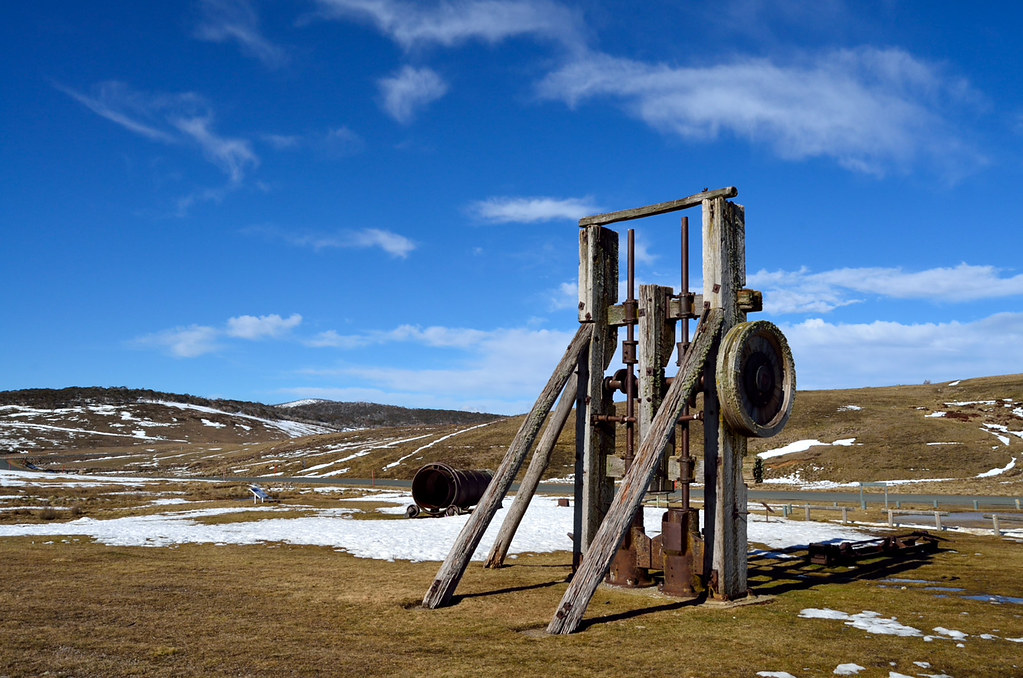
New Chum Hill Ruins

Remnants of Kiandra gold mine at New Chum Hill, #nsw #australia

July 30, 2009

Tipaimukh Dam And Transparency

(Also Published in Global Voices Online)

My previous report on the damaging aspects of the Tipaimukh Hydroelectric Project and protests against it generated much reader response. This post has updates on the situation.

Asadul Haque at Haque's Talking describes how this has been a hot debate in Bangladesh recently:

The Tipaimukh dam issue currently continues to dominate the domain of political, media, intellectual and civil society’s discourse in Bangladesh with a unilateral demand for revocation of India’s decision for the project. Massive public protest in different forms i.e. rallies, protest meetings, strikes and so on against the dam continue to gain momentum in Bangladesh.

Zahid at Sachalayatan writes:

বাংলাদেশ আজ একটি ভয়ঙ্কর সমস্যার মুখে পতিত, আমরা এখনো বিষয়টি পরিষ্কার বুঝতে পারছিনা তাই আসল চিন্তা না করে রাজনীতির কাঁদা ছোড়াছুড়ি করে যাচ্ছি। বিষয়টি নিয়ে ব্লগে, সংবাদপত্রে, টিভিতে, জনসভায় আলোচনা হচ্ছে, কুটনৈতিক পর্যায়ে মতানৈক্য চলছে, বিভিন্ন দলের বিশেষজ্ঞদের নাম জানা যাচ্ছে কিন্তু তার পরেও আমরা পনের কোটি মানুষ শান্তিতে ঘুমোচ্ছি। সুনামগঞ্জের হাওড় এলাকার দরিদ্র কৃষকটি, যার সারা বছরের খাবার আর জীবন যাপনের একমাত্র অবলম্বন বোরো ধান, কিংবা দরিদ্র জেলেটি যার খেয়ে পড়ে বেঁচে থাকা নির্ভর করছে বর্ষাকালের হাওড়ের মাছের উপর সেও শান্তিতে ঘুমুচ্ছে কারন সে জানেনা কি ভয়াবহ ভবিষ্যৎ অপেক্ষা করছে তার জন্য। ফাঁরাক্কা ব্যারেজের কারনে আমাদের উত্তাল প্রমত্তা পদ্মা আজ যৌবন হারিয়েছে সেই সাথে ধুকে ধুকে মরছে এর শাখানদীগুলো। ১৯৭৪-৭৫ সালে নির্মিত ফাঁরাক্কা ব্যারেজের ফলে ভারতের একচেটিয়া পানি উত্তোলনকে কেন্দ্র করে একটি চুক্তি করতে কুটনৈতিক আলোচনা গড়িয়েছে ২০ বছর, আর এই সুদীর্ঘ সময়ে আমরা হারিয়েছি আমাদের নদীর নাব্যতা, আমাদের ফসলের জমি হারিয়েছে তার উর্বরতা, লবনাক্ততা এসে গ্রাস করেছে আমাদের অহংকার সুন্দরবনকে, ইবনে বতুতার সবুজ বাংলাদেশের উত্তরাঞ্চল পরিনত হয়েছে শুষ্ক মরুভূমিতে।

Bangladesh is in a big problem. We are still not getting the real picture so are bickering with political motives where we should be thinking about the solution. The issue is being talked about in blogs, newspapers, rallies. Diplomatic efforts are being carried out, we are hearing about many new experts, but most of our 150 million people are still sleeping on it without any worry. The poor farmer near Sunamganj, whose livelihood and nutrition for the whole year is the boro crops, is also sleeping without knowing what future awaits for him. Our mighty Padma river has shrinked because of Farakka Barrage. The barrage was made in 1974-75 and and agreement to protect the the unilateral withdrawal of water by India took 20 years of diplomatic efforts. In the mean time our rivers have lost their depth, our lands have lost fertility, our Sunderbans forest has been engulfed with salinity. The green Bangladesh as named by Ibn Battuta has become almost like a desert.

The protests have already spread in Internet. More than 80 Facebook groups have been opened, which includes: :: Stop Tipaimukh Dam ::, Protest Against ‘Tipaimukh Dam', Tipaimukh Dam & Fulertal Barrage - Lets Stop India, Stop Tipaimukh Dam, Save Our Bangladesh Tipaimukh Dissemination. Dedicated blog sites have been launched to compile and disseminate Tipaimukh dam related news.

Anondomoye discovers [bn] from the EIA (Environmental Impact Assessment) report:

সবচেয়ে উলেখযোগ্য যে তথ্যটা পেলাম সেটা হলো টিপাইমুখ ড্যাম সাইট থেকে ৯৫কিঃমিঃ ভাটিতে ফুলেরতালে একটা ব্যারেজ নির্মানের প্রস্তাবনা আছে (যা ভারত সবসময় অস্বীকার করে আসছে)।

The most important information I gathered from the report is that there is also a plan of building a barrage in Fulertal, 95km upstream of the Tipaimukh dam (India has always denied this fact).


Image courtesy Subir Bhowmik

Image courtesy Subir Bhowmik

Navid says:

The Tipaimukh Dam project may not be harmful to us rather useful if it only consists of a Dam. The problem will arise if India makes Fulertol Barrage along with the Dam. The Barrage can really render this great country into a desert.

The recent comments of the Indian High Commissioner in Bangladesh has caused much uproar in Bangladesh politics, reports An Ordinary Citizen. Indian journalist Subir Bhowmik writes in his blog that hiding of facts are fuelling more controversies. He opines:

If we leave this aside as normal compulsions of domestic politics in Bangladesh, it still falls on India to take a lower-riparian neighbour like Bangladesh into confidence when we plan such huge projects like Tipaimukh.

However, Diganta Sarkar at The New Horizons comments on the EIA and EMP documents that he “hardly finds a ground to accuse (the Indian) Government of hiding anything” as these are available online. He is also satisfied with the mitigation effort and planning to tackle the environmental damages and earthquake threats published in those documents but questions whether all of them will be implemented.

Zahid has already published five posts of his investigative six part series [bn] describing the impact of the dam and barrage refuting the Indian claims that there will be no environmental damage in Bangladesh. (Part 1, Part 2, Part 3, Part 4, Part 5). He says:

একজন সাধারণ মানুষও যেখানে জানে যে বাঁধের কিছু না কিছু প্রভাব উজান ভাটিতে থাকে সেখানে একটি বিলিয়ন ডলারের প্রকল্পের Environmental Impact assessment (EIA) এ এর ভাটি অঞ্চলকে প্রায় সম্পূর্ণ ভাবে উপেক্ষা করা কতটা যুক্তিযুক্ত ?

A layman also knows that there are some effects of a dam in the downstream region. But the Environmental Impact assessment (EIA) in this billion dollar project has almost neglected the downstream region.

Indian blogger Biplob Pal says [bn]:

বিদ্যুত অবশ্যই চাই। ভারত এখন শিল্পোন্নত দেশ-সেখানে ঘন্টায় ৪-১০ ঘন্টা গড়ে লোডশেডিং নিশ্চয় কাম্য না। কিন্ত সেটা হিমালয়ের জল সম্পদকে লুন্ঠন করে কোটি কোটি মানুষের জীবিকাকে ধ্বংশ করে কেও নিশ্চয় চাইবে না ।

টিপাইমুখ কোন বিচ্ছিন্ন ঘটনা নয়। হিমালয়ের বুকে এই রকম আরো ১০০ টী জলবিদ্যুত কেন্দ্র তৈরী করার পরিকল্পনা চলছে। আফটার অল, যত বেশী বাঁধ তত বেশী ঠিকাদারি। পকেট ভরবে রাজনীতিবিদদের। দুদিকে লাভ। অর্থাগম ভোটাগম। মাশুল গুনবে ভারত -বাংলাদেশের সাধারন মানুষ।যাদের অধিকাংশই আদিবাসি। নদীই একমাত্র জীবিকা কেন্দ্র।

We want electricity. India is an industrialized country and nobody wants daily power outages of 4-10 hours. But to generate that there is no need to squander the water wealth of The Himalayas and destroy livelihood of millions of people.

Tipaimukh is not an isolated incident. There are plans to build about hundred more such hydro-electric plants. After all, the more dams the more contracts. The politicians will also cash in. The profit is multidimensional: more money, more votes. The price will be paid by the common people of India and Bangladesh. And most of them are indigenous, rivers are their only livelihood.

Jiten Yumnam at Intercultural Resources reminds that this project can spark movements in its Manipur state:

India should refrain from constructing Tipaimukh dam to avoid multidimensional conflicts and complications as the project is potentially rife for causing conflicts between states, between state and indigenous peoples and between indigenous peoples all over control and management of resources and definition of developmental priorities. As Manipur is already rife with movements for right to self determination, any forced construction of Tipaimukh dam with its multifaceted impacts will only legitimize their movement to defend their land and resources.

A 10-member all-party delegation of parliamentarians of Bangladesh is visiting India currently to assess the situation. The Bangladesh government has requested India not to start building the dam without Bangladesh's consent. Muhammad Zamir opines in an Oped at The Daily Star:

What is required today is transparency and political will. One hopes that the visit of our Parliamentary delegation will be followed not only by intensive discussion on the basis of shared data between relevant experts from both countries but also meetings between the two political leaderships. An acceptable equation has to be reached between sovereign rights and national interests.

July 29, 2009

The feat of the "Lowly"

Congratulations to the Bangladesh cricket team for recording their first one-day series win over a test-playing nation by winning 2-0 against West Indies (WI) with one match to go and previously clinching the Test series (2-0). The boys really played well to prove that they are becoming a force to consider.

Surely Shakib's captaincy and performance are proving beneficial for Bangladesh. Bangladesh can now turn back and win. According to the current ICC rank Shakib is the no. 1 allrounder in ODI and the no. 4 allrounder in Test Championship.

But this tour was controversial before any ball was bowled. The West Indies Players Association withdrew their players from the series to pressurize the West Indies Cricket Board to settle their outstanding contract issues. The board took on these players by naming another squad with less experienced players including players from the A team.

I have seen that many are seeing this in the angle that Bangladesh is winning because WI has fielded their B team. I should remind them that Bangladesh also was in this position last year when 13 players signed for Indian Premier League and was handed a 10 year ban by the board. Included in the lists are veterans Mohammad Rafique and Habibul Bashar and indispensable players like Aftab Ahmed, Alok Kapali, Shahriar Nafees, Farhad Reza and Dhiman Ghosh. Considering the recent Bangladesh team at least 4-5 from them can be easily be included to form the best Bangladesh team. So Bangladesh is also playing in this series with reduced strength and with some less experienced players.

The West Indies media is trying to downplay the recent feats of Bangladesh. The headline of The Jamaican Observer reads "The RECORD low! Windies cede ODI series to lowly Bangladesh".

So to them Bangladesh is still the "lowly". And they undermine the feats of Bangladesh of chasing 274 runs in a fast pitch with fearsome WI bowlers. If Bangladesh could produce a convincing performance with some less experienced players why the WI could not do it?

If they try to say that these WI players are not quality players then we can argue that a legendary team like West Indies should have enough quality players waiting to be included in the national side. If they can't field enough performing players like Bangladesh did when they lost their star players to IPL, who should be termed "lowly"?

(Image courtesy BDNews24.com)

July 27, 2009

Update

I have not updated my blog for a while. The main reason is the lack of internet connectivity. I mean I have now a monthly mobile internet connection package which performs a lot under its declared speed and it has a monthly cap which prompts me to stick to work rather than play.

We have started the house hunt about ten days ago. We have so far seen more than 15 houses and closing in on one. Meanwhile we have traveled around Jakarta a bit. Went to the Ancol Theme park and the beach and rode on the cable car. (Pics coming up)

Meanwhile our main source of entertainment is the Indonesian language TVs, and we don't understand them. Its good that a couple of channels show English movies (with subtitles) during night. And the Indonesian soaps are also interesting - more complicated than Hindi serials The women are the villains and the men are a naive lot. I was informed by Aparna that some of these soaps are written by Indians - so you get the drift.

Jakarta can be expensive and inexpensive at the same time, depending on your lifestyle. Here riches (and expats) have a completely different lifestyle, close to the Europeans- fully air-conditioned houses and cars, living in good neighborhood, groceries from Carrefour, snacks from Mcdonalds etc and its really expensive in local standard. In Carrefour we did some grocery shopping for the home including fruits and it was almost 50 dollars (500000 Rp)! But again the local wages here is so cheap (a maid at around 100 dollars per month, which is the minimum wages). I wonder how local people survive with this in this expensive city!

E.g. I bought pomfrets from the clean Carrefour at 100000 Rp (10 dollars) and from a filthy local market 25,000 rp per kilo. But I went to the later with one local person who did the talking and bargaining for me and I reckon no western expat goes there. So you see why the knowledge of the market and learning of the local language is crucial.

It rained heavily in Jakarta and some streets were inundated with 1 feet of water. Drains clogged with rubbish-familier scenes I was told. We are of course looking for our houses in flood free areas.

Will keep you posted.

July 17, 2009

We Are Safe

Today at around 8:00AM two bombs went off in Kuningan area of South Jakarta. The homemade bombs were on the basement car park of the Marriot and a restaurant in the Ritz-Carlton. At least nine people are dead so far including a suicide bomber. No one claimed the responsibility but BBC is suspecting its the work of extremist organization Jemaah Islamia. An unexploded bomb and other explosives material were found in room 1808. Another bomb went off at a toll road in north Jakarta.

We are also residing in Southern Jakarta but about 20 minutes away from the Marriot. I heard about it in the morning when somebody called us to inform. I switched on the TV but could not make out anything as all the channels are only broadcasting in the local languages. There were some footages which showed the grim situation.

We went out later to a shopping mall near Kuningan and saw the road leading to the Marriot well cordoned off. However the situation seems to be normal in town now.

Budy is a nice young man from Jakarta, who has been our guide. I rode his bike numerous times to go to nearby shopping malls and grocery stores. When I asked him about the blast he shrugged and said this is typical Jakarta; every year there are one or two sporadic incidents. I asked - Al Qaeda? He said - Don't know, may be Nurudin, from Malaysia. Well I don't know who that is.

I bought a pre-paid mobile SIM (which is very cheap and available everywhere) but it is costing much to log on to internet. I mean checking emails via mobile is affordable. But the moment I use it as a modem to log on to internet from my laptop, it eats up the credit a lot, about a dollar every 10 minutes (without downloading any video). In internet Cafe you can browse for three hours with one dollar. I tried to get an unlimited package (30 dollars a month) but was told that I have to buy a post-paid SIM for that. And they handed me a list of requirements (guarantees, stay permits/ID etc) which will take at least one month of bureaucracy. I will try to convince someone local to help me out on this. Even in Bangladesh I could get the unlimited internet package with pre-paid connection -no document was required. And the price was something like 12-15 dollars a month.

Thanks to those who inquired about my safety via email and Facebook.

July 16, 2009

In Jakarta

Signing in from a cyber cafe in Jakarta. We have arrived safely yesterday. It was a tiring journey of about 18 hours of flight time and two stops (At Doha & Singapore).

What can I say about Jakarta at first sight! Feels so like Dhaka. Smog, corruption, long queues, traffic jam, broken streets, Kacha Bazaar, high end convenient stores, shopping malls, high rises.

Trying to sort out logistics here. There are a lot of things to do.. like hunting a house, getting a cost effective internet connection. The temporary accommodation had some lacking reminding us that we are not in a well developed country. But I like this place.

More later.

July 14, 2009

Good Bye Germany

It has been an interesting experience living in Europe for the last three years. In less than 12 hours we will be moving on. Next stop Jakarta, Indonesia; where my new home will be for the next couple of years. New country, new challenges. I can't wait to share my experiences.

The summary of the last three years is that I enjoyed this study break, spent more time with my daughter (which was not possible during my last full time job), blogged more and ventured into the world of working online and I used the time to travel a lot. Europe gives you the opportunity of visa less borders (saving you time and hassle), quick and inexpensive travel through highways or train and of course budget airlines. In last three years I went to London six times for my study. I visited many countries in Europe except the Scandinavian ones.

I actually remained as a perpetual visitor in Berlin. Being based in Berlin (because of my family) I studied in UK and worked online, so my contact with the Germans were minimal. My internship in German Bundestag for two months and my attempt to get enrolled in the Humboldt University were the other highlights of my stay in Berlin.

I drove about 50000km in last three years and my longest was Berlin to Paris (1100km) in 14 hours. Another record was crossing four countries in a day - Koblenz -Luxembourg -through Belgium- Maastricht-Berlin. Europe's great highways made that possible.

Berlin, is one of the most livable cities in Europe. Its green, its inexpensive comparing to other capitals in Europe and its really a great city to explore and taste its different flavors; from historical buildings to modern architecture, from ghettos in Kreuzberg to mansions in Schwanenwerder, I can go on and on. Perhaps I will write a book someday.

July 12, 2009

Bangladesh: Through The Eyes Of Expatriates

There is a vibrant expatriate community in Bangladesh and many of them work as volunteers or are employed in numerous non-government organizations. Some of them are also blogging and are sharing their experiences and these are generally true and more authentic than what is reported by the international media about Bangladesh. These views are extremely useful for those who are coming to visit Bangladesh and for Bangladeshis too. In the first post of this series I will highlight some of these expat bloggers and what they are talking about.

Nikkibomb at Amar Bangla Na travels to the Chittagong Hill Tracts and writes:

The Chittagong Hill Tracts are unrelentingly green. Everywhere you look, it's that lush color that Bangladeshis love to wear.

Estelle Visagie was also in the Hill tracts in Rangamati where she found three lady Buddhist monks and was given a Chakma name.

Sara, who is studying and researching under a Fulbright scholarship posts plenty of pictures and her experiences of mingling with the Bangladeshis.

Nature in Bangladesh; Durgapur, Netrokona, By Ariful Haque Bhuiyan (http://www.flickr.com/photos/arifbd111/3401682813/), used under a Creative Commons license

Nature in Bangladesh; Durgapur, Netrokona, By Ariful Haque Bhuiyan (http://www.flickr.com/photos/arifbd111/3401682813/), used under a Creative Commons license

Amy Moyer escaped from the frantic life of the capital and writes:

We ended the trip with a visit to the village where Jamdani cloth is hand woven. Jamdani is incredibly fine, light weight muslin that is a specialty of Bangladesh. Legend has it that a Jamdani sari, comprising approximately 13 yards of fabric, can be folded into the size of a matchbox. The people were so friendly and eager to let us try our hand at the weaving process. It was priceless and ironically they didn't take Visa.

Meandering Memos visits a handicrafts project in Narayanganj, near Dhaka where 26000 women are employed and writes:

Sari printing – I had no idea all the designs were all hand-stamped! What time-intensive work. The dyes they use are all from natural products.

Jacob and Sanna's blog praises the contemporary Bengali band ‘Bangla':

This band is different — they tastefully blend quality Western guitar & bass rhythms with a drum and folk tunes modified by their lead singer Anusheh's amazing voice.

Valerie at from Spa-Ha to Bangla is in the country for two months to visit her husband. She spends a day as a real house wife in the Bangladesh capital Dhaka and notices:

This was one of my cheapest days I’ve spent anywhere, ever. The total cost of spa treatments was 600 taka, less than $10. We generously overpay both driver and housekeeper to the point of being told we’re fools, and they earn $4.30 and $7 a day respectively. Tennis court time is $1/hour. Food costs are so minimal that it’s silly to even add up the cents.

Sonargaon, old capital of Bengal. Image by Flickr user Shubho Salateen (http://www.flickr.com/photos/shubho/242268273/) used under a Creative Commons license

Sonargaon, old capital of Bengal. Image by Flickr user Shubho Salateen (http://www.flickr.com/photos/shubho/242268273/) used under a creative commons license

Bernie Allen at Life and Work in Dhaka city visited Sonargaon, one of the oldest one time capitals of Bengal. She writes:

The Folklore Museum, that I was here to visit, houses artifacts from every cultural trait of the country, and its grounds are truly beautiful.

She was also out on the Buriganga River, which runs beside Dhaka. She finds that the river is threatened by pollution and “is only marginally less crowded and hectic than the busy city streets themselves!”

Heather at A Bangladesh Adventure posts some pictures of different vehicles in Dhaka city.

And last but not the least Caroline at Burkhas, Bibles and Bangladesh lists 20 things you may or may not have known about Bangladesh.

(Also published in Global Voices Online)