
Dragonfly

Image by Rezwan

Overcrowded passenger ferry capsized in the Padma River in Munshiganj, Bangladesh

The World Cup Goal-E Project

This street in Bangladesh has a colorful world cup celebration

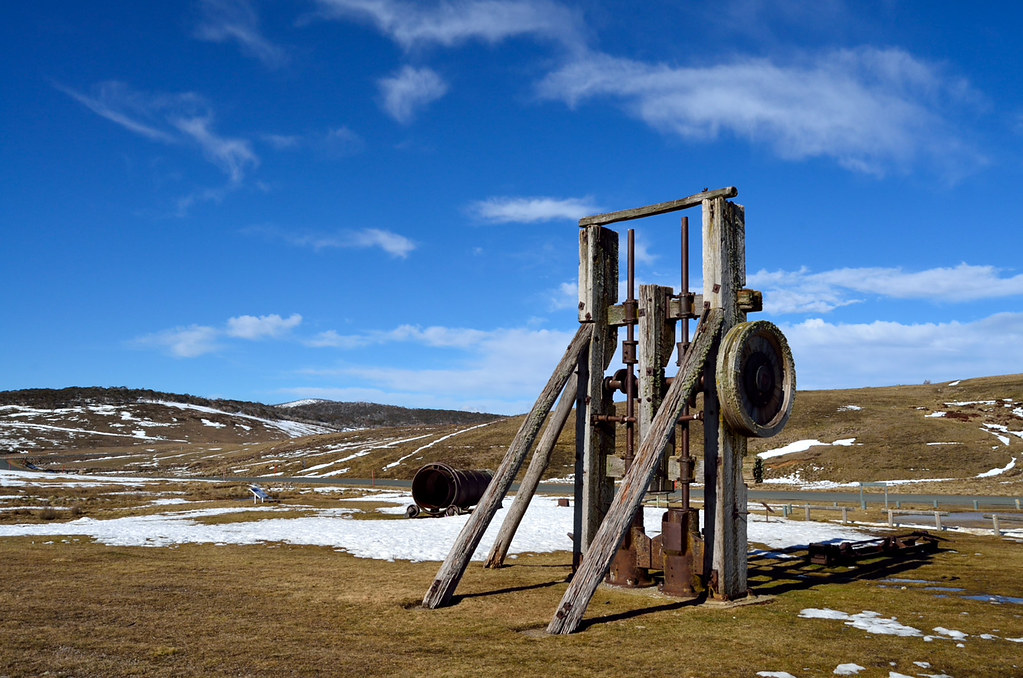
New Chum Hill Ruins

Remnants of Kiandra gold mine at New Chum Hill, #nsw #australia

September 09, 2011

The Facebook Status Controversy

Facebook is becoming a popular social media in Bangladesh like the rest of the world. It is not only limited to interaction between friends but also used as an useful tool to disseminate news and information. More importantly Facebook is also being used to discuss political views.
Bangladeshi Facebook users frequently express their opinions, anger, rights, likes and dislikes and some of them are filled with emotions. Once someone posted this status in a Facebook wall which became viral: “I may be poor, but I have a Status”. Now this slogan also has a separate Facebook page.
Facebook Status
Image by Flickr user Christy Sheffield. CC By-NC 2.0

But sometime your Facebook status can bring peril. Ruhul Amin recently has been in trouble because of his Facebook status. The recent death of prodigies Tareq Masud and Ashfaque Munier in a road accident has lead many users venting their reactions and anger in Facebook. Ruhul also expressed his strong reactions which led to actions against him as initiated by the Bangladesh High Court.
What was Ruhul's status? BDNews24blog [bn] quotes from the web news network BDNEWS24.com:
The Highcourt has asked why Ruhul Amin Khondker, a teacher living abroad, won't be brought to justice because he expressed that the Prime Minister should die.
The blog informs:
Ruhul, a lecturer of The Institute of Information Technology of Jahangirnagar University is now on a study leave in Australia. Ruhul had posted a Facebook status where he expressed “why the prime minister do not die”. This was prompted by the reaction to the death of five persons including internationally renowned filmmaker Tareq Masud and the CEO of the TV channel ATN News Ashfaq (Mishuk) Munier in a road accident near Manikganj. A local newspaper carried the story on the Facebook status of the teacher. The court learned the news and took a Suo motu action.
Mr. Ruhul posted two statuses on his wall. He wrote on Saturday 7.40 pm: “the consequence of issuing driving license without written exam - five dead including Tareque and Mishuk Munier. Everybody dies except the prime minister”. Another status on Sunday morning at 4:59 am read: “Driving License without written exam? Can you imagine this in any civilized society? Where the whole world is becoming strict on issuing driving license, the Hasina government is issuing license without examination.”
The main anger behind the status is the reaction to the news [bn] that the Shipping Minister had requested the Roads and Highways Minister that 21000 applicants (some claim 24000 people) should be provided [bn] driving license without completing all the tests (since many are not literate enough).
The post at BDNews24blog attracted many comments [bn]. Some supported Ruhul and some had other ideas.
Rabbani said:
I also support Ruhul's status and term the rule of the highcourt as a misuse of power and rule of law and it is agaisnt the human rights of common people. Ruhul with his words has protested against the negligence of the political leaders about the 12000 deaths on the road each year.
Mohammad Morshed Alam thinks this law is a blow to the freedom of speech. He comments:
Isn't attack on freedom of speech against democracy? Hasn't this weakened the trust on our judicial system? Dear judges - please refrain from taking away the hast hope of the citizens. (Friday the 19th of August)
Mohsin Rahman says:
The teacher commented from his personal anger which in fact reflects many citizen's thoughts. What the teacher couldn't do was achieved by those judges. The issue has been highlighted and publicized by the media. (Friday the 19th of August)
Hasan says:
I fear to comment on this, if accusations against me are brought for contempt of court! :P (Friday the 19th of August)
Ratan Adhikary says these comments are out of line. He says:
This is way out of line. What Part-time lecturer Muhammad Ruhul Amin Khondoker said cannot be supported in any way. We hope Mr. Ruhul and his supporters become aware of their behavior. (Friday the 19th of August)
Netpoka says:
This type of comment is very indecent. But on what basis is this against the law, can anyone tell? (Friday the 19th of August)
Extreme regulations lead to censorship. Image by Flickr user publik15 (CC BY 2.0).
Anik Iqbal is a blogger. He posted in a group mail of the students of Jahangir Nagar University (published with permission):
I am interested to see whether government can really strongly build the case and justify their argument. but if they decide to go for it, a lot will be at stake. the government's character as the protector of its citizens' personal rights will be in question. again, their attitude might be termed as oppression and silencing people's opinions by force. whether or not they win the case, chances are that it will damage their image, which is already in jeopardy.
Ruhul Amin gave an interview via email to Bangla News [bn] where he provided the context of his statements:
Dear brothers and sisters:
I should not reiterate what we have lost in the tragic death of Tareq Masud and Mishuk Munier. The day they died I was reading online versions of Bangladeshi newspapers. I also tried to find other news items on this. I was moved by the hundreds of comments left on those news items. I was so full of emotion, I compiled some of the quotes and posted in my status.
He added:
I say without any hesitation that I do not have any personal grudge against the Prime Minister and do not pose any threat against her by my status in any manner. I just wanted to share with my friends the reactions of common people on that road accident. So by terming this statement as completely my own statement is against the truth. I have trust on my Prime Minister, especially as a teacher of an independent university. Moreover, if that status hurt others feeling I am truly sorry for that.
Ruhul ends with this:
The misinterpretation of the status has lead to unwanted consequences. I hope the unfortunate matter will end here.
Anik conludes:
I am keenly following the developments. this case, at the least, will decide the future of the flourishing of electronic media and define people's right to share their opinions over this very modern and powerful medium.
This post was originally written in Bangla by Bijoy in GV Bangla. Translated by me for Global Voices.

September 01, 2011

Bangladesh: Coming Home For Eid

Eid is the biggest religious festival in the Muslim majority country Bangladesh, and a key part of the celebration is going home to celebrate with family in distant places.
During Eid, many inhabitants of the capital Dhaka go back to their hometown to spend the holidays with family. Nasirudding Hozza [bn] explains in a post titled “Coming Home For Eid”:
The majority of residents in Dhaka, who have come here for livelihood, have come from other districts. But they miss their home, where their roots are. Their home can be just in the outskirts of Dhaka or in a distant rural village. During Eid they have to get back their home near or far.

People gather at various train stations in Dhaka to leave the city to celebrate Eid with their friends and families. Image by Saad Shahriar, copyright Demotix (15/11/2010).

There are no statistics available on how many people return home during Eid. Nasiruddin Hozza mentions that the population of Dhaka is approximately 9.6 million at present. If 40% of them go home then the number can reach 3.5 million.
That means Dhaka would be half empty by then. Many people start their journey towards home long before the official Eid holidays. The citizens of Dhaka becomes happy, because the bustling megacity seems less crowded.

Facebook user Amanullah bin Mahmud's home town is Sirajganj, far away from Dhaka. He will travel by rented car the day before Eid. But for those who avail public transport, this journey can be a unhappy affair; it's virtually impossible to get tickets, and they have to pay much more.

Uzzal [bn] says in a post titled “My dreams will travel home: on broken roads”:

No tickets are available for bus train or domestic airlines. Those who with high hope queue for the whole night at the ticket counters are not sure whether they will have the last laugh. After a sleepless night enduring countless mosquito bites, if they really get a ticket, imagine how happy they could be. Only those who have gone through this ordeal will understand. But not everyone is lucky. Tickets are quickly sold out once the counters are open. Many dreamers are left stranded empty handed.

Queue for advance tickets at Kamalapur railway station. Image by Safin Ahmed, copyright Demotix (12/08/2011).

He also shared his own experience:
I had to struggle too. But the fight this year was the hardest in my life. I used to avoid the ticket counters of public transport in the recent years. I would travel by a domestic airlines to Jessore, then reach Khulna by airlines bus. Dhaka-Jessore in 35 minutes and to Khulna in 50 minutes more, that's it. This time I was in trouble. The local airlines were booked. I could not manage a ticket, but I have to get home.
Uzzal had to pay a lot extra for his ticket home. Many resorted to Facebook to help others who could not manage a ticket. For example, renowned writer Anisul Haque informed in a Facebook status [bn] that he had extra tickets for five air conditioned seats on the Dhaka- Rangpur express train.

And getting a ticket does not confirm that you can reach home. Blogger Mamu [bn] says in a post titled: “In spite of all have to get home”:
The only ship for Sadarghat-Swandeep route is out of order. There is scarcity of ships in river transport. The roads across Bangladesh are shabby (Editors note: because of heavy rains this monsoon). The traffic jams will add to the misery. The train service do not have enough engines to run extra compartments. The people will face trouble to reach home. Those who start the journey just before the Eid day, God knows whether they will be able to reach home on Eid day.
People risk over crowded passenger ships to reach home during Eid. Image by Maji, copyright Demotix (26/11/2009).

Each year there are accidents in roads and rivers and many die as a consequence. In 2009 hundreds of people died as a passenger ship was drowned in the ricer. D. M. Habib [bn] opines that the government is not doing enough:
A passenger ship with people bound for home during Eid was submerged (in 2009) due to extra load. Hundreds of people died. Each year during the time of Eid, Buses, trains and ships carry extra passengers. The government do not take any step to prevent these. The general public do not follow pre-cautions which lead to deaths. But the government cannot avoid its responsibilities. Proper investigation should be carried out to find out the people responsible for the negligence.
But every year the situation remains the same. As the travelers are greater in numbers comparing to the transports available, people have no choice to take risks to go home during Eid.
Nasirudding Hozza [bn] concludes:
Eid celebrated with family is filled with a lot of happiness because of the struggle to reach home.
The post was originally written by Bijoy and was translated by me for Global Voices Online.

August 24, 2011

This is supposed to be me


This explains why I am blogging less. Via: webify Me.

August 01, 2011

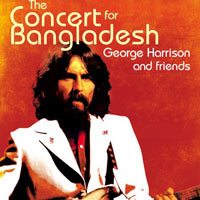
40th Anniversary of The Concert For Bangladesh

Ever since Bob Geldof and Midge Ure arranged Live Aid, a dual-venue concert to raise funds for relief of the Ethiopian famine on 13 July 1985, which was aired to 2 million viewers from 150 countries, such benefit concerts have become widely popular in the world. But in the backdrop of this event was the Concert For Bangladesh, the two benefit concerts organized by musicians George Harrison and Ravi Shankar on August 1, 1971, which is not known to many people. Bangladeshi bloggers celebrate the 40th anniversary of that epic event and tell the world why it matters for Bangladesh.

Naadir Junaid at Sachalayatan provides the background of that historical event:

১৯৭১ সালের আগস্ট মাস; এক ভয়াল সময় অতিক্রম করছে বাংলাদেশের অগণিত মানুষ। বিশ্বের বৃহৎ পশ্চিমী রাষ্ট্রগুলি বাংলাদেশে পাকিস্তানী সামরিক বাহিনীর গণহত্যা আর ধ্বংসযজ্ঞের ব্যাপারে সচেতন হচ্ছে না। বাংলাদেশের মানুষের যৌক্তিক দাবী দমন করার জন্য পাকিস্তানী সামরিক সরকার বেছে নিলো নির্মম সামরিক আক্রমণের পথ; অজস্র বাঙালী তাদের ঘরবাড়ি ছেড়ে, কেবল প্রাণ বাঁচানোর তাগিদে ভারতে শরণার্থী হিসেবে আশ্রয় নিলো। শুরু হলো বাংলাদেশের মুক্তিসংগ্রাম। অথচ ক্ষমতাধর মার্কিন যুক্তরাষ্ট্র বিশ্বের এই প্রান্তে নিজেদের রাজনৈতিক প্রভাব টিকিয়ে রাখার জন্য নতুন দেশ হিসেবে বাংলাদেশের আবির্ভাবের বিরোধিতায় ব্যস্ত। বাংলাদেশের শরণার্থীদের আশ্রয় দেয়ার জন্য, বাঙালী মুক্তিযোদ্ধাদের সমর্থন করার জন্য ভারতের প্রধানমন্ত্রী ইন্দিরা গান্ধী তখন নিক্সন প্রশাসনের চক্ষুশূল।

It was August 1971; many people of Bangladesh were going through a terrible time. The important Western countries were not becoming aware of the repression and genocide of the Pakistani army in Bangladesh (then East Pakistan). The Pakistani army chose to militarily tackle and silence the valid demands of Bangladeshi civilians. Millions of Bangladeshis left their home to run for their lives and many ended up in refugee camps in neighboring India. But the mighty United States kept resisting the advent of a new country named Bangladesh just to maintain their political interests in this region. The Indian Prime Minister Indira Gandhi was resented by the Nixon administration because she sheltered the Bangladeshi refugees and aided the freedom fighters.

এমন পরিস্থিতিতেই ১৯৭১ সালের পহেলা আগস্ট বাংলাদেশকে সাহায্য করার জন্য বাংলাদেশের স্বাধীনতা যুদ্ধের প্রতি বিরূপ মার্কিন যুক্তরাষ্ট্রেই আয়োজন করা হয় এক অসাধারণ কনসার্ট, যা ইতিহাসে স্থান করে নিয়েছে বিভিন্ন কারণে। এর আগে কখনো একদল অসম্ভব খ্যাতিমান এবং বরেণ্য সঙ্গীতশিল্পী কোন দেশকে সাহায্য করার জন্য একসাথে কোন অনুষ্ঠানে অংশগ্রহণ করেননি; ইতিহাসে এমন কনসার্ট এই প্রথম। এই কনসার্ট অগণিত মানুষের সামনে তুলে ধরে সঙ্গীত আর শিল্পের শক্তি, যে শক্তি অতিক্রম করে যায় অনেক রাজনৈতিক শক্তিকেও। নিউ ইয়র্কের ম্যাডিসন স্কোয়্যার গার্ডেনে উপস্থিত হওয়া বহু মার্কিন তরুণ-তরুণী দেখতে পান তাদের প্রিয় সঙ্গীতশিল্পীরা তুলে ধরছেন মানবতা আর বর্বরতার পার্থক্য, আর তাঁরা সবাইকে আহ্বান জানাচ্ছেন অসহায়, অত্যাচারিত মানুষের পাশে দাঁড়াবার জন্য যখন তাদের দেশের সরকারকে বহু নিপীড়িত মা আর শিশুর ক্রন্দন স্পর্শ করছে না। রবি শঙ্কর কনসার্টে আসা অসংখ্য দর্শকদের উদ্দেশ্যে বলেন, “আমরা কোন রাজনীতি করতে আসিনি; আমরা শিল্পী। আমরা শুধু আমাদের অনুষ্ঠানের মধ্য দিয়ে একটি বার্তা পৌঁছে দিতে সমবেত হয়েছি। আমরা চাই আমাদের সঙ্গীত আপনাদের বাংলাদেশের মানুষের তীব্র বেদনা আর মনোযন্ত্রণা অনুভব করতে সাহায্য করুক”।

In this circumstance a concert was arranged on the 1st of August 1971, in the very place USA, which was not in favor of Bangladesh's Liberation War. This concert has been en-grafted in history for several reasons. Never before so many talented and popular artists had gathered to help a population, a country; such event is the first in history. This concert shows people the power of music and arts, which overshadows political powers. Many young men and women standing in the Madison Square Garden had witnessed in front of them how their beloved musicians portrayed the difference between humanity and barbarism, how they appealed to people to stand by the helpless, tortured people when their government was not being touched by the plights of the repressed mothers and the crying children. Ravi Shankar said to the crows: "We have not come for politics; we are musicians. We have gathered to spread only one message. We want you to feel the deep pain and plights of the people of Bangladesh through our music."

My friend came to me,
With sadness in his eyes,
He told me that he wanted help,
Before his country died,
Although I couldn't feel the pain,
I knew I'd have to try,
Now I'm asking all of you,
To help us save some lives
(Bangladesh: George Harrison)

Naadir remembers that the song Bangladesh by George Harrison gave him shivers and inspired him when he listened to it after 20 years and still the song produces the same reaction.

Valobashar Deyal (Wall Of Love) pays tribute to the musicians:

সবসময়ের শ্রদ্ধা আর ভালবাসা থাকবে এই সব গুনী মানুষদের জন্য,যাদের প্রান কেদেছিল এই আমার মাটি আর মানুষের জন্য ১৯৭১ এর স্বাধীনতা সংগ্রামকালীন সময়ে। [..]

কেন জানি বিশ্বাস হয় সেই সময়ের কনসার্টে যারাই দর্শক হিসেবে অংশ নিয়েছিল তারা সবাই ই আমাদের দেশের শুভ কামনার জন্যই জড়ো হয়েছিল।

Our gratitude and respect will forever be with these talented people; who felt and cried for our people and country in 1971, during our liberation war.

I believe that those who came to the concert had good wishes for our people.

Bangladesh, Bangladesh
When the sun sinks in the west
Die a million people of the Bangladesh
….
And the students at the university
Asleep at night quite peacefully
The soldiers came and shot them in their beds
And terror took the dorm awakening shrieks of dread
And silent frozen forms and pillows drenched in red.. (Joan Baez)

Some 40,000 peoples attended the Concert For Bangladesh and $243,418.50 was collected from the event and was given to Unicef for the war affected children of Bangladesh. The sale proceeds of the album and DVD continue to benefit the George Harrison Fund for UNICEF.

To celebrate the 40th anniversary of the Concert for Bangladesh, The George Harrison Fund for UNICEF is streaming the video of the entire concert HERE till 1 August, 2011 11:59PM EDT.

Image Courtesy Omi Rahman Pial


Omi Rahman Pial at Somewhereinblog reminds [bn] everyone of another forgotten benefit concert for Bangladesh, which took place in Kennington Oval in London on the September 18th, 1971. The advertisements for the event titled Goodbye Summer clearly stated that it was "A Rock Concert In The Aid Of The Victims Of Bangladesh". The artists included The Who, The Face (vocal: Rod Stewart), America, Mott The Hoople etc.

Mosaddik Uzzal informs [bn] that the Bangladesh government will be awarding different merits to foreign friends who helped Bangladesh and Bangladeshis during the liberation war in 1971. The list includes musicians George Harrison, Bob Dylan, Joan Baez and Pandit Ravi Shankar among many.

First Published in Global Voices Online

July 29, 2011

Bangladesh: Indigenous or Not Indigenous, That Is The Question

Almost 98% people of Bangladesh are Bengalis and they speak the Bangla language. The minorities include Chakmas, Khasi, Santhal and other tribes numbering more than a million (about 1.2% of total population) who mostly live in the various hilly regions. Chakmas are ethnically Tibeto-Burman, and are closely related to the Himalayan tribes. According to history, they are originally from Arakan (present Rakhine State of Burma) who hundreds of years ago wandered and settled in different parts of India and Bangladesh.

In recent months many Bangladeshi indigenous people have taken the streets holding meetings, human chains and rallies, demanding constitutional recognition of their population. The 'indigenous' debate arose after some remarks of a special parliamentary committee working to amend the present constitution reverting back to the 1972 constitution. There was no reference of tribal or indigenous people in Bangladesh’s first constitution of 1972 where it was mentioned that Bangladesh would be the land of Bengalis.

The parliamentary committee said that it would recommend recognizing them as “small ethnic groups” and questioned: “Would Bangalees [Bengalis] be termed ‘intruders’ or ‘invaders’ if the ethnic groups are called adivasi (indigenous)?”.


Members of indigenous communities demanded their recognition in the constitution as “indigenous people” instead of tribal or proposed “minority ethnic group” at central Shahidminar in Dhaka, Bangladesh. Image by Abu Ala, Copyright Demotix, 29 April 2011.

The state minister for cultural affairs Pramod Mankin said:

“There is no question that indigenous people would receive constitutional recognition. The debate is in how will they be recognised.”

“The government is reluctant to recognise indigenous people as “indigenous” as it questions ethnicity of the country's native Bangalees.

Monjurul Haque at the Indigenous Bangla blog writes [bn] about the complexity of the situation:

শাসকদের পক্ষে বলা হচ্ছে- ‘পাহাড়িরা পাহাড়ের আদিবাসী নয়’! ‘বাংলাদেশের সংবিধান মানার কারণে পাহাড়েও বাঙালিদের সমান অধিকার’। ‘বাংলাদেশের সংবিধানের আলোকেই পাহাড়িদের বাংলাদেশের নাগরিক হিসেবে সমতলের নাগরিকদেরকেও মেনে নিতে হবে’। অসহায় গরিব সেটেলারদের ধরে ধরে পাহাড়ে পাঠানোর পর বলা হচ্ছে-‘পার্বত্য চট্টগ্রামের চাকমারা বার্মার আরাকান প্রদেশ থেকে এসে এদেশে বসতি স্থাপন করেছে এবং তারাই বহিরাগত!’

The authorities are telling - “The people of the hills are not indigenous people. As constitution of Bangladesh applies everywhere, Bengalis have equal rights to lands in the hills." The people of the hills are also citizens of Bangladesh (not indigenous) - that is also reminded in the constitution. They are sending destitute Bengali settlers to the hills on the ground that “the Chakmas have settled in the hills from their origin – Arakan region of Barma, so they are also settlers”.

It may be mentioned here that the tribals in Bangladesh have been subjected to human rights abuse for long by the Bengali settlers.


Tribal indigenous people of Bangladesh in the Chittagong Hill Tracts. Image by Anwar Hussain. Copyright Demotix 7/8/2010.

Shimon Baskey mentions [bn] what the people of the hills think on this issue:

আদিকাল থেকে আমাদের নিজস্ব ভাষা, সংস্কৃতি, কৃষ্টি, আচার-আচরণ একই, এর কোনো পরিবর্তন হয়নি। আমরা এই দেশের ভূমিজ সন্তান। আমাদের পূর্ব-পুরুষরা কারো জায়গায় বা অন্যকারো দ্বারা বসতি স্থাপন করেনি। তারা এই দেশের বন-জঙ্গল পরিষ্কার করে নিজেরা চাষের উপযোগী করে ওই অঞ্চলে প্রথম বসতি গড়েছে। দেশ বিভাগের সীমানা নির্ধারণ করার আগেই তারা বংশ-পরম্পরায় সে সব এলাকায় বসবাস করছে।

Since ages our own language, culture, beliefs and rituals are the same, nothing has changed. We are people of this land. Our forefathers did not settle in someone else's land or were inhabited there by someone. They were the first settlers by clearing forests and preparing lands for cultivation. They already had been living there for generations long before boundaries were demarcated.

Sarkar Amin recognizes [bn] the plights of these people:

মঙ-মঙ বান্দরবানের এক পাহাড়ে তোমার সঙ্গে পরিচয়। আমি বাঙালি তুমি পাহাড়ি। তুমি আর্টিস্ট। আমি কবিতা লিখি। আমাদের দ্রুত বন্ধুত্ব হলো। তোমার নিষ্পাপ হাসির আড়ালে কোনো কষ্ট কি ছিল বন্ধু?

সংকট আছে। পাহাড়ের জনতা জাতিসত্তার সাংবিধানিক স্বীকৃতি চায়। আদিবাসী হিসেবে অভিহিত হতে চায়। শান্তিচুক্তির ন্যায়সঙ্গত বাস্তবায়ন চায়। বাংলাদেশের শাসক শ্রেণী আদিবাসীদের শতভাগ সাম্যমূলক অধিকার দিতে এখনো আগ্রহী নয়। দুঃখ ও সংকটের এটাই মুল কারণ।

Mong Mong, I first met you in a hill of Bandarban. I am bengali and you are from a tribe. You are a painter and I am a poet. We become friends at once. Was there a pain deep inside your innocent smile? [..]

There is a crisis. The people of the hills want constitutional recognition of their population. They want to be termed as "indigenous". They want implementation of the peace accord. But the ruling elites of Bangladesh do not want recognition of equal rights of the people of the hills. This is the main reason of the pain and the crisis.

Jewel Bin Jahir reminds [bn] how the indigenous minorities feel as their language, culture and beliefs are neglected in the constitution:


আমরা আমাদের বিজু, বৈসু, কারাম, ওয়ান্না, সোহরাই দ্বারা নিজ নিজ শ্রেষ্ঠত্ব প্রমাণ করতে চাইনি। আমাদের সাংসারেক, লালেং, শারণা কেন্দ্রিক বিশ্বাস কখনো অন্যের উপর চাপিয়ে দেওয়ার চেষ্টা করিনি। আমাদের আচিক, চাকমা, ককবরক, ঠার, মুন্ডা, সান্তালী ভাষা দিয়ে জগতের অন্য কোন ভাষার উপর আধিপত্য প্রতিষ্ঠার চেষ্টা চালাইনি।

কিন্তু তারবাদেও আমাদের হাবা-জুম, জংলা-জঙ্গল সব দখল হয়ে যায়। আমাদের নিজ নিজ মায়ের ভাষা কোনঠাসা হয়ে পড়ে। আমাদের আপন আপন বিশ্বাস অশূচি হয়ে যায় দাপুটে বিশ্বাসের প্রতাপে।

We had not tried to prove our supremacy by our Biju, Baisu, Karam Wanna, Sohrai (festivals and rituals). We had not tried to impose our Sangsarek, Laleng, Sharna centric beliefs to anyone. We had not tried to overwhelm other languages of the world by our Achik, chakma, Kokborok, Thar, Munda, Santali languages.

But still our Haba-Zoom(plantations), forests and ditches are being dispossessed. Our mother tongues are being ignored. Our own beliefs are deemed as impure, illogical by influential and imposing beliefs.

The debate further escalated as the foreign minister of Bangladesh commented recently that the term "indigenous" for the people of the hills in Bangladesh is a misnomer:

"In the constitution, all minorities were recognised generically as minorities, and through the 15th amendment, the present government has categorised them as 'ethnic minorities' and no longer only as 'tribal' people."

She also said:

“Giving a special and elevated identity to enfranchise only 1.2 percent of the total population of 150 million by disentitling the 98.8 percent cannot be in the national interest of Bangladesh."

She reminded about the 4000 year old tradition of the Bengalis in this land:

“The ethnic Bengalees are not colonial settlers, neither are they foreigners or non-indigenous to their own native land and never will be.”

Biplob Rahman, a journalist and a blogger protests [bn] the government's stand that there is no indigenous people in Bangladesh. He quotes from Chakma King and member, UN Permanent Forum On Indigenous Issues, Debashish Roy's recent rebuttal [bn]:

সাংবিধানিকভাবে 'আদিবাসী' স্বীকৃতি দিলে মূল ধারা থেকে বিচ্ছিন্ন, প্রান্তিক ও অনগ্রসর এই ১ দশমিক ২ শতাংশ মানুষ তাদের প্রান্তিক অবস্থান জানানোর একটি আইনি ভিত্তি পাবে। এই মর্যাদা তাদের কোনো 'বিশেষ' সুবিধা দেবে না।

If the government recognizes “indigenous people” then this marginalized and underdeveloped 1.2% population will have a legal ground to fight for their rights. However, this recognition will not give them any special rights.

Biplob reminds that the incumbent Prime Minister Sheikh Hasina, had given statements on the International Day of the World's Indigenous People several times terming the people of the hills as indigenous people.

He quotes an article of a local newspaper [bn], where it was reported [bn] that:

জানা গেছে, 'আদিবাসী' অভিধা ব্যবহার করলে সরকারকে বিভিন্ন জাতিসংঘের সনদে স্বাক্ষর করতে হয়। সে ক্ষেত্রে পার্বত্য চট্টগ্রামসহ দেশের আদিবাসী অধ্যুষিত অঞ্চলে মানবাধিকার লঙ্ঘনের ঘটনায় জাতিসংঘের সরাসরি হস্তক্ষেপ করার সুযোগ থাকে। এ পরিস্থিতি এড়ানোর জন্যই বাংলাদেশ সরকার কৌশলগত অবস্থান নিয়েছে। এ ক্ষেত্রে এ দেশের প্রভাবশালী রাজনৈতিক দলগুলোর অবস্থান অভিন্ন।

It has been learnt that if the “indigenous term” of any minority population is established then a country is subjected to sign several declarations of United Nations. In that case United Nations can intervene to investigate attacks on human rights of the indigenous population. So the Bangladesh government has taken this stance (of not terming them "indigenous"). In this issue all the major and influential political parties of Bangladesh share same ideology.

Mithusilak Murmu notes [bn] that at present there are certain quotas in the Government services and public education institutions for the indigenous people and wonders whether the present proposal of the Government will lead to change in the practice of the issuance of “indigenous certificates” for the population of the hills.

Around 370 million indigenous people in 70 countries of the world are subject to marginalization and mistreatment. These people in Bangladesh and elsewhere are facing similar problems and are fighting for their identity, land and way of life.

First Published in Global Voices Online

Language map of Bangladesh - Image courtesy Wikipedia. Used under a CC License

July 24, 2011

Sneak peek at Doel Basic Model

Intel ATOM Processor N455 1.66 Ghz
Memory 1GB
10.1 inch WXGA LED Backlight
Graphics Intel GMA 3150
Camera 1.3 megapixels
Hard Disk SATA 250 GB
Bangla/English keyboard
Ethernet/Wifi/Bluetooth
USB 2/Multi card reader/ HD audio
3 cell battery
Warranty 1 year
Manufactured by Telephone Shilpa Sangstha (TSS) Bangladesh
Price BD Taka 13000 (USD 175)

Primary Model BDT 10,000/Standard Model BDT 20000/Advanced Model BDT 26000

July 19, 2011

Why Bangladesh broke free from Pakistan in 1971

I would like to translate this short story someday to English (from Bengali). The story in short: Ms. Lydia Edith, a British school teacher attended a social gathering of South Asians in London and was wondering why Bangladesh got independence from Pakistan in 1971. In that meet a Bangladeshi student sang a beautiful Ghazal in Urdu which was much appreciated by everybody including a Pakistani professor present there. Ms Edith asked the Pakistani professor to sing a Bengali song. The professor politely refused saying that he does not know any Bengali song. Ms Edith persisted - at least one line? The Pakistani professor turned pale from shame - sorry not even a line. And suddenly Ms Edith knew why Bangladeshis broke free from Pakistan's imperialism in 1971.