Dragonfly

Image by Rezwan

Overcrowded passenger ferry capsized in the Padma River in Munshiganj, Bangladesh

The World Cup Goal-E Project

This street in Bangladesh has a colorful world cup celebration

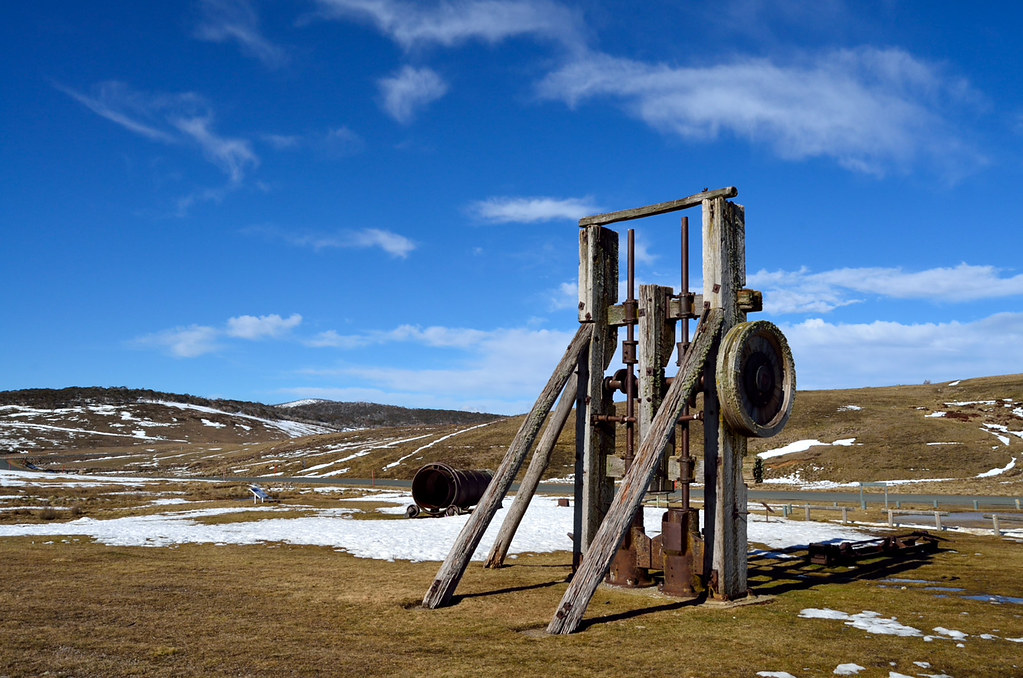
New Chum Hill Ruins

Remnants of Kiandra gold mine at New Chum Hill, #nsw #australia

April 29, 2011

The Indigenous Online Activists Get Noticed

Not long ago I wrote about the Adibashis struggle to make their voices heard to depict how they are repressed by the Bengali settlers. Al Jazeera took notice of their efforts and has posted a roundup in their program website "The stream" which also quoted from my blog.

Here is a video clip of the program including interviews of bloggers.


Don't forget to watch the program.

More international news:

* IRIN

* Amnesty International

April 22, 2011

Bangladesh: Netizens Protest Human Rights Abuse in the Hills

Although outnumbered by the Bengali population, the close to one million indigenous and aboriginal population of Bangladesh live mainly in the Chittagong Hill Tracts. Over the years they have become vulnerable minorities.

During the 1970s and 80s, the government took steps to resettle Bengali homeless people in the three hilly districts of Bangladesh. There were resistances and insurgency by the local indigenous people and these previously tourist places became a protected militarized zone.

For decades Bengali settlers and soldiers have been accused of human rights violations against the tribal minorities while members of the Shanti Bahini and other rebel indigenous groups have committed similar violations, including the massacre of unarmed Bengali settlers. The 1997 Peace Treaty with Shanti Bahini granted a limited level of autonomy and stemmed the violence but the problem was not solved.

Settlements in the hills.  
Settlements in the hills. Image by Flickr user Nurulamin Russel (CC BY-NC-ND 2.0)

Recently ethnic violences sparked again and news media reported that four Bengali settlers were killed and 50 others were injured in Ramgarh on Sunday April 17, 2011. According to a statement by Amnesty International:
The latest round of tensions began on 14 April when a group of Bengali settlers occupied and tried to plant crops on areas within the Jumma’s ancestral lands, in Khagrachari District in south-eastern Bangladesh. After three Bengali settlers were killed on 17 April, allegedly by Jumma people, settlers looted surrounding indigenous villages and injured people, burning at least 60 homes.

Indigenous sources say they informed the local authorities – including the army, which has a heavy presence in the area – of the settlers’ movements, but they failed to act on the information.
The voices of the indigenous people are rarely heard in the mainstream media but through the Internet - blogs and Facebook - they have found a platform from which to be heard. In the Facebook group CHT Voice people have been wondering why only the casualties of Bengali settlers are being reported. Radhamon wrote:
News are being filtered, and media is BIASED. They DONT LIE, but they DONT TELL THE TRUTH.
A new blog called CHT News Update has this question:
Bangladeshi mainstream media has been overflown with biased news about Ramgarh incident. The journalists try to retain objectivity in their news. However, all news articles are being filtered by the security forces before they get published and thus the public is not made aware of the real story. If you look at the the Bangladeshi dailies, you will see news and pictures of injured and dead Bengali settlers. How come they never dare to publish the pictures of these injured Indigenous people?
Blogger and journalist Biplob Rahman writes at the Indigenous Bangla Blog [bn]:
Those who have tried to gather news on their own initiative, have learnt that although the majority of casualties are Bengalis but they were the first attackers. The indigenous people have tried to resist with their scanty resources. Not only that, the cause of the violence, the land dispute, was generated as the Bengali settlers tried to grab the lands of the indigenous Marmas living there.
Unheard Voice blog posts a round up of mainstream media news and also some news, images and video obtained via email.

Another blog CHTBD.Net is reporting that the number of houses of locals burnt are 95, and 4 indigenous persons are confirmed missing. In an interview Polen Chakma describes how he escaped death on April 17.

Anandi Kalyan quotes one of her friend's Facebook messages to describe [bn] how these incidents are accumulating hatred against Bengalis amongst the indigenous people:
There are unrests in the hills for decades. Let alone the statistics quoted in the media, I know from personal connections that my indigenous friends are victims one way or another. When I went to visit places like Bandarban, Rangamati, Teknaf and Cox's Bazar I saw that many businesses and settlements are owned by Bengalis. Those who are aboriginal there are cornered now. The hills have become agitated yet again and we are reading reports on attacks against Bengali settlers. The repressions against the indigenous people are being blacked out.

When I speak with my aboriginal friends hatred are forming inside them because of our land grabbing mentality. My friend, who remained apolitical over the years now also think of armed resistance.

We should not only think about the Chittagong Hill Tracts as an 'awesome' touristic place. To what extent we think about the well beings of the indigenous people living there?

An indigenous family in the Chittagong Hill Tracts. Image by Flickr by Jonas in China (CC BY-NC-SA 2.0). 
An indigenous family in the Chittagong Hill Tracts. Image by Flickr user Jonas in China (CC BY-NC-SA 2.0).

Blogger and Journalist Arif Jebtik writes [bn]:
There comes a time when civil societies have to stand on their feet and boldly say the truth. The situation on the hills is demanding the same from us. The hills are for the people of the hills, you cannot hide the truth trying to impose logics of political science. The politicians have resettled homeless Bengalis in those hills. They had to build settlements for them and had to deploy army for their security. The problem starts here. We at the same time have endangered homeless Bengalis, our security forces and of course the indigenous people.

The only way to solve all problems persisting in the hills is to remove all the Bengali settlers.


First posted in Global Voices online

April 19, 2011

BBC is cutting back its foreign language services


For millions of people around the world, especially in South Asia BBC broadcasts in their own language meant an alternative voice than the monotony or propaganda of their state broadcasts. In Bangladesh a place has been named BBC Bazaar to mark the trend - rural people typically gather around radios in public places (eg a market) to listen to BBC broadcasts.

BBC cutting back on broadcast services in Hindi, Mandarin, Russian, Turkish, Albanian, Vietnamese and many other languages due to budget constrains. For many of the languages their radio broadcasts will become internet webcasts.

Fareed Zakaria at CNN writes:
But to take two examples: China has only 20 percent Internet penetration and India, just 5 percent.

Maybe there is a billionaire out there who could fill this budgetary gap.

March 08, 2011

Fans say sorry to Shakib's Mother


In Bangladesh Facebook users are growing rapidly (1,452,760 users according to Facebook stats). And with this huge user base it is natural that social activism are being organized in Bangladesh through Facebook. I have seen many such efforts in the past - like collecting winter cloths, collecting signatures for petition etc.

After the Mirpur debacle of Bangladesh cricket the Lets Say Sorry To Our Guests Facebook group has accomplished a commendable task in sending apologies and flowers to the West Indies cricket team.

The same Facebook group has accomplished another notable task. They have gone to Magura, the hometown of Shakib, the Bangladesh captain. Stones were thrown at his house too. They presented flowers to sakib's mom and gave some letters of few fans of cricket and a formal letter.


According to a Facebook note of Foisal Masum, member of the group (translated):

We are very emotional as a nation. So sometime our outburst of emotion becomes excess. But time has changed..this is not the middle ages...this is not the era of the Mughals..when showing muscle power and supremacy were the sign of the strength of the nation.

Our education, our achievements are announcing that time has changed, this is the time to change.

At this moment, during world cup, the media of the whole world are looking at us..now if we engage ourselves in fighting, bickering etc. for the sake of letting out emotion.. (this will be public)..

Let us keep the bad incidents within the country, try to fix them, let us refine the way we express emotion..let us stay away from yellow journalism.

Image Credit: Sunny and Lalon Jamil

March 06, 2011

Protests Against Removal of Nobel Laureate Dr. Muhammad Yunus From Grameen Bank

It all started with Tom Heinemann’s documentary “Caught in Micro Debt” which was aired on the 30th of November, 2010 on the Norwegian state Television. This had set off a chain of events which triggered much controversy on microcredit and Bangladeshi Nobel Laureate Dr. Muhammad Yunus and resulted in the investigation of operations of Grameen Bank, which he founded.


Image courtesy World Economic Forum. CC BY-SA

In a latest development of this saga, the central bank ordered the removal of Yunus (70) on the grounds that he had overstayed as head of Grameen operations violating the law (the retirement age in commercial bank is 60). Dr. Yunus is challenging this in court and thousands of supporters protested across the country against his removal. This has made the headlines of many media.

The fingers are pointing towards the government as the earlier reaction of Bangladesh's Prime Minister Sheikh Hasina was a bit too harsh - as she mentioned "in the name of poverty alleviation he (Yunus) is sucking blood from the poor".

Ireen Sultana at BDNews24 Blog explains:

একজন সরকার প্রধানের মুখ থেকে এ ধরনের বক্তব্য সুষ্পষ্টভবাবে সরকারি অবস্থান এবং মনোভাবকে নির্দেশ করে। আর তাই যতই বলা হোক না কেন গ্রামীণ ব্যাংকের ব্যবস্থাপনা পরিচালক পদ থেকে ডঃ ইউনূসকে অব্যাহতি প্রদানের লিখিত নির্দেশ এসেছে বাংলাদেশ ব্যাংক থেকে, দেশি-বিদেশি প্রতিক্রিয়া ব্যক্তকারিরা এটাকে সরকারি সিদ্ধান্ত বলে মনে করছেন।

Statements like this coming from the head of the state clearly states the position and intention of the government. Although others may say that the direction to to remove Dr. Yunus from the post of Managing Director of Grameen Bank came from Bangladesh Bank (Central Bank), those who are reacting on this are presuming that this is the decision of the government.

The popular belief is that Yunus is being seen as a political counterpart because of his failed attempt to join politics in 2007. Ireen Sultana asks:

একজন অ-রাজনৈতিক ব্যক্তিত্ব কি করে একটি রাজনৈতিক দলের প্রতিপক্ষ হয়ে উঠতে পারেন?

How can be a non-political person be a political counterpart of a political party?

Philanthrocapitalism blog comments in a post titled "leave Yunus alone":

As Grameen points out, it is owned by its 8 million or so borrowers, most of them relatively poor women. It remains to be seen if the voice of these owners will be heard. There is a real danger that what is in effect an attempted takeover by the Bangladesh government will do serious damage to Grameen and the people it helps. While there are certainly examples of for-profit microlenders harming the poor, we think the greater harm to the poor is often done by the politicians who purport to be on their side.

Clearly the country has been divided on this issue. The opposition has been quick to back Yunus saying that he has been victim of vengeance. Netizens are also divided. Bloggers like Ichcha Manab thinks that this sudden decision to remove Yunus from the board is a disrespect to the Nobel Laureate and is a dent to the country's image. Columnist Shamsher Chowdhury at The Financial Express says:

The lone Nobel laureate of Bangladesh should have been dealt with a little more dignity and respect. The entire saga clearly smells of jealousy, anger, vengeance and vendetta on the part of those who orchestrated the campaign against Prof Yunus. People at large are confused and would like to have a complete picture of what charges or irregularities Yunus is guilty of.

On the other hand Shafiur at Imperfect|World says:

For decades his zillions of fawning supporters have twisted the truth and failed to see the limited creature that microcredit is. I hope today that grin has been wiped off his face. For sure he is fighting back and he has powerful friends both at home and abroad. But this is a day to savour.

Some like Mahbub Morshed cannot understand what the fuss is all about as they think that Yunus's credibility and achievements will not be lost if he is no longer the MD of Grameen operations.

Himu writes:

তিনি যদি এতই বিচক্ষণ আর বিবেচক হবেন, কেন এই প্রতিষ্ঠানটিকে স্বাভাবিক প্রশাসনিক প্রক্রিয়ায় যোগ্য কোনো পরিচালনা পর্ষদের কাছে হস্তান্তর করলেন না?

If he is so considerate and knowledgeable, why he did not transfer his responsibilities to a legal and efficient board of directors?

Alamgir concludes his post at Sachalayatan with this:

দারিদ্র্যকে জাদুঘরে পাঠাতে চেয়েছিলেন ড. ইউনূস। সেটা হবার নয়। তবে দরিদ্র মানুষের ভাগ্যের কিছুটা পরিবর্তন নিশ্চয়ই করতে পেরেছেন; কতটুকু পেরেছেন সেটা ভবিষ্যৎ বিচার করবে। সরকার আইনের দোহাই দিয়ে একজন বুড়ো মানুষকে বিদায় দিচ্ছে। যে মন্ত্রী সেটা করছেন তিনি আরো বুড়ো কিন্তু মন্ত্রী হবার জন্য বয়স, শিক্ষা, যোগ্যতা কোন বিষয় নয়। প্রধানমন্ত্রীও তাঁর পূর্বপ্রতিশ্রুত অবসর গ্রহণের বয়স পার করেছেন। দেখা যাক কী হয়।

শেষ বিচারটা সবসময় জনগণই করবে। ড. ইউনূসের জন্য অনেক অনেক শুভ কামনা রইল।

Dr. Yunus wanted to send poverty to museum. But it is not to be. At least he could contribute to changing the fate of the poors in a limited way; to what extent he has achieved this, only time will tell. The government is sending an aged man home citing regulations. The minister who executed this order is a lot older than Yunus. But for Ministers age, education, capability does not matter. The Prime Minister also has already crossed the legal age limit for retirement. Lets see what happens.

The citizens will judge at last. Our best wishes to Dr. Yunus.

March 05, 2011

Bangladeshis say sorry to the West Indies Cricket Team.


Friday was a dark day for Bangladesh cricket. Not only Bangladesh succumbed to West Indies feebly, one incident took away all the hospitality Bangladesh has been providing to their "guests". The West Indies team bus was stoned on their way towards the hotel.

Many Bangladeshis were outraged by this despicable act. One of my Facebook friends commented - 'wrong bus, you morons'. Immediately I saw petiotions, Facebook pages coming up. A notable event was announced which was titled Lets say sorry to our guests.


(Image courtesy Facebook user)

Today these internet activists gathered in front of Hotel Sheraton, where the West Indies cricket team is residing. Prothom Alo has the detailed report. However, it will not make everyone forget the gravity of the offense by a few perpetrators.

The actions have been swift from the police. As per BdNews24.com police and RAB detained 38 persons from that area and a case has been filed against them. And this is one interesting revelation:

It turned out the angry fans attacked the bus assuming it contained Bangladesh players, not the West Indies.

Surely the team buses cannot be distinguished from far - but still the attack on Bangladesh team was also cowardice. I hope people come to their senses and uphold Bangladesh's age old hospitable character. Bangladeshis want to forget that day and wish that it never repeats again.

February 26, 2011

Clinical Trial Of A Cholera Vaccine In Dhaka, Bangladesh Raises Some Questions

A recent international news on Bangladesh was presented in a very positive light - the world's largest clinical trial of a cheap oral cholera vaccine will be conducted in Dhaka, which can save tens of thousands of lives every year. The reports do not contain much except that the study involves nearly 250,000 people near the capital. This will be a cheap alternative to the currently available vaccines and two-thirds of the 250,000 people involved in the trial will receive two doses of the Indian-made vaccine and the rest will receive a placebo.


A cholera hospital in Bangladesh. Image by Flickr user Mark Knobil. CC BY

Blogger Judhisthir followed [bn] the news and was surprised that the local media was silent on this issue:

একমাত্র প্রথম আলো ছাড়া আর কোন পত্রিকায় এটির কোন খবর খুঁজে পেলাম না, প্রথম আলোতেও পাওয়া গেলো ১৮ই ফেব্রুয়ারির পত্রিকায়, অর্থাৎ কর্মসূচি শুরু হবার একদিন পরে, তাও তৃতীয় পৃষ্ঠার এক কোনায়। উপরের লিঙ্কগুলো খেয়াল করলে দেখবেন বিদেশি সংবাদ মাধ্যমগুলো এ খবরটি দিয়েছে একদিন আগে বা ঘটনার দিনে। স্বাস্থ্য মন্ত্রণালয়ের ওয়েব সাইটে কিছু পাওয়া গেলো না, সেটা আসলে আশা করাও উচিৎ হয় নি।

Except for Prothom Alo, I did not find the report in any other newspaper. In Prothom Alo they published the news after one day of the launch (18th February, 2011) and it was placed in one corner of the 3rd page. If you follow the above links you will notice that international media covered the news on the day of launch or before. I did not find anything in the health ministry website, of course I should not have expected that.

So the question comes why is this silence? Judhisthir finds out some stunning facts:

২.১. ভ্যাকসিনটার নাম হলো ShanChol। নির্মাতা ভারতের Shantha Biotechnics, যেটি ফ্রান্সের Sanofi Aventis-এর একটি প্রতিষ্ঠান।

2.1. The name of the vaccine is ShanChol, made by Shantha Biotechnics of India, a subsidiary of Sanofi Aventis.

২.২. ভারতের স্বাস্থ্য বিভাগ এটি অনুমোদন করছে,কিন্তু বিশ্ব সাস্থ্য সংস্থা (WHO) এখনও করে নি। চিন্তার বিষয় হলো, ভারত সরকার ভ্যাকসিনটি ব্যবহারের অনুমোদন দিলেও জাতীয় পর্যায়ে বিশাল আকারের কোন কর্মসূচী নেয়ার কোন পরিকল্পনা তারা অনুমোদন করেনি।

2.2. The health authority of India approved it, but it was not approved by WHO. The worry is that the Indian government has approved the use of the vaccine but did not approve plans to conduct national campaigns with it.

২.৫. ShanChol এর প্রাথমিক ডোজের কার্যকারিতা বছর দুয়েকের মধ্যে অনেক কমে যায়, এবং তখন বুস্টার ডোজ দেয়া জরুরি। [..] প্রশ্ন থাকে বাংলাদেশের মত তথ্য অব্যবস্থাপনা আর স্বাস্থ্য অসচেতনতার দেশে এই বুস্টার ডোজটি নিশ্চিত করা কতটুকু সম্ভব সেটি নিয়ে।

The effectiveness of ShanChol reduces much within 2 years, then a booster dose is required. In a country like Bangladesh where information is poorly managed and people are not aware about health issues, how can the booster doses be ensured, the question remains.

And these raise more questions:

৩.১. প্রথম প্রশ্ন, ভারতীয় কম্প্যানীর তৈরী ভ্যাকসিনটির ব্যাপক আকারের ট্রায়াল ভারতে হলো না কেন? ভারতের তৈরি টীকা বাংলাদেশে পরীক্ষা করাটা শুনতে ভালো লাগে না, যখন ভারত নিজেই এই পরীক্ষা করতে চায় না। ভারত কিন্তু কলেরামুক্ত কোনো দেশ নয় যে তাদের এই পরীক্ষা করার দরকার নেই।

3.1. First question, why this significant trial of an Indian pharmaceutical company was not carried within India? It doesn't sound good that an Indian vaccine is being trialed in Bangladesh, when India refused to test this in its soil. Is India a Cholera free country that it doesn't need such trial?

৩.৩. দেশের সংবাদ মাধ্যমে আর জড়িত প্রতিষ্ঠানগুলোর ওয়েবসাইটে এই বিষয়টি প্রকাশ না করাটাও বেশ বিরক্তিকর। এটা কি বাংলাদেশি মিডিয়ার উদাসীনতা? নাকি এটা ইচ্ছে করে গোপন রাখা হয়েছে?

3.3. This is really irritating that the newspaper reports and the websites had a news blackout. Is this negligence of the Bangladeshi media? Or it was willingly suppressed?

৩.৫. ভ্যাকসিন ট্রায়াল নিয়ে সারা পৃথিবীতে কেলেংকারি কম হয় নি। বিশেষ করে প্ল্যাসিবোর ব্যবহার নিয়ে সবসময়ই বিতর্ক আছে। তবে আজকাল মানুষকে সাবজেক্ট হিসাবে ব্যবহার করা হলে ন্যুনতম কিছু নীতিমালা পালন করা হয়। সাবজেক্টের কাছ থেকে সজ্ঞান অনুমতি নিতে হয়। [..] প্রশ্ন হলো, ভ্যাকসিন ট্রায়ালের ক্ষেত্রে এরকম এথিকস কতটুকু অনুসরণ করা হচ্ছে? মীরপুরবাসীরা কি জানেন তারা একটি পরীক্ষার সাবজেক্ট? যে ৮০ হাজার লোক প্ল্যাসিবো পাবেন, তারা কি জানবেন যে তারা কনট্রোল গ্রুপের সাবজেক্ট মাত্র? নাকি আমাদের দেশের সরকার আর অন্য দেশের ভ্যাকসিন নির্মাতারা আমাদের ভালোটা আমাদের চেয়ে ভালো বোঝেন, তাই এসব খবর মীরপুরবাসীদের না জানানোই ভালো?

3.5. There were many controversies in the world regarding vaccine trial. Especially the use of placebo always ushers in debates. Now-a-days a guideline is followed whenever a human subject is used. The subject has to approve this in sane mind. [..] The big question is what guidelines are being followed for the vaccine trial (in Dhaka)? Whether the residents of Mirpur know that they are subject to a trial? Those 80000 people who will receive only placebo, will they ever know that they are the subject of a control group? Or whether the government and the foreign pharmaceutical knows better, so the Mirpur residents need not know?

Jason Kerwin at Methodlogical points out:

Basically, most vaccines have to stay cold so bacteria and other microbes don’t grow in them. To stay cool (and safe) from the factory to the patient, vaccines require an effective cold chain.

This isn’t a problem in most of the U.S., where vaccines are shipped cold from the factory, in refrigerated containers, and kept cool at clinics and hospitals. But it may be a challenge in places in like Bangladesh where infrastructure is not as developed. The result is either spoiled vaccines or vaccines that don’t make it to rural, isolated populations.

S. M. Mahbub Morhsed, a commenter in Judhisthir's post says:

আমেরিকায় একটি নতুন ঔষুধ ডেভলপ করতে এক বিলিয়ন ডলারের মত খরচা পড়ে। স্বভাবতই তাই এরা গিয়ে ভারতের মত জায়গায় ঔষুধ ডেভলপ করছে। এবং বাংলাদেশকে বেছে নেয়া হয়েছে গিনিপিগ হিসেবে।

In USA, development of a new drug will cost one Billion dollar. Naturally they went to a place like India to develop the medicine. And Bangladesh has been selected as a guinea-pig.

Another commenter Safi says:

নাগরিক অধিকার বা মানবাধিকার জাতীয় শব্দগুলো আমাদের জন্য প্রযোজ্য না

The terms like Citizens Rights or Human Rights are not applicable to us.

Now the big question is who will answer the above questions.

Also Published in Global Voices Online.