Dragonfly

Image by Rezwan

Overcrowded passenger ferry capsized in the Padma River in Munshiganj, Bangladesh

The World Cup Goal-E Project

This street in Bangladesh has a colorful world cup celebration

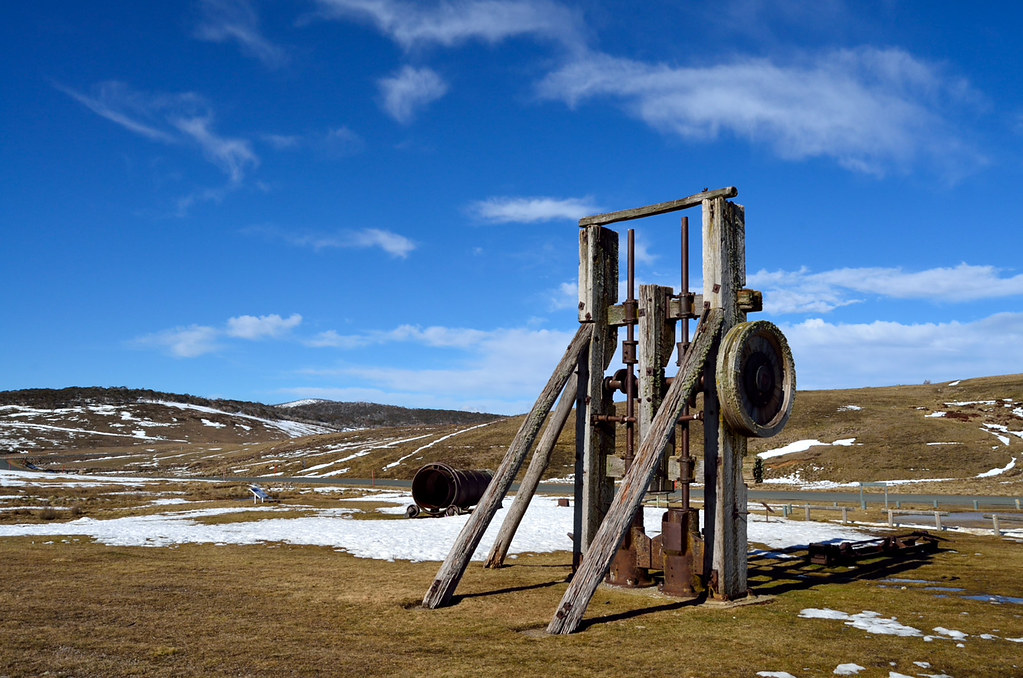
New Chum Hill Ruins

Remnants of Kiandra gold mine at New Chum Hill, #nsw #australia

May 20, 2013

Bangladesh Diaries

MAZ- the Swiss School of Journalism is the leading Swiss educational institution for journalism. Located in Luzern, Switzerland, it was founded in November 1983. In the past ten years this institute has sent professionals and young journalism students to Bangladesh for training. Most of these students interned with the Daily Star in Dhaka.

Here are their diaries on their experiences in Bangladesh in German language (You can use Google translate to read)

  • 2013: Anja Burri
  • 2012: Fabian von Allmen
  • 2011: Andrée Stössel
  • 2010: Andrew Jones
  • 2009: Coralie Wenger
  • 2008: Dieter Bachmann
  • 2007: Thomas Müller
  • 2006: Miriam Künzli
  • 2005: Barnaby Skinner
  • 2004: Christine Wanner

May 01, 2013

Facebook Cheat Sheet: Image Size and Dimensions

April 04, 2013

Blackout in solidarity demanding release of the detained bloggers in Bangladesh


More on #Shahbag protests here and on the arrest of bloggers here.

February 08, 2013

Bangladesh: Protesters Demand Capital Punishment for 1971 War Criminals

Forty-two years. That's how long Bangladeshis have awaited justice for the horrific crimes committed against them during their fight for liberation from Pakistan. And on February 5, 2013, Abdul Quader Mollah, the secretary general of Bangladesh's Islamist party Jamaat-e Islami was sentenced to life in prison for murder, rape, torture and other crimes committed during the 1971 liberation war.

But tens of thousands feel that justice has not been served. They want him hanged. And they are occupying capital city Dhaka's Shahbagh intersection to show their resolve. Protests are spreading like wild fire across the country.

Jamaat-e Islami rejected Mollah's verdict and enforced a dawn-to-dusk strike on Tuesday and Wednesday disrupting life in the country. (The full verdict by the International Crimes Tribunal can be found here.)

Screenshot of the Facebook Event
Screenshot of the Facebook event that generated much response

Bloggers played a vital role in building pressure to try Mollah and other accused war criminals, many of whom are politicians with the Islamist party, and expedite a process that has been on hold for 42 years. So its no surprise that bloggers are central to organizing the ongoing protests. The Bloggers and Online Activists Network (BOAN) created a Facebook event to invite people to occupy Shahbagh square, protest against the strike and demand the death penalty for Mollah. About 70,000 people have been invited to event and more than 7000 people have confirmed they are joining.

People holds a placard that demand death sentence of Jamaat leader Abdul Qader Mollah. people from all walks of life are continuing their sit-in at Shahbagh intersection in the capital for the second consecutive day.
People from all walks of life are continuing their sit-in at Shahbagh intersection in the capital for the second consecutive day. Image by Firoz Ahmed. Copyright Demotix (6/2/2013).

Shahbagh, the Tahrir Sqaure of Bangladesh:

The last few days were full of protests and rallies at Shahbagh. Processions from all over the city joined the crowd of about 15,000-20,000 people, bringing the scenes of Tahrir square during 2011 Egyptian revolution to Dhaka. People are singing protest songs, reciting poems, and screening films and documentaries on Bangladesh's liberation war. Pavel Mohitul Alam updates his Facebook status from Shahbagh:
Shahbagh is full of processions, slogans and singing. Thousands of people from all walks of life are joining in protests using candle lights and are carrying torches. A band will start playing live soon. Please join us.
Many have shared pictures from Shahbagh via Facebook, like ICSF and Kazi Sudipto. Journalist and writer Imtiar Shamim writes at Muktangon blog [bn]:
...This Shahbagh will soon be extended to other cities- It will beat the fear of civil war by fringe elements who envisage colonial intervention, who will clinch victory by confirming justice for the war criminals.
Besides Dhaka, there has been news of similar protests in cities like Chittagong, Rajshahi, Sylhet, Khulna, Comilla, Mymensingh and Rangpur. People are gathering in large numbers raising their voices for the highest punishment for the war criminals. Rayhan Rashid writes on Facebook about spreading the protests across the country:
The fire has spread from city to city. I just want to be one of those hundreds of thousands of people....
Protesters on a candlelight protest organized by 'Bloggers and Online Activist Network' demanding death penalty of war criminal Abdul Quader Mollah. Dhaka, 6 February, 2013
Protesters on a candlelight protest organized by'Bloggers and Online Activist Network' demanding death penalty of war criminal Abdul Quader Mollah. Image by Firoz Ahmed. Copyright Demotix (6/2/2013)

Delayed Justice:

During the 1971 liberation war an estimated 3 million people were killed by the Pakistani army and approximately 250,000 women were raped. Local political and religious militia groups like Razakar, Al Badr and Al-Shams, many of whom were also members of Jamaat-e-Islami, aided Pakistani soldiers in killing, particularly targeting Hindus. Abdul Quader Mollah, also known as 'Butcher' to the Bengalis in Mirpur area, was a senior leader of the Razakar force. He lead many mass murders in Mirpur area.

The International Crimes Tribunal was formed after 42 years of the independence to try the perpetrators of the crimes against humanity during the liberation war of Bangladesh. The first verdict of the ICT was against Abul Kalam Azad alias 'Bachchu Razakar'', who was sentenced to death for his involvement in crimes against humanity during 1971.  

Outrage at the Verdict:

When Quader Mollah was sentenced to life imprisonment (peoples' anticipation was death penalty), many expressed their outrage on Facebook, Twitter and blogs. Elora Leelith demands a "Razakar and war criminal free" Bangladesh:
My first child will be born on 7 of February. I wish its generation will see a Razakar and war criminal free Bangladesh. I want capital punishment for Quader Mollah and gang.
Hazrat Binoy Bhodroe asks the Tribunal on Twitter:
@hazratb9bhodroe Honorable Tribunal, how many deaths have to be proven to get a death sentence?
Allegations against Abdul Quader Mollah:

There were six indictments against Abdul Quader Mollah. The trial has proven his association in three of these and direct involvement in two killings. He was acquitted on one charge. The indictments are related to the following incidents:
  1. April 5, 1971, on Mollah's instructions, one of his aides named Akhter killed Pallab, a student of Bangla College.
  2. March 27, 1971, Mollah and his aides murdered pro-liberation poet Meherun Nesa, her mother and two brothers at their home at Mirpur of Dhaka.
  3. March 29, 1971, Mollah, accompanied by Al-Badr, Razakars and non-Bangla speaking Bihari men, apprehended journalist Khondoker Abu Taleb and brought him to a place known as Mirpur Jallad Khana Pump House and slit his throat.
  4. November 25, 1971, an organised attack and indiscriminate shooting by Mollah and his cohorts killed hundreds of unarmed people of Khanbari and Ghatar Char villages in Keraniganj.
  5. April 24, 1971, Mollah led Pakistan army men and around 50 non-Bangla speaking Biharis into an attack on unarmed people of Alubdi village in Mirpur that left 344 people killed.
  6. March 26, 1971 he and his associates went the home of Hazrat Ali Laskar and killed his wife, two daughters and two year old son. One of his minor daughters was raped before she died.
Appeal against this verdict:

It is not clear whether there can be an appeal against the verdict. But blogger Omi Rahman Pial pleads:
The appeal against the acquittal of Quader Mollah against the Keraniganj killing is the key. This protests should pressurize the government prosecution team to appeal against that acquittal. 344 people were killed and he was known as the 'butcher'. Such cruelty should beget more than just life imprisonment.
According to the latest updates, the prosecution team of the ICT has taken a policy decision to appeal against the verdict to enhance Mollah's sentence. Bangladesh is one of 58 countries that still actively practices capital punishment.

First Published in Global Voices

February 04, 2013

Chobi Mela VII: Photographs Connecting People of The World

The 7th Chobi Mela (Photo Fair), an international festival of photography, is taking place in Bangladesh capital Dhaka. Organized by Drik Picture Library Ltd. and Pathshala (The South Asian Institute of Photography) it is the largest festival of photography held in Asia.

The event was founded in 1999 and is held every two years in Bangladesh. According to DRIK blog:
The festival examines the dramatic shifts of image production, ownership and distribution brought on by new developments in the media landscape.
James Estrin at the Lens Blog says:
What sets apart the Chobi Mela International Festival of Photography in Dhaka, Bangladesh, is that it is not only truly international, but is also perhaps the world’s most demographically inclusive festival.
Theme of Chobi Mela VII - Fragility
This year's theme of the festival is Fragility, exploring the quieter, more subdued and delicate moments in life, which the shutter of the camera usually misses or ignores. 34 artists from 23 countries featuring Eugene Richards, Graciela Iturbide, Walter Astrada et al. are exhibiting their work at different venues in Dhaka city during 25 January -7 February 2013. Here is a list of events and venues of the festival.

Chobi Mela blog introduced the big names in World Photography Max Pam, Pablo Bartholomew, Ruth Eichhorn, Jody Haines, NayanTara Gurung Kakshapati, Ilaria Di Biagio, B. S. Shivaraju (Cop Shiva), Hossein Fatemi, Maika Elan, Nii Obodai, Chris Rainier and Chris Riley et al. who are attending the festival.

Renowned photographer Shahidul Alam, director of Chobi Mela, shares an amazing story how British photographer Rupert Grey brought his 1936 Rolls Royce to Dhaka to attend the rally of the festival.
The antique Rolls had travelled through the Rajasthan deserts and gone along the foothills of the Himalayas and followed the Brahmaputra to Bangladesh, but was stopped at the Tamabil border, when bureaucracy kicked in.
Rupert could eventually bring in the vehicle with a little help from friends. Shahidul Alam also posts a preview of this years event in his blog (also watch an intro here):
Here is an interview of Shahidul Alam taken by Munem Wasif.

Award winning Indian Photojournalist Pablo Bartholomew says about Chobi Mela:
So what makes me come back to Chobi Mela, this pioneering festival for photography in Asia? It is the question that I ask myself, now that I am here in Dhaka setting up both my father’s and my exhibitions. Obviously it is the opportunity to show the works and be part of discussions that may provide and lead up to good dialogues and debates. [..]
On January 25, 2013, the opening day, a rally started at 3:30PM in front of the Bangladesh National Museum and ended in Bangladesh Shilpakala Academy, the venue of the opening ceremony. Photoblogger Monirul Alam joined the rally and posted picture in his blog. The roundup of the first week in pictures can be found here.
Chobi Mela Inauguration at Shilpokola Auditorium. Instagram Image by author
Chobi Mela VII Inauguration in Dhaka. Instagram Image by author
  American Photographer Chris Riley shares the learning from Chobi Mela:
We live in an age within which visual literacy may very well transcend literacy of the word. There is no need to translate a photograph. Photographs contain both an inherent narrative and the ability to interpret. This makes the medium a medium of dialog, unlike film and television with their tightly controlled narrative forms. I watch a documentary and there is no room for me. I study a series of photographs and my head spins with questions and thinking. We have seen images from African, Chinese, Nepalese and Bangladeshi photographers, each telling a story that opens the photographic dialog.
You can follow the festival on Facebook and Twitter (@chobimela).

Chobi Mela VII Theme Photo by Sandra Vitaljić. Thumbnail Image courtesy of Chobi Mela. Also published in Global Voices

January 27, 2013

Coup Predictions In 2013

Jay Ulfelder is an American political scientist who theorizes and forecasts political development and instability in various forms, including democratization, coups d’etat, mass atrocities, and civil unrest. Among his 2012 predictions the coup attempts in Mali (March) and Guinea-Bissau (April) came true. He drew the chart for 2013 with estimated coup risk for the 30 countries at greatest risk using essentially the same models he used for 2012. Bangladesh is now shifted to high risk zone with lower values indicating more accurate predictions. A section of politicians are taking about the 1/11 and are really hoping on the military to unsettle the government and usher in a possible regime change. The PM mentioned:
"The aim of the opposition's movement is to foil the hard-earned democracy, bring back the 1/11 and save the 1971 culprits. For this reason, they are burning people to death and vandalising and torching public property."
We have seen that a coup attempt by a section of military was foiled in end 2011, which was to introduce sharia law by Islamist military officers with ties to Hizbut Tahrir. Jay's prediction only tells that the conspiracy is still on. Beware Bangladesh.

January 26, 2013

Bangladesh: Missed Call - A Tool For Protest?

An intentional missed call is an widely used method in developing countries, particularly South Asia, the Philippines and large parts of Africa, primarily to save money or minutes. It is essentially the poor man's text message, a free way to nudge another person or company. There is even an app available to complete a miss call with one touch.

A report suggests that missed call can constitute upto 70% of total network traffic of Grameenphone, Bangladesh's largest telephone network in any hour. The cellphone operators in Bangladesh have reduced call rates upto 90% in the past decade to get more customers talking and earn profits by economy of scale. But the price of mobile internet has not come down.
Image by Kahil. CC BY-NC-ND.
Now it seems that there might be other uses of missed call possible. In India  some found business in it and in Bangladesh it is proposed as a tool for protest. A Facebook event [bn] titled "Missed call: The tool for our protests" has been created by two Bangladeshi Facebook users, Sedative Hypnotics & Duurzodhon. They have provided the background of the protests in a long post:
২০০৬ সালে যখন বাংলাদেশ যুক্ত হলো এর SEA-ME-WE-4 কেবলে ব্যান্ডউইডথের দামও তখন ছিলো অবিশ্বাস্য রকমের বেশী – প্রতি মেগাবিট ব্যান্ডউইডথের দাম ছিলো ৮০০০০ হাজার টাকা,ইন্টারনেট তখনো তরুনদের হাতে সহজলভ্য হয় নি, গনমানুষের কাছেও না। ২০০৮ সালে তত্ত্বাবধায়ক সরকার প্রতি মেগাবিট ব্যান্ডউইডথের দাম কমিয়ে দেন ২৭০০০ টাকায় । এর পরপরই ‘ডিজিটাল বাংলাদেশের’ প্রতিশ্রুতি দিয়ে ক্ষমতায় আসে বাংলাদেশ আওয়ামী লীগ সরকার। ইন্টারনেট সার্ভিস তৃনমূল পর্যায়ে ছড়িয়ে দেবার প্রত্যাশায় তারা এক এক ধাপে ব্যান্ডউইডথের দাম কমানো শুরু করে। ২৭০০০ টাকা থেকে তারা ২০০৯ সালে প্রতি মেগাবিট ব্যান্ডউইডথের দাম কমিয়ে আনে ১৮০০০ টাকায়, পরবর্তীতে ২০১২ সালে আবারো কমিয়ে আনে ৮০০০ টাকায়। একইসাথে পরবর্তীতে প্রতি মেগাবিট ব্যান্ডউইডথের দাম ৮০০০ থেকে ৫০০০ টাকায় নামিয়ে আনার পরিকল্পনার কথা জানিয়েছে BTRC
In 2006 when Bangladesh was connected to the SEA-ME-WE-4 cable the price of Bandwidth was exorbitant - per Mbit/s bandwidth was BDT 80,000 (approximately USD 1,125). Internet was not available to masses then, especially to the youth. In 2008 the government reduced the price to BDT 27000. After that the Awami League government came to power with its "Digital Bangladesh" slogan. They started reducing the cost of bandwidth in several steps to make it available to the grassroots population. In 2009 per Mbit/s was reduced to BDT 18,000 (approximately USD 250) and in 2012 it was further cut down to BDT 8000 (USD 100). The regulatory body BTRC has plans to bring down the price of 1 Mbit/s to BDT 5000 (USD 60) soon.

They ask whether the consumers are getting the benefit of these price cuts:
আপনাদের মনে থাকার কথা, ২০০৬ সালে EDGE সার্ভিস চালু করা গ্রামীনফোনের ইন্টারনেট খরচ এখনো সেই আগেরমতই আছে । ২০০৯ সালের ১ জিবি ইন্টারনেটের প্যাকেজের দাম এখনো ৩৫০ টাকাই আছে ।এর মাঝে সরকার ঠিকই দুই দফায় দাম কমালেও তারা কমায় নি । একই কথা খাটে বাংলালিংক,এয়ারটেল,রবি সহ অন্যান্য অপারেটরদের ক্ষেত্রেও । [..] আপনারা খেয়াল করুন, প্রতি ১০ মেগাবাইট ইন্টারনেটের প্যাকেজ এয়ারটেলের ক্ষেত্রে বাংলাদেশ ১০ টাকা (ভ্যাট ছাড়া)পড়বে , অথচ একই কোম্পানী ভারতে (টুজি নেটওয়ার্কে) ১০ রুপীতে (বাংলাদেশী ১৪.৮০ পয়সা) ১২৫ মেগাবাইট ইন্টারনেট দিচ্ছে ! [..]এভাবেই সরকার দাম কমিয়ে গেলেও আমজনতা কোনো রেহাই তো পাচ্ছেই না, বরঙ অন্য দেশের তুলনায় আমাদের কাছ থেকে দামও বেশী রাখা হচ্ছে 
If you can remember, GrameenPhone introduced their EDGE package in 2006 and the price remained constant Their 1GB volume shared internet package is still BDT 350. The government has reduced price twice in the meantime but their price has not changed a bit. The same complain applies for Banglalink, Rabi, Airtel and other operators. [..] Airtel's per 10MB internet volume package is BDT 10 in Bangladesh. But the same company offers 125 MB in India at INR 10 (BDT 15). [..] In this way the price cuts by the government had no effect on the consumers who are getting overcharged comparing to neighboring countries.

A student of Dhaka University before a huge wall painting of Communism talks over mobile phone. Image by Firoz Ahmed. Copyright Demotix (15/5/2012)
And on why the method of protest is by missed call?
নির্দিষ্ট একটি তারিখে নির্দিষ্ট সময়ে আমরা সবাই মোবাইল অপারেটরদের নেটওয়ার্ক ব্যস্ত রাখবো , কিন্তু এক পয়সাও খরচ করবো না । আর সেই উপায় হলো মিসড কল । একটি নির্দিষ্ট তারিখে পিক আওয়ারে আমরা সবাই যদি গনহারে পরিচিতজনদের মিসড কল দেয়া শুরু করি , তবে মোবাইল অপারেটরদের বি টি এস ব্যস্ত থাকবে ঠিকই, কিন্তু যেহেতু আমাদের কারও কোনো খরচ করতে হচ্ছে না, তাই আমাদের কোনো ক্ষতি হবে না । যা ক্ষতি হবার হবে কোম্পানীর,কারন সেই সময় আমরা তাদের নেটয়ার্ক ব্যবহার করেছি ঠিকই কিন্তু কোন টাকা দিচ্ছিনা! আমরা অনেক মানুষ যদি একত্রিত হতে পারি,তবে কোম্পানীর ক্ষতিটা নেহায়েত কম না ।
We will keep every mobile network busy at a specific time and date, without spending a penny. And the easiest way is to use "miss call". If we start to send miss call to our contacts in a specific time, then the BTS of the mobile operators will be busy. As we are not paying anything, we have nothing to lose. The company will lose as we are using their network without any revenue. If a lot of people can do it at once then the impact will be felt by the company.

The Facebook event has gone viral and more than 140,000 people have already been invited and approximately 15000 people said yes. According to an update by Duurjodhon:
শুধু ইন্টারনেটের দাম কমানোই নয় , আমরা বিভিন্ন অপারেটর কর্তৃক সকালে বা গভীর রাতে ইচ্ছেমত পাঠানো স্প্যাম মেসেজের বিরোধিতাও করি ।
Not only reducing the price of mobile internet, we are protesting also the sending of spam sms by operators, even after midnight.

Blogger Robin supports the cause and has more innovation:
আমার সাথে অনেক বন্ধু বান্ধব আছে যাদের মোবাইল ফোন দুই বা ততোধিক... আমার অবশ্য দুইটা ফোনসেট [..]

ভাবতেছি, দুইটাই সাইলেন্ট কইরে একটা থেকে আরেকটায় অটোমেটিক রি-ডায়াল দিয়া থুইয়া দেব... [..]
I have many friends who has two or more mobile phones.. I have two sets by the way.. [..]

I am thinking I will keep the sets silent and place both calling each other using auto-redial... [..]

Rasel Parvez writes in Facebook:
অহিংস ক্ষতিসাধনের আইডিয়াটা চমৎকার নিঃসন্দেহে, যদিও একই সাথে এইসব অদ্ভুত আন্দোলন ধারণা কৌতুককর অনুভুতি তৈরি করে

বিনোদন বিলাসিতা না কি প্রয়োজনীয় কর্মকান্ড এটা নিয়ে অনেক মাত্রার বিতর্ক হতে পারে, যদি আন্দোলনকারীরা মিস্কল মিসকল না খেলে বরং সরাসরি মোবাইলে ইন্টারনেট বন্ধ করার হুমকি দিতো এবং সেটা ব্যপক পরিসরে ছড়িয়ে দিতো আন্দোলন আরও সফল হওয়ার সম্ভবনা থাকতো।

আমাদের ভোক্তা অধিকারসংরক্ষণের একটি সংগঠন আছে, তারা যদি মোবাইল কোম্পানীর পরিচলন ব্যয় এবং ভোক্তার প্রদত্ত মূল্যের তুলনামূলক আলোচনা করে ভোক্তা অধিকার আইনে একটা রীট দায়ের করতো কিংবা যদি সরকারকে এ ডাকাতি সম্পর্কে অবহিত করতো সেটা আরও ফলদায়ক হতে পারতো
The idea of doing harm without violence is novel, even if these kinds of weird ideas stimulate a laughing sensation.

Using internet in cellphone is a luxury or a necessity that is much debatable. If the protesters could avoid this miss call game and instead threatened to stop the use of mobile internet and made it a bigger campaign then they could be more successful.

We have a consumer rights organization, they could compare the operating costs of the mobile internet and the price for the end consumers and take legal measures against the operators if necessary. They could even produce evidences of malpractices to the government.

According to the event page:
আপনারা রবিবার সকাল ১০ টা থেকে দুপুর ১ টা পর্যন্ত কোন কল রিসিভ করবেন না। আপনাদের এতটুকু আত্মত্যাগ আমাদের সবার স্বপ্ন পূরন আর দাবি আদায়ের হাতিয়ার হবে। তাই সবাই ৩ ঘন্টা সময় দিন।

এত দিনের অনাচারের বিরুদ্ধে তিন ঘন্টার প্রতিবাদ কি খুব বেশী ?
Please do not receive any call in your mobile between 10AM-1PM next Sunday. Your sacrifice will help us achieve our goal and make our dreams come true. Please give us 3 hours.

Is 3 hours too long to protest against the injustice that is happening for years?

Also published in Global Voices Online.